
Victorian Brass Table Light
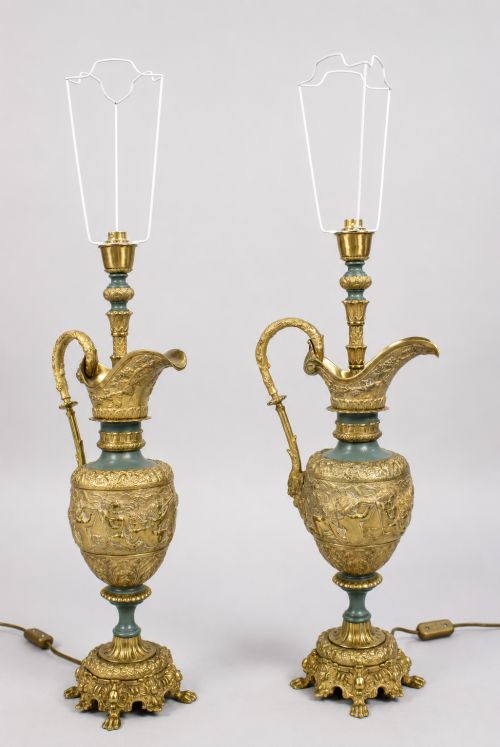
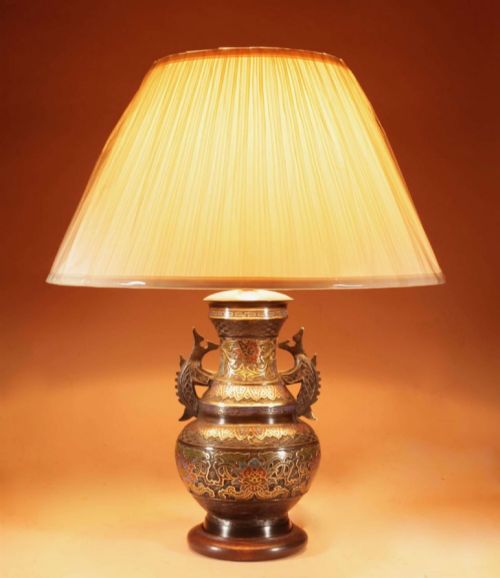
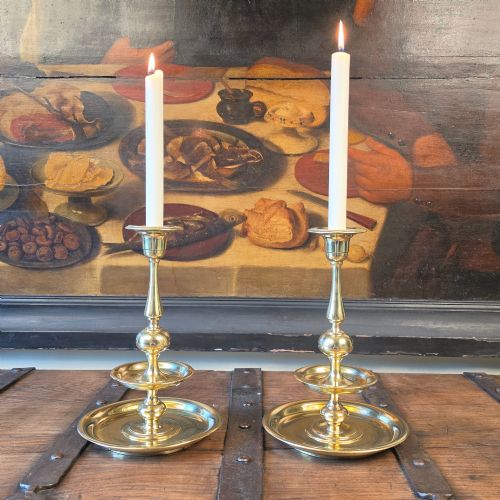
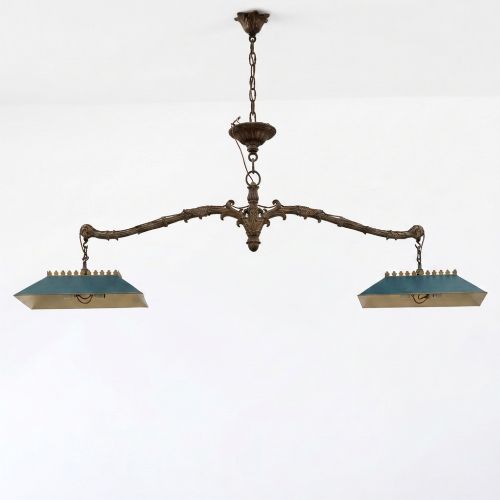
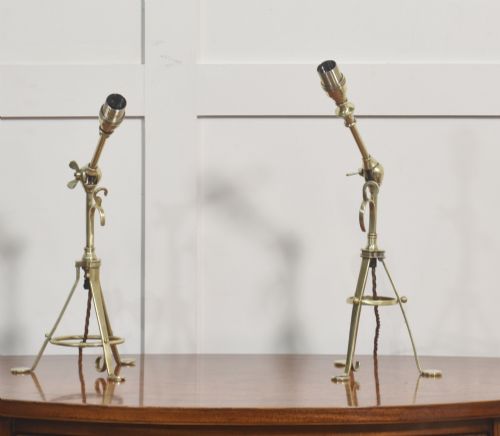
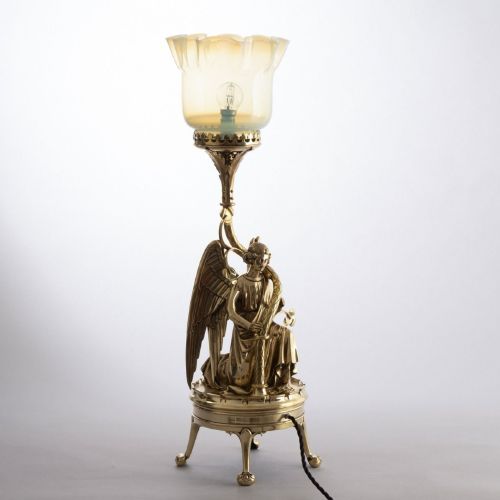
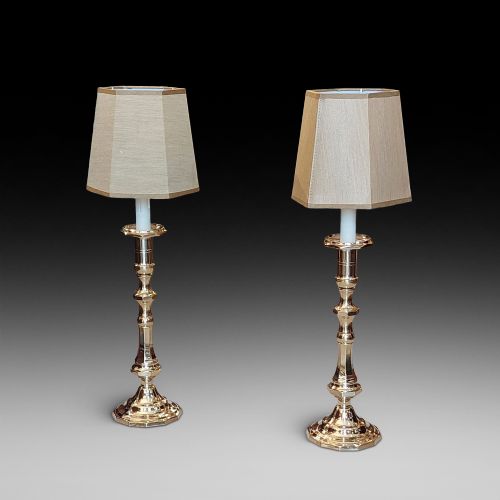
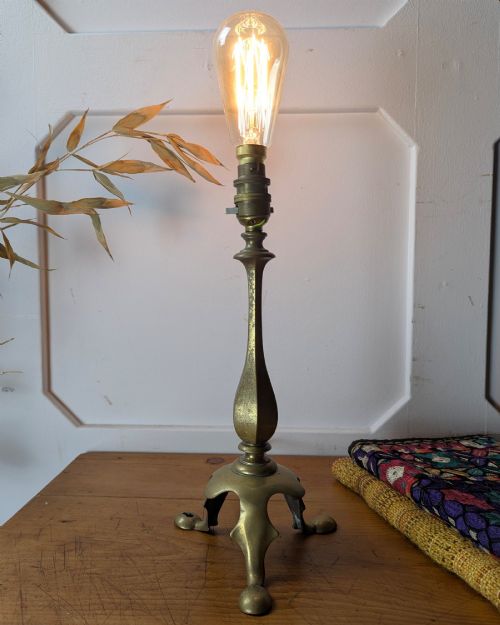
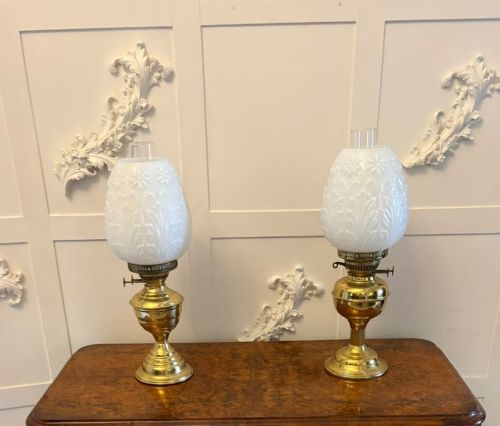
These Victorian brass table light selections span column lamps, converted candlesticks and oil burners designed to illuminate period interiors.
Victorian Brass Table Light
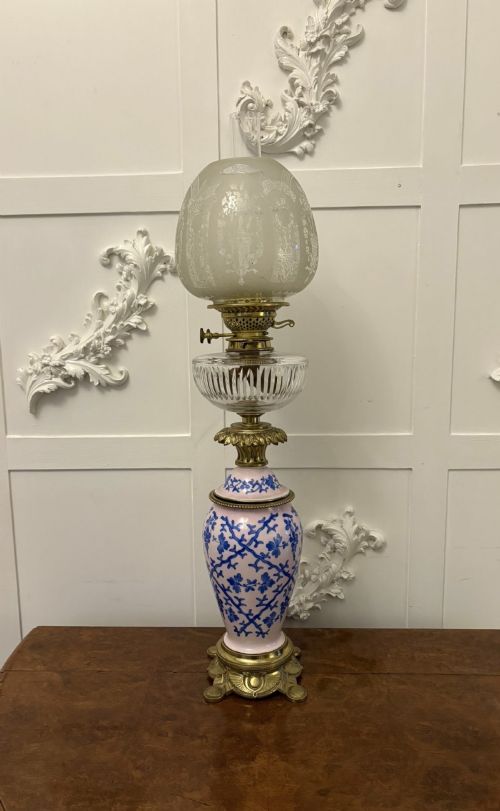
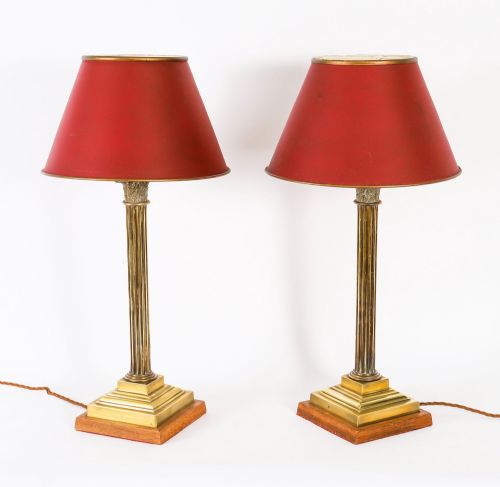
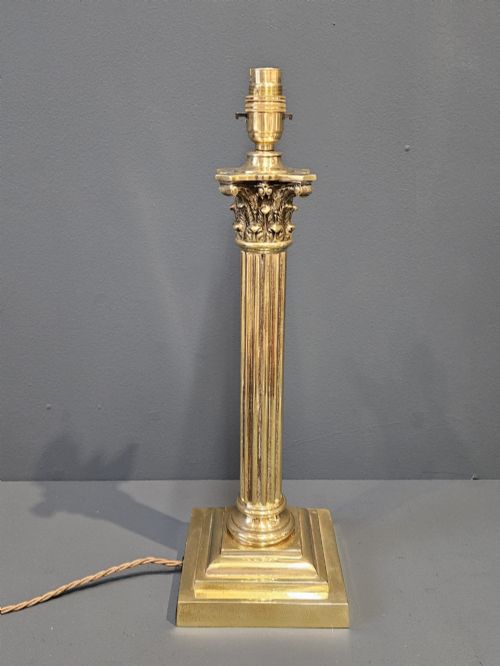
A victorian brass table light typically takes the form of an oil lamp, a converted candlestick, or a column lamp resting on a heavy metal base. The most common examples seen here belong to the nineteenth century, including pieces produced during the Victorian and Edwardian eras.
Makers utilised various classical and ecclesiastical motifs, resulting in pieces styled after Corinthian and Ionic columns, alongside Gothic Revival and Arts and Crafts designs. These items frequently incorporate shade holders or burner mechanisms designed for domestic illumination.
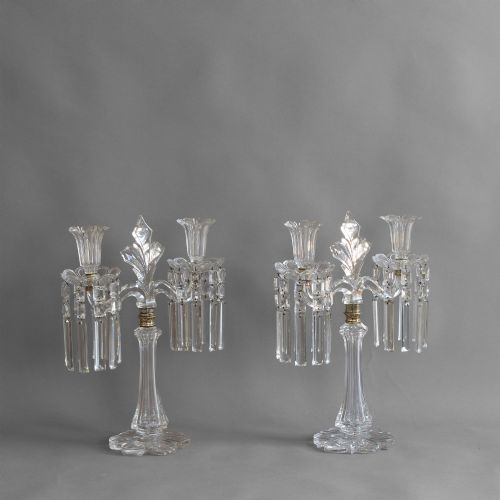
Many survivors began life as oil lamps or candlesticks before undergoing later conversion to electricity, while others retain their original dual-burner assemblies. The inventory also includes reading lamps, student lamps, and monumental pairs suited for larger reception rooms.
Materials and construction
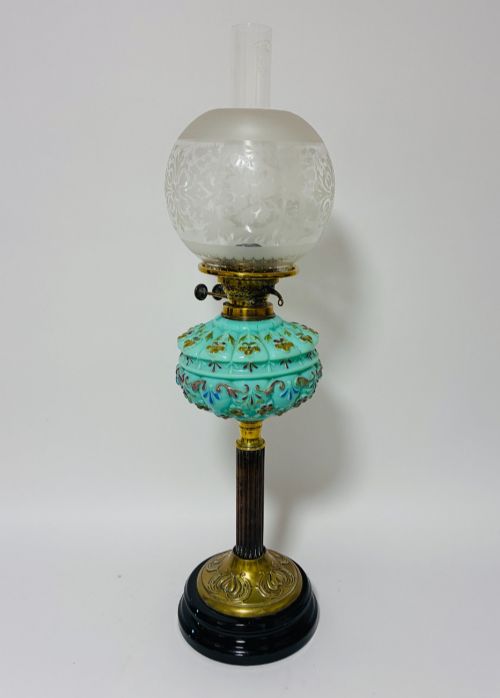
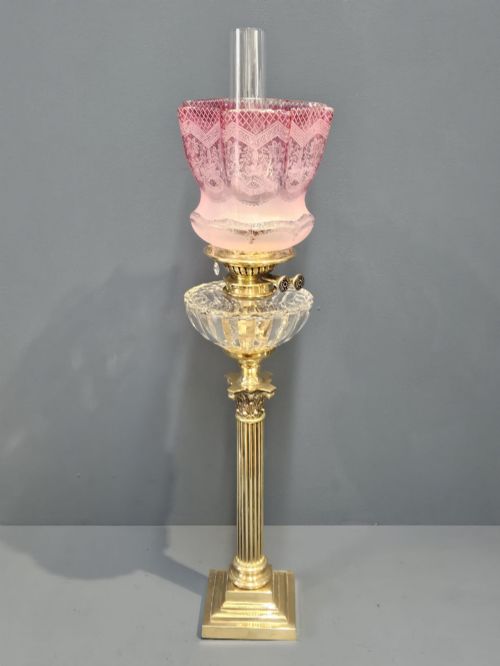
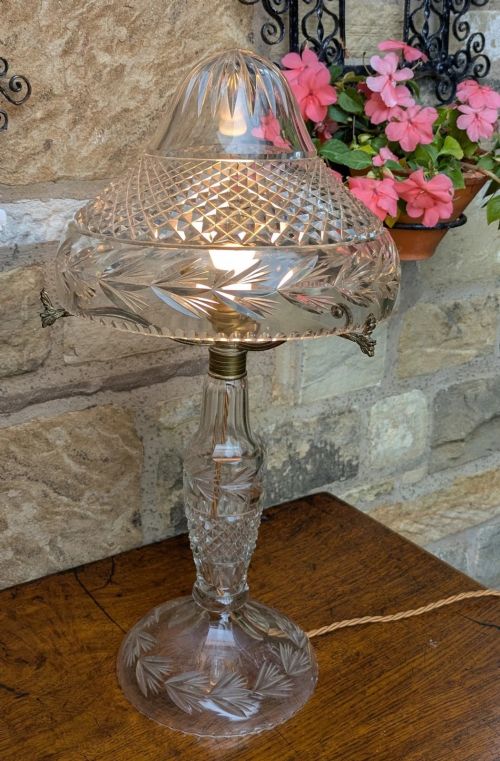
Construction relies heavily on cast and spun brass, sometimes augmented with gilt bronze, ormolu, or gilt metal to enrich the surface texture. Columns and reservoirs often combine this metalwork with contrasting elements such as cut crystal, opaline glass, cranberry glass, and ceramic inserts.
Shades paired with these metal bases demonstrate skilled glassmaking techniques, featuring hand-blown coloured glass, painted winter scenes, or vaseline glass components. Burners and adjustment keys frequently bear patent stamps from period manufacturers indicating specialised mechanical production.
Some student lamps retain their original wick-trimming implements tucked neatly beside the burner.
Judging execution and finish
Quality reveals itself in the crispness of the casting, particularly on capital details of Corinthian columns and the weight of the supporting brass base. Superior examples display careful finishing with sharp fluting, well-fitted collars, and substantial gauge metal that prevents tipping.
The integration of secondary materials dictates overall merit, separating standard production models from ambitious workshop pieces. Finely cut crystal reservoirs, unblemished hand-blown glass shades, and intact original burner mechanisms elevate a piece above simpler utilitarian lighting.
W.A.S. Benson·Mc Gary
The Victorian Brass Table Light Glossary
- Corinthian column
- A classical architectural support featuring ornate acanthus leaves at the top capital. This form proved extremely popular for tall nineteenth-century lamp bases.
- Duplex burner
- A double-wick mechanism designed to burn paraffin oil with increased brightness. It allows independent control of two flames.
- Opaline glass
- An opaque, milky white glass frequently utilised for Victorian lamp shades and reservoirs. It softens the light emitted from the burner.
- Student lamp
- An adjustable desk or table light with a side-mounted oil reservoir and a green or white shade. Designed to cast focused light downwards for reading.
- Cranberry glass
- A rich red glass produced by adding gold chloride to the molten batch. It appears frequently in nineteenth-century decorative shades.
Victorian Brass Table Light: Frequently Asked Questions
How do I convert an oil lamp?
Most period oil lamps convert to electricity by running a cord through the existing burner collar without altering the exterior metalwork. This preserves the original reservoir and burner components while allowing modern bulb fittings.
Professional rewiring ensures the vintage brass components are properly earthed and safe for daily domestic use. Retaining the original mechanical parts maintains the historical integrity of the piece.
What burns in a duplex lamp?
Duplex burners utilise paraffin or kerosene oil via dual flat cotton wicks housed beneath a glass chimney. These systems provided superior illumination compared to single-wick predecessors during the nineteenth century.
Modern owners generally display these as decorative objects rather than active fuel burners. The twin wick wheels remain functional on many surviving examples.
How are brass columns dated?
Dating relies on stylistic clues, manufacturing techniques, and patent marks stamped onto the brass collars or burner mechanisms. Corinthian and Gothic Revival motifs dominated mid to late nineteenth-century production.
Heavier cast bases and sharp classical detailing typically indicate earlier Victorian manufacture. Lighter, more stylised forms often point towards the subsequent Edwardian period.
Are original glass shades rare?
Original hand-blown opaline, cranberry, or etched glass shades remain scarcer than the metal bases due to their fragility. Finding a matching period shade substantially enhances the character of a table light.
Many surviving pieces lost their original glasswork over generations of domestic use. Replacement shades are selected to match the period proportions and fitter sizes.