



Victorian Brass Log Supports
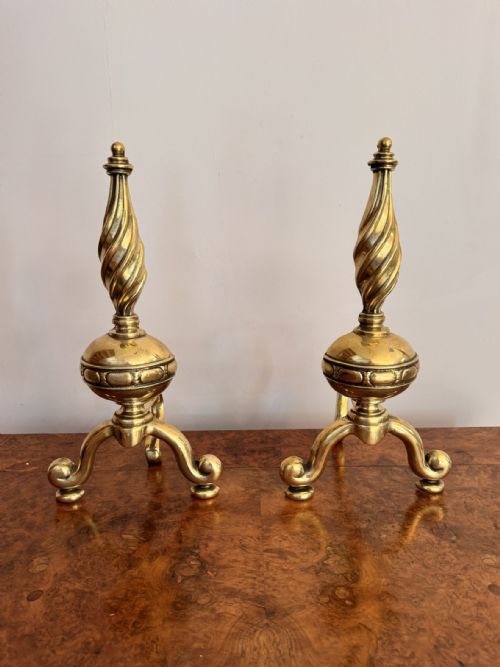
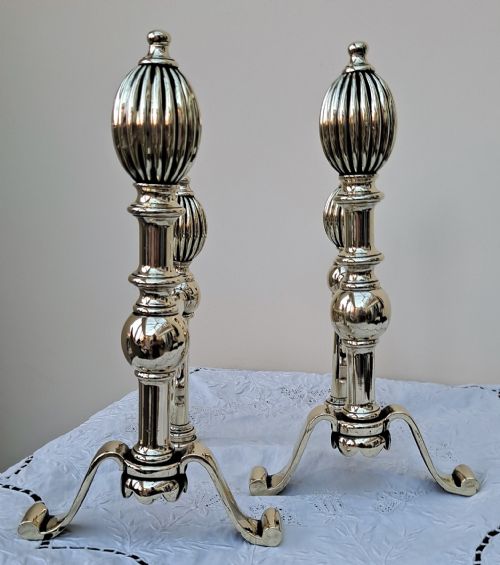
Victorian brass log supports provide the heavy, polished metal framework necessary to hold burning logs securely within an open hearth.
Victorian Brass Log Supports
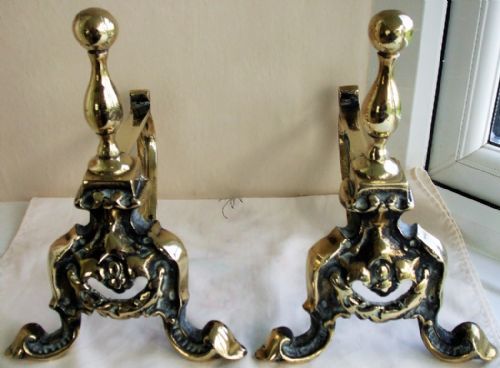
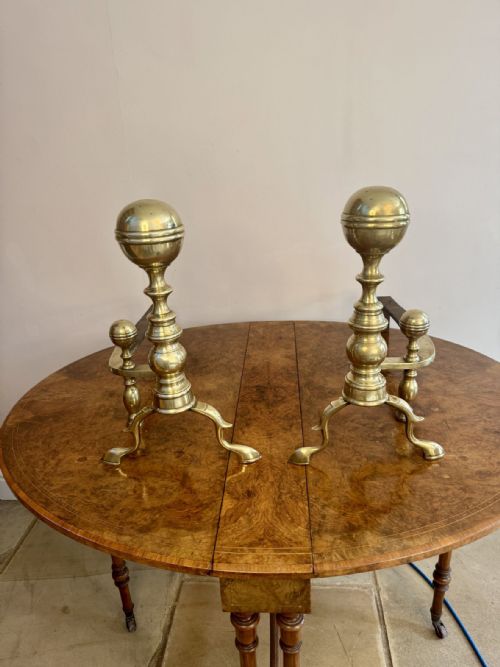
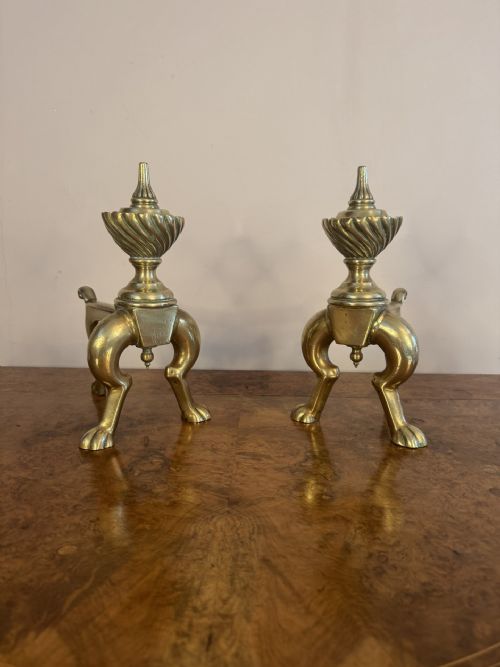
When you search for Victorian brass log supports, you are looking at heavy hearth furniture designed to hold firewood off the hearth floor for better air circulation. These objects are primarily known in the trade as andirons or firedogs, appearing alongside fireplace accessories in the evidence.
The examples you will most commonly meet on this page date from the nineteenth century, including specific years such as eighteen-sixty, eighteen-eighty, and nineteen-hundred. They take the form of paired metal supports that sit inside the fireplace opening.
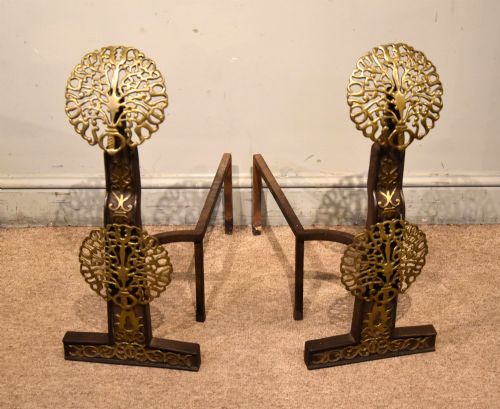
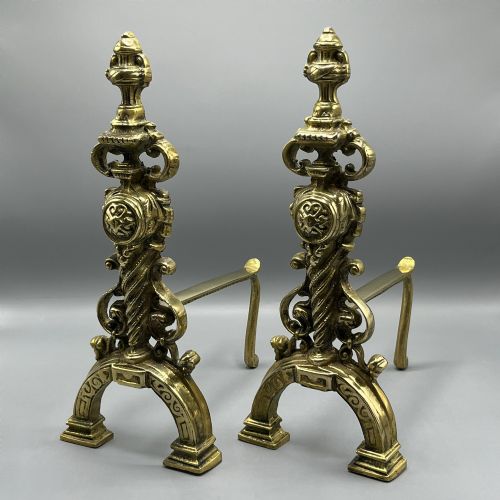
Makers of the period drew upon diverse stylistic revivals, incorporating Victorian Gothic Revival, seventeenth-century revival, Regency revival, and Arts and Crafts aesthetics into the metalwork. Pieces reflect both utilitarian hearth use and ornamental design typical of the Victorian era.
Materials and construction
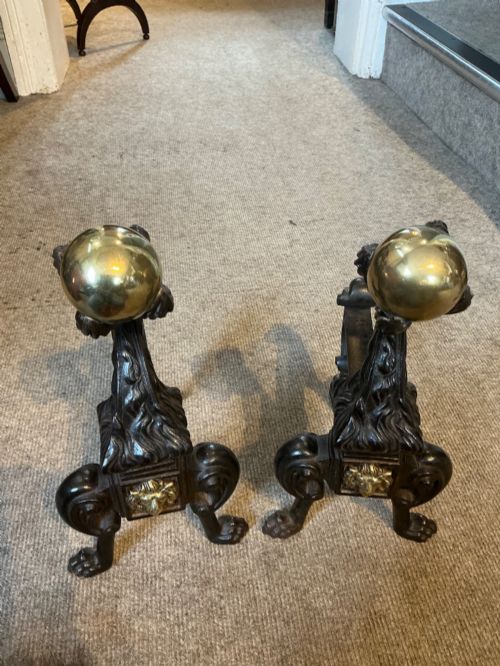
The physical structure relies heavily on cast brass, solid brass, and cast iron, often combined with wrought iron, copper, and steel elements for internal strength and stability. Heavy metal casting allowed workshops to produce robust vertical standards capable of bearing the weight of large logs.
Many pairs unite different metals, pairing bright brass fronts with durable iron or steel billets that actually make contact with the burning wood. This combination ensured the decorative appearance of polished brass remained visible while the structural core withstood intense hearth heat.
Victorian Brass Log Supports Retail Price Guide 2026
Typical asking prices for victorian brass log supports among the pieces listed under this phrase on Sellingantiques today, from the lower quarter to the upper quarter. They describe what is for sale here now, not the wider market.
Christopher Dresser's influence pops up unexpectedly in the hearth, proving even log supports could not escape the Victorian appetite for radical design.
Distinctions in quality
The standard of workmanship shows clearly in the crispness of the cast decoration and the weight of the metal used in the main shaft. Heavier solid brass examples display deeper relief and more substantial construction than lighter or hollow cast alternatives.
Design ambition separates standard pairs from exceptional ones, with finer examples incorporating specific stylistic movements like Arts and Crafts or ornate Neo-Classical detailing. The integrity of the joint between the vertical standard and the horizontal log bar dictates the long-term durability of each support.
The Victorian Brass Log Supports Glossary
- Andirons
- Supports for burning logs in a fireplace, consisting of a horizontal bar with a vertical decorative front. They are also frequently called firedogs.
- Billet bar
- The horizontal iron or steel leg extending backward from the andiron front to support the actual logs. This functional component bears the direct heat and weight of the fire.
- Fire dogs
- An alternative term for andirons used interchangeably in nineteenth-century inventories. They serve the identical structural purpose in the hearth.
- Arts and Crafts
- A design movement prioritising handcraftsmanship and simple form over mass production. Pieces in this style often feature clean geometric lines rather than heavy ornamentation.
Victorian Brass Log Supports: Frequently Asked Questions
What are Victorian brass log supports used for?
These metal supports sit inside an open fireplace to keep firewood elevated off the hearth floor. Raising the logs allows air to circulate underneath, which improves combustion and creates a steadier fire.
Beyond their practical function, they served a decorative role in nineteenth-century interiors. Their polished brass fronts caught the light of the room even when no fire was burning.
How do I know if they are genuine Victorian?
Examine the construction methods and the weight of the metal used in the shafts and billets. Nineteenth-century pieces typically feature heavy sand-cast brass components combined with hand-wrought iron parts.
Look closely at the surface for casting irregularities and natural wear consistent with age. Stylistic cues such as Gothic or Regency revival motifs also help confirm the period of manufacture.
Can I use antique andirons in a modern fireplace?
Most antique andirons function perfectly well in working open fireplaces, provided the dimensions match your hearth opening. You must ensure the iron or steel billet bars are strong enough to hold your logs safely.
If you have a decorative or gas fireplace, they can still be placed inside for visual effect. Measure the depth and width of your hearth carefully before placing them in service.
How do I clean brass log supports?
Remove soot and surface dust using a soft dry cloth or a gentle brush. Avoid harsh abrasive cleaners that can strip away the historic patina accumulated over the decades.
If you prefer a bright finish, apply a mild brass cleaner sparingly with a soft cloth. Many collectors prefer to leave a warm, aged patina rather than polishing the metal to a mirror shine.