


Victorian Brass Fender Rail
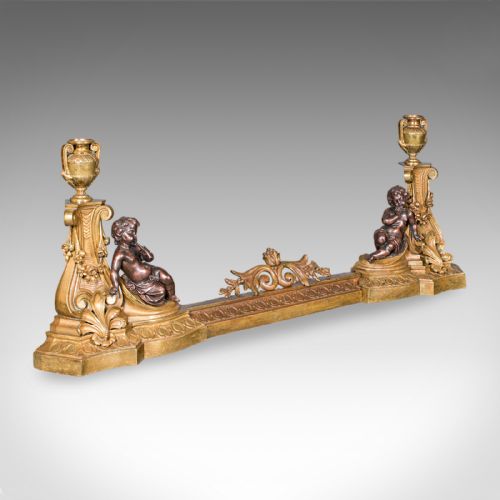
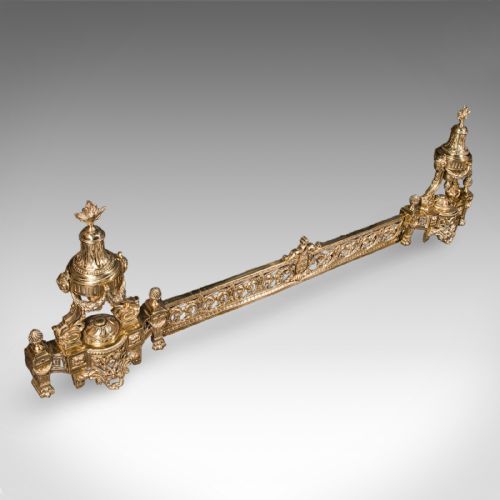
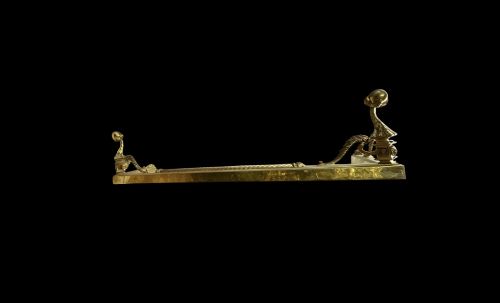
These Victorian brass fender rail pieces frame a hearth with genuine nineteenth-century character, offering period protection and structure for the fireplace.
Victorian Brass Fender Rail
When you search for a victorian brass fender rail, you encounter hearth furniture designed to contain embers and define the fireplace boundary. These pieces originate primarily from the nineteenth century, spanning Victorian and Edwardian periods.
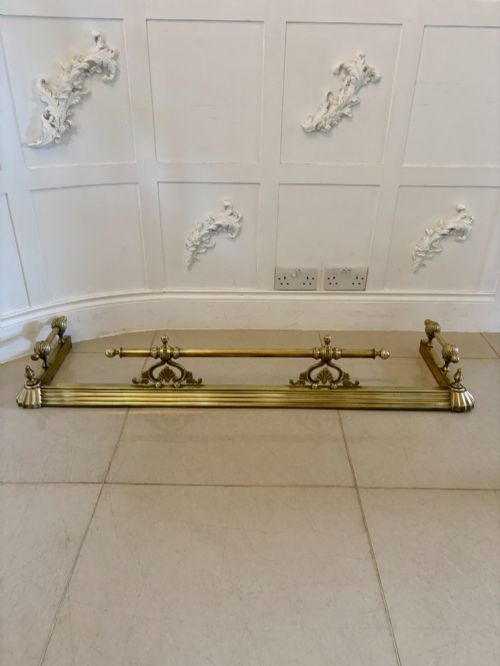
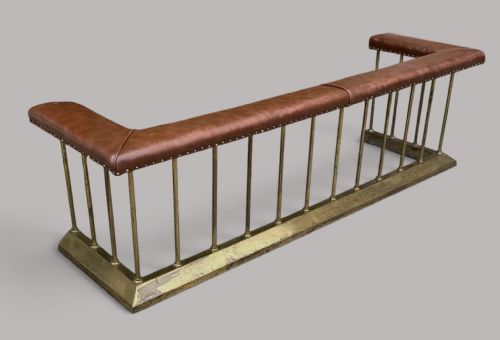
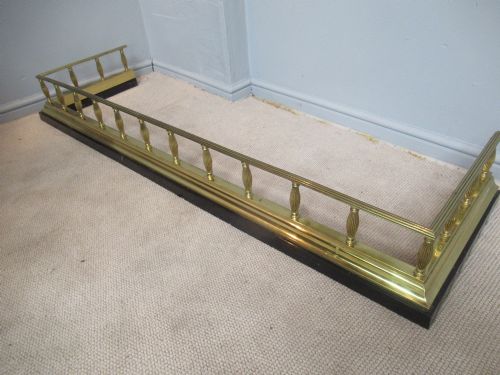
The selections on this page range from standard brass fire kerbs to elaborate club fenders featuring mature tan leather seating and nursery guards with integrated clothes rails. Common forms include pierced steel and brass frames, adjustable curbs, and designs incorporating iron, bronze, wire mesh, and copper.
Makers and designers drew upon neoclassical, Regency, and Art Nouveau styles to ornament these hearth accessories. You will find items adorned with lions, scrolled details, and polychromed finishes alongside heavy gauge practical rails.
How They Were Made
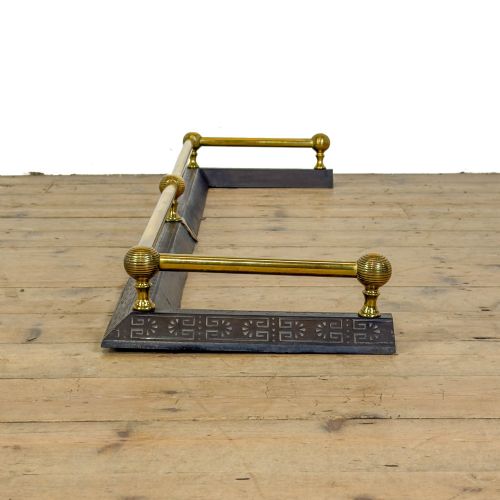
Craftsmen built these fenders using combinations of brass, iron, and steel, often pairing a bright brass rail with a heavier cast iron or black finish base. Selected examples incorporate bronze and gilt bronze elements for decorative emphasis.
Construction techniques involved heavy gauge metal casting, wire mesh weaving for nursery guards, and the integration of leather upholstery for club fenders. Artisans applied pierced metalwork, polychrome painting, and scrolling to shape the decorative surfaces.
Materials recorded across the inventory include brass, iron, steel, gilt bronze, wire mesh, cast iron, leather, and bronze.
What Varies In Quality
Quality rests upon the weight of the metal gauge and the integrity of the construction, distinguishing substantial heavy frames from lighter domestic variants. Superior examples display crisp casting details in the brass and iron work rather than soft or smoothed ornamentation.
The Victorian Brass Fender Rail Glossary
- Club fender
- A hearth accessory featuring a low metal frame padded with leather seats on top. This design allowed people to sit close to the fire in comfort.
- Nursery fender
- A tall protective guard enclosed with wire mesh to keep children away from flames. Certain versions include an integrated top rail for drying clothes.
- Fire kerb
- A low metal barrier fitted directly to the floor around the hearth to contain ash and rolling logs. It forms the basic structural boundary of the fireplace.
- Pierced fender
- A metal guard decorated with cutout patterns punched through the sheet material. This technique allowed heat to circulate while maintaining a decorative barrier.
Victorian Brass Fender Rail: Frequently Asked Questions
What is a club fender?
A club fender is a hearth accessory built with upholstered leather seats running along the top of the metal frame. This seating arrangement allowed Victorians to sit directly beside the fireplace.
The style became popular in large country houses and smoking rooms. It combined practical ember protection with comfortable fireside seating.
How do I use a nursery fender?
A nursery fender is placed around the fireplace to create a safe physical barrier for children and pets. The tall frame and wire mesh prevent accidental contact with hot embers.
Some variants include an integrated top rail specifically designed for warming or drying clothes. They offer practical utility beyond basic hearth containment.
What materials make up these fenders?
These pieces primarily utilise brass, cast iron, and steel in their construction. Secondary materials such as bronze, copper, wire mesh, and leather appear on specific forms.
Combination pieces frequently pair a polished brass top rail with a heavy black finish iron base. This mixture of metals provided both decorative appeal and structural weight.
How do I identify a Victorian fender?
Victorian fenders are identified through period manufacturing techniques, material combinations, and stylistic markers such as neoclassical, Regency, or Art Nouveau influences. Heavy gauge brass and cast iron construction typify the era.
Dates generally range across the nineteenth century into the Edwardian transition. Specific details like pierced metalwork and lions provide further period context.