




Victorian Brass Chain
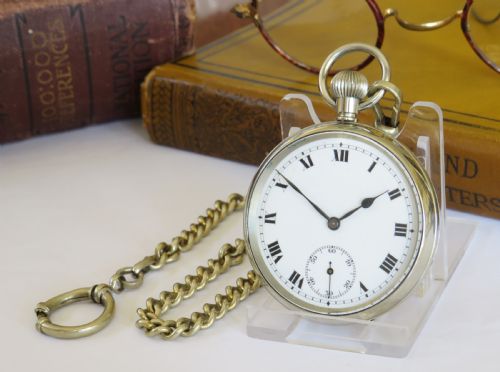
These pieces of victorian brass chain provide the mechanical linkage required by fusee clocks, lanterns, and household hardware from the nineteenth century.
Victorian Brass Chain
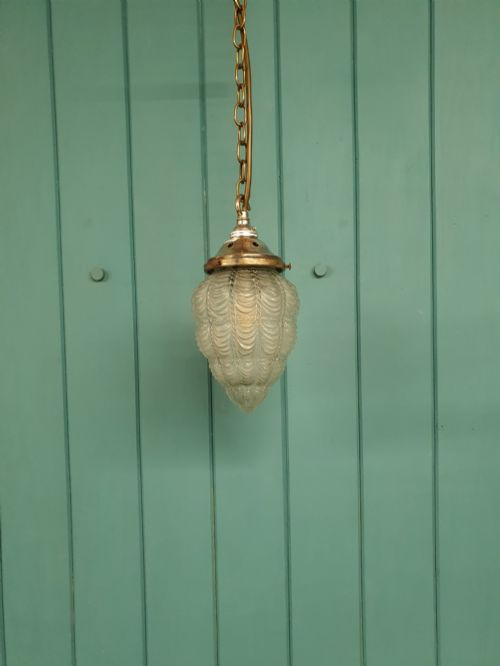
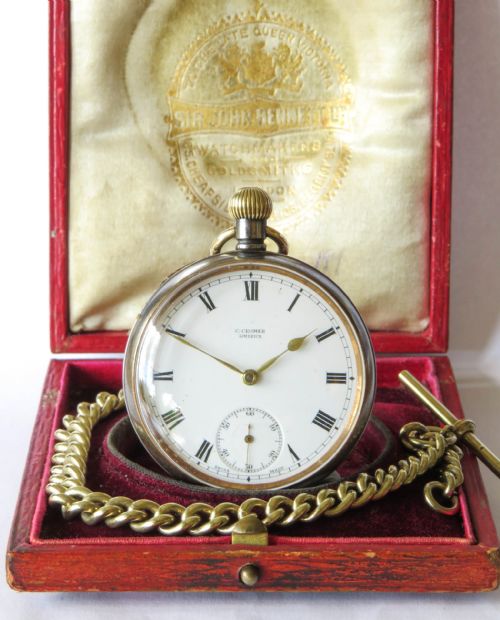
When you search for victorian brass chain, you encounter a specialised selection of mechanical connections and hanging hardware used primarily within nineteenth-century horology and lighting. The items on this page span several decades, linking weights to fusee clock movements, suspending glass pendants, or serving as functional household door security.
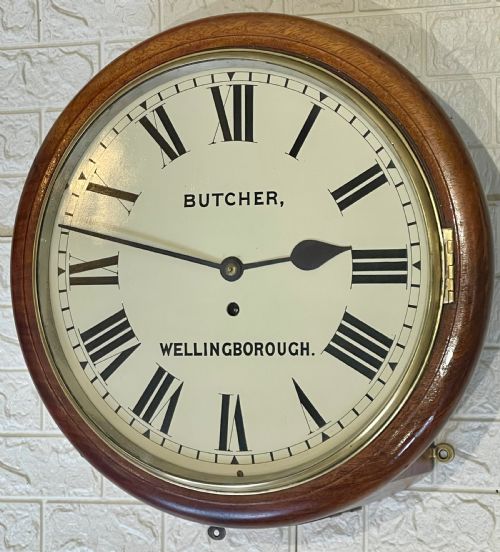
Most examples connect directly to the internal mechanics of wall clocks, mantel clocks, and library timepieces driven by chain fusee movements. Alongside these horological components, the selection includes brass door chains and suspension hardware associated with Victorian and Edwardian interiors.
Materials and construction
The objects combine brass wire links with steel components where high tensile strength is required for weight-driven clock mechanisms. Individual links are formed, shaped, and joined to articulate smoothly around fusee cones without binding.
Metalwork often displays period finishes such as fire gilding, ormolu, or patinated surfaces that complement the bronze, mahogany, oak, and satinwood cases they accompany.
Victorian Brass Chain Retail Price Guide 2026
Typical asking prices for victorian brass chain among the pieces listed under this phrase on Sellingantiques today, from the lower quarter to the upper quarter. They describe what is for sale here now, not the wider market.
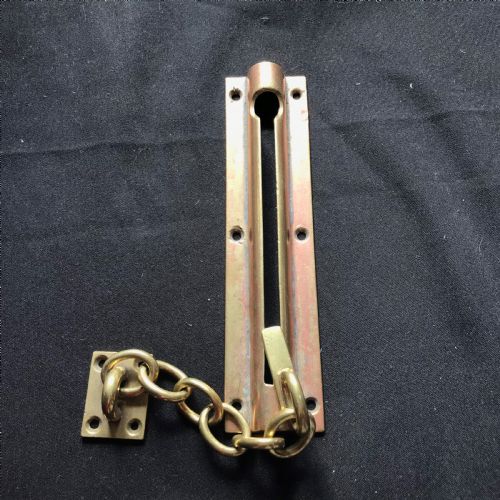
Even a humble door chain received decorative Victorian casting, ensuring intruders were met with solid brass and undeniable architectural flair.
Assessing quality
Quality rests upon the uniformity of the link formation, the gauge of the brass wire utilised, and the preservation of the original surface finish. Superior examples display precise articulation and minimal wear on bearing points where individual links pivot against one another.
The distinction between standard utility hardware and finer decorative components lies in the crispness of the casting, the absence of excessive stretching in the links, and the harmony between the chain and its associated clock movement or housing.
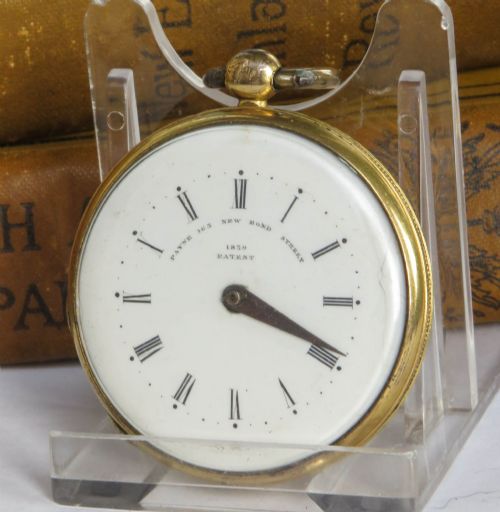
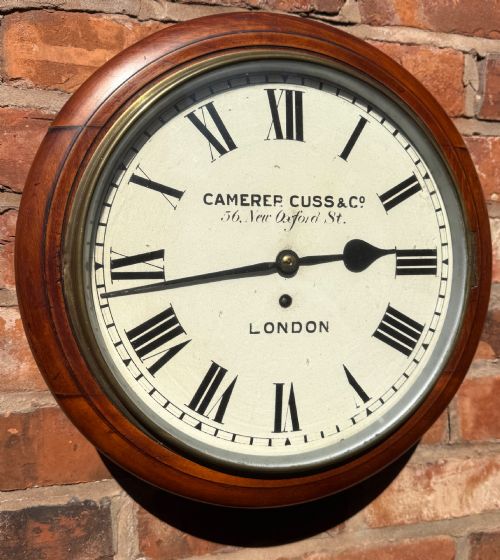
Camerer Cuss & Co London·Dent of London·Prescot Clock Co Prescot·Goldsmiths & Silversmiths London·Barraud & Lund London·Fisher Braithwaite·Payne & Co London
The Victorian Brass Chain Glossary
- Fusee
- A conical pulley with spiral grooves designed to maintain equal force on the clock train as the mainspring unwinds. It connects directly to the drive mechanism via a small metal chain.
- Ormolu
- Ground metallic gold applied to a bronze base object through a mercury amalgamation process. This technique creates a rich golden finish characteristic of nineteenth-century decorative metalwork.
- Dial
- The visible face of a clock where hours and minutes are indicated by hands. These are frequently surrounded by brass bezels and protective glass covers.
- Candelabra
- A branched candlestick holder designed to support multiple candles. Victorian examples frequently utilise cast brass, bronze, and gilded elements.
Victorian Brass Chain: Frequently Asked Questions
What does a chain fusee clock do?
A chain fusee movement uses a small metal chain to transmit power from the mainspring barrel to the gear train. The conical shape of the fusee compensates for the decreasing power of the spring as it unwinds.
This mechanical arrangement ensures the clock maintains consistent force and timekeeping accuracy throughout its running period.
How do I clean antique brass chain?
Antique brass components require gentle maintenance to preserve their historic surface patination. Dusting with a soft brush is usually sufficient for regular care.
Avoid harsh chemical dips or abrasive metal polishes, which strip away the aged surface layer and diminish the character of the metal.
Are these chains interchangeable between clocks?
Clock chains vary significantly in link pitch, gauge, and length depending on the specific manufacturer and the size of the fusee movement. Fitting a replacement requires matching the exact physical dimensions of the original link structure.
Using an incorrect chain can cause slipping on the fusee grooves and damage the delicate mechanism of the clock.
How do I identify a Victorian piece?
Nineteenth-century items exhibit specific manufacturing traits, such as hand-finished metal components, traditional joinery methods, and characteristic material pairings like brass, mahogany, and bronze. Maker signatures engraved on dials or movements often confirm the exact period of production.
Examining the wear patterns and construction techniques helps distinguish authentic nineteenth-century hardware from later reproductions.