
Victorian Bookcase Shelves
When you search for victorian bookcase shelves, you open a practical world of nineteenth-century timber storage built for growing home libraries.
Victorian Bookcase Shelves
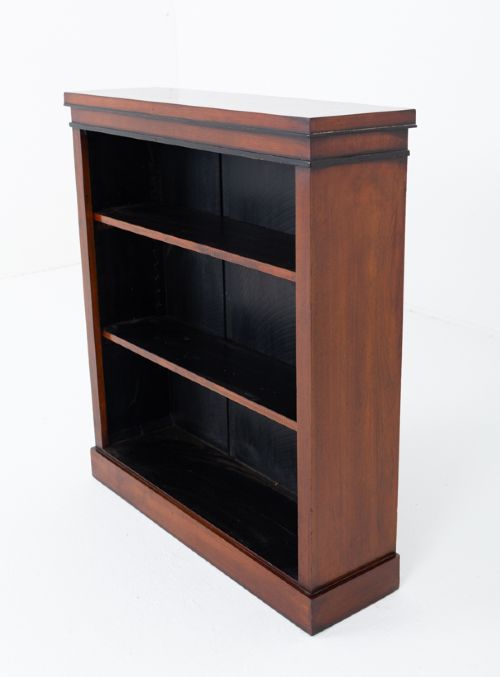
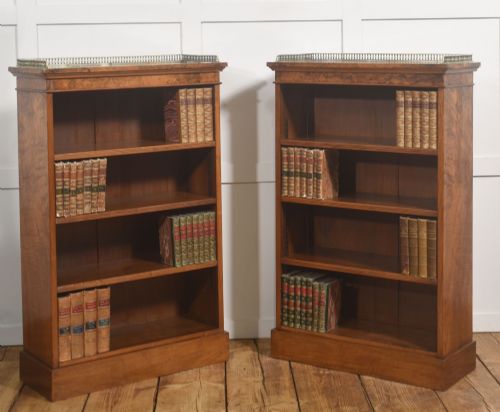
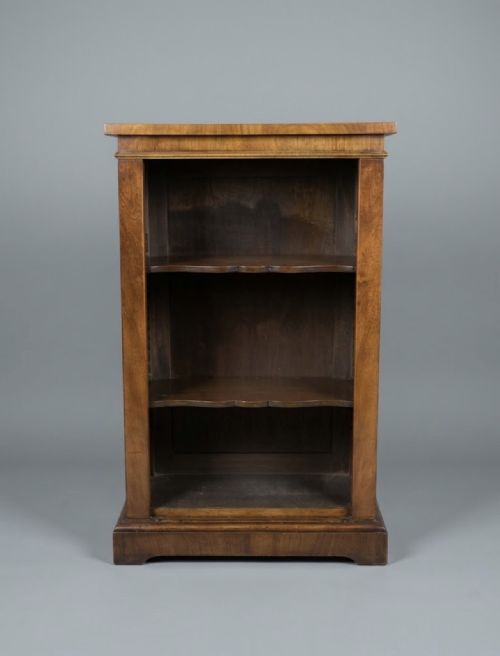
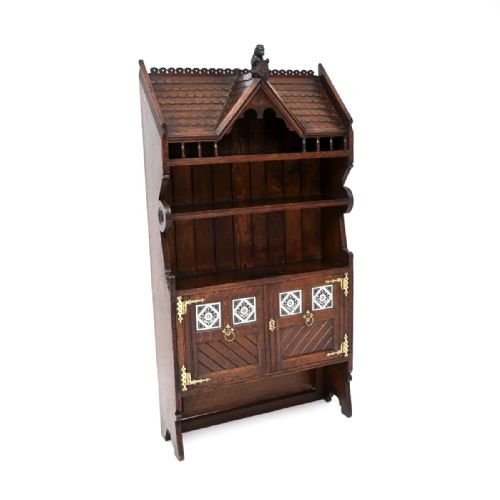
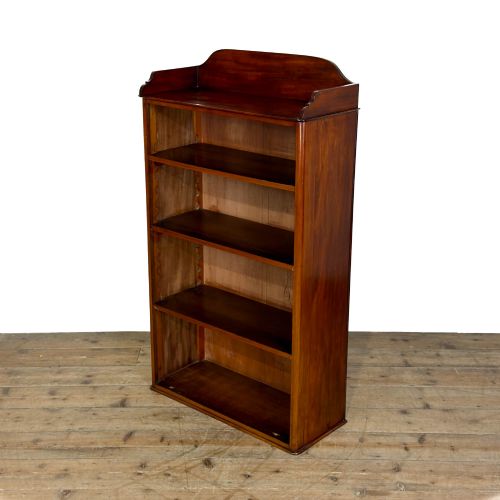
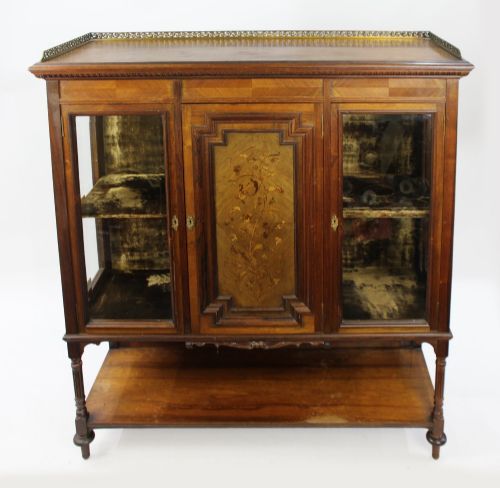
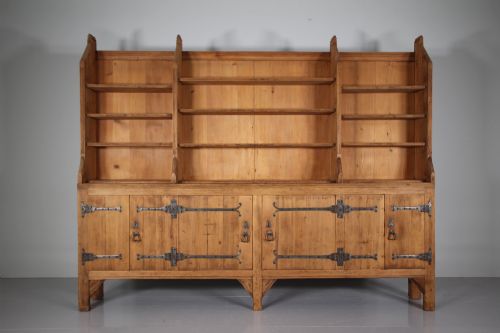
Victorian bookcase shelves span an era from the early nineteenth century through to nineteen twenty, covering low dwarf designs, tall freestanding units, and wall-hanging variations. The selections frequently include open-front formats alongside pieces fitted with cupboards or glazed doors, designed for domestic studies and living rooms.
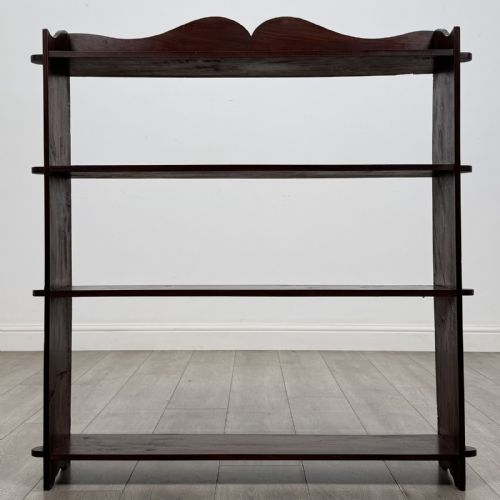
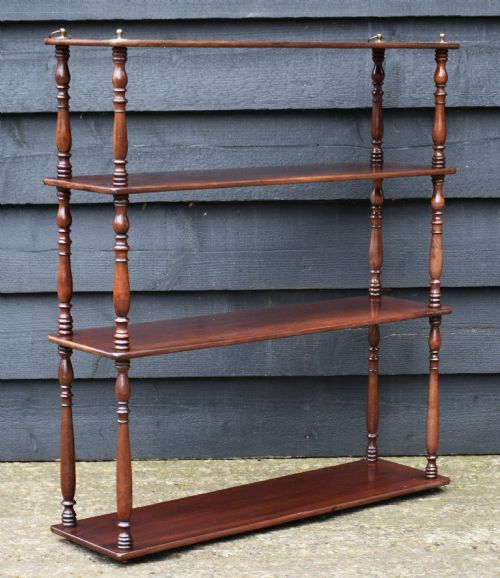
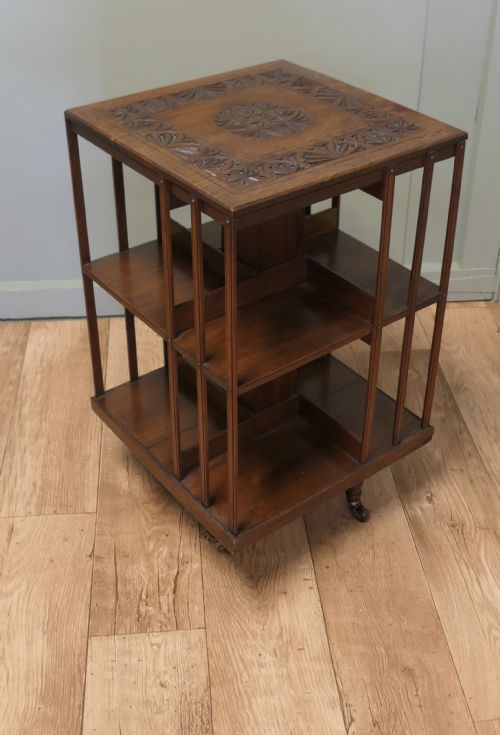
Makers utilised resilient hardwoods and softer pines, shaping formats like the revolving bookcase, the multi-tiered whatnot, and the wall-hung shelf alongside traditional library cases. Many versions incorporate adjustable shelving systems, reflecting a period requirement for housing books of varying octavos and folios.
Materials and Construction
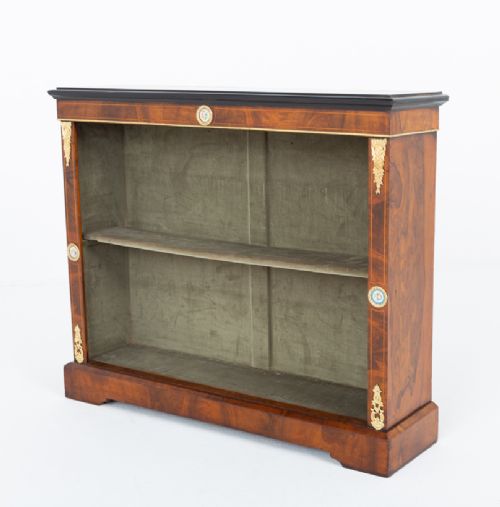
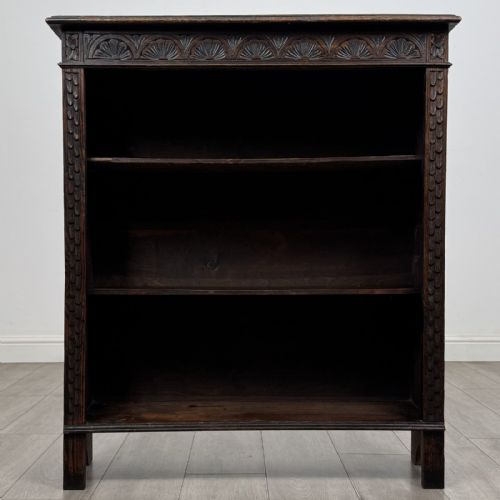
Timber selection dominated production, with rich mahogany, figured walnut, and heavy oak forming the primary carcasses. Cabinetmakers integrated brass for castors, hinges, and hanging brackets, whilst occasional pieces employed ormolu mounts, rosewood veneers, or ebonised details.
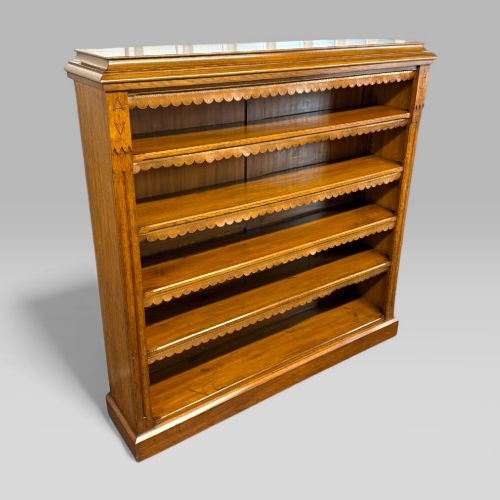
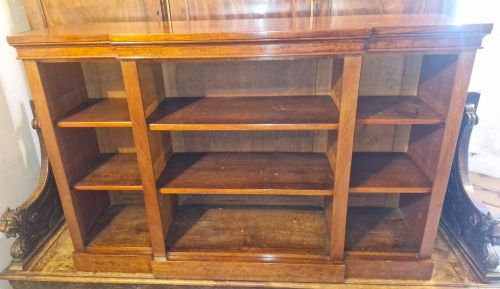
Joinery techniques prioritised sturdy frame construction to support heavy volumes, utilising solid backboards and robust shelf supports. Adjustable shelving relied on wooden ratchets, metal pegs, or notched interior uprights that allowed users to alter tier heights easily.
Listings feature woods spanning mahogany, oak, walnut, rosewood, burr walnut, pine, and padauk.
Evaluating Quality
Quality rests upon the selection of timber veneers and the crispness of any hand-carved ornamentation, such as foliate motifs or green man masks. Superior examples display carefully matched grain patterns across primary surfaces and well-proportioned cornices that balance the weight of the piece.
The sophistication of the internal mechanism dictates utility, notably in the smooth operation of adjustable shelf brackets or revolving bases. Integration of secondary woods, sound backing boards, and original brass hardware further separate standard utilitarian storage from finely commissioned library furniture.
Gabriel Viardot·Johnstone and Jeanes
The Victorian Bookcase Shelves Glossary
- Dwarf bookcase
- A low freestanding shelving unit designed to sit beneath picture rail height. These items often feature open fronts and adjustable internal tiers.
- Waterfall bookcase
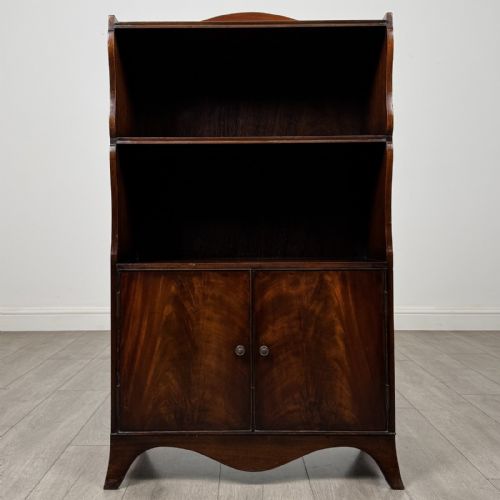
- A graduated set of shelves where each tier steps back from the one below it, creating a cascading profile. They appear in mahogany and walnut variations.
- Cartonnier
- A desktop filing cabinet or set of modular shelving compartments designed for papers and correspondence. These frequently incorporate leather labels or ormolu mounts.
- Whatnot
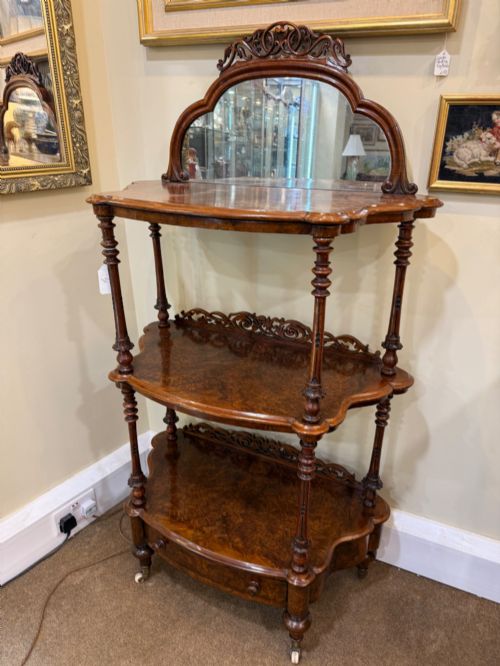
- A multi-tiered open piece of furniture designed for displaying ornaments, small books, and curiosities. They often stand on turned columns or barley twist supports.
- Ormolu
- Gilded bronze ornamentation applied to furniture surfaces. This decorative technique appears on French-influenced Victorian and Regency styles.
Victorian Bookcase Shelves: Frequently Asked Questions
How do I adjust wooden shelves?
Most nineteenth-century library furniture utilises a system of vertical wooden ratchets or metal shelf studs housed inside the interior side panels. You simply lift the shelf slightly, reposition the supporting pegs into alternate slots, and lower the board back into place.
Older timber can bind slightly within its housing grooves through seasonal humidity changes. Apply gentle, even pressure when lifting the boards to prevent damaging the interior veneer or support brackets.
Were these shelves made for books?
Cabinetmakers constructed these pieces primarily to house private domestic libraries, which expanded rapidly during the nineteenth century. Adjustable tiers allowed households to accommodate varying publication sizes, from pocket novels to large leather-bound folios.
Many formats also served secondary domestic roles for displaying decorative ceramics, folios, and household papers. Pieces like whatnots and revolving units bridged the gap between functional storage and formal drawing-room display.
Can these bookcases stand on carpet?
Freestanding units possess considerable weight and require a level foundation to maintain structural stability. Placing heavy timber cabinets on thick carpets can cause the base plinth to sit unevenly, placing stress on vertical joints.
Many taller formats include original brass castors that help distribute weight and facilitate movement across floor coverings. Ensure the piece remains level to prevent doors from binding and to keep adjustable shelves resting securely.
How are walnut and mahogany distinguished?
Mahogany typically exhibits a reddish-brown tone with a straight, tight grain that deepens in warmth over decades. Walnut displays a darker, more varied grain pattern featuring rich chocolate hues and complex burr figuring.
Both timbers served as primary materials for nineteenth-century cabinetmakers responding to changing interior design fashions. Examining the interior lining boards and secondary timbers helps confirm the dominant wood used in the carcass construction.