


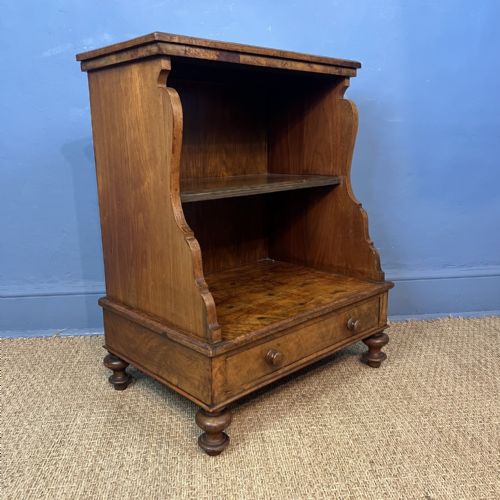


Victorian Book Storage
Victorian book storage spans sturdy mahogany library cases and compact walnut tabletops designed to keep volumes organised.
Victorian Book Storage
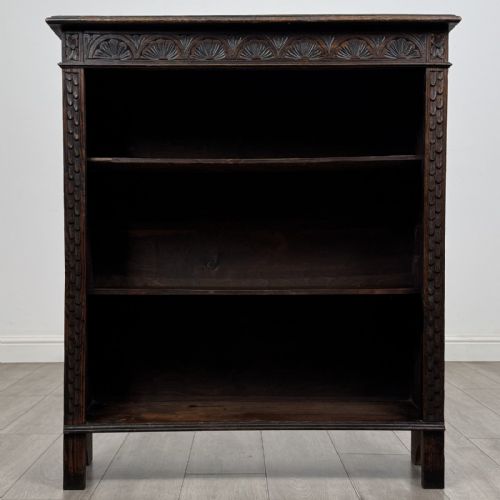
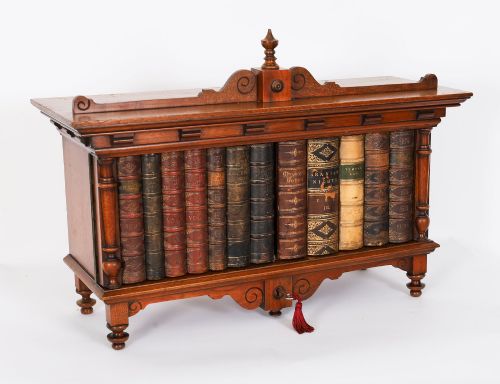
Victorian book storage encompasses a variety of timber furniture items designed for housing volumes, from open bookcases and library cabinets to tabletop collectors' cabinets and tiered whatnots. Buyers searching this phrase encounter substantial two-section library bookcases alongside smaller occasional pieces such as narrow bookcases and revolving book stands.
The pieces originating from this period reflect diverse stylistic influences including Gothic Revival, Victorian Renaissance Revival, and Regency adaptations. Most examples utilise dense native or imported timbers, often incorporating adjustable shelves, glazed doors, or compartmentalised interiors tailored for domestic libraries and studies.
How they were made
Cabinet makers constructed these storage items primarily using solid and veneered timbers such as mahogany, oak, walnut, and rosewood. Joinery techniques relied on traditional dovetailed joints for drawers and mortise and tenon frames for structural stability.
Surface ornamentation involved carved detailing, inlay work, and ebonised highlights, occasionally complemented by brass hardware, glass panels, and leather trims. Carved motifs range from geometric mouldings to elaborate figural elements like Green Man designs.
Victorian Book Storage Retail Price Guide 2026
Typical asking prices for victorian book storage among the pieces listed under this phrase on Sellingantiques today, from the lower quarter to the upper quarter. They describe what is for sale here now, not the wider market.
What varies in quality
Quality in these storage pieces depends heavily on the selection of timber and the precision of the cabinet work. Dense burr veneers, finely figured grain patterns, and deeply carved architectural details distinguish superior examples from plain utilitarian alternatives.
Construction methods also set pieces apart, notably the presence of secondary timbers, hand-dovetailed drawer linings, and original functional hardware such as brass locks and adjustable shelf ratchets.
Gillows
The Victorian Book Storage Glossary
- Whatnot
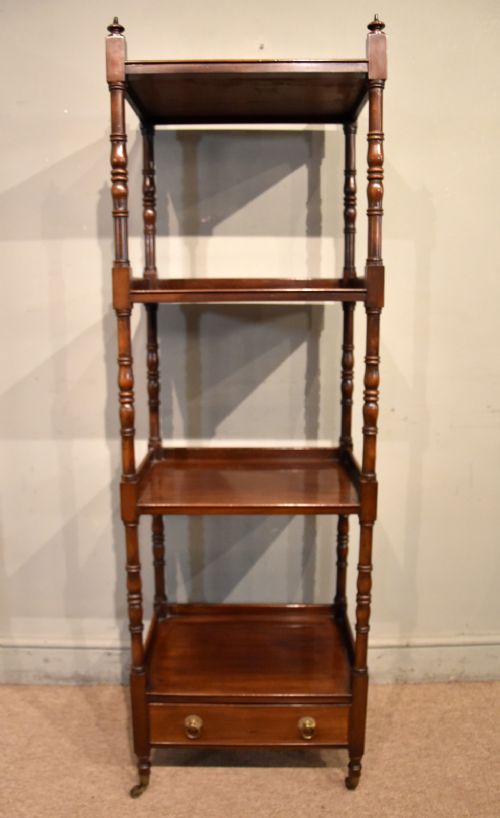
- A set of open tiered shelves used for displaying or storing books and decorative objects. These multi-tiered items typically stand on slender upright supports.
- Library bookcase
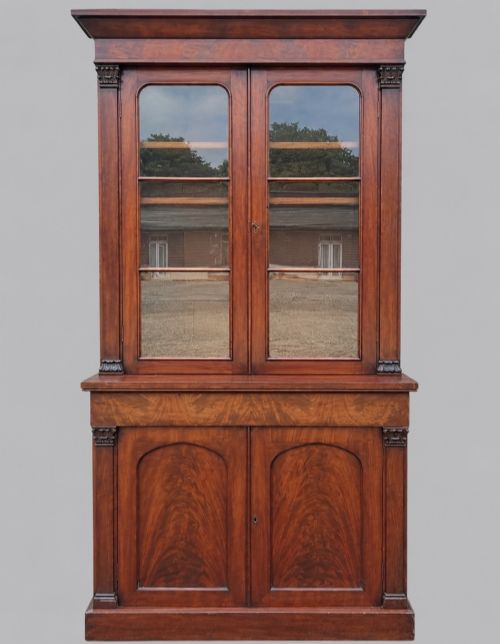
- A large, often two-part cabinet designed for housing substantial book collections. They frequently feature enclosed lower cupboards with glazed upper display doors.
- Collector's cabinet
- A specialised piece of furniture featuring small drawers or compartments designed to hold specimens or small volumes. Tabletop versions allow for compact surface placement.
- Revolving bookcase
- A freestanding small bookcase mounted on a pivot mechanism allowing rotation. This form provides easy access to books from multiple seating angles.
Victorian Book Storage: Frequently Asked Questions
Where should I place a large library bookcase?
Large library bookcases suit studies, living rooms, or home libraries with adequate wall space and stable environmental conditions. Avoid positioning timber furniture directly beside heat sources to prevent wood splitting.
Ensure the floor bears the considerable weight of solid mahogany or oak framing combined with heavy rows of books.
How do I maintain wood finishes on antique cabinets?
Dust shelves and exterior surfaces regularly with a soft, dry cloth to prevent abrasive particle buildup. Apply traditional beeswax periodically to nourish antique mahogany, walnut, or oak finishes.
Avoid commercial silicone sprays or liquid polishes that can damage older French polish or waxed surfaces.
Are shelves in these bookcases usually adjustable?
Many period bookcases feature adjustable shelving systems utilising wooden ratchets, brass pegs, or metal track strips. This adaptability accommodates varying book heights within the cabinet sections.
Fixed shelves do appear in smaller or more utilitarian pieces built during the nineteenth century.
What is the difference between open and enclosed bookcases?
Open bookcases provide immediate access to volumes without doors, suiting everyday reading material. Enclosed cabinets utilise wooden or glass panel doors to protect older bindings from dust and light.
Glazed upper sections allow visibility while keeping the interior secure and orderly.