



Victorian Bobbin Side Table
A victorian bobbin side table combines utilitarian warmth with intricate spindle-turning, offering a compact surface suited to any interior.
Victorian Bobbin Side Table
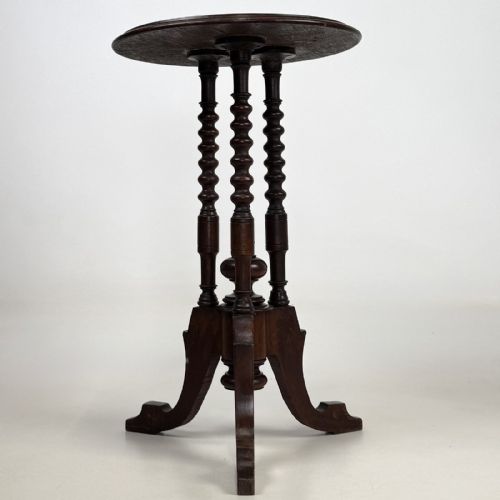
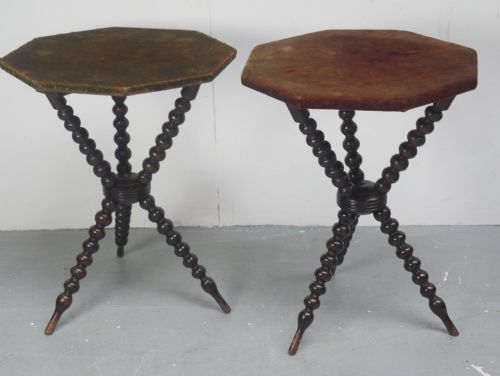
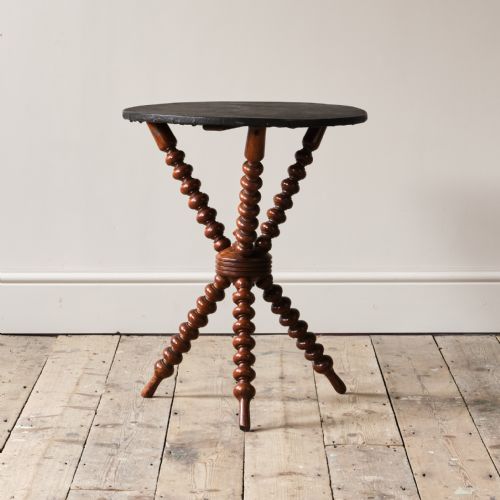
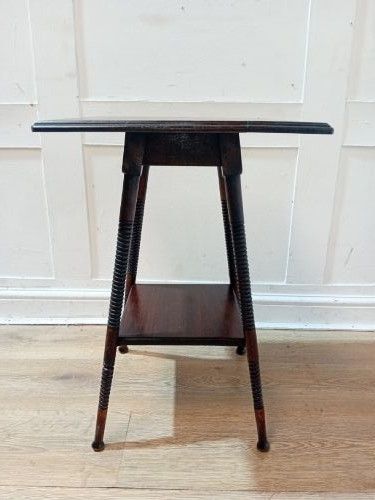
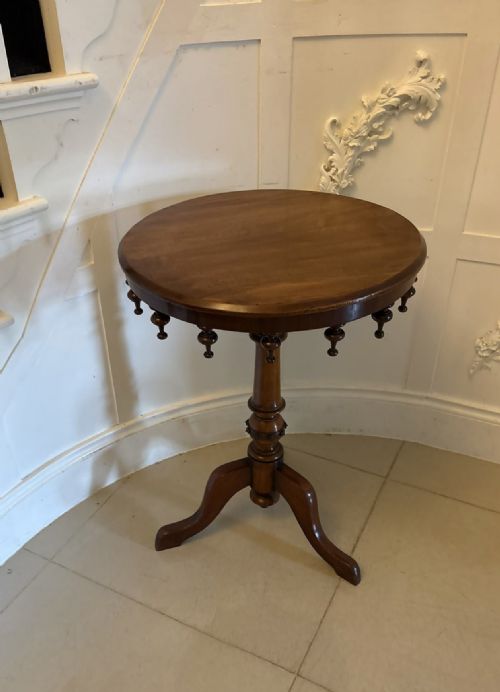
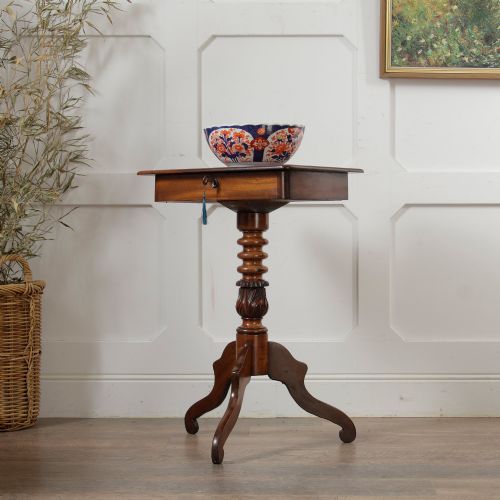
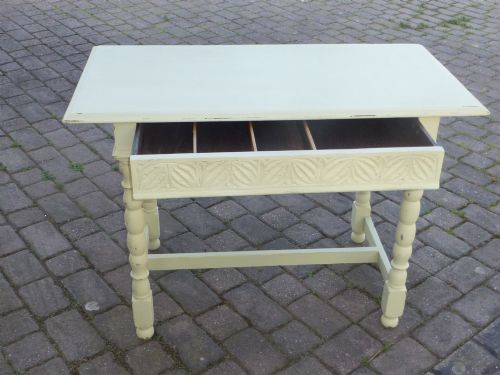
A victorian bobbin side table typically presents as a compact occasional, hall, or lamp table designed for domestic utility and display. The search phrase covers pieces spanning the nineteenth century and into the Edwardian era, incorporating styles from Aesthetic Movement to Arts and Crafts.
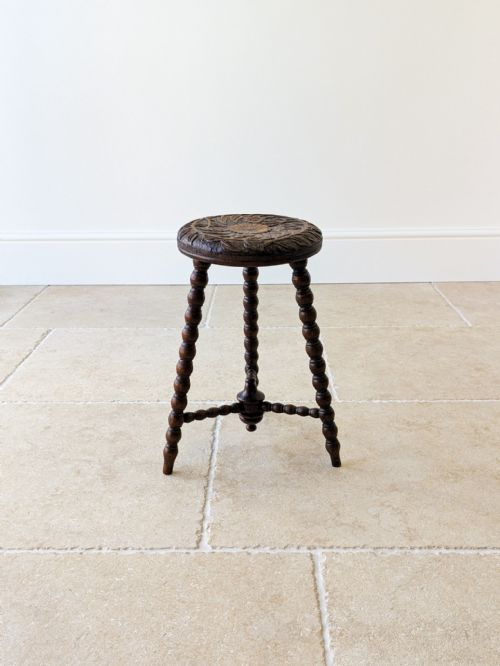
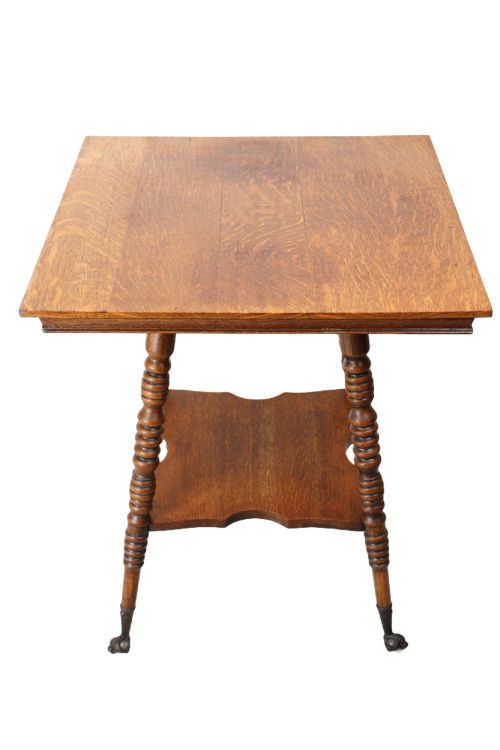
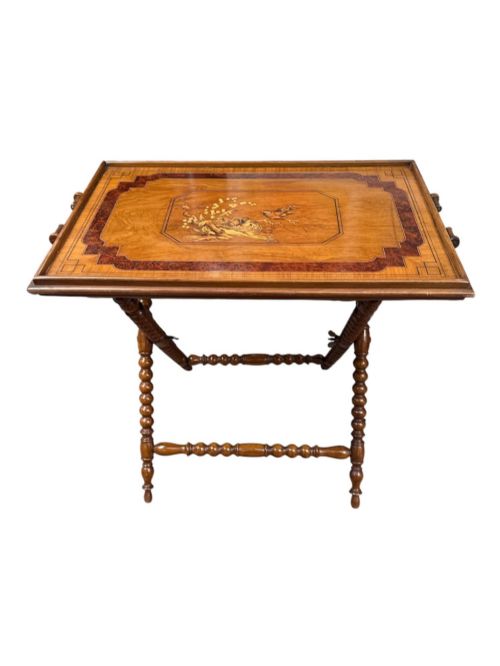
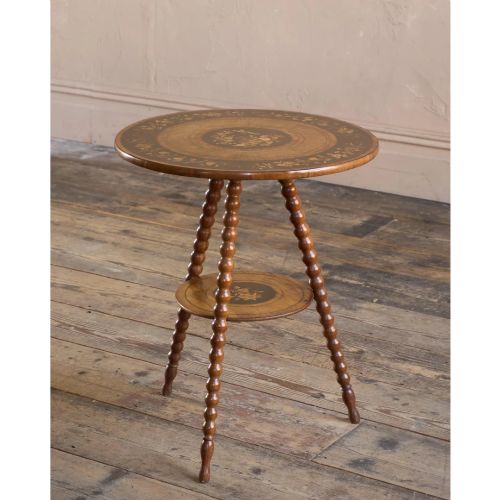
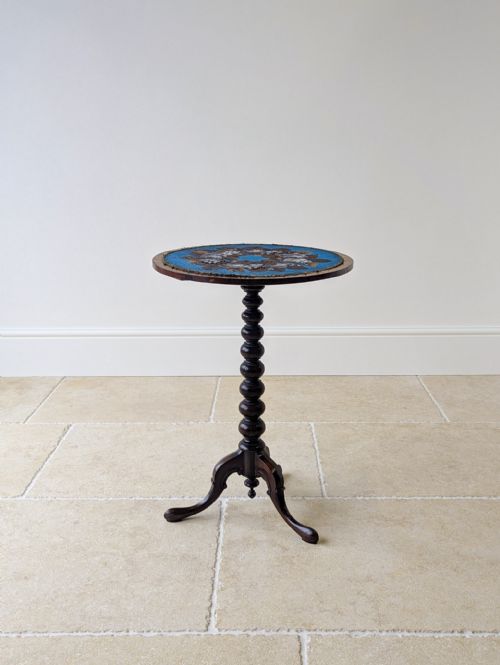
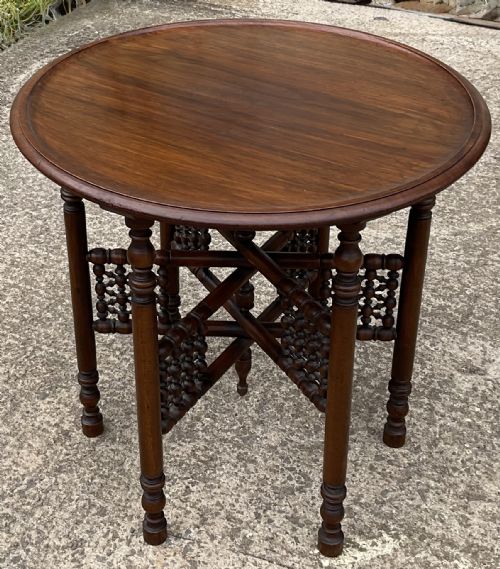
Makers utilised various formats, from standard four-legged side tables to folding gipsy tables and tiered occasional pieces. Oak and walnut form the backbone of these selections, often enhanced by turned spool or bobbin legs that define the silhouette.
Craftsmanship and Material Depth
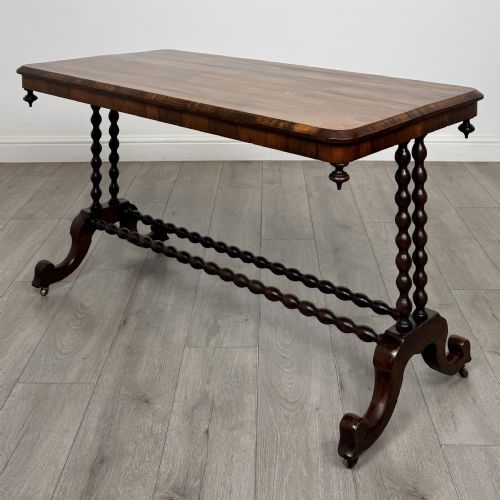
Quality rests in the crispness of the wood turning and the selection of timber figures, such as burr walnut or quarter-sawn oak. Uniformity across the bobbin spindles indicates skilled lathe work, whereas irregular spacing or clumsy joints lower the standard.
The integrity of the underlying structure, including tight stretchers and solid drawer construction where applicable, separates everyday utility items from finer workshop productions.
Victorian Bobbin Side Table Retail Price Guide 2026
Typical asking prices for victorian bobbin side table among the pieces listed under this phrase on Sellingantiques today, from the lower quarter to the upper quarter. They describe what is for sale here now, not the wider market.
Dates span from the Regency era through the Victorian period and into the early twentieth century, encompassing occasional, console, and sewing tables.
LIBERTY of LONDON·WILLIAM BIRCH
The Victorian Bobbin Side Table Glossary
- Bobbin turning
- A form of woodturning that creates a series of rounded, spool-like shapes along the length of a leg or stretcher. This technique gained popularity during the seventeenth century and saw a major revival in the Victorian period.
- Gipsy table
- A lightweight occasional table featuring a cloth-draped or plain wooden top supported by three turned legs. These pieces became fashionable during the late nineteenth century for informal drawing rooms.
- Stretcher
- A horizontal wooden bar connecting the legs of a table to provide structural stability. On these tables, stretchers frequently repeat the bobbin-turned motif found on the uprights.
- Marquetry
- The art of applying decorative pieces of veneer to a structure to form intricate patterns or pictures. Examples in this category often feature floral or geometric wooden inlays on the table top.
Victorian Bobbin Side Table: Frequently Asked Questions
Where were these tables used?
These tables served multiple functions in nineteenth-century homes, acting as lamp stands in hallways, writing surfaces in parlours, or display tables for decorative ornaments. Their compact dimensions allowed them to fit easily into tight corners or beside seating.
Lighter versions, such as gipsy tables, were easily moved from room to room depending on daily domestic needs.
What woods are most common?
Oak and walnut appear most frequently in the construction of these tables, providing a sturdy framework for the turned elements. Mahogany also occurs across several regional workshops.
Many pieces feature ebonised finishes or painted surfaces, reflecting the aesthetic preferences of the late nineteenth century.
Are these tables sturdy?
Solid hardwood construction ensures that most surviving examples remain stable for daily use. The inclusion of lower stretchers between the legs helps distribute weight and prevents wobbling.
Heavier oak and walnut versions handle everyday placement of lamps and books easily, while lighter three-legged occasional formats suit gentler placement.