



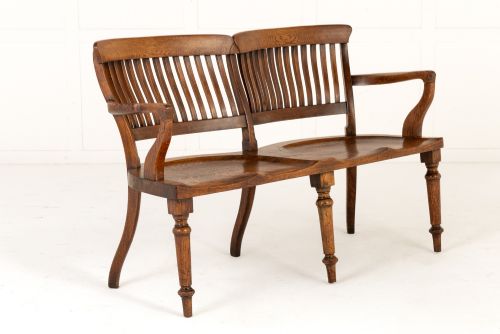
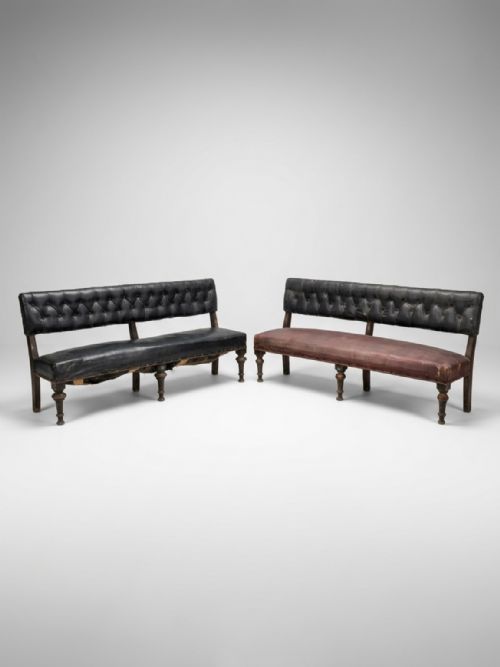
Victorian Bench
A victorian bench brings solid nineteenth-century craftsmanship into a hallway or garden, offering sturdy seating with genuine period character.
Victorian Bench
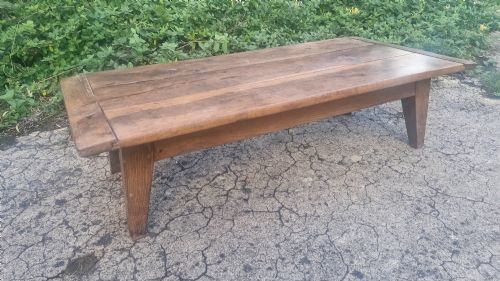
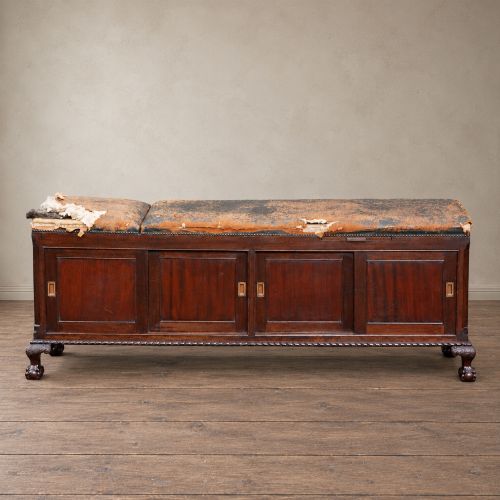
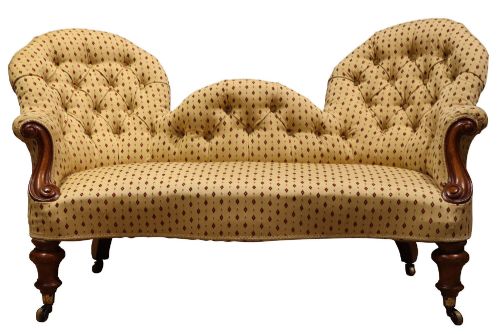
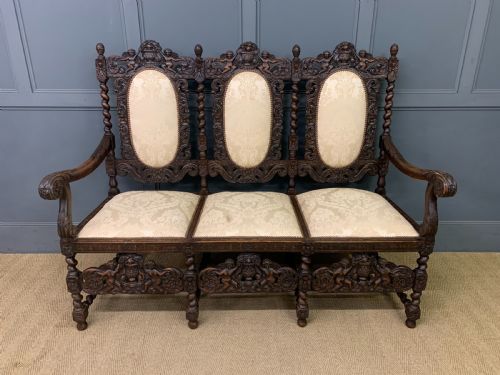
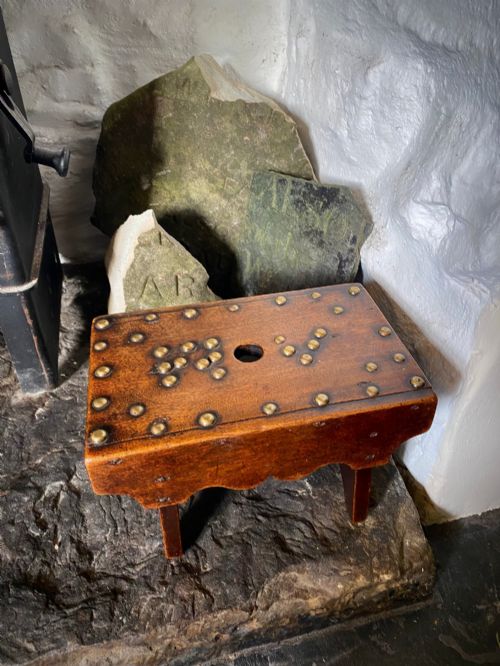
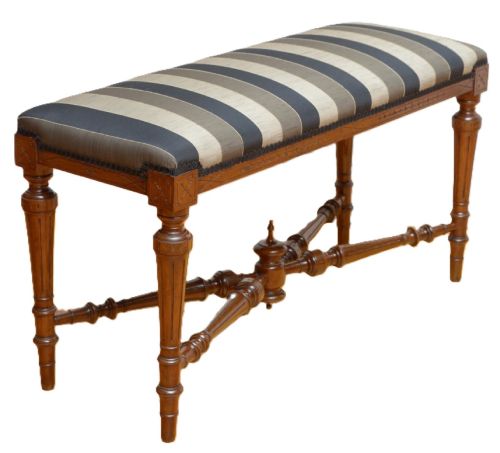
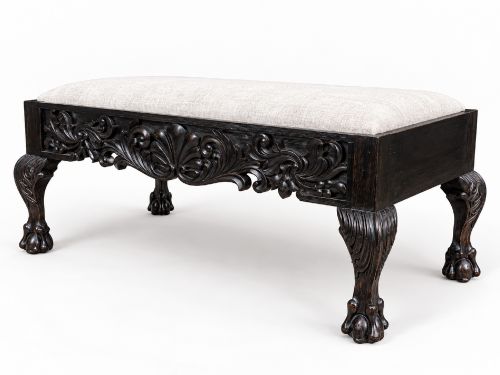
When searching for a victorian bench, buyers encounter a wide variety of nineteenth-century seating designed for both interior spaces and outdoor grounds. The selection spans robust oak hall benches for entranceways, ornate cast iron seats for gardens, and versatile stools or settees originating primarily from the nineteenth century.
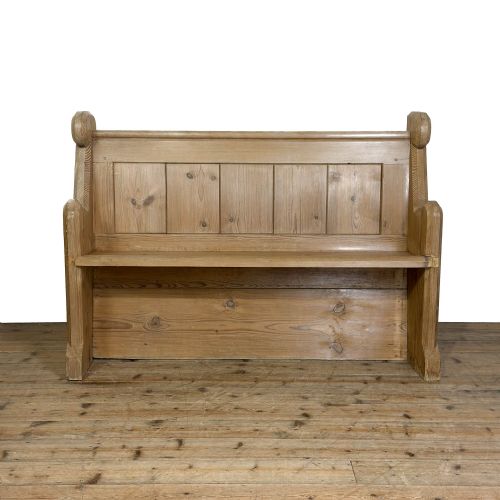
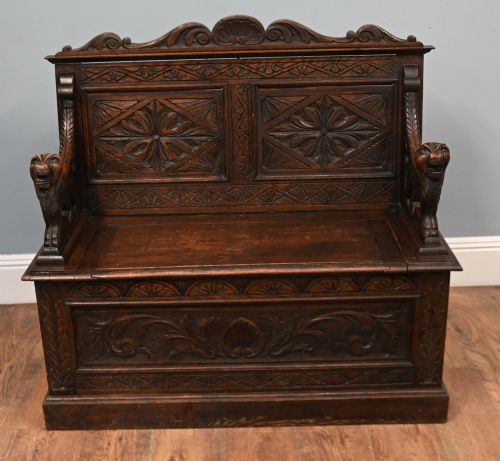
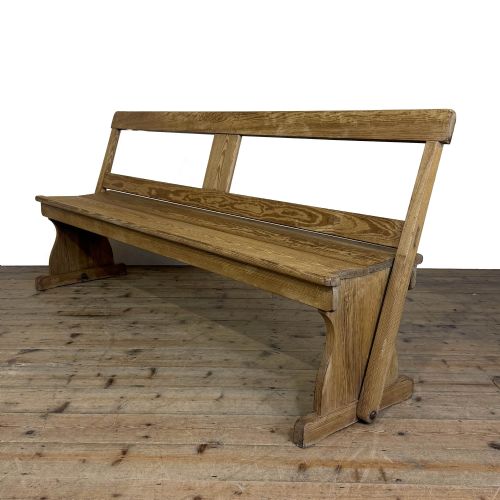
The most common examples met on this page include heavy carved oak hall benches intended for grand hallways, alongside durable cast iron garden benches featuring botanical motifs. Pieces range from straightforward pine church pews to finely inlaid mahogany and walnut settees created during the Victorian and Edwardian eras.
Materials and construction methods
Makers utilised a combination of hardwoods and metals, shaping oak, mahogany, walnut, and rosewood for indoor furniture while casting robust iron for outdoor use. Timber frames frequently feature detailed hand-carved panels, intricate inlay work, or turned supports characteristic of nineteenth-century cabinet making.
Garden pieces rely heavily on durable cast iron, often moulded into complex botanical patterns like blackberry and leaf designs. Upholstered versions incorporate traditional textiles such as chenille, leather, and crewelwork to provide comfortable padded seating on stools and window seats.
Victorian Bench Retail Price Guide 2026
Typical asking prices for victorian bench among the pieces listed under this phrase on Sellingantiques today, from the lower quarter to the upper quarter. They describe what is for sale here now, not the wider market.
Materials recorded across the inventory include durable cast iron, brass, fabric, and numerous hardwoods such as oak, mahogany, walnut, and rosewood.
Distinctions in construction and design
The tier of a piece depends heavily on the depth and crispness of its hand-carving, the selection of figured timbers like burr maple or rosewood, and the reputation of the workshop involved. Finer examples display meticulous joinery and well-defined decorative motifs rather than simplified, mass-produced detailing.
Structural integrity and the retention of original materials also separate standard items from superior pieces. Original hardware, unaltered frames, and period-appropriate upholstery or ironwork command higher regard than heavily repaired or substituted components.
James Shoolbred·Brown and Lamont·Falkirk Carron Foundry
The Victorian Bench Glossary
- Hall bench
- A heavy wooden seat traditionally placed in an entrance hall, often incorporating storage compartments or high panelled backs.
- Settee
- A medium-sized upholstered or wooden bench with a back and arms, designed to seat multiple people comfortably.
- Cast iron
- An iron-carbon alloy poured into moulds to create rigid, highly detailed garden furniture and structural frames.
- Gothic Revival
- A nineteenth-century architectural and decorative style drawing inspiration from medieval forms, pointed arches, and heavy tracery.
- Inlay
- A decorative technique where contrasting materials such as lighter woods or brass are inserted into recesses within a solid wood surface.
Victorian Bench: Frequently Asked Questions
Where should I place a wooden hall bench?
A wooden hall bench suits an entranceway or boot room, providing a practical spot for putting on shoes while setting a welcoming tone for guests.
Many examples include built-in storage beneath the seat or high panelled backs that protect hallway walls from everyday wear.
How do I care for cast iron garden benches?
Cast iron garden furniture requires protection from prolonged moisture to prevent surface oxidation and rust from damaging the intricate botanical mouldings.
Applying a suitable protective coating and storing the bench under cover during harsh winter months preserves the metalwork and original paint.
How do I identify a Gothic Revival piece?
Gothic Revival furniture is distinguished by architectural motifs borrowed from medieval design, including pointed arches, trefoils, and heavy structural framing.
These pieces typically utilise dark oak and display solemn, imposing proportions that reflect nineteenth-century romanticism.