

Victorian Bench Legs
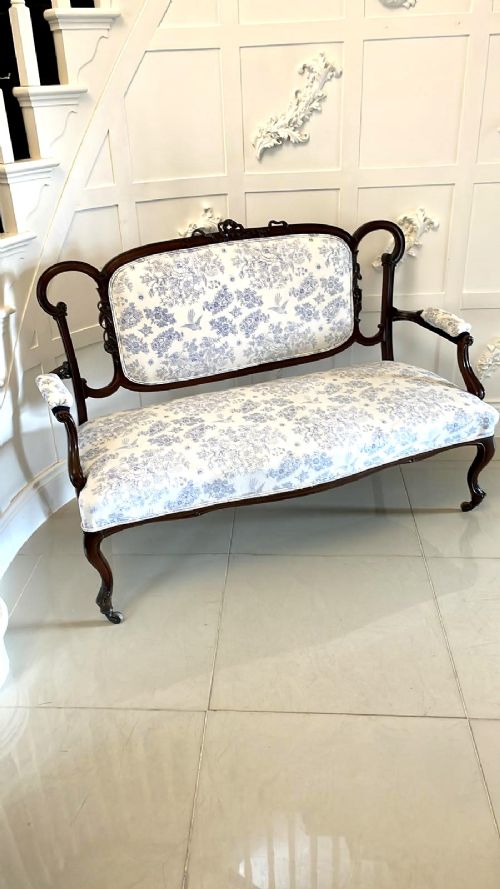
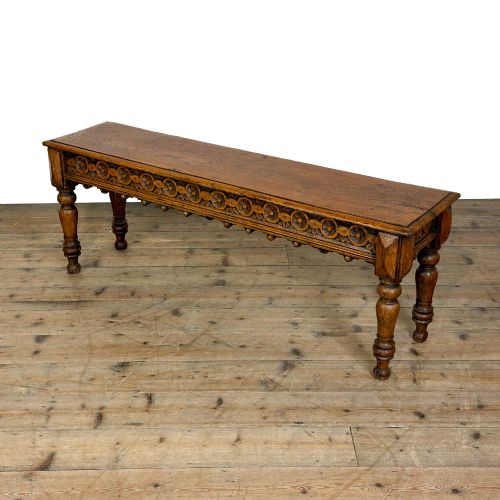
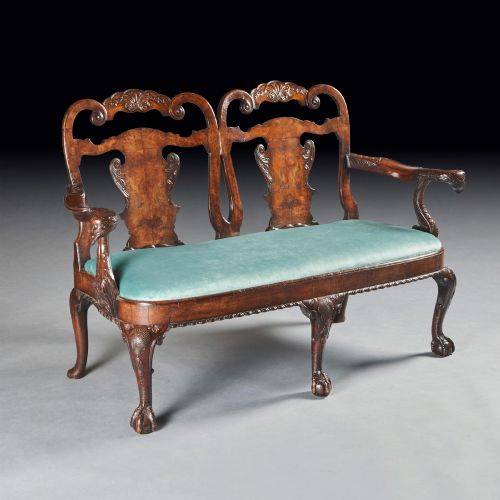
These Victorian bench legs and associated supports anchor seating forms like window seats and hall benches built across the nineteenth century.
Victorian Bench Legs
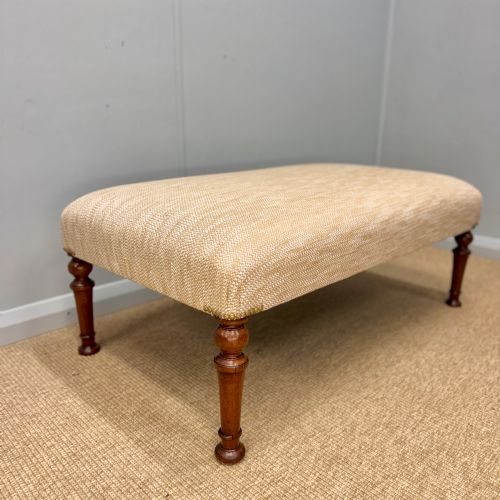
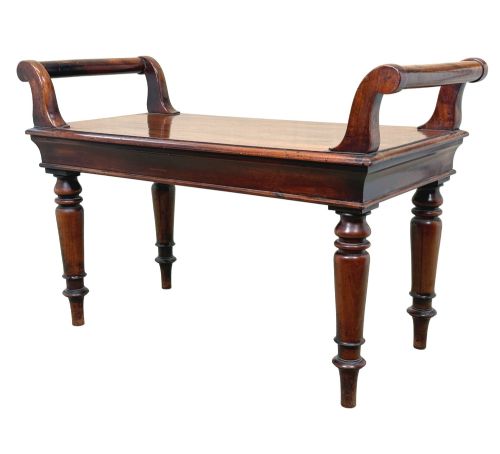
When you search for Victorian bench legs, you encounter structural timber supports salvaged from nineteenth-century seating forms, including window seats, long benches, and dressing table stools. These architectural components typically reveal the solid woods and turning methods characteristic of the period.
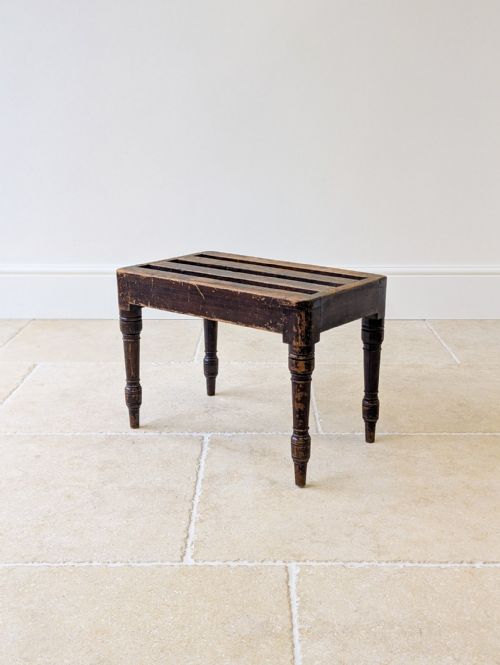
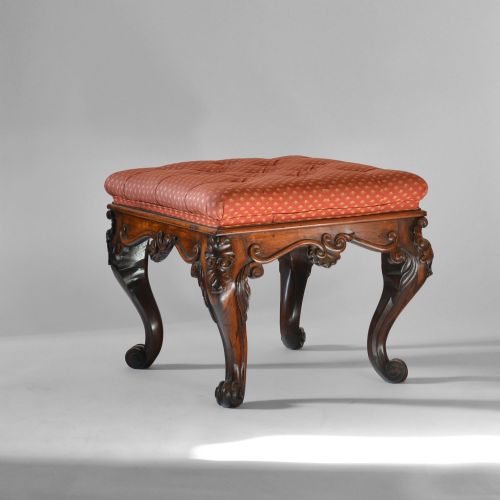
The pieces on this page span the 1850s to the close of the century, appearing in walnut, mahogany, and oak. Many survive attached to fragments of footstools, window seats, or luggage stands, reflecting the varied domestic seating arrangements of the era.
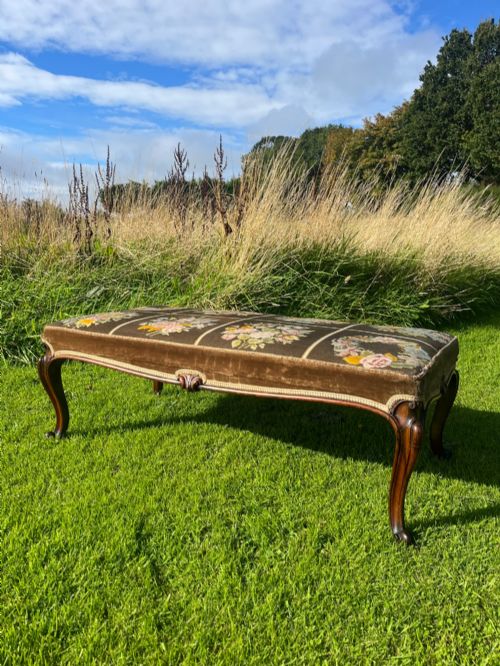
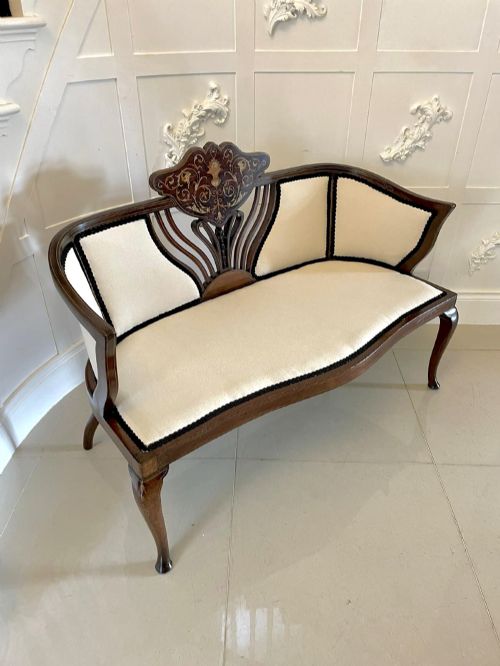
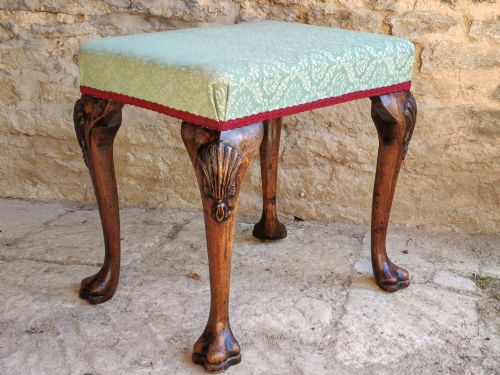
Makers and workshops utilised dense hardwoods to bear weight, leading to sturdy survivals. You are most likely to meet cabriole shapes, turned uprights, and plain chamfered posts adapted from larger settees, couches, and hall furniture.
Materials and construction methods
Cabinet makers relied on timbers such as mahogany, walnut, and rosewood, shaping the material by hand or with early mechanical lathes. Grain alignment mattered significantly for strength, ensuring the load-bearing uprights could withstand continuous pressure.
Joinery techniques involved mortise and tenon joints, dowels, and occasionally cast-iron reinforcement for heavy tables and benches. Surfaces were typically finished with hand-rubbed polish or wax to seal the wood while highlighting the natural figuring of the timber.
Victorian Bench Legs Retail Price Guide 2026
Typical asking prices for victorian bench legs among the pieces listed under this phrase on Sellingantiques today, from the lower quarter to the upper quarter. They describe what is for sale here now, not the wider market.
Even prayer stools needed sturdy legs.
Assessing quality in period supports
The caliber of a support depends on the crispness of the carving and the selection of the timber. Dense, highly figured walnut or rosewood signifies a superior commission compared to plain secondary softwoods.
Structural integrity dictates the utility of these remnants. Solid joint construction and original brass castors elevate an example, whereas excessive timber shrinkage or crude secondary repairs diminish the integrity of the piece.
Charles Nosotti·Brown and Lamont
The Victorian Bench Legs Glossary
- Cabriole leg
- A furniture support that curves outward and then tapers inward, finishing in a pad or foot. This stylistic feature appears frequently on mid-nineteenth-century stools and window seats.
- Luggage stand
- A low wooden bench fitted with webbing or slats designed for holding travel bags at bed end. These items share construction traits with standard domestic benches.
- Window seat
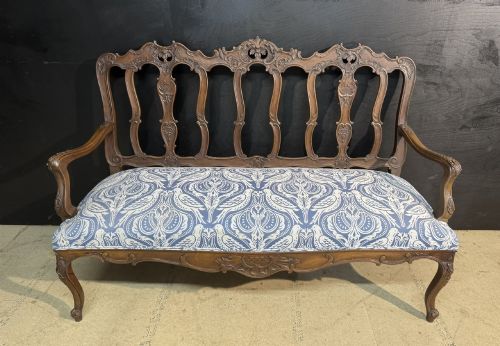
- A long, upholstered or wooden bench designed to fit within a bay or recess. They provide narrow seating raised on substantial turned or carved legs.
- Ebonised
- Timber treated with a dark stain or chemical process to imitate ebony. This finish was common on nineteenth-century seating and framework.
- Castor
- A small wheel attached to the base of a furniture leg for ease of movement. Many period examples retain original brass mountings.
Victorian Bench Legs: Frequently Asked Questions
What were Victorian bench legs made from?
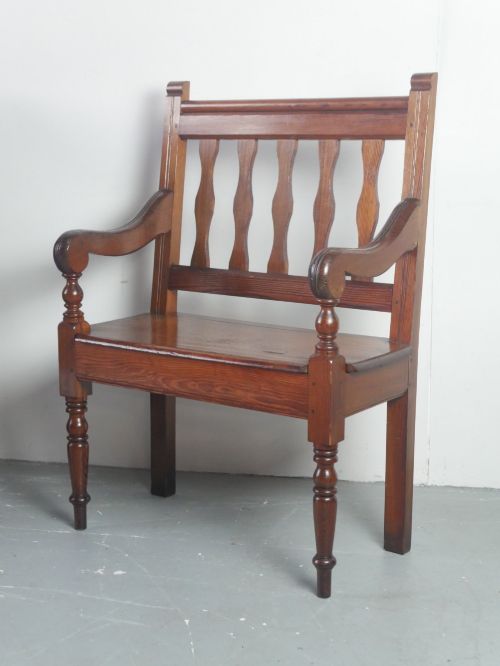
Makers constructed these supports primarily from dense hardwoods like mahogany, walnut, and rosewood. Oak and ash also appear on utilitarian hall furniture and luggage stands.
Selection of timber depended on the destination room and the budget of the original commission, with rich veneers reserved for principal living spaces.
How do I identify the period?
Dating relies on timber choice, turning styles, and assembly methods characteristic of the nineteenth century. Details like hand-cut joinery and specific revival styles offer chronological clues.
Cabinet makers shifted from early Regency influences toward heavier Victorian proportions and revival designs as the century progressed.
Where were these benches used?
These seating forms occupied hallways, dressing rooms, and parlours across nineteenth-century homes. Window seats fitted specific architectural alcoves to maximise light and space.
Long benches served waiting areas and entrance halls, providing functional seating for visitors and residents alike.
Can I use them in modern interiors?
The sturdy construction of these nineteenth-century timbers allows them to integrate easily into contemporary rooms. Salvaged legs and frames offer adaptable foundations for bespoke upholstery projects.
Their compact dimensions suit modern hallways, bedrooms, and living spaces requiring period character without excessive bulk.