

Victorian Bedroom Vanity
A victorian bedroom vanity brings period character to a room, offering practical mirrors, drawers and seating shaped by nineteenth-century tastes.
Victorian Bedroom Vanity
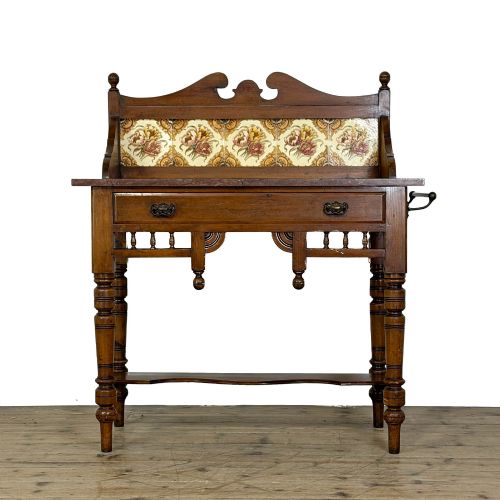
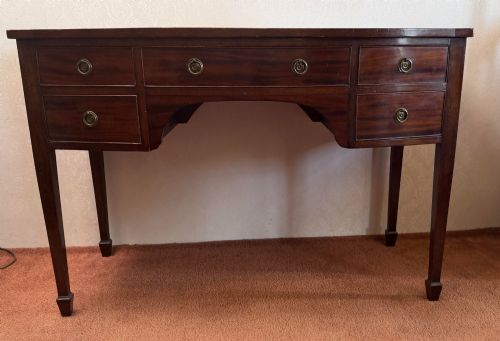
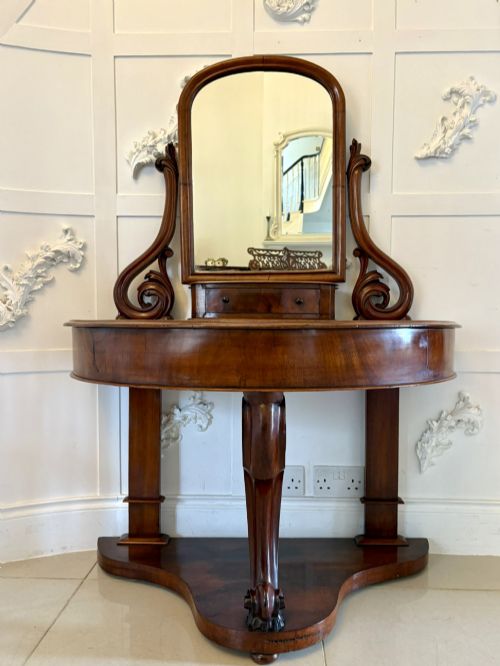
When buyers search for a victorian bedroom vanity, they encounter a diverse selection of dressing tables, washstands and low seating originating from the Victorian and Edwardian eras.
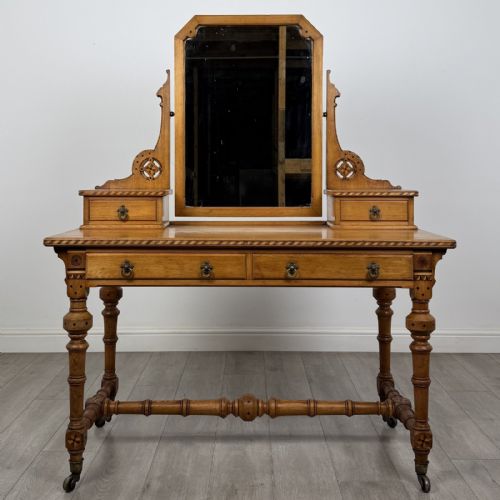
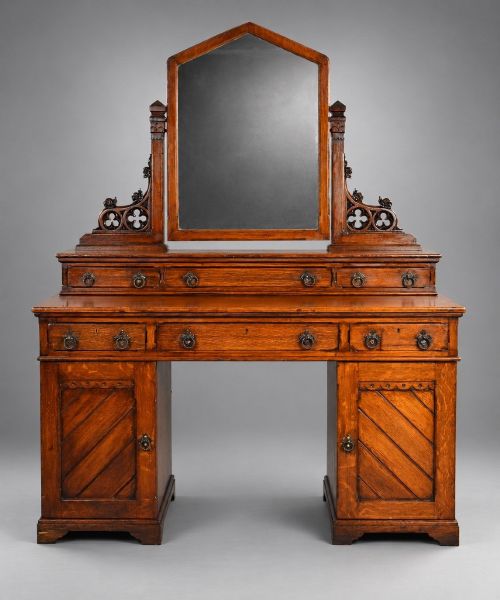
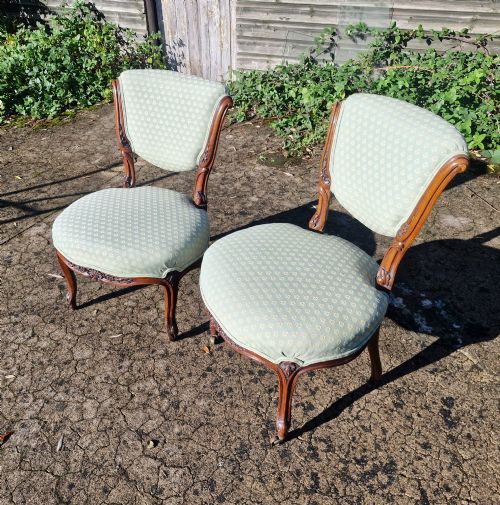
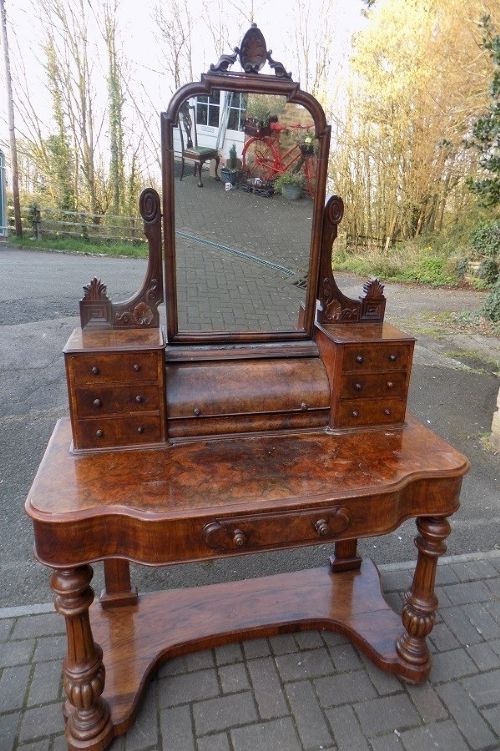
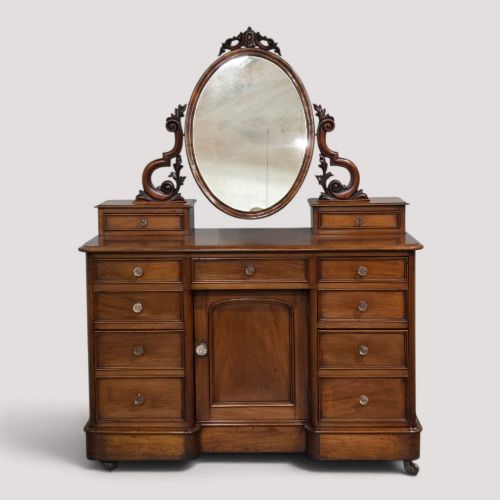
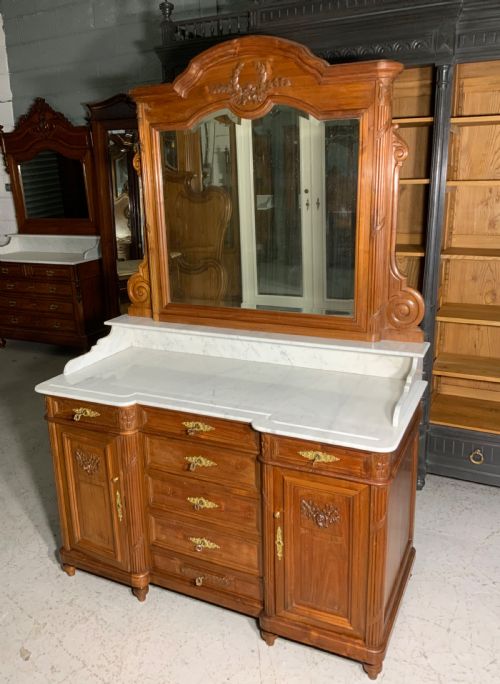
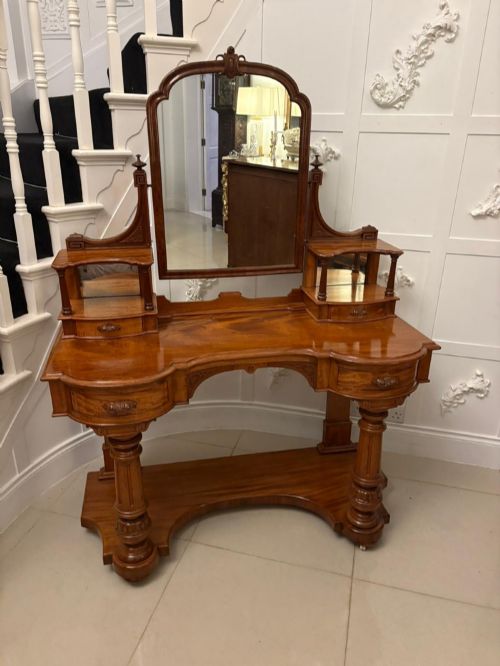
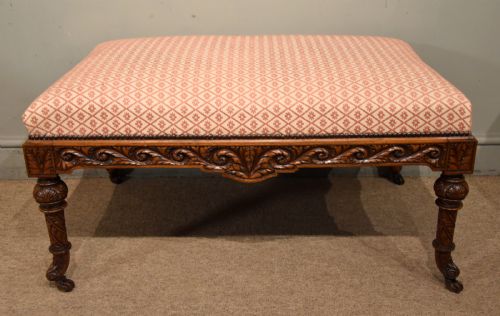
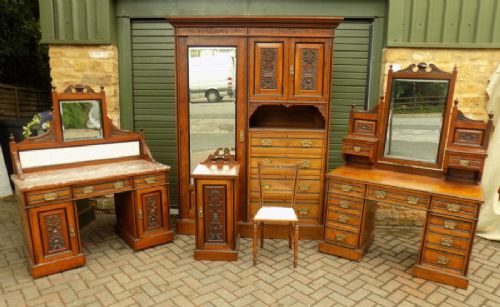
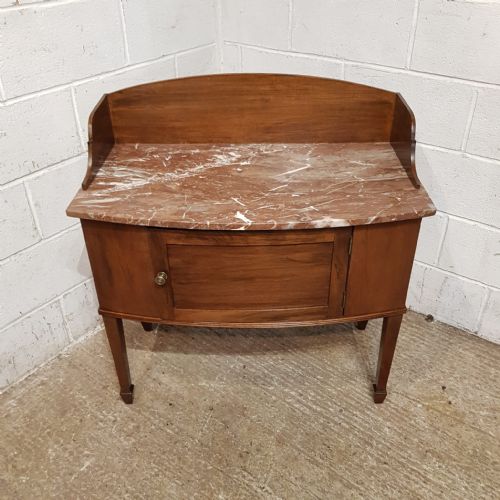
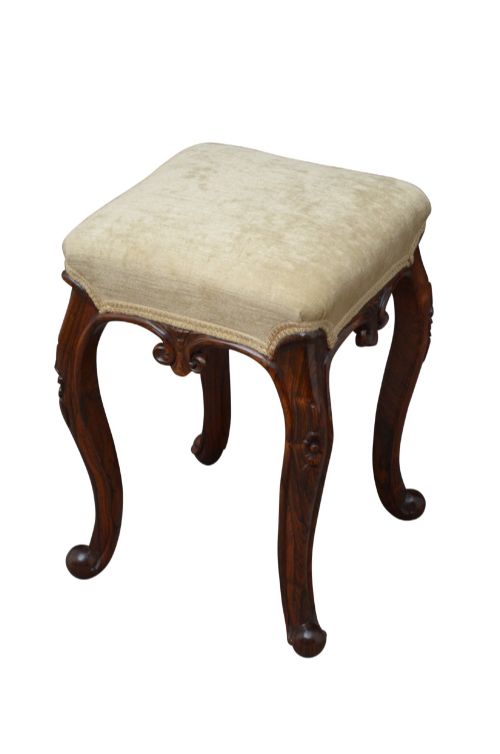
The most common forms on this page include mahogany and burr walnut dressing tables equipped with mirrors and drawers, alongside marble-topped washstands and low-slung dressing stools.
Pieces span several decades of the nineteenth and early twentieth centuries, showing influences from the Aesthetic Movement, French Rococo Revival and Georgian styles.
How they were made
Cabinet makers utilised dense timbers like mahogany, burr walnut, satinwood and goncalo alves, often pairing them with marble tops, brass fittings and mirror glass.
Decorative surface work relied on marquetry inlay, carved details and ebonised finishes, while seating frames employed turned wood, twisted rope legs and fabric upholstery.
Victorian Bedroom Vanity Retail Price Guide 2026
Typical asking prices for victorian bedroom vanity among the pieces listed under this phrase on Sellingantiques today, from the lower quarter to the upper quarter. They describe what is for sale here now, not the wider market.
The inventory includes dressing table mirrors in ebonised chinoiserie alongside faux bamboo chests and marble-topped washstands.
What varies in quality
The standard of a piece rests on the depth of the timber figuring, the crispness of carved elements and the integrity of original drawer linings and mirror plates.
Makers such as Edwards & Roberts set a higher benchmark through refined marquetry and proportion, distinguishing standard utility furniture from superior bedroom pieces.
Edwards & Roberts
The Victorian Bedroom Vanity Glossary
- Washstand
- A wooden or marble-topped piece designed to hold a wash basin and jug before plumbed bathrooms became standard. They often include lower shelves or enclosed cupboards.
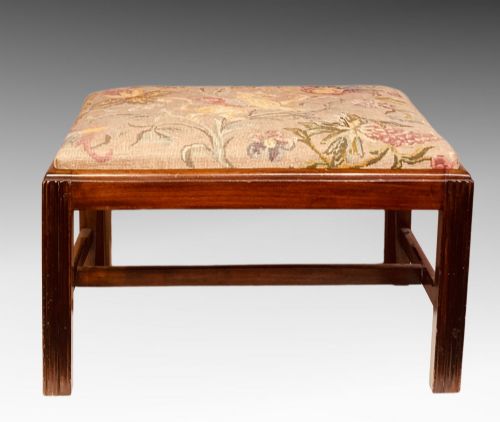
- Dressing stool
- A low, armless seat designed to sit neatly beneath a dressing table. They frequently feature upholstered tops supported by cabriole or turned legs.
- Burr walnut
- A highly prized timber veneer cut from walnut tree growths, producing swirling, intricate grain patterns. It was frequently utilised on high-end Victorian dressing tables.
- Duchess dressing table
- A large nineteenth-century dressing table style incorporating a large central mirror and multiple smaller drawers or tiers. They often use burr walnut or mahogany.
- Slipper chair
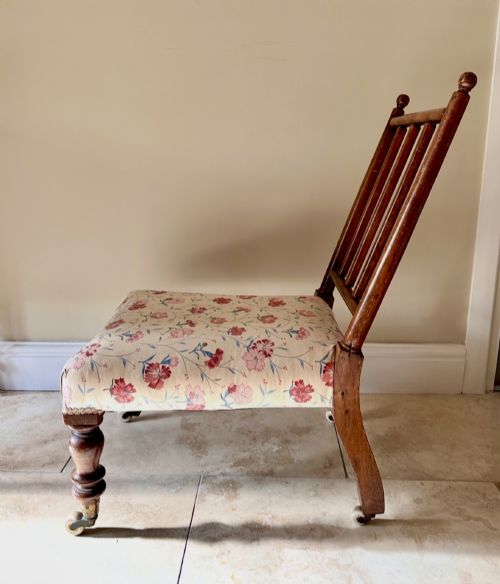
- A low-seated bedroom chair originally designed for ladies to sit upon while putting on shoes or stockings. They often feature spindle backs or low fringe trimming.
Victorian Bedroom Vanity: Frequently Asked Questions
What is a Victorian washstand used for?
A Victorian washstand served as the primary washing station in a bedroom before the widespread installation of indoor plumbing. It typically held a ceramic basin, water jug and soap dishes.
Today, these pieces function well as hallway consoles or bathroom sink surrounds, combining stone tops with useful storage cabinets and lower shelves.
How do I identify a Duchess dressing table?
A Duchess dressing table is characterised by its substantial proportions and a large, fixed or swivelling mirror mounted on a tiered superstructure. They frequently showcase burr walnut or mahogany veneers.
These pieces often include small trinket drawers arranged around the base of the main mirror plate, offering generous storage for nineteenth-century cosmetics and accessories.
What is a slipper chair?
A slipper chair is an upholstered bedroom chair built with short legs that keep the seat close to the floor. Victorian examples were designed for comfort while dressing.
They easily fit into small bedroom corners or beside dressing tables, often featuring turned wooden legs, fabric upholstery or decorative fringe trimming.
How do I care for marble top washstands?
Marble top washstands require gentle cleaning with mild, pH-neutral soap and water to avoid staining the porous stone surface. Acidic liquids like citrus or vinegar should be kept away from the marble.
Applying a specialist stone sealer helps protect the top from moisture rings and daily wear while maintaining the polished finish of the stone.