



Victorian Bedroom Lockers
These Victorian bedroom lockers are compact bedside cupboards and chests designed to keep night-time essentials out of sight.
Victorian Bedroom Lockers
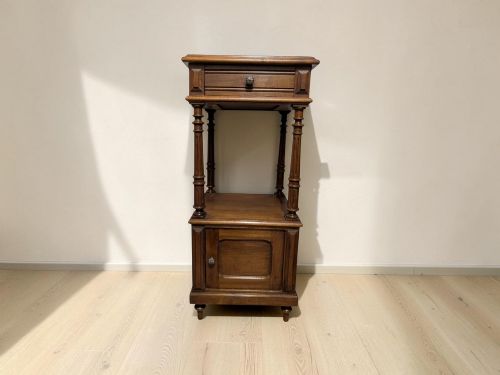
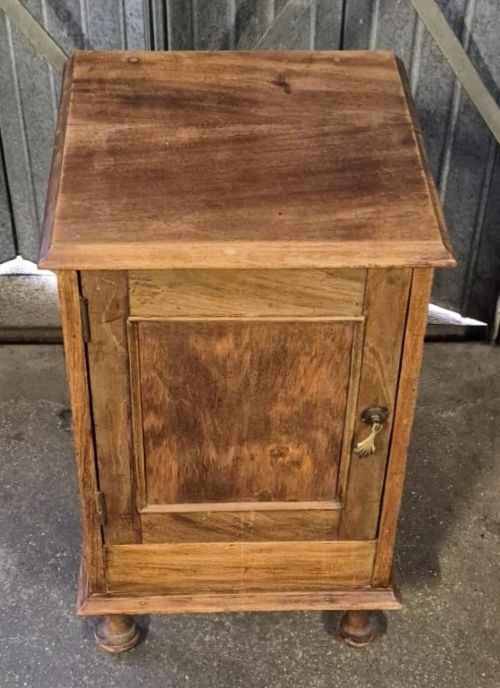
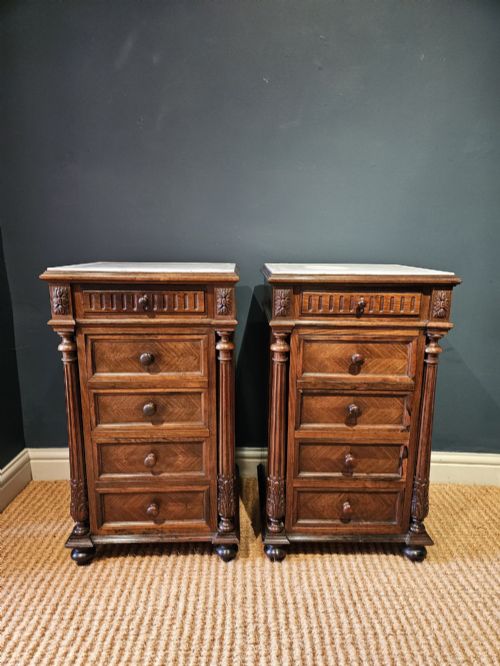
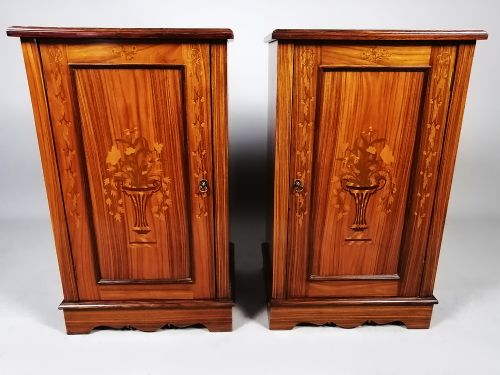
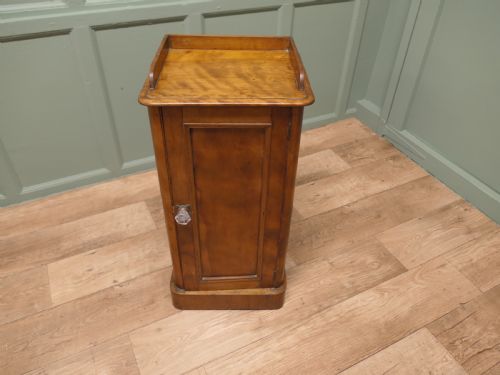
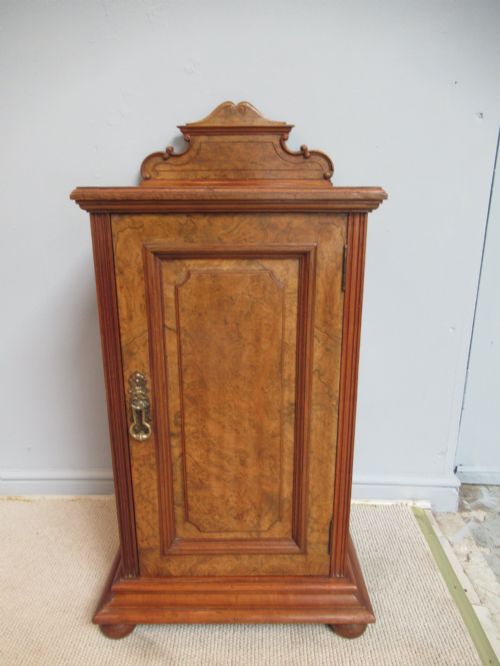
When you search for Victorian bedroom lockers, you encounter practical bedside furniture that served the 19th century bedroom as cupboards, tables, and chests. These pieces range from simple single-door cupboards to substantial four-drawer chests and pedestal cabinets designed to stand beside the bed.
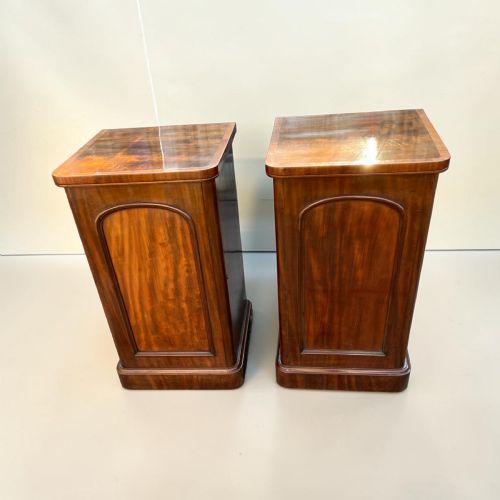
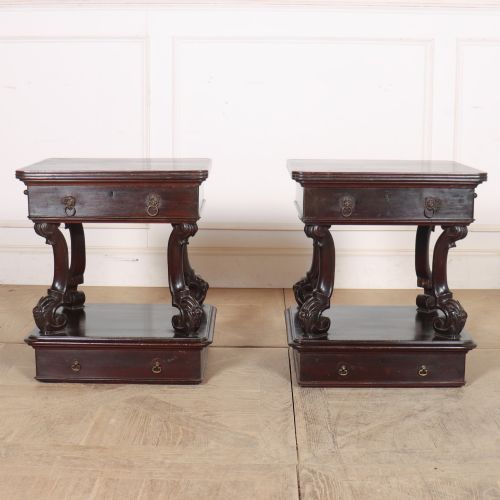
The versions you are most likely to meet on this page span the 19th century, including specific dates from the 1860s through to the 1890s, alongside pieces reflecting late Victorian production. They appear as individual items or matched pairs, frequently taking the form of bedside tables, cabinets, and night lockers.
Makers and regional workshops produced these cabinets in various stylistic revivals, incorporating French Louis Philippe, Irish Regency, Gothic Revival, and Queen Anne Revival influences. Their primary purpose remains holding chamber pots, medicines, and books close to the sleeping quarters.
Markers of Quality
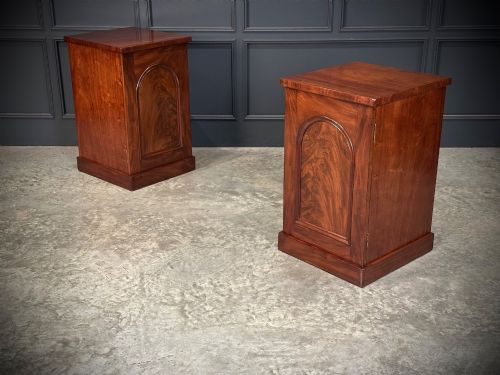
The distinction between standard utility pieces and finer items rests in the selection of figured timbers like flame mahogany veneer and burr walnut, coupled with sophisticated stylistic details such as bowfronts and marquetry inlay. Superior examples often bear stamps from notable makers or display exceptionally neat proportions that command attention.
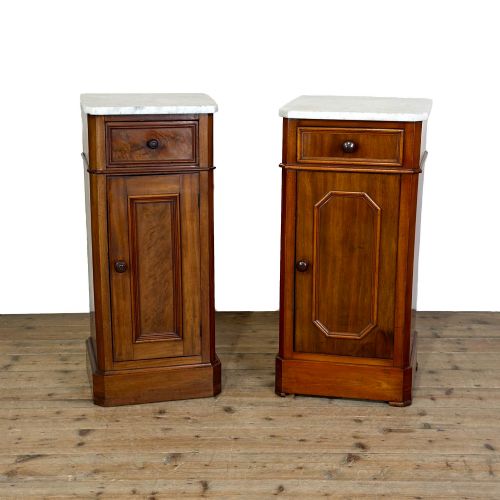
Construction integrity and the retention of original brass hardware elevate certain cabinets above mass-produced alternatives. The presence of integrated marble tops and carefully matched pairs further differentiates more ambitious chamber furniture from basic functional cupboards.
Victorian Bedroom Lockers Retail Price Guide 2026
Typical asking prices for victorian bedroom lockers among the pieces listed under this phrase on Sellingantiques today, from the lower quarter to the upper quarter. They describe what is for sale here now, not the wider market.
Several of these cabinets once guarded midnight candles and chamber pots, proving that Victorian practicality could still look remarkably handsome beside the bed.
Heals·James Shoolbred
The Victorian Bedroom Lockers Glossary
- Night Locker
- A traditional term for a bedside cupboard or cabinet used to secure personal items during the night. These enclosed pieces kept chamber pots and private belongings concealed.
- Burr Walnut
- A highly prized wood veneer showing intricate, swirling grain patterns formed from tree growths. It was frequently utilised on high-status Victorian cabinet doors and drawer fronts.
- Flame Mahogany
- A wood veneer cut from branches where they join the main trunk, creating a distinct flickering flame pattern. This decorative surface is typical of better quality 19th century case furniture.
- Pedestal Cabinet
- A tall, narrow freestanding cupboard designed to stand beside a bed or desk. They often feature a single door enclosing shelving or a storage space.
- Gothic Revival
- An architectural and decorative style drawing inspiration from medieval forms, featuring pointed arches and heavy ornamentation. This aesthetic occasionally influences 19th century bedside furniture.
Victorian Bedroom Lockers: Frequently Asked Questions
What is a Victorian bedroom locker?
A Victorian bedroom locker is a small bedside cupboard, chest, or cabinet made during the 19th century to hold personal items and night-time necessities.
These pieces typically feature a single door, drawers, or an open shelf, and were designed to stand neatly next to a bed.
How were these lockers used originally?
They served as bedside storage for chamber pots, medicines, books, and candles before modern plumbing and electric lighting became common.
The enclosed cupboards kept utilitarian bedroom items out of sight while providing a convenient surface for a water jug and glass.
Are matched pairs difficult to find?
Finding a genuine matched pair of 19th century bedside cabinets takes patience, as many were originally made as single pieces or became separated over time.
When pairs do appear, they often show identical timber graining and proportions, having spent their lives flanking a large double bed.
How do I spot a later Victorian piece?
Late Victorian pieces often display lighter timbers, simpler lines, or specific revival influences such as Queen Anne or inlaid satinwood decoration.
They frequently date towards the end of the 19th century, around 1880 to 1890, and may occasionally bear maker stamps or retailer marks.