



Victorian Bathroom Stand
A victorian bathroom stand brings honest period utility to a dressing room or wash space.
Victorian Bathroom Stand
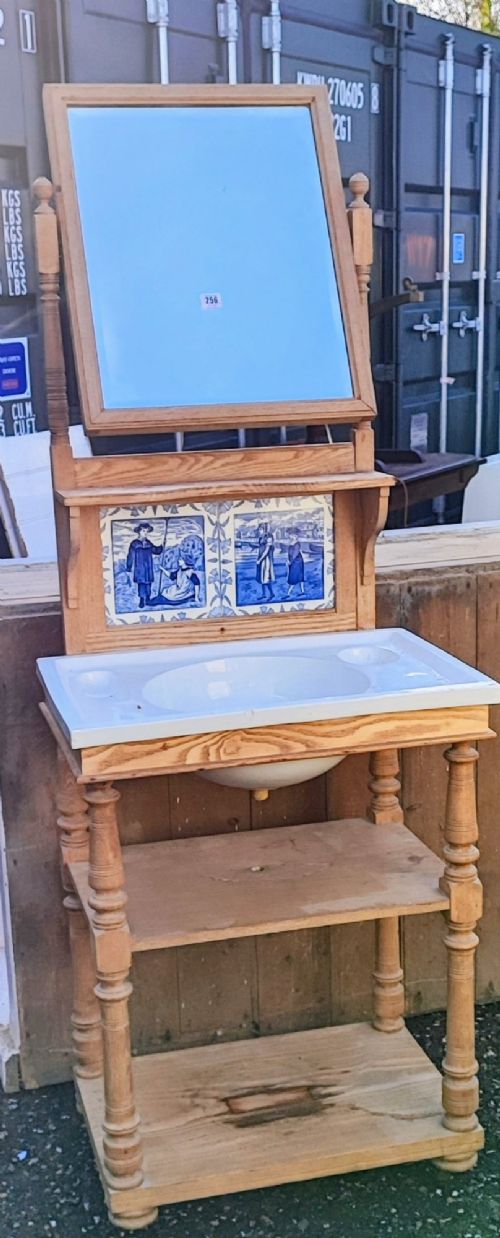
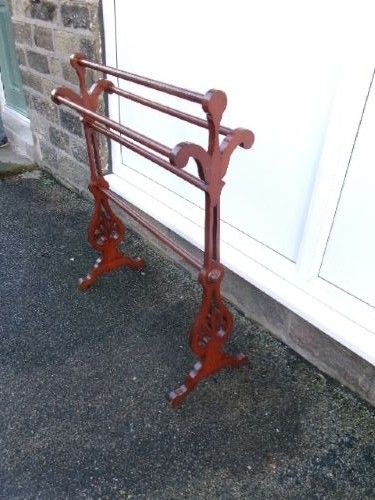
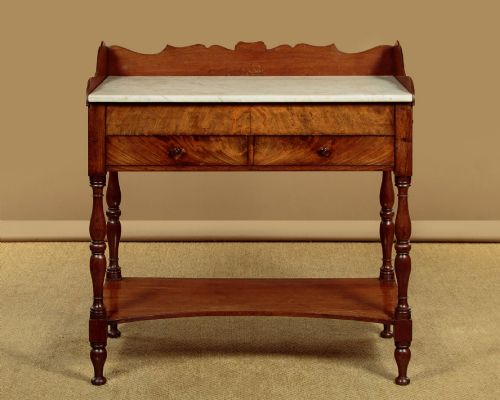
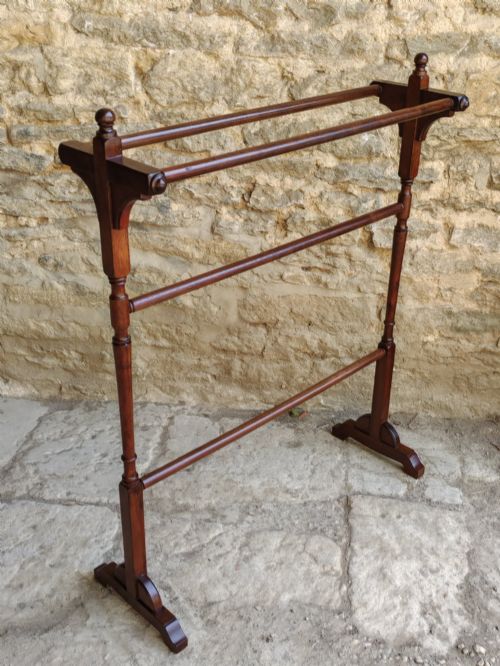
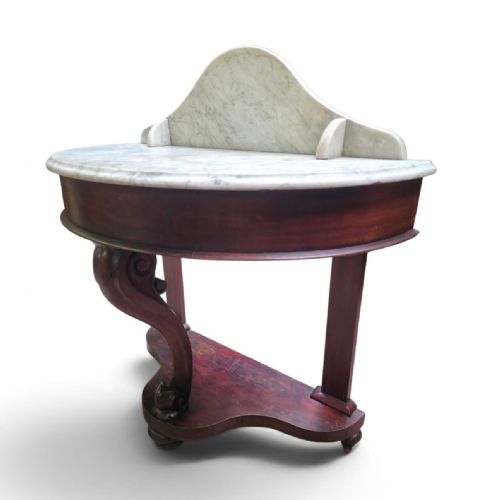
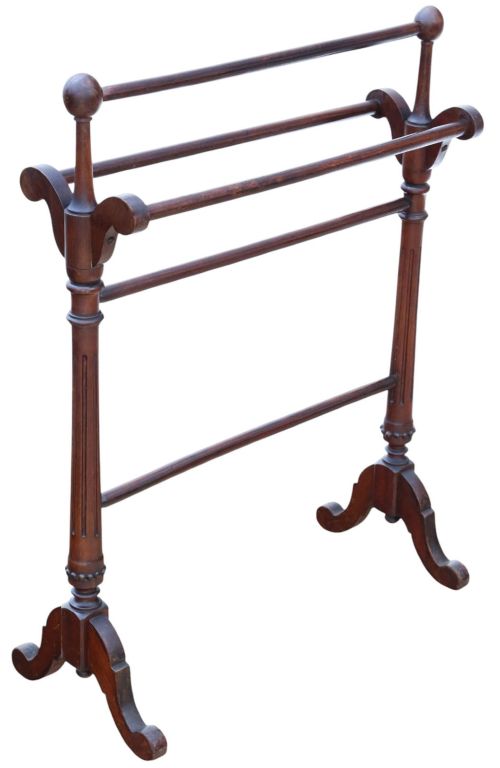
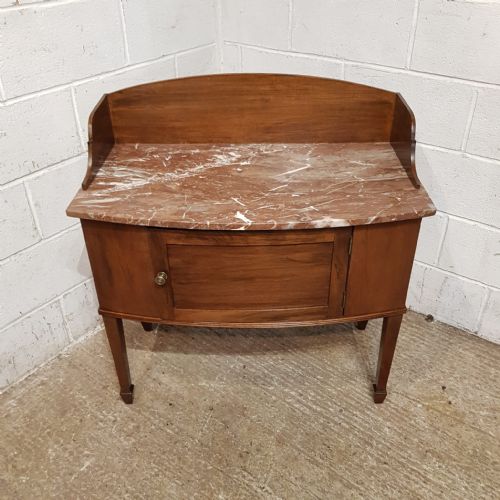
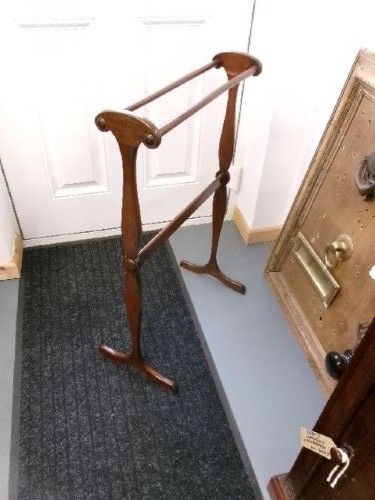
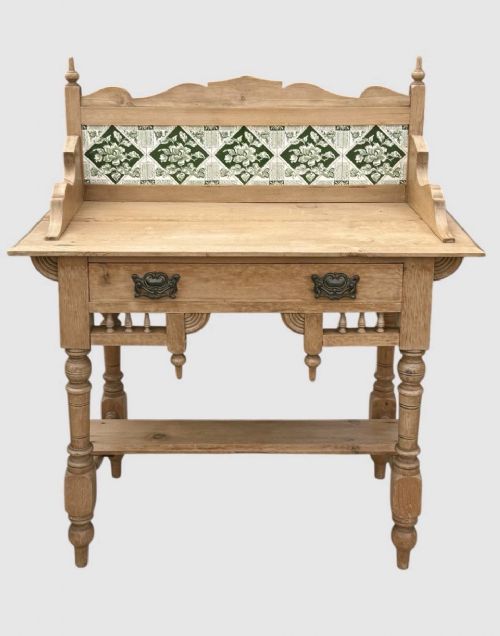
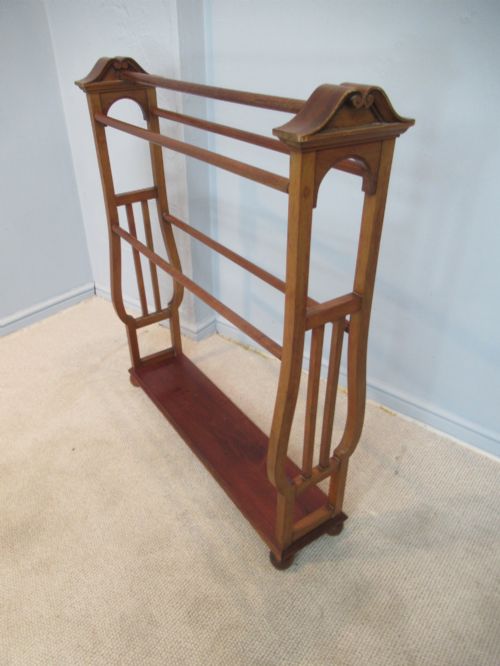
When searching for a victorian bathroom stand, you encounter two distinct forms: freestanding towel rails and marble-topped washstands designed for daily ablutions. The towel rails appear most frequently on this page, constructed to hold linens across multiple wooden bars.
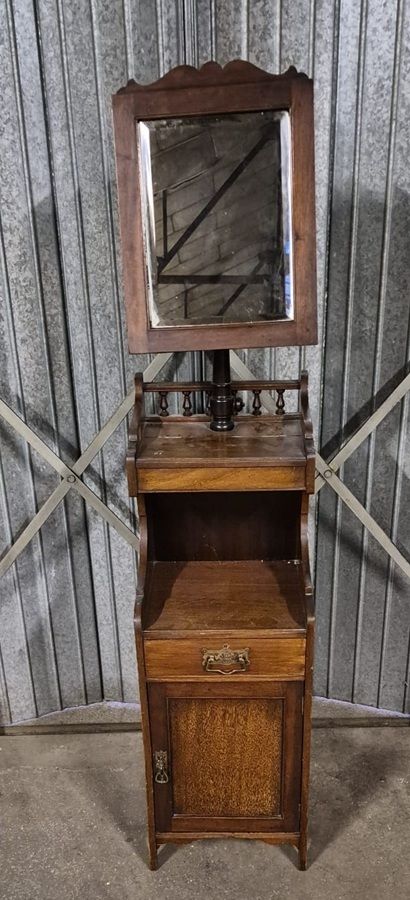
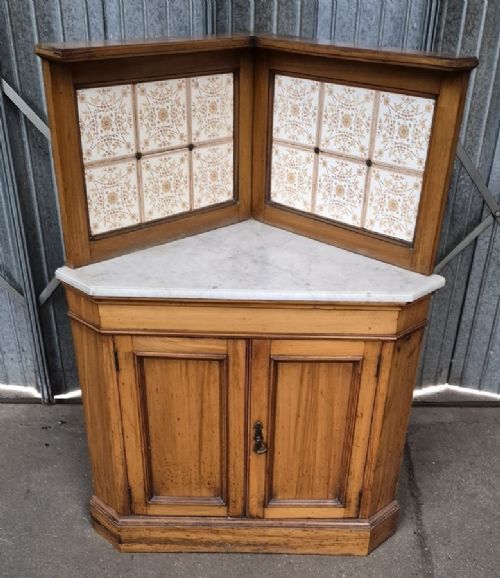
The washstands incorporate stone surfaces and timber cabinetry to house basins and toiletries. These pieces span from early examples through to Edwardian interpretations, reflecting changing domestic habits in the nineteenth and early twentieth centuries.
Makers utilised resilient timbers suited to humid environments, creating items that served bedrooms and dressing rooms before plumbed bathrooms became standard. The selection ranges from rustic country pine to formal mahogany and walnut pieces.
Quality variations
The division between standard utility pieces and finer examples rests on timber selection and decorative restraint. Simple pine and turned rails serve basic domestic functions, whereas inlaid satinwood and figured mahogany indicate a higher commission.
Structural integrity and the condition of integrated marble slabs dictate overall standing. Clean, unblemished stone and tight, original joints separate superior workshop production from utilitarian workshop output.
Victorian Bathroom Stand Retail Price Guide 2026
Typical asking prices for victorian bathroom stand among the pieces listed under this phrase on Sellingantiques today, from the lower quarter to the upper quarter. They describe what is for sale here now, not the wider market.
One five-rail ebonised stand from nineteen-hundred proves Victorians took their morning towel warmth very seriously indeed.
Walker & Sons·Gillows
The Victorian Bathroom Stand Glossary
- Washstand
- A piece of furniture designed to hold a basin, jug, and toiletries for washing before plumbed bathrooms. They frequently feature marble tops to protect the wood from water damage.
- Towel rail
- A freestanding wooden frame with horizontal bars for airing and drying textiles. These range from simple single rails to large multi-fold designs.
- Satinwood
- A pale, lustrous timber utilised for fine cabinet work and decorative inlay. It brings a bright finish to select Victorian and Edwardian pieces.
- Ebonised
- Wood treated with a dark stain or finish to imitate ebony. This technique appears on late nineteenth-century items seeking a formal, dramatic appearance.
- Gothic Revival
- A nineteenth-century architectural and decorative style drawing on medieval forms. Pieces in this style display pointed arches, heavy mouldings, and structural vigor.
Victorian Bathroom Stand: Frequently Asked Questions
How do I clean a marble top washstand?
Wipe the marble surface regularly with a soft damp cloth using neutral soap, avoiding acidic cleaners that etch the stone.
Dry the slab thoroughly to prevent water rings and protect the underlying timber structure from moisture ingress.
Can I use an antique towel rail in a modern bathroom?
These rails function effectively in contemporary spaces for hanging dry towels and textiles. Keep them away from direct water spray to preserve the nineteenth-century wood finish.
Ensure the room has adequate ventilation to protect the antique timber from excessive humidity.
What is the difference between a washstand and a towel rail?
A washstand incorporates a solid top, often marble, designed to support a basin and washing equipment. Some examples include cabinets and drawers for storage.
A towel rail consists entirely of vertical supports and horizontal bars meant exclusively for holding and airing linens.
How do I date a Victorian bathroom stand?
Examine the timber species, construction joints, and hardware style to establish the period. Mahogany and heavy turned elements often point to mid-century production, whilst ebonised finishes and Arts and Crafts influences suggest the late nineteenth or early twentieth century.
Look for tool marks and assembly methods that match nineteenth-century workshop practices.