

Victorian Base Cupboards
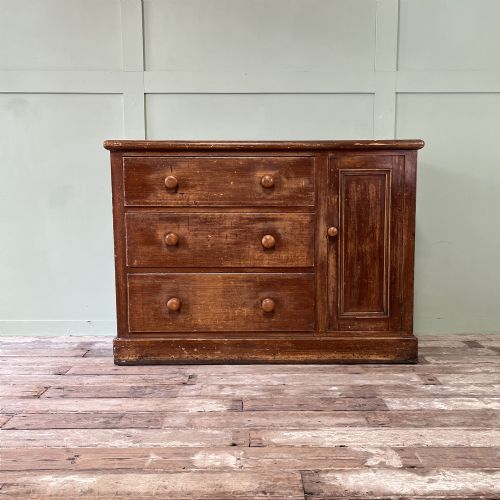
Victorian base cupboards are sturdy storage pieces built for hardworking interiors, offering deep drawers and doors below counter-height timber tops.
Victorian Base Cupboards
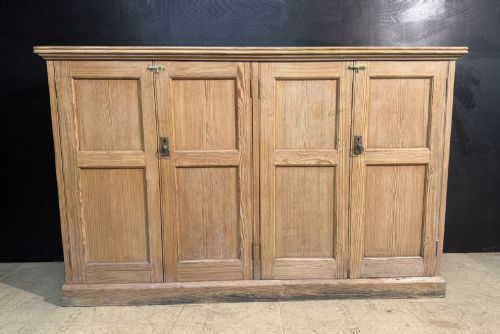
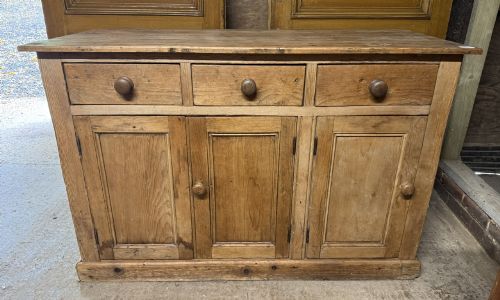
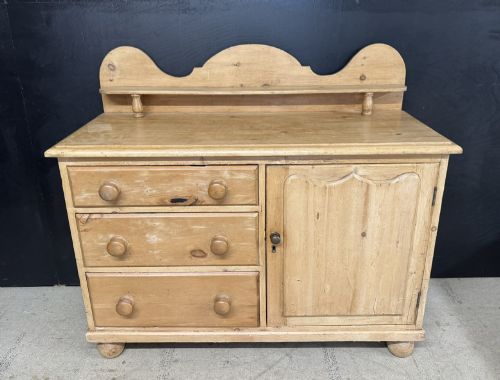
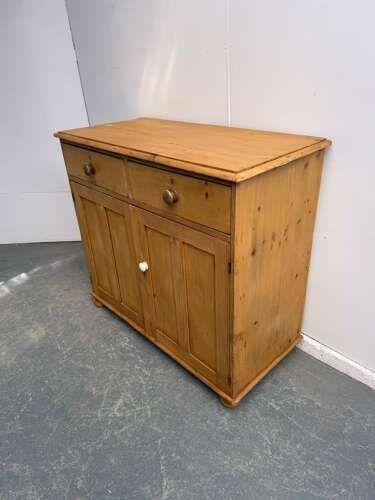
Victorian base cupboards provide substantial timber storage with flat surfaces above for serving, prep or display. These functional items surface mainly in pine, oak and mahogany across nineteenth-century rooms.
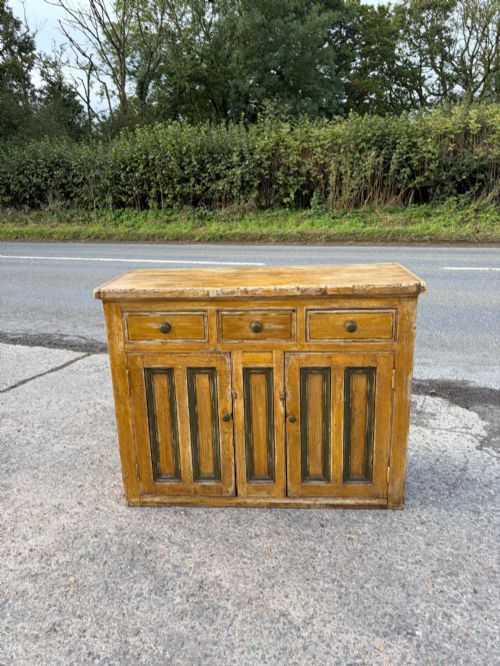
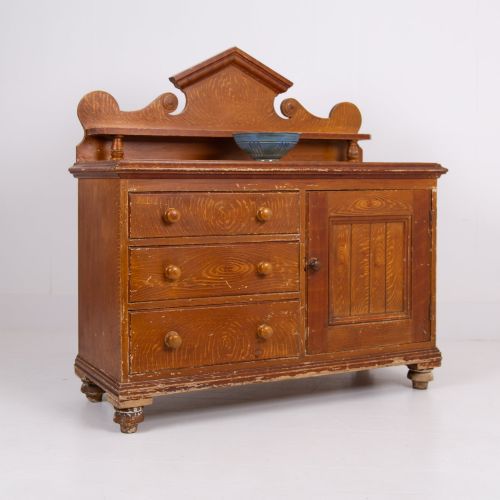
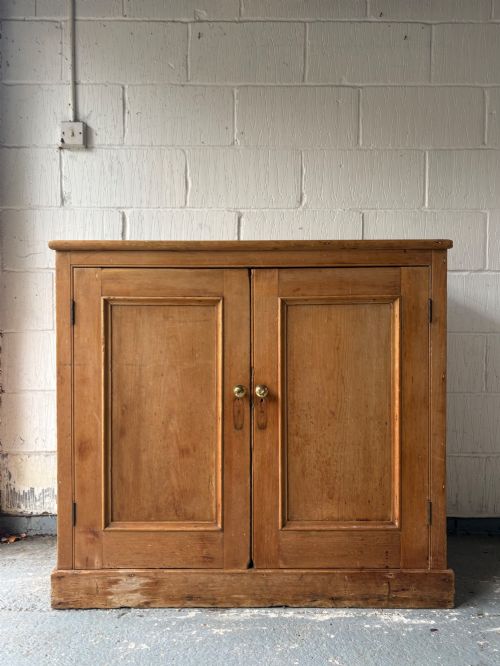
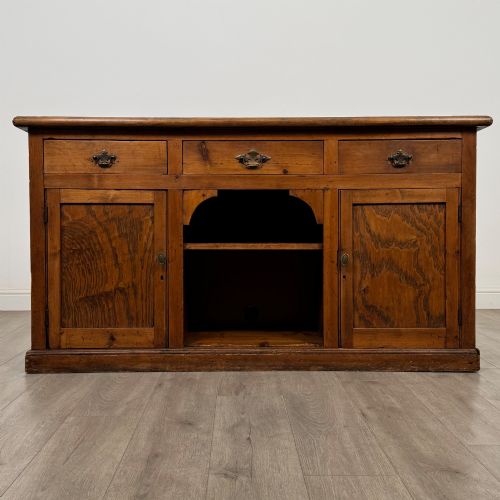
Kitchen dressers, dresser bases and sideboard units form the bulk of the shapes available on this page. Makers built these forms for utility in country houses, estate offices and school rooms.
Regional variations appear alongside standard English forms, including painted finishes and pieces sourced from Wales or Hungary. Each layout reflects the storage demands of nineteenth-century domestic life.
Materials and construction
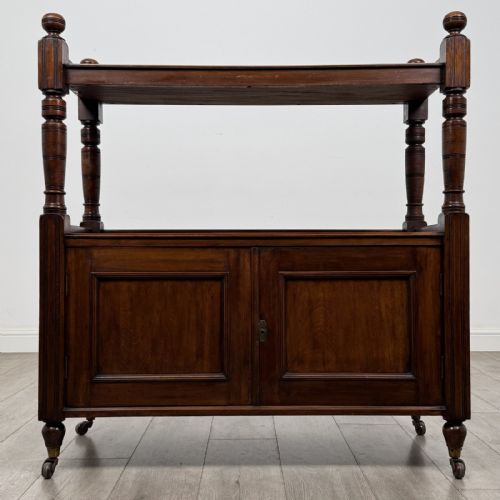
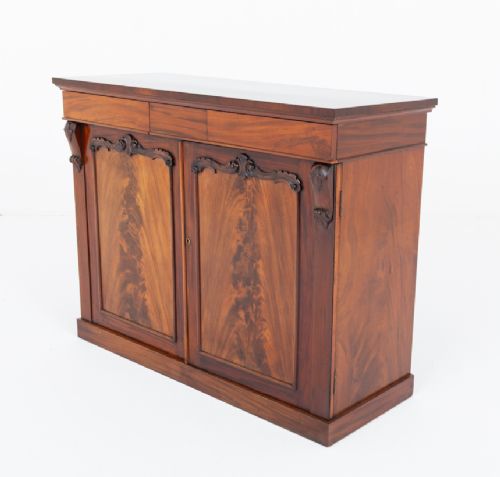
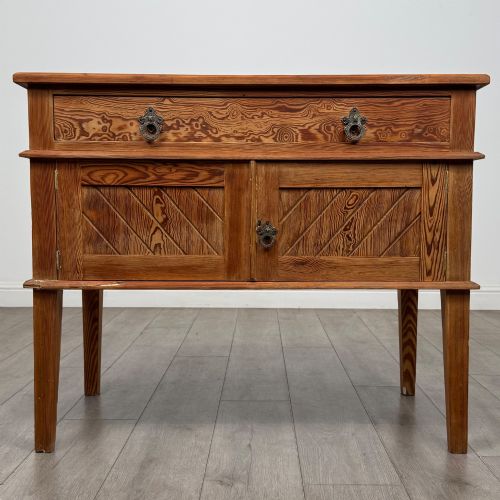
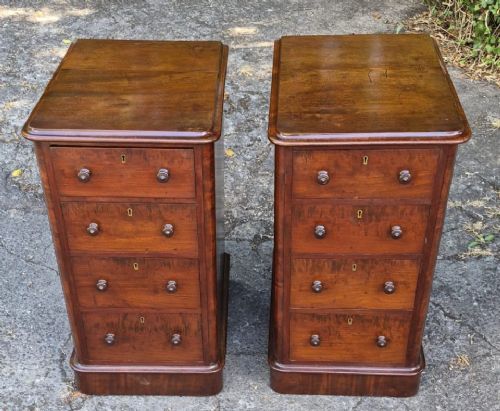
Carpenters constructed these carcases using solid native timbers like pine, oak and mahogany, often paired with brass or iron hardware. Surfaces show original paint, waxed finishes or rich polished grains.
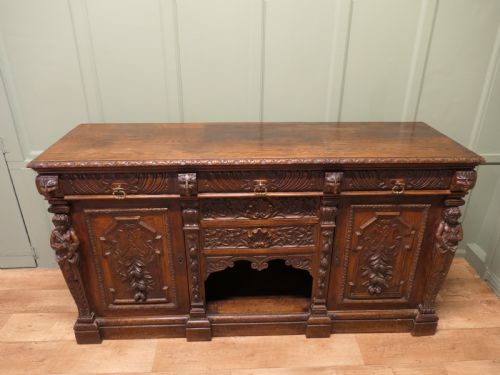
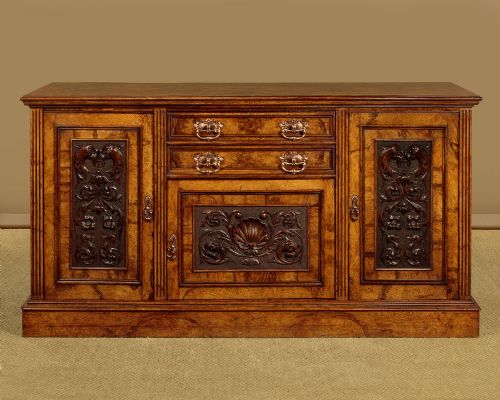
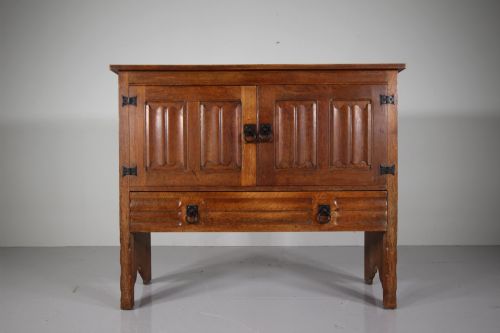
Joinery techniques relied on pegged or dovetailed joints to handle heavy daily use in kitchens and boot rooms. Carved details and panelled doors add structure and depth to the heavier mahogany and oak examples.
Victorian Base Cupboards Retail Price Guide 2026
Typical asking prices for victorian base cupboards among the pieces listed under this phrase on Sellingantiques today, from the lower quarter to the upper quarter. They describe what is for sale here now, not the wider market.
Dog kennel dressers included a central arched void beneath the drawers, originally built to keep small spaniels warm by the hearth.
Judging build and finish
Quality rests in the integrity of the timber and the retention of original surfaces, whether polished mahogany or early painted pine. Heavy timber boards and clean interior drawer construction indicate superior workshop standards.
Proportion and restrained decorative carving elevate certain pieces above standard utilitarian furniture. The handling of mouldings and the retention of period brass or iron handles mark out better examples.
Holland & Sons
The Victorian Base Cupboards Glossary
- Dresser base
- A low storage unit featuring cupboards and drawers beneath a long timber top, designed for domestic service.
- Pitch pine
- A resinous North American pine variety utilised for nineteenth-century furniture needing high durability.
- Gothic Revival
- A nineteenth-century style drawing inspiration from medieval architecture, featuring pointed arches and carved tracery.
- Dog kennel dresser
- A specific dresser base design incorporating an open central recess beneath the drawers, historically used for warming plates or housing pets.
Victorian Base Cupboards: Frequently Asked Questions
What is a Victorian base cupboard?
A Victorian base cupboard is a low, heavy timber storage unit fitted with doors and drawers below a flat top surface. These units were designed for domestic utility in kitchens, pantries and estate offices.
They offer deep interior volume combined with a convenient counter-height surface. The category includes dresser bases, sideboard cabinets and school storage units.
How were these cupboards used?
Nineteenth-century households utilised these sturdy pieces for storing provisions, crockery, linens and household ledgers. The flat top served as a functional workspace for food preparation or serving.
Many stood in busy kitchens, while grander mahogany versions sat in dining rooms or estate offices. Their robust construction handled demanding daily tasks.
How do I live with a base cupboard?
These versatile pieces suit modern kitchens, hallways and living spaces as sideboards or media units. Their deep cupboards and drawers conceal clutter while providing generous surface display area.
Pine and painted finishes bring relaxed country texture to a room, while mahogany or oak pieces add formal warmth. They require minimal maintenance beyond occasional waxing.
How do I tell pine from hardwood cupboards?
Pine cupboards feature a softer, lighter timber grain that frequently accepts painted finishes or warm wax treatments. They tend to have a domestic country character suited to kitchens and utility rooms.
Hardwoods like oak, walnut and mahogany display dense grain patterns and deeper natural colouration. These denser woods often carry more formal architectural carvings and polished finishes.