




Victorian Bar Back
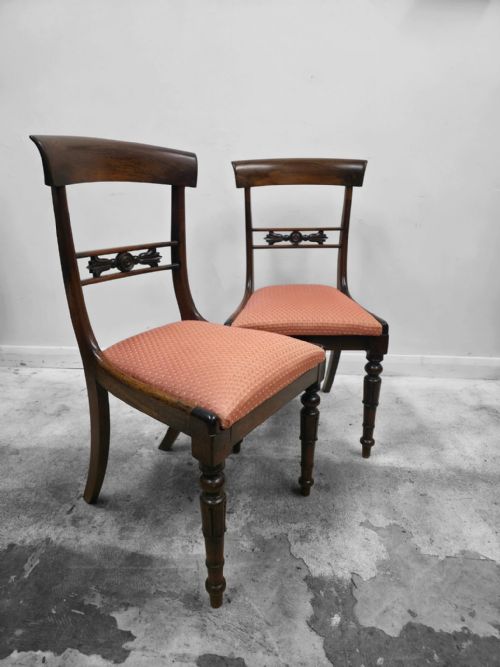
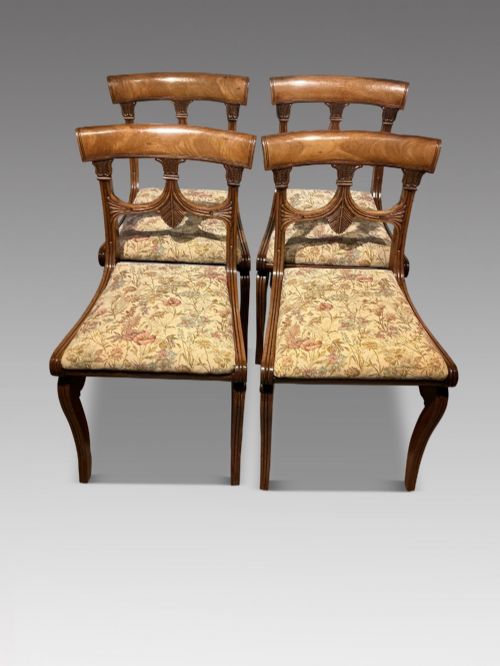
When you search for victorian bar back, you meet sturdy timber seating and occasional furniture defined by a characteristic horizontal rail across the upper back.
Victorian Bar Back
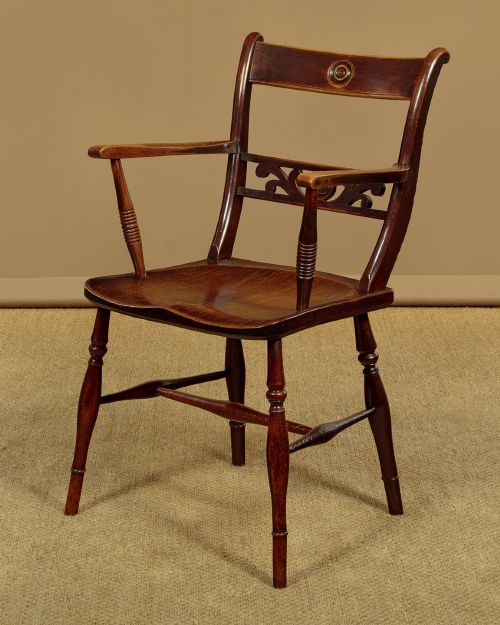
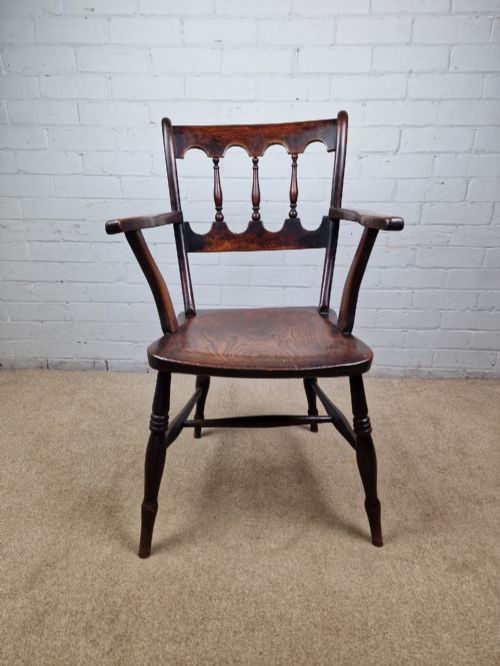
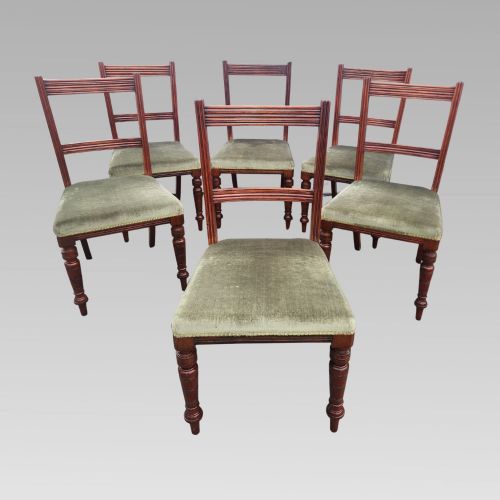
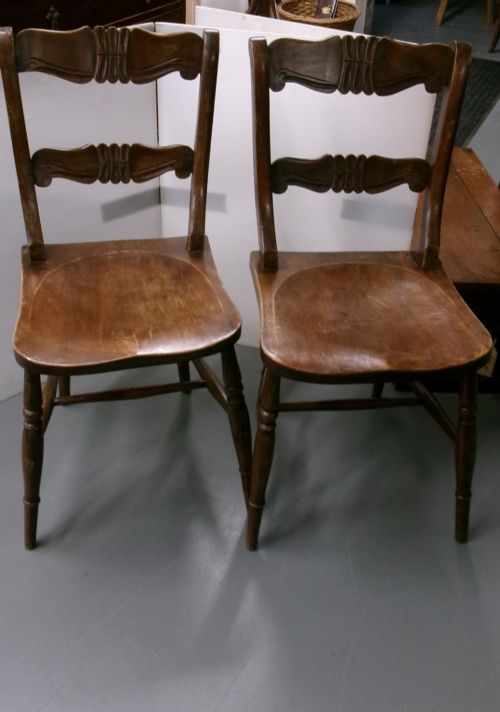
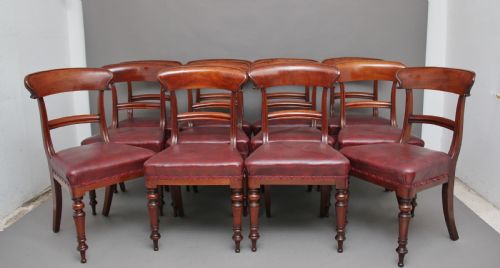
Victorian bar back pieces encompass a range of functional wooden seating designed primarily during the nineteenth century. Buyers encounter formal mahogany dining chairs alongside robust kitchen Windsor chairs in elm, beech, and ash.
The defining horizontal slat, or bar, forms the upper crest rail of the chair back. This design appears singly or combined with vertical splats, upholstered panels, and turned supports.
Beyond standard dining chairs, this search encompasses carvers, armchairs, and rocking chairs. Examples span multiple regional traditions, from East Anglian kitchen seating to Scottish and English mahogany dining sets.
How They Were Made
Cabinet makers and bodgers constructed these pieces using dense hardwoods selected for strength and grain. Mahogany serves formal dining sets, while native timbers like elm, beech, ash, and birch form sturdy Windsor and kitchen chairs.
Joinery techniques rely on traditional mortise and tenon joints, steam-bent wooden rails, and turned components. Many dining chairs incorporate overstuffed seats upholstered in fabric, leather, or velvet, sometimes mounted on turned front legs with castors.
What Varies in Quality
The grade of timber and the precision of the joinery determine the hierarchy of these pieces. Dense, figured mahogany with deep natural patination sits above utility timbers, while cleanly turned spindles and crisply carved crown splats show superior hand-working.
Integrity of construction separates survivor pieces from compromised examples. Original upholstery methods, matching sets with uniform timber grain, and minimal replacement of structural components dictate desirability among collectors.
James Reilly
The Victorian Bar Back Glossary
- Bar back
- A chair featuring a horizontal solid wooden rail forming the top of the backrest. This rail often takes a curved or tablet shape.
- Windsor chair
- A traditional wooden seat construction where legs and back spindles fit directly into a thick sculpted wooden seat rather than a frame.
- Carver
- An armchair designed to match a set of dining chairs, typically featuring open armrests. These pieces usually stood at the heads of dining tables.
- Splats
- The vertical wooden strip or strips connecting the seat to the top rail in the centre of a chair back. Crown splats feature decorative carved detailing at the top.
- Overstuffed
- A seat upholstery method where padding covers the wooden frame entirely, concealing the seat rails from view. This style frequently employs velvet or leather covering.
Victorian Bar Back: Frequently Asked Questions
How do I date a Victorian chair?
Dating requires examining timber species, tool marks, and construction methods. Earlier nineteenth-century examples often utilise solid mahogany with hand-turned legs, while later Victorian pieces incorporate machine-turned components or alternative timbers like birch and ash.
Secondary woods and upholstery methods also provide chronological clues. Original castors, hand-cut screws, and traces of traditional finishes help narrow down the period of manufacture.
Were these chairs used only for dining?
While the majority served around the dining table, bar back designs extend far beyond the dining room. Cabinet makers built carvers, desk chairs, and bedroom chairs using the same characteristic top rail.
Sturdier vernacular versions saw daily service in farmhouse kitchens and public houses. Some surviving desk chairs even bear historical sign-writing or institutional logos from their past use.
How do I care for antique mahogany timber?
Mahogany requires stable indoor humidity levels to prevent the wood from drying out or splitting. Keep wooden surfaces away from direct heat sources and strong sunlight to preserve the natural colour and finish.
Occasional application of traditional beeswax feeds the timber and maintains the surface sheen. Avoid modern silicone sprays, which can penetrate the wood pores and damage the antique patina over time.