


Victorian Arts Crafts Fender
A victorian arts crafts fender anchors the hearth with hand-wrought metalwork and distinct period character that defines domestic warmth.
Victorian Arts Crafts Fender
When you search for a victorian arts crafts fender, you encounter heavy hearth surrounds designed to contain ash and frame the fireplace. These pieces emerge primarily from the Victorian, Edwardian, and nineteenth-century periods, showcasing utilitarian design elevated by artistic vision.
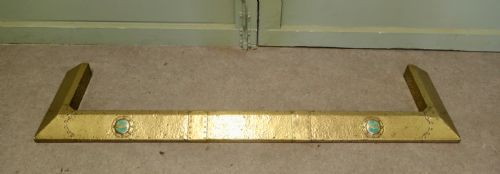
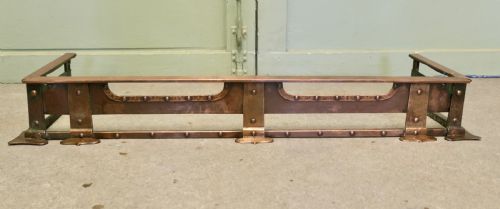
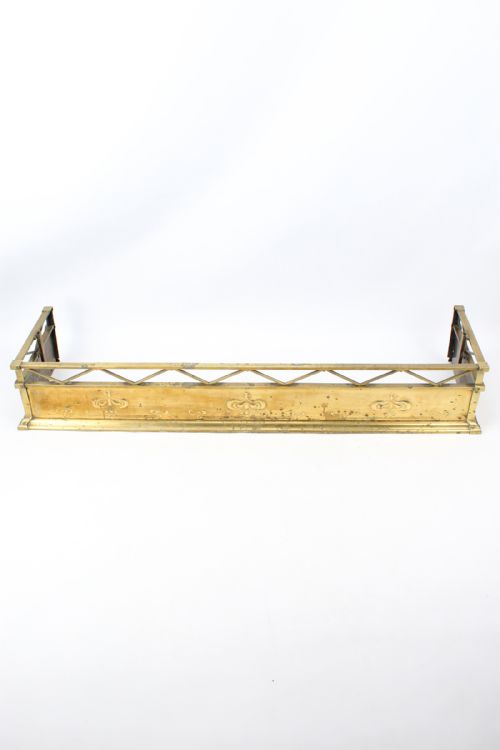
You are most likely to meet brass and copper examples on this page, often embellished with ironwork or enamel cabochons. The forms range from simple pierced sheets to robust riveted frames reflecting the philosophies of the movement.
Makers across England and Scotland produced these fireplace accessories to complement coal or wood fires in period homes. Each fender serves as a functional barrier that doubles as a focal point for the room.
Materials and Construction
Metals such as brass, copper, and cast iron form the structural backbone of these hearth surrounds, shaped through hammering, casting, and riveting. Artisans hammered sheet copper by hand, leaving visible tool marks that celebrate the integrity of the material.
Enamel cabochons and pierced metalwork provide decorative contrast against the polished or patinated metallic surfaces. Riveted joints and heavy cast iron elements ensure structural durability for daily fireside use.
Cast iron sunflowers bloom perpetually on these iron fenders, bringing botanical cheer directly to the hearth floor.
Judging Quality
The distinction between standard production and superior craftsmanship lies in the depth of hand-beaten detail and the weight of the metal used. Heavy gauge copper and thick brass resist warping from hearth heat, whereas lighter sheets feel flimsy.
Artistic execution in pierced patterns and the integration of decorative elements like enamel cabochons separate utilitarian items from exceptional studio pieces. Original patination and intact structural riveting preserve the authentic character of the metalwork.
The Victorian Arts Crafts Fender Glossary
- Fender
- A low metal guard placed around the hearth to keep embers and ash contained. It provides a physical boundary between the open fire and the room.
- Cabochon
- A polished, convex stone or piece of enamel lacking facets, frequently set into metalwork for decoration. These elements add spots of colour to the metallic surface.
- Pierced
- Metal decorated by cutting or punching holes through the sheet to form geometric or floral patterns. This technique lightens the visual weight of heavy brass.
- Patina
- The surface sheen and colour acquired by metal through age, handling, and exposure to air. Collectors value original patination over aggressively polished finishes.
- Kerb
- An alternative term for a fireplace fender, often referring to stone or heavy metal frames defining the hearth perimeter. It sits directly on the floor around the fireplace opening.
Victorian Arts Crafts Fender: Frequently Asked Questions
How do I clean a brass fender?
Dust the metal gently with a soft cloth to remove loose debris without scratching the surface. Avoid harsh chemical polishes that strip away historical patination.
Apply a mild, non-abrasive metal cleaner sparingly if brightening is strictly necessary, though many collectors prefer preserving the darker aged tones.
What is the difference between Arts and Crafts and Art Nouveau fenders?
Arts and Crafts pieces emphasise visible hand-craftsmanship, robust construction, and straightforward materials like beaten copper and iron rivets. The focus remains on utility and the honesty of the making process.
Art Nouveau examples lean towards flowing, organic lines, asymmetrical floral motifs, and stylised natural forms. The two styles frequently overlap in pieces from the turn of the twentieth century.
Will these fenders fit modern fireplaces?
Many historic hearth surrounds feature generous dimensions that suit larger period chimney breasts rather than compact modern openings. Measure your hearth space carefully before selecting a piece.
Some designs include adjustable or standard widths, but checking internal and external measurements prevents installation mismatches.
Are cast iron fenders safe for daily use?
Cast iron handles intense hearth heat exceptionally well due to its dense, durable composition and resistance to thermal shock. These frames withstand the rigours of containment near active fires.
Inspect the structure for deep corrosion or fractures that might compromise the integrity of the iron under heavy loads.