
Victorian Art Portrait Original
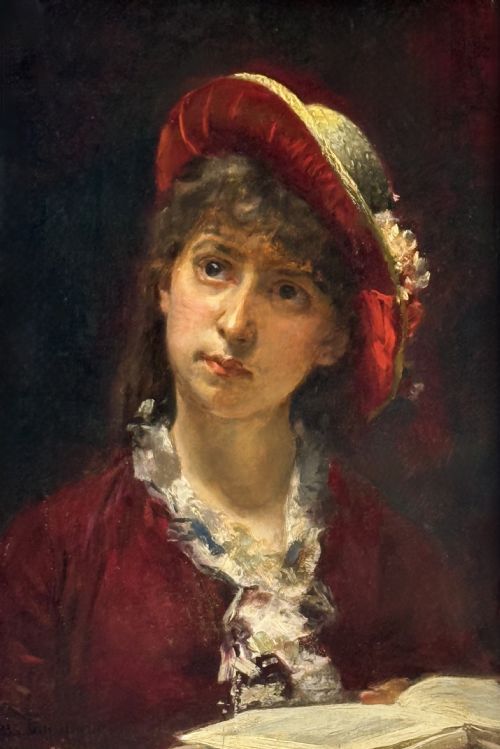
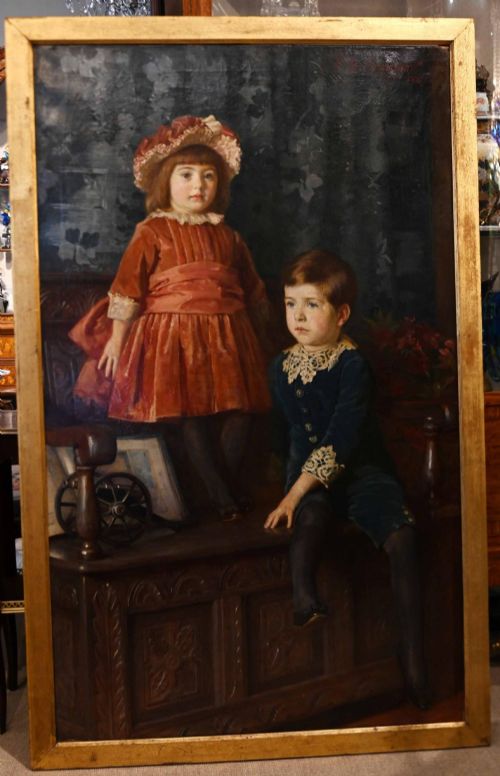
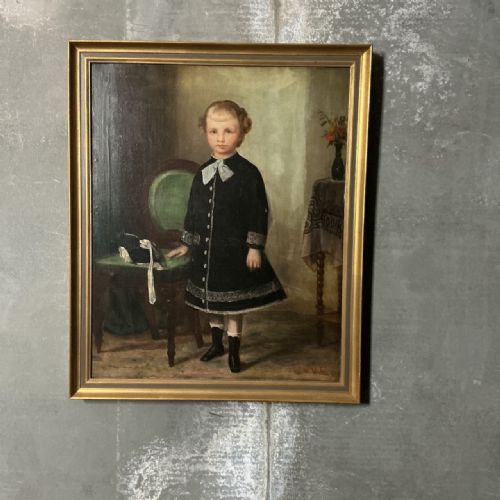
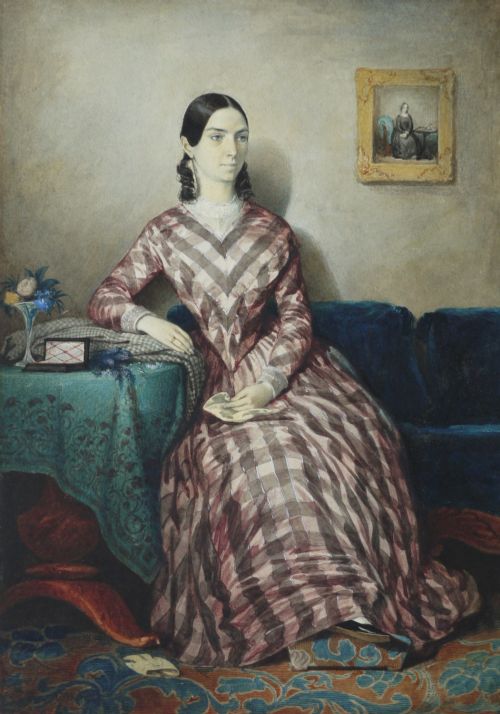
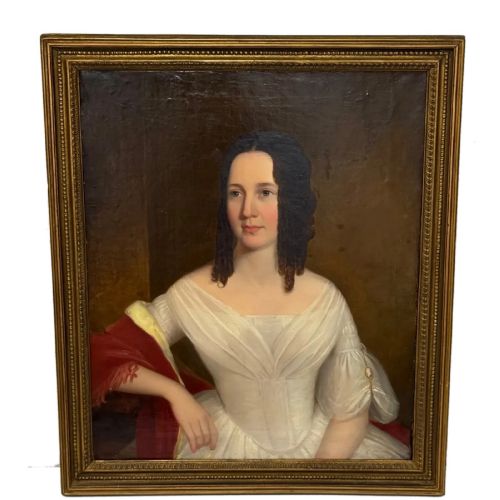
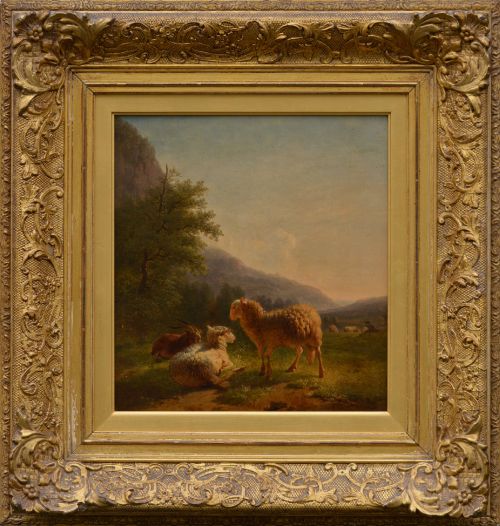
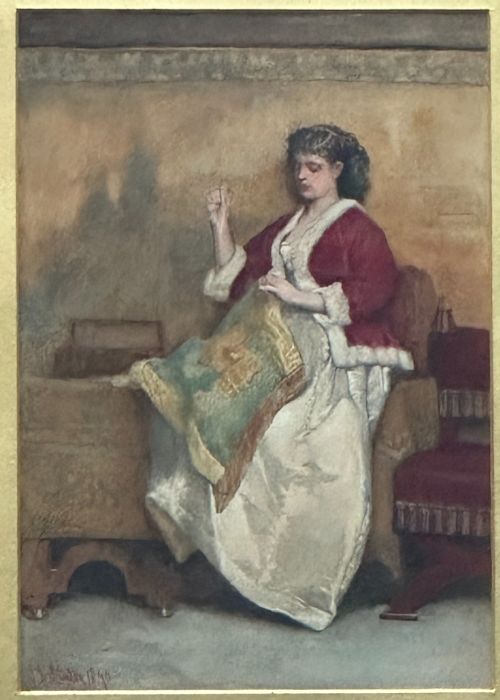
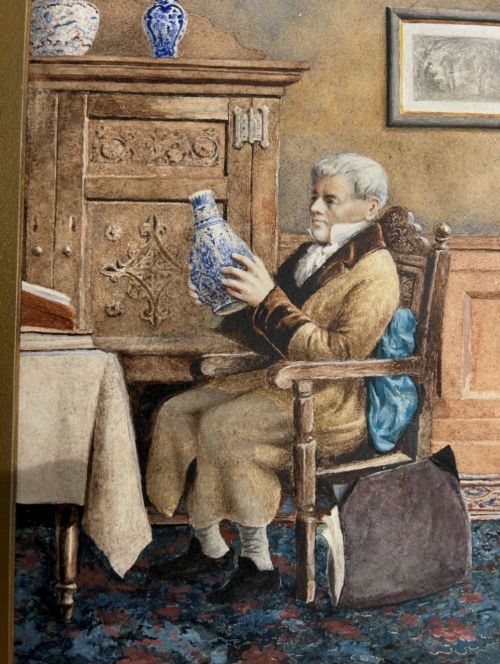
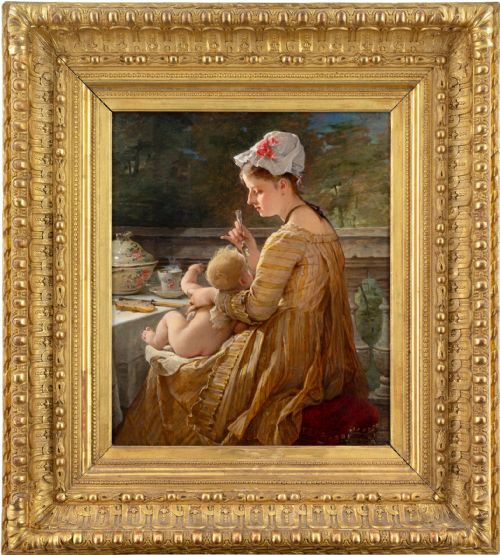
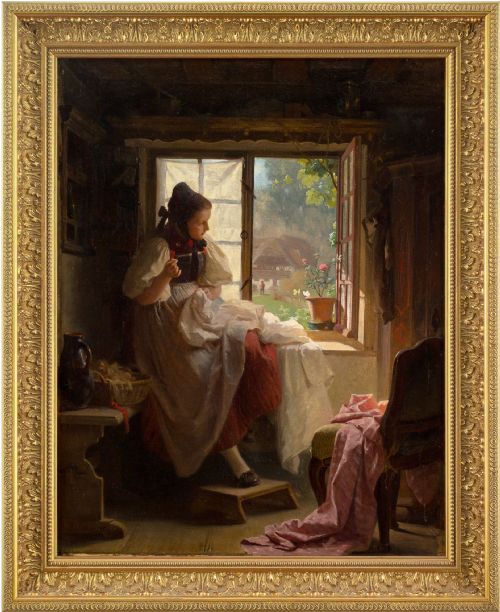
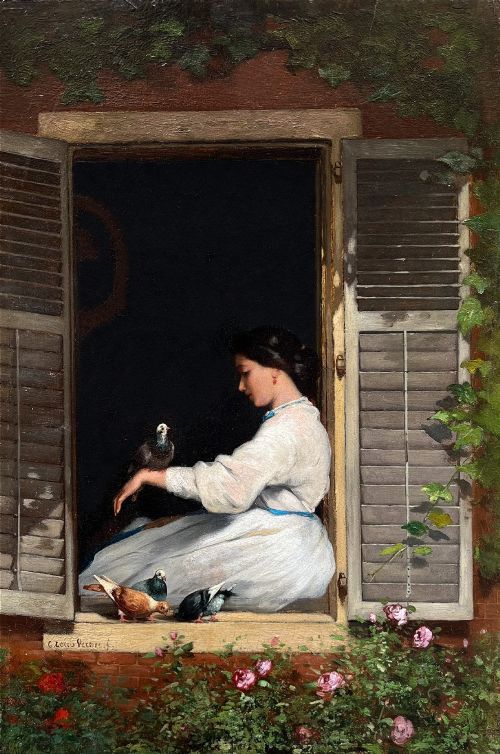
When you search for a victorian art portrait original, you find hand-painted and drawn likenesses of people, animals and domestic scenes from the nineteenth century.
Victorian Art Portrait Original
A victorian art portrait original brings nineteenth-century character into a modern room through genuine period painting and drawing. You encounter single figures, family groups and sporting subjects rendered with the direct observation characteristic of the era.
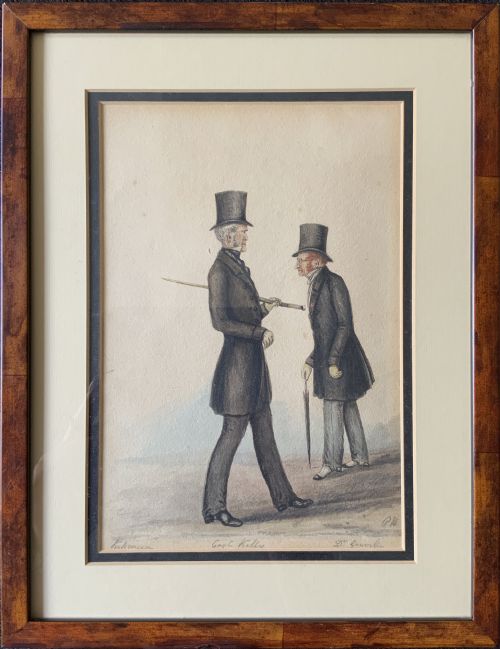
The most common formats on this page are oil on canvas and detailed watercolour on paper, often preserved beneath glass within period wood and giltwood frames.
How they were made
Artists of the period built their compositions using oil paint on prepared canvas or applied translucent washes of watercolour onto paper. Pigments were bound by hand or purchased from established colourmen, giving each piece its distinct chemical stability and surface texture.
Framing is integral to the survival of these works, utilising moulded wood, gesso and giltwood frames that protect the delicate paper or canvas edges from atmospheric degradation.
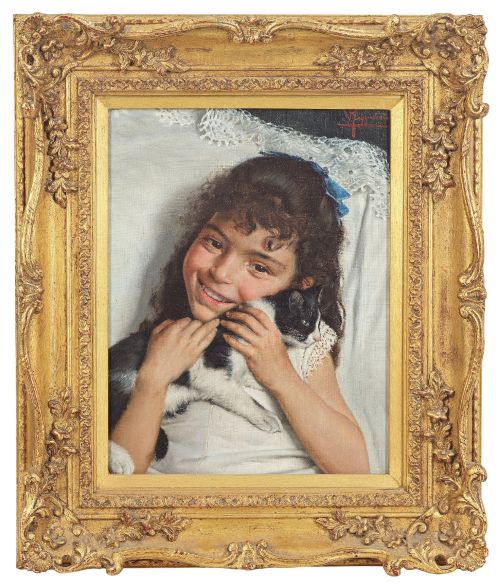
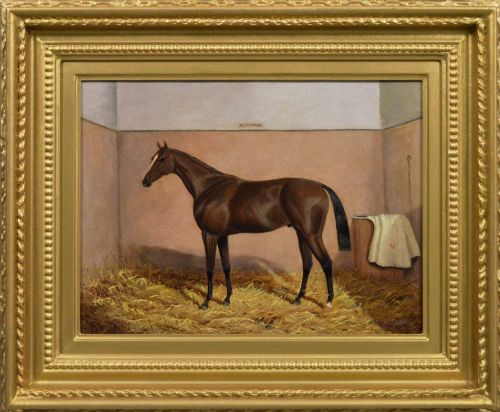
Several Victorian subjects share wall space with sharp-eyed racehorses and demanding pet cats.
What varies in quality
The distinction between ordinary and exceptional works rests upon the artist's command of anatomy, light and psychological presence. A master hand captures the texture of fabric and the subtle shift of expression with economy and precision.
Condition and originality dictate lasting merit, where untouched paint surfaces, stable canvas tension and original glass or frames preserve the intended visual impact without modern intervention.
Eugène Verboeckhoven·Sir James Dromgole Linton·Henry Stacy Marks·Vittorio Reggianini·Albert Clark·Margaret Sarah Carpenter·Adelaïde Salles Wagner·Max Kaltenmoser·Louis Charles Verwee·William Blake Richmond·Stephen Pearce·Henry Windsor Fry·Frederick Tatham·Renato Moretti·Alfred Arthur Brunel de Neuville·Emily Eyres·Theodore Jensen·Charles Henry Slater·John Ferneley Senior·Henry Arthur Roberts·Philip Richard Morris·Arthur Wardle·Filipo Indoni·Charles Burton Barber·C.S. Lidderdale
The Victorian Art Portrait Original Glossary
- Oil on Canvas
- Pigment mixed with drying oil applied to a stretched woven fabric support. This technique allows for rich blending and deep surface texture.
- Watercolour
- Pigment suspended in a water-soluble binder applied to paper. It creates luminous, transparent layers favoured for portrait and landscape studies.
- Giltwood
- Wood carved and coated with a thin layer of gold leaf or metal powder. It provides the traditional reflective border for nineteenth-century fine art.
- Genre Painting
- Depiction of aspects of everyday life by subjects depicted in natural settings. These works focus on domestic narratives rather than formal portraiture.
- Academic Realism
- Art produced under the influence of European academies emphasising strict draughtsmanship and classical composition.
Victorian Art Portrait Original: Frequently Asked Questions
How can I tell an original painting from a print?
Examine the surface under a magnifying glass to look for raised brushstrokes, pigment texture and the physical weave of the canvas or grain of the paper. Prints display uniform dot patterns or flat ink layers lacking tactile depth.
Original works also show natural pigment cracking known as craquelure in older oil mediums, whereas reproductions remain smooth across the entire image.
What is the difference between a portrait and a genre painting?
A portrait focuses specifically on recording the likeness, status and identity of a named individual or group who sat for the artist. The subject is usually the primary and intentional focus of the composition.
Genre paintings depict anonymous figures engaged in daily activities, domestic work or social leisure, where the narrative or atmosphere takes precedence over personal identification.
How should I care for nineteenth-century paper and canvas art?
Keep works away from direct sunlight, high humidity and sudden temperature fluctuations to prevent paper yellowing, canvas warping and pigment degradation. UV-filtering glass helps protect vulnerable watercolours and drawings during display.
Avoid hanging pieces near active heat sources or in damp rooms like kitchens and unvented bathrooms to maintain the structural integrity of the frame and backing.
Did artists always sign their portrait work?
Many nineteenth-century artists signed their finished paintings and watercolours directly on the front surface, often tucked into a lower corner, or inscribed their names clearly on the reverse stretcher bars or canvas.
Unsigned pieces were frequently produced by studio assistants, followers of established masters, or left unmarked by the artist as preliminary studies rather than finished exhibition pieces.