
Victorian Art Painting
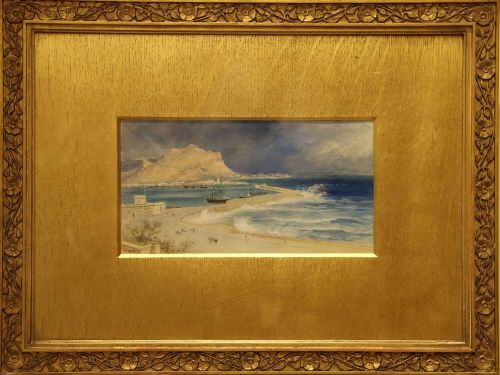
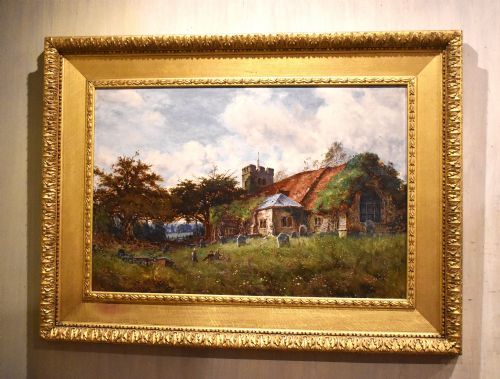
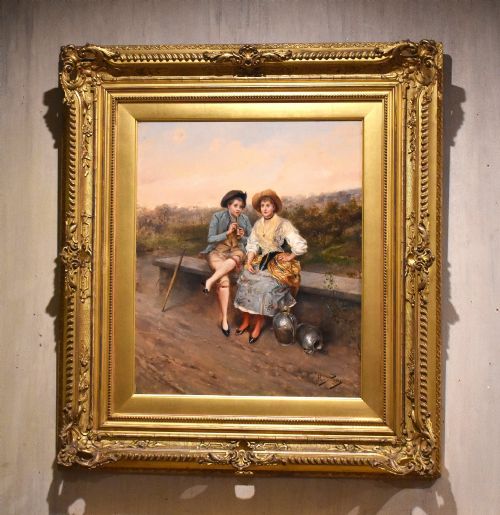
These pieces of victorian art painting bring nineteenth-century landscapes, portraits, and maritime scenes into rooms through oil on canvas and delicate watercolours.
Victorian Art Painting
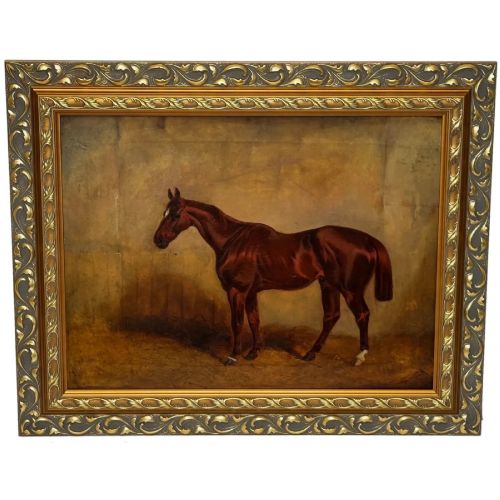
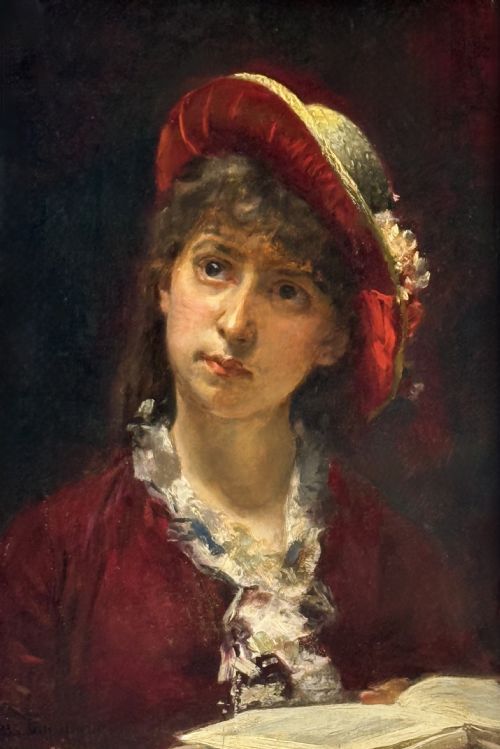
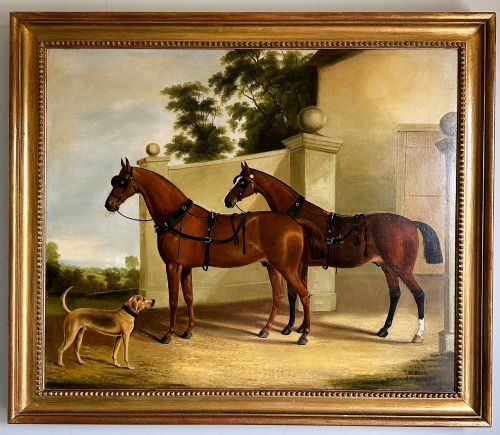
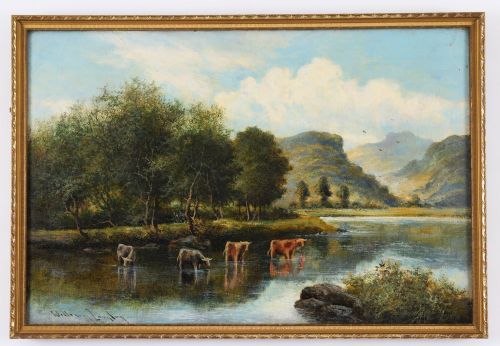
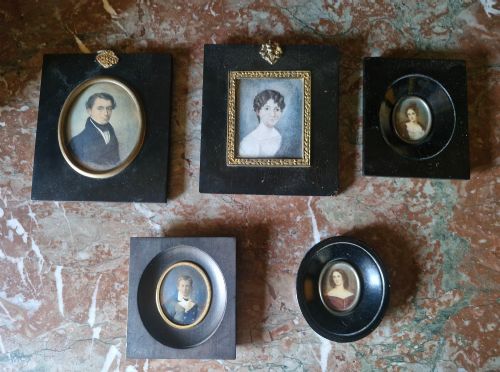
When you search for victorian art painting, you encounter canvases and works on paper created during the nineteenth century. The selection includes rural landscapes, pastoral scenes with cattle, sporting subjects, and character portraits.
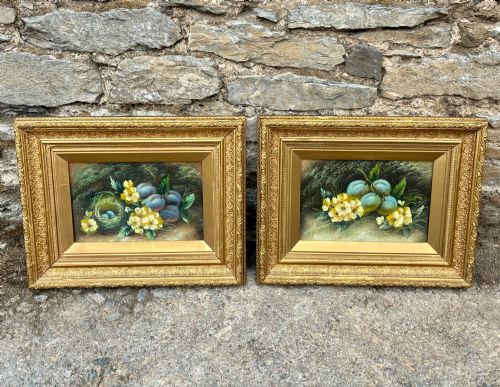
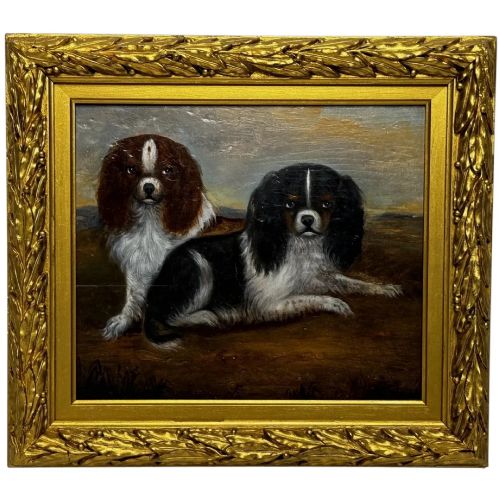
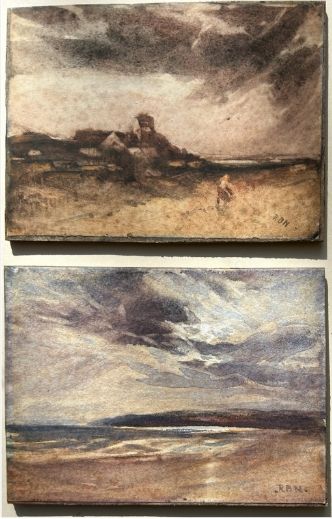
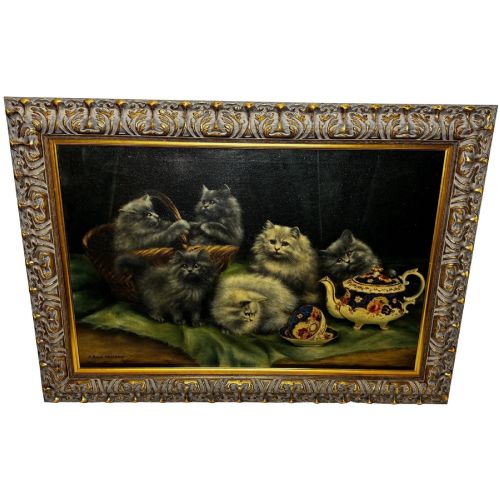
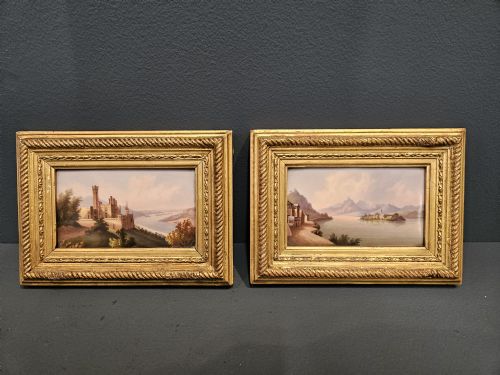
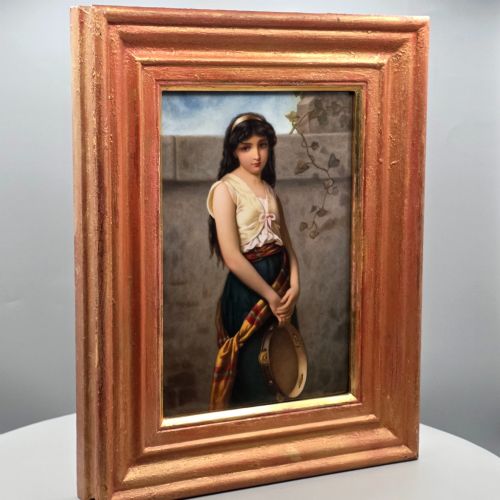
Most examples you meet on this page utilise oil paint on canvas or paper, though watercolours and hand-painted porcelain plaques also appear. Subjects range from domestic animals and spaniel dogs to dramatic marine encounters and sweeping lake district views.
The periods span the Victorian era alongside Regency and Edwardian dates, reflecting the broad tastes of nineteenth-century British artists and schools. These works capture the changing countryside, coastal ports, and intimate domestic moments of the period.
Materials and methods
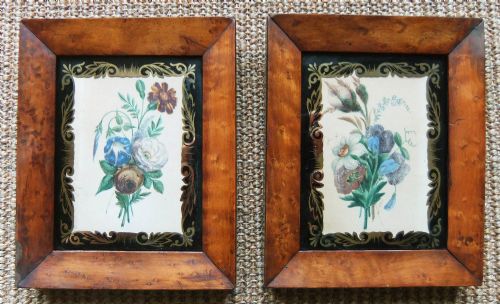
Painters of this period typically applied oil paint to stretched canvas or prepared paper, building rich surface textures using gesso grounds beneath frames. Watercolours on paper offered a lighter medium for detailed landscapes and botanical studies.
Frames often incorporated gilt wood mouldings that complemented the deep tones of the oil paintings. Miniature portraits and porcelain plaques demonstrated specialised techniques on fragile, smooth surfaces.
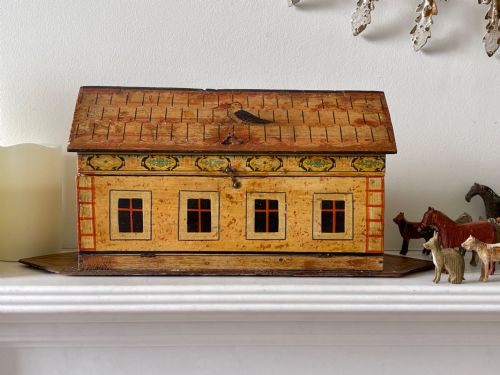
An antique Noah's ark stands alongside traditional oil paintings, complete with over fifty animals, birds, and figures.
Evaluating quality and execution
The distinction between standard works and finer pieces rests in the handling of light, anatomical precision in figures and animals, and compositional balance. Masterly brushwork brings depth to foliage, water, and fabric.
Signature verification and historical provenance add context to individual paintings, while the preservation of the original canvas and gilt frame maintains the integrity of the piece.
James Elliot·Alonso Perez·William Langley·Samuel Joseph Clark·Henry Barraud·William Mellor·William Manners·Margaret Sarah Carpenter·Edward Armfield
The Victorian Art Painting Glossary
- Oil on Canvas
- Pigments mixed with drying oils applied to a woven fabric support. This primary medium allowed artists to blend tones and build rich surface textures.
- Gesso
- A paint mixture consisting of a binder mixed with chalk, gypsum, or pigment. It prepared wooden panels and canvas grounds to receive oil paint.
- Watercolour
- Paint consisting of colour pigments suspended in a water-soluble vehicle. Artists used this medium on paper for delicate landscapes and botanical studies.
- Porcelain Plaque
- A flat ceramic tablet fired at high temperatures. Painters applied enamel colours to these smooth surfaces to create detailed miniature portraits and scenes.
- Gilt
- A thin layer of gold leaf applied to wood or gesso surfaces. It adorned picture frames and decorative objects during the nineteenth century.
Victorian Art Painting: Frequently Asked Questions
What subjects appear in these paintings?
The works depict a wide variety of nineteenth-century subjects, including pastoral river landscapes, rural farmyards with cattle, and maritime scenes.
Sporting paintings featuring horses and hounds also feature prominently alongside formal portraits and intimate genre studies.
How do I care for oil paintings?
Keep paintings away from direct sunlight and dramatic shifts in temperature or humidity to protect the canvas and pigments.
Dust gently with a soft, dry brush and avoid using water or chemical cleaners on the painted surface.
What mediums were commonly used?
Artists relied primarily on oil paint applied to canvas or paper supports.
Watercolours on paper and hand-painted porcelain plaques also represent the diverse techniques of the period.
How do I identify the period?
Periods are identified through stylistic conventions, framing techniques, and signatures or historical provenance linked to nineteenth-century artists.
Dates span from the Regency era through the Victorian period into the early Edwardian years.