

Victorian and Edwardian Jewellery
Victorian and edwardian jewellery brings together rings, chains, and brooches shaped by nineteenth and early twentieth-century hands.
Victorian and Edwardian Jewellery
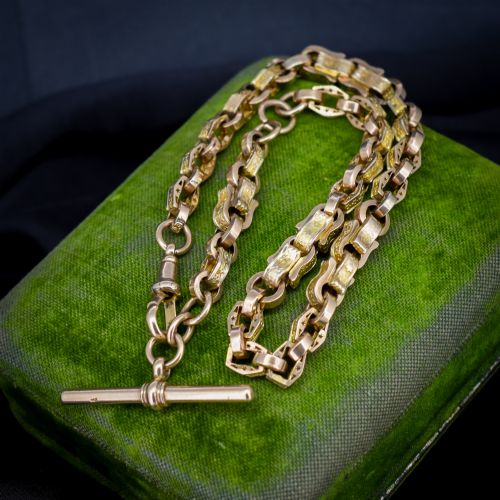
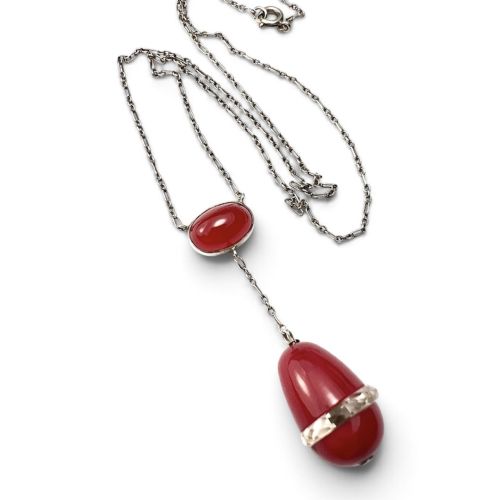
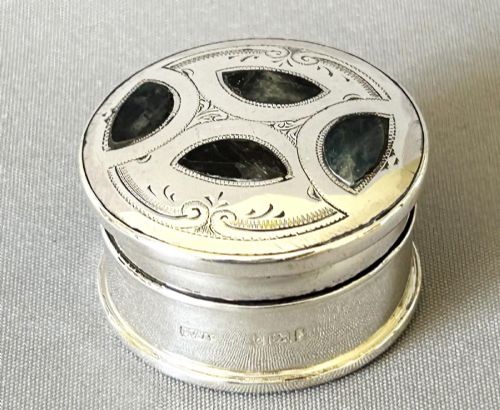
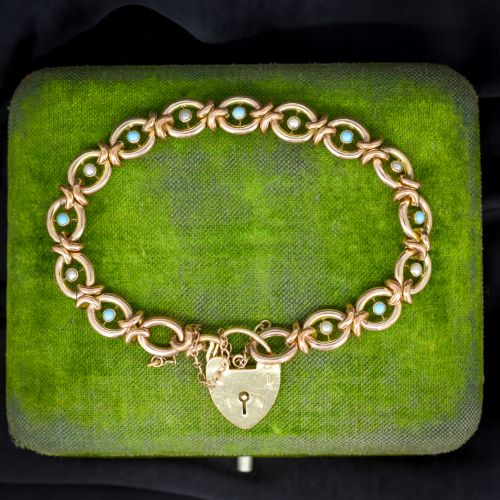
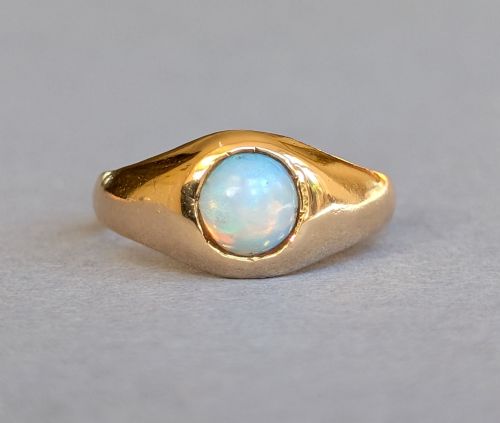
Victorian and edwardian jewellery encompasses rings, bracelets, necklaces, brooches, earrings, and pendants originating from the nineteenth and early twentieth centuries. Pieces span styles such as Victorian, Edwardian, Arts and Crafts, Scottish Revival, Neo-Rococo, and Late Victorian.
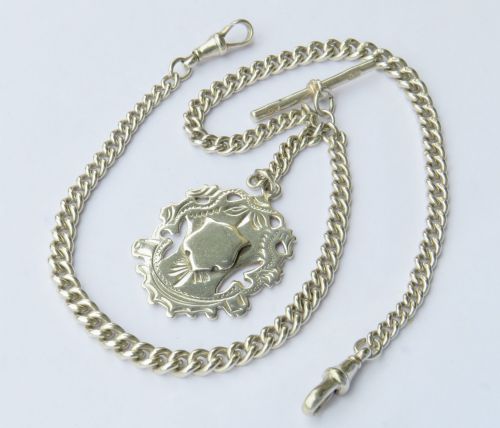
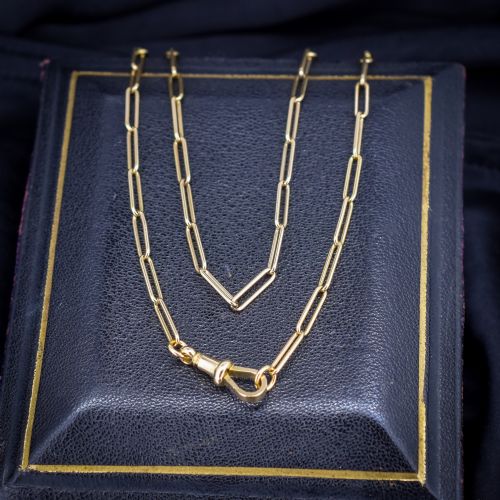
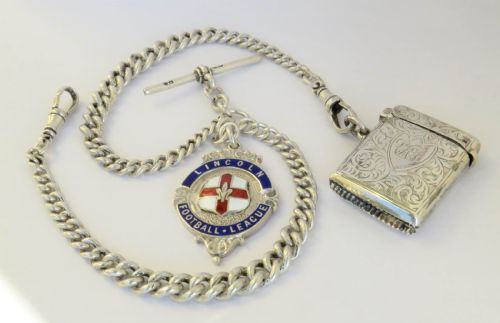
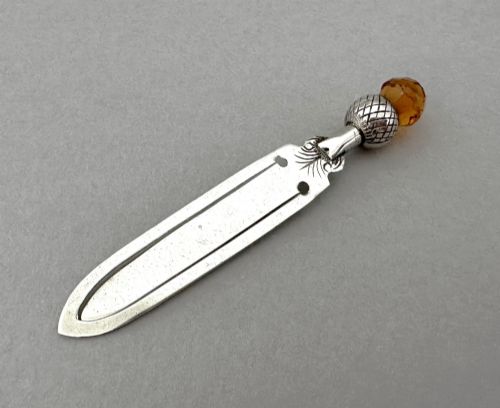
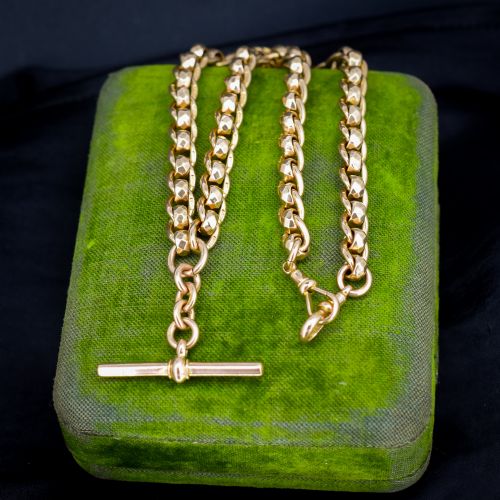
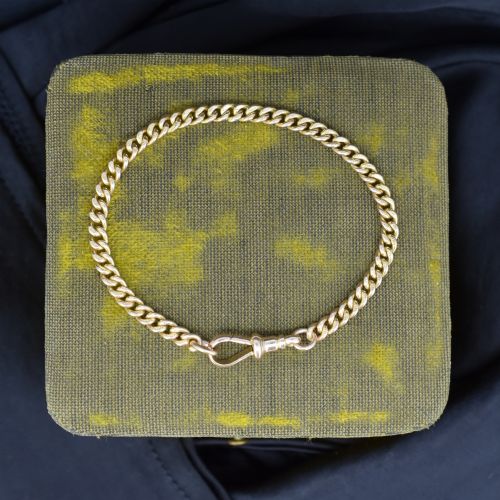
The items most frequently encountered on this page include curb link bracelets fitted with dog clips, long guard chains, gypsy rings, and gem-set pendants. Items range from plain silver bookmarks to diamond and ruby cluster rings created around nineteen hundred.
How they were made
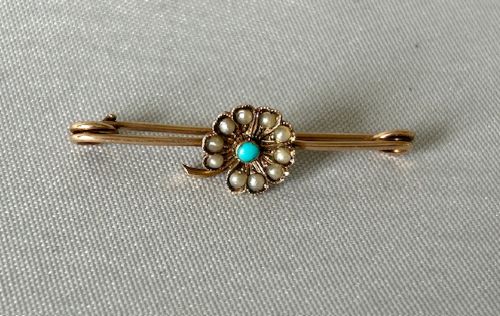
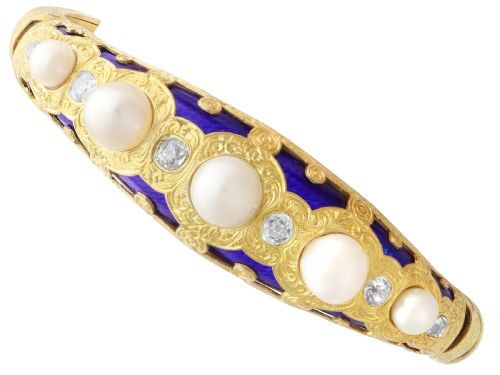
Makers shaped these items using sterling silver, platinum, and varied purities of gold including nine carat, fifteen carat, and eighteen carat yellow and rose gold. Gemstones such as diamond, sapphire, ruby, peridot, opal, turquoise, and rock crystal are set alongside pearls, amber, and agate.
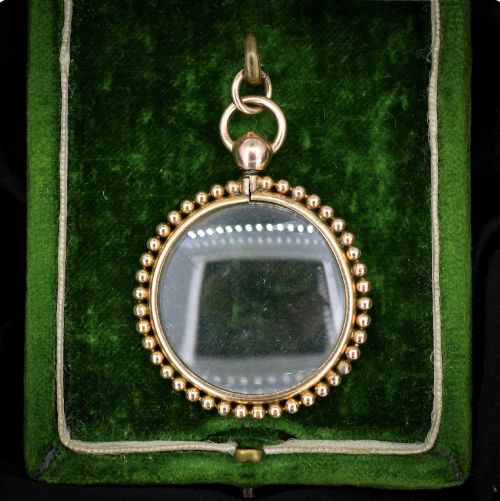
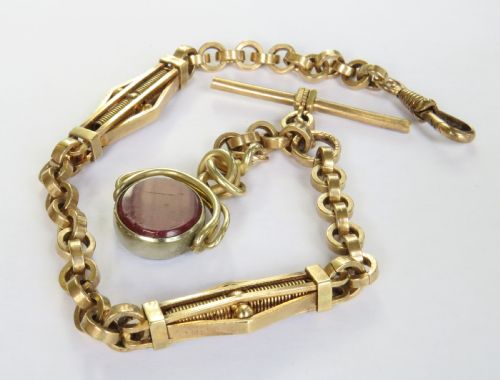
Techniques combine cast and forged metal links with hand-engraved foliate decoration, twist wirework, and secure settings for old-cut diamonds and paste stones. Components frequently incorporate functional elements such as t-bars, dog clips, and hinged mechanisms.
Victorian and Edwardian Jewellery Retail Price Guide 2026
Typical asking prices for victorian and edwardian jewellery among the pieces listed under this phrase on Sellingantiques today, from the lower quarter to the upper quarter. They describe what is for sale here now, not the wider market.
Guard chains stretching up to sixty inches long allowed Victorian wearers to double their security without dropping a single locket.
What varies in quality
Quality separates pieces through the precision of stone setting and the weight and integrity of the underlying metal, whether solid gold or rolled gold. Heavier silver watch chains and substantial gold bangles demonstrate sturdiness in construction.
Subtlety in hand-engraving and the selection of natural stones like solid opals or matched old-cut diamonds distinguish finer workshop outputs from standard commercial production of the period.
Murrle Bennet
The Victorian and Edwardian Jewellery Glossary
- Dog clip
- A spring-loaded swivel fastening commonly found on watch chains and bracelets for securing pendants or locking links together.
- T-bar
- A short metal crossbar attached to the centre of a pocket watch chain, designed to anchor the chain through a waistcoat buttonhole.
- Lavalier
- A pendant featuring a dangling stone or drop suspended from a delicate necklace, popular during the Edwardian era.
- Gypsy ring
- A band featuring stones flush-set into a heavy metal profile that tapers smoothly towards the back of the finger.
- Rolled gold
- A durable material made by fusing a thin layer of gold to a base metal core under heat and pressure.
Victorian and Edwardian Jewellery: Frequently Asked Questions
How do I wear an antique watch chain?
Watch chains featuring t-bars and dog clips can be doubled around the wrist as chunky bracelets or worn long around the neck as guard chains.
Heavier silver and gold examples accommodate charms and lockets safely through their secure swivel clasps.
What is the difference between Victorian and Edwardian styles?
Victorian pieces often employ heavier yellow gold, intricate chased metalwork, and substantial gem clusters associated with nineteenth-century sentiments.
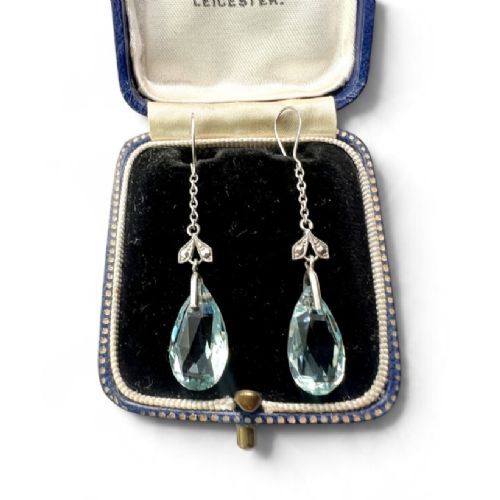
Edwardian designs favour lighter platinum and silver settings, lace-like openwork, and delicate stones such as aquamarine and seed pearl.
Are these diamonds modern cuts?
Diamonds from this era typically feature old mine cuts or old European cuts rather than contemporary brilliant facets.
These older cuts display smaller tables and deeper pavilions that catch candlelight and gaslight distinctly.
How should I care for antique pearl jewellery?
Natural and seed pearls require gentle cleaning with a soft, dry cloth after wearing to remove cosmetic residues.
Avoid immersing pearl jewellery in liquid chemical cleaners or ultrasonic baths which can damage the organic nacre.