




Victorian Accent Cabinet
A Victorian accent cabinet brings nineteenth-century timber and craftsmanship into a modern interior, offering both storage and decorative focus.
Victorian Accent Cabinet
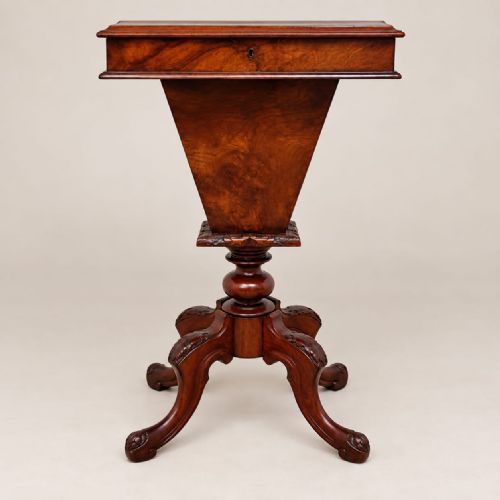
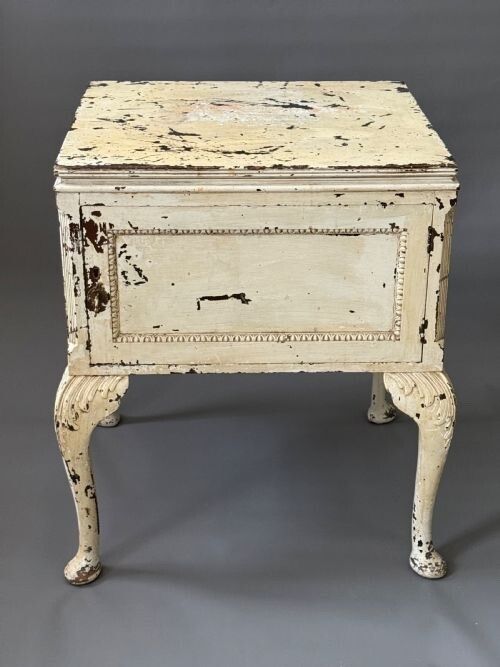
A Victorian accent cabinet encompasses small-scale nineteenth-century storage pieces including bedside cabinets, miniature table top cupboards, pier cabinets, and diminutive sideboards.
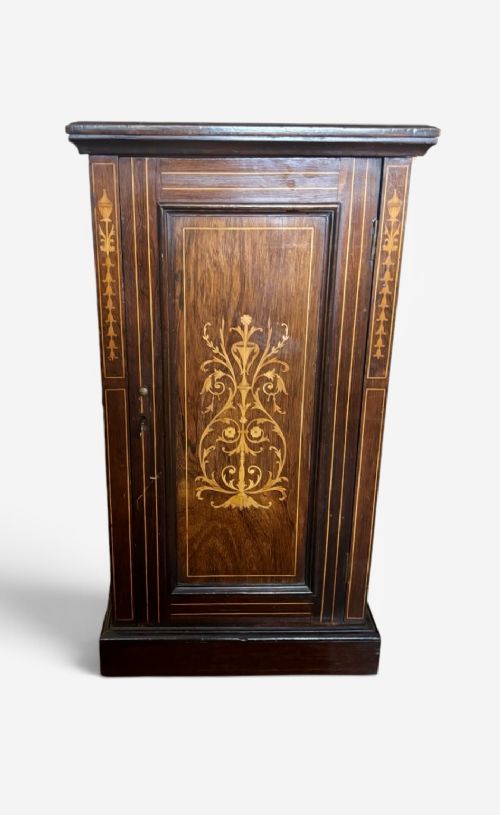
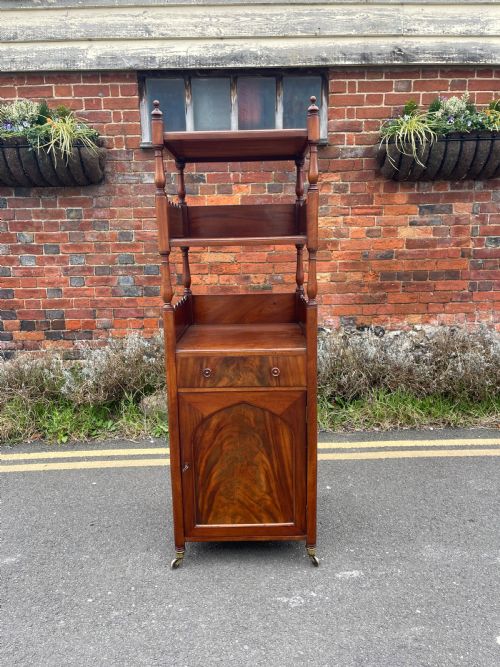
Buyers seeking a Victorian accent cabinet will frequently encounter timber constructions from the nineteenth century, including walnut, mahogany, rosewood, and burr walnut.
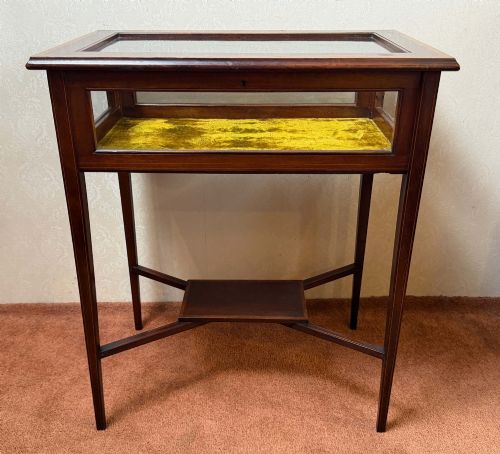
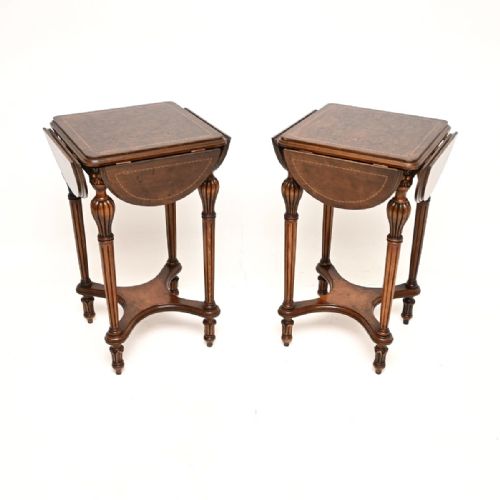
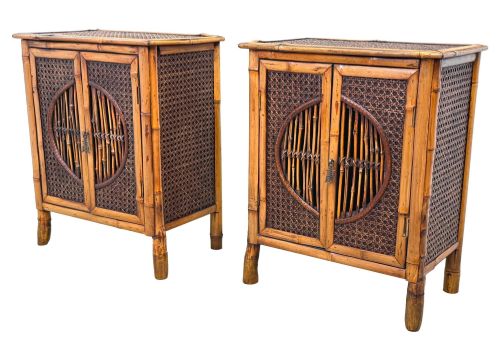
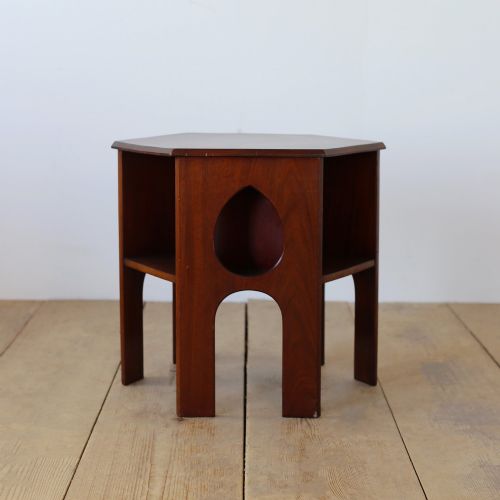
The selection on this page demonstrates various Victorian iterations, spanning from Aesthetic Movement bamboo designs and Japonisme tables to Flemish Renaissance Revival hall cupboards.
Materials and construction
Cabinet makers utilised dense hardwoods such as mahogany, walnut, and rosewood, often enhanced with satinwood inlay, brass fittings, or ormolu mounts.
Alternative materials appear in specific stylistic contexts, notably bamboo and cane for Aesthetic Movement pieces, alongside carved oak and painted pine.
Victorian Accent Cabinet Retail Price Guide 2026
Typical asking prices for victorian accent cabinet among the pieces listed under this phrase on Sellingantiques today, from the lower quarter to the upper quarter. They describe what is for sale here now, not the wider market.
The selection includes work tables, etageres, canterleys, and miniature cupboards spanning the Victorian era.
Assessing quality in Victorian cabinetry
Quality rests in the precision of the timber selection, such as figured burr walnut or rich mahogany grain, matched with refined execution of inlays and carving.
Subtlety of design and structural integrity elevate certain pieces, distinguishing standard production work from items reflecting specific stylistic movements or documented designs.
Gabriel Viardot·E W Godwin
The Victorian Accent Cabinet Glossary
- Aesthetic Movement
- A late nineteenth-century design style that emphasised visual beauty over narrative content, often incorporating bamboo or Japanese-inspired motifs.
- Japonisme
- A nineteenth-century Western fascination with Japanese art and aesthetics, visible in furniture forms and decorative details of the period.
- Ormolu
- Gilt bronze mounts applied to furniture for decorative effect, commonly seen on polished cabinet doors and corners.
- Pier Cabinet
- A narrow cabinet designed to fit against the wall space between windows during the nineteenth century.
Victorian Accent Cabinet: Frequently Asked Questions
What counts as a Victorian accent cabinet?
A Victorian accent cabinet refers to smaller nineteenth-century storage and display furniture, including bedside cupboards, miniature tabletop cabinets, and pier units.
These pieces were produced in various woods like mahogany, walnut, and rosewood, often featuring stylistic influences ranging from the Aesthetic Movement to Flemish revivalism.
How were bedside cabinets used originally?
In nineteenth-century bedrooms, these small cupboards housed chamber pots and personal items, keeping them concealed out of sight.
Over time, their compact proportions made them versatile for modern living as bedside tables or small accent pieces in hallways and living rooms.
How do I identify Aesthetic Movement pieces?
Aesthetic Movement pieces from the late nineteenth century frequently utilise unusual materials like bamboo and cane, alongside simple geometric lines.
They often reflect international influences, particularly Japanese design principles, distinguishing them from heavier, traditional Victorian revival furniture.
Where should I place a pier cabinet?
Pier cabinets were originally built to stand against the narrow wall space between two windows in a Victorian drawing room.
In a contemporary home, they suit similar narrow wall spaces or corners where a full-sized sideboard would overwhelm the room.