

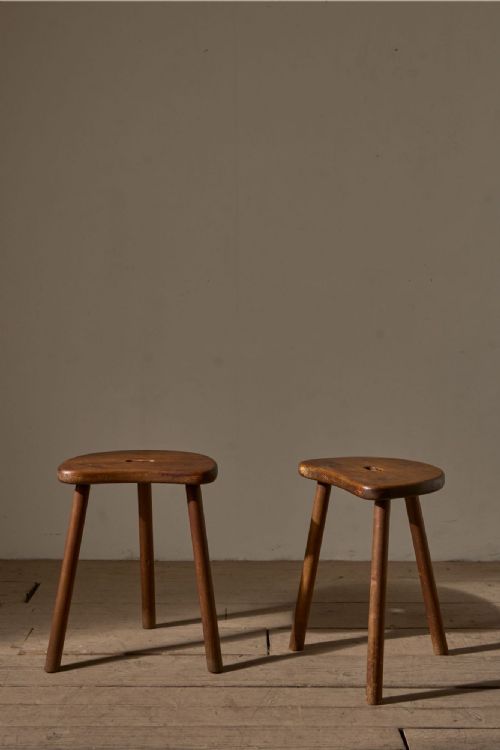


Vernacular Tripod Stool
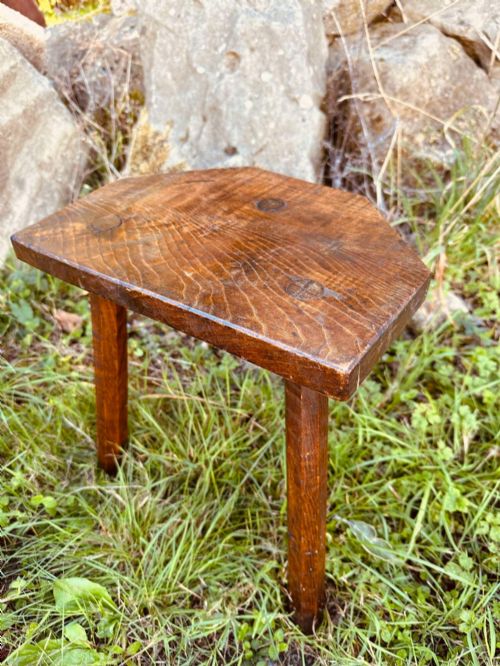
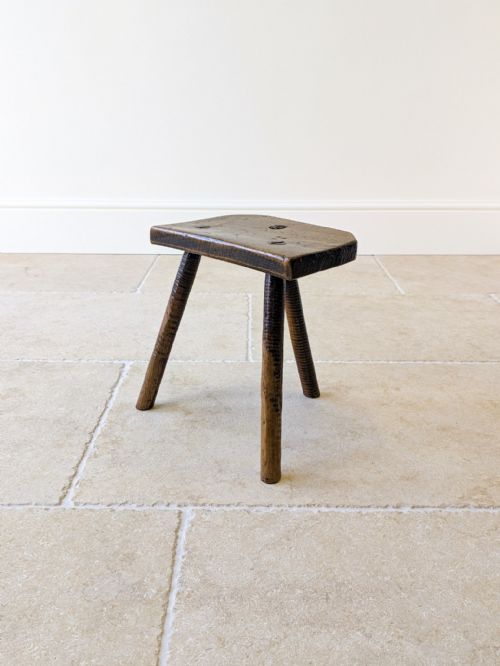
These vernacular tripod stool examples span eighteenth-century oak to nineteenth-century elm, offering robust timber surfaces and splayed legs built for practical country life.
Vernacular Tripod Stool
A vernacular tripod stool represents utilitarian seating shaped by rural necessity rather than metropolitan fashion. These pieces include dairy stools, milking stools, and cutler's stools designed for specific rural and industrial tasks.
Most examples found here date from the nineteenth century alongside Georgian pieces. They typically feature solid timber tops supported by three splayed legs driven directly into the seat.
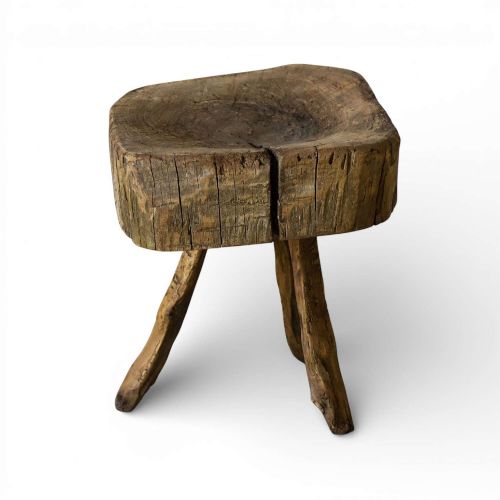
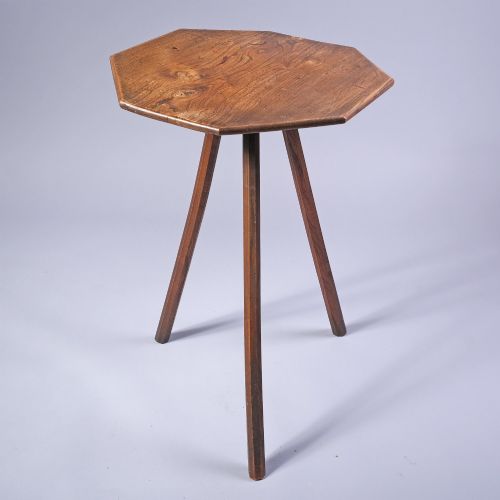
The forms range from circular elm slabs to carved chopping blocks and occasional tables. Buyers encounter rustic country styles that reflect local materials and regional traditions.
Materials and construction
These stools rely on native hardwoods such as elm, ash, and oak chosen for toughness and resistance to splitting. Solid walnut and pine also appear among the listed timber varieties.
Makers utilised green woodworking techniques, turning or cleaving legs from fresh timber and wedging them into bored holes beneath the seat. Blacksmith repairs and iron fastenings frequently reinforce early joints.
Vernacular Tripod Stool Retail Price Guide 2026
Typical asking prices for vernacular tripod stool among the pieces listed under this phrase on Sellingantiques today, from the lower quarter to the upper quarter. They describe what is for sale here now, not the wider market.
Distinctions in quality
Quality rests on the integrity of the timber slab and the balance of the splayed legs. Heavier elm tops with pronounced grain show superior selection by the original maker.
Original surface patination and honest working wear distinguish better examples. Early blacksmith repairs and untouched painted finishes add historical depth without diminishing structural merit.
The Vernacular Tripod Stool Glossary
- Vernacular
- Objects made by local artisans to fulfill everyday practical needs using regional materials. This approach prioritises function over academic design styles.
- Splayed legs
- Legs angled outward from the centre of the seat to provide stability on uneven floors. This three-legged arrangement prevents rocking.
- Live edge
- A natural edge of the tree retained along the margin of the wooden seat or table top. It displays the organic contour of the original timber.
- Hedgerow legs
- Unrefined supports shaped from raw branches or small-diameter timber harvested locally. They embody the rustic folk art tradition.
Vernacular Tripod Stool: Frequently Asked Questions
What were these stools used for?
These pieces served practical roles in dairies, farmhouses, and workshops where a stable three-legged seat prevented rocking on uneven stone floors. Milkers, cutlers, and rural workers relied on them for daily tasks.
Over time, many transitioned from utility items to decorative accent pieces in domestic interiors. Their compact footprint makes them useful as occasional tables or plant stands today.
How do I spot a Georgian period piece?
Georgian examples often display finer turning on the legs and more deliberate edge moulding on the seat. The timber choice tends toward dense walnut or seasoned oak.
Construction details like pegged joints and period blacksmith bracing help confirm the era. Comparing the tool marks to nineteenth-century pieces reveals earlier hand-working methods.
Are painted finishes original?
Some dairy and country stools retain early or original layers of paint applied to protect the softwood or hardwood. Traces of historical pigment contribute to the character of utilitarian pieces.
Distinguishing between old working paint and later decorative coatings requires examining wear patterns around the edges. Genuine functional wear sits naturally beneath the pigment layer.
How should I care for old timber?
Keep these items away from direct heat sources and dramatic humidity fluctuations to prevent the solid elm or oak from splitting. Natural wax helps nourish dry grain without sealing the historic surface.
Allowing the wood to breathe preserves the patination accumulated over centuries of use. Gentle dusting maintains the finish safely.