

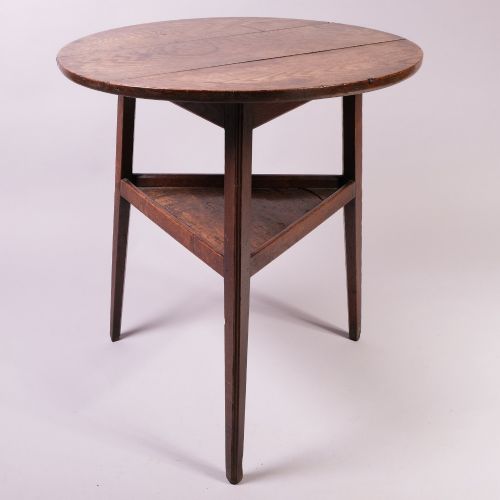


Vernacular Oak Side Table
These vernacular oak side table examples are honest country pieces shaped by local hands, offering rugged charm and practical utility for modern homes.
Vernacular Oak Side Table
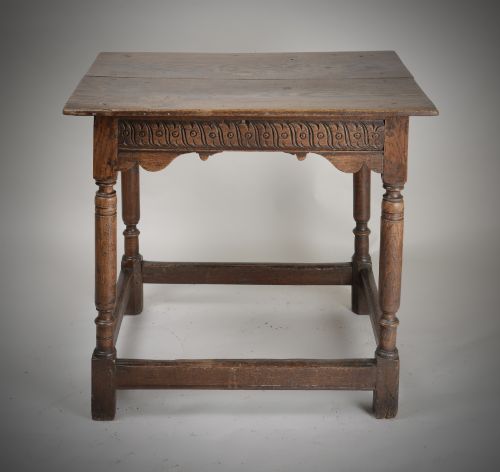
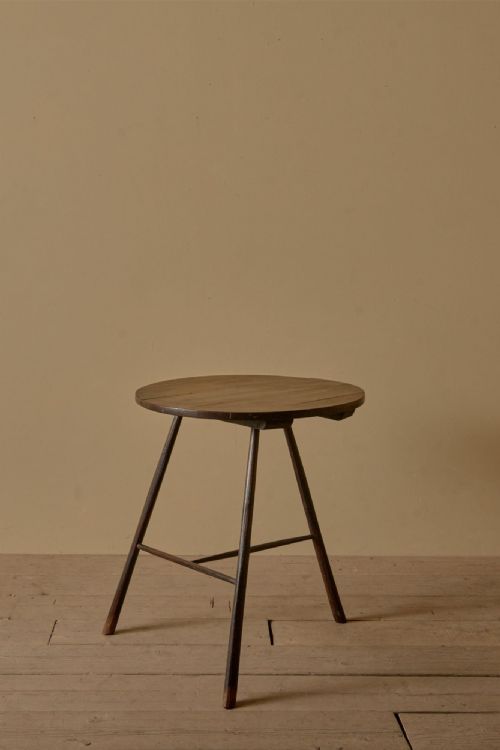
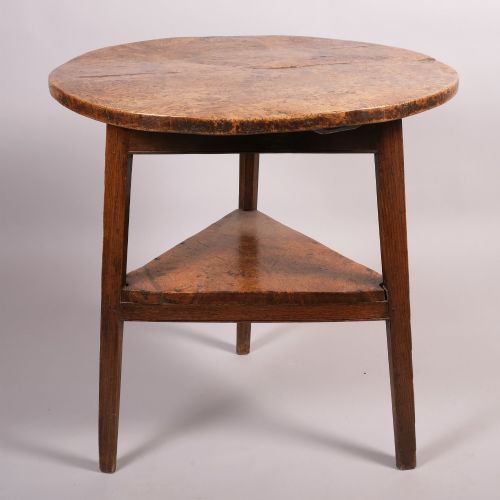
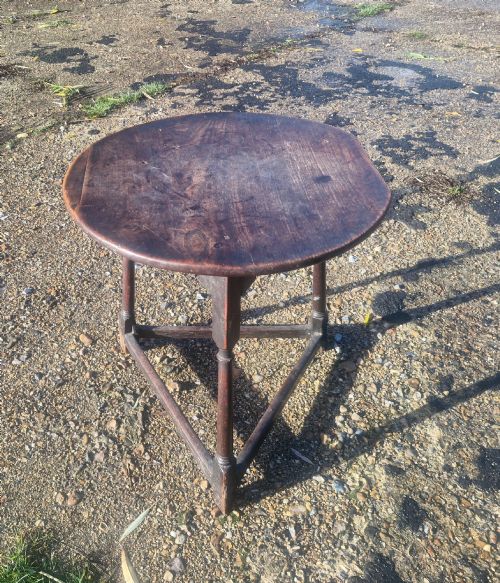
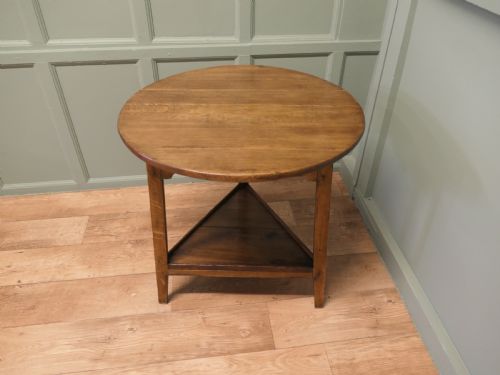
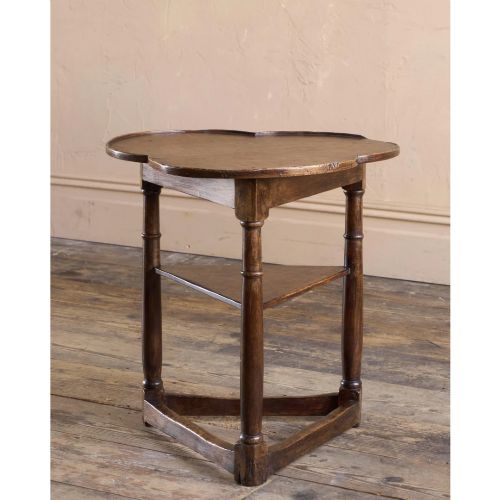
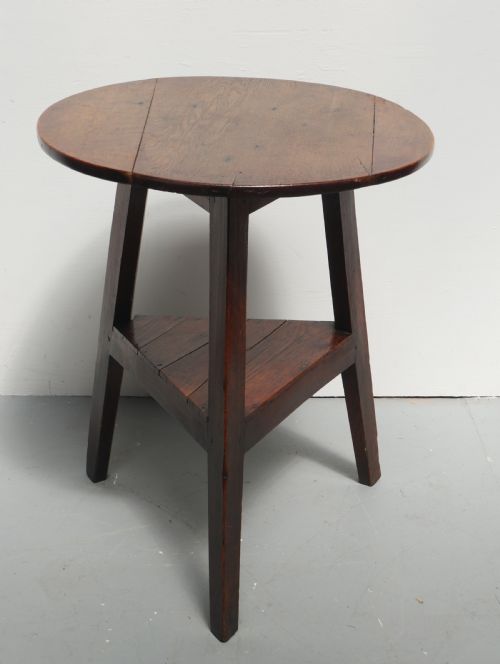
A vernacular oak side table embodies the utilitarian spirit of English and Welsh country houses, often taking the form of three-legged cricket tables or low occasional surfaces. These unpretentious objects were built for daily use in farmhouses and cottages rather than grand parlours.
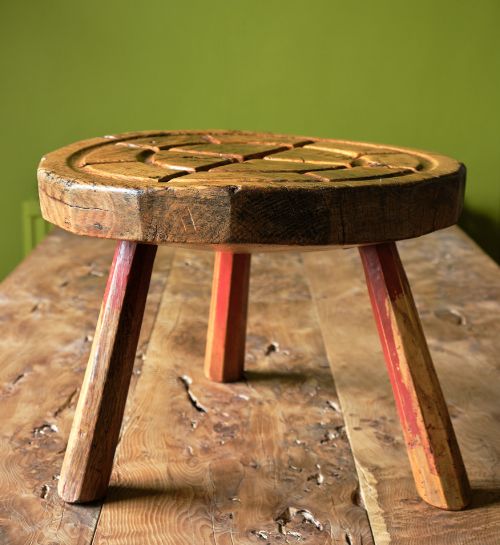
The inventory on this page draws heavily from the seventeenth, eighteenth, and nineteenth centuries, spanning Georgian and rustic country styles. Alongside traditional tripod tables, buyers will encounter related vernacular forms such as joint stools, milking stools, and dresser bases.
Regional variations emerge clearly across the selection, particularly in pieces originating from Wales or specific areas like Monmouthshire and Snowdonia. Such tables rely on simple construction methods, prioritising sturdy function and honest materials over ornate decoration.
What varies in quality
Quality in a vernacular oak side table rests in the integrity of the timber, the thickness of the top plank, and the retention of original surface patination. Untouched boards bearing centuries of wear carry far more integrity than pieces stripped or aggressively sanded down.
Vernacular Oak Side Table Retail Price Guide 2026
Typical asking prices for vernacular oak side table among the pieces listed under this phrase on Sellingantiques today, from the lower quarter to the upper quarter. They describe what is for sale here now, not the wider market.
Some cricket tables were built with slightly uneven leg lengths, deliberately engineered to sit steady on lumpy cottage flagstones.
The Vernacular Oak Side Table Glossary
- Cricket table
- A small three-legged occasional table, typically featuring a round wooden top and splayed legs designed for stability on uneven floors. This form is a staple of country vernacular furniture.
- Vernacular
- Furniture made by local craftsmen using regional styles and native materials, distinct from urban high-style cabinet making. These objects served practical everyday domestic functions.
- Trefoil top
- A tabletop shaped with three overlapping lobes, creating a clover-like outline. This uncommon variation adds decorative flair to an otherwise utilitarian tripod table.
- Joint stool
- A sturdy wooden stool constructed with mortise and tenon joints held together by wooden pegs. They often served multiple purposes as seating or small makeshift surfaces.
- Dresser base
- A low utilitarian sideboard featuring drawers or open space beneath the top surface. They were essential storage items in Welsh and English country kitchens.
Vernacular Oak Side Table: Frequently Asked Questions
What is a cricket table?
A cricket table is a small, three-legged occasional table with a round top, traditionally designed to stand firmly on uneven farmhouse floors. The three-legged format prevents rocking on flagstones.
These pieces were common in 18th century rural homes for holding candles, drinks, or small domestic items close to the hearth.
How do I care for antique oak?
Antique oak requires minimal intervention, benefiting mostly from occasional applications of beeswax to nourish the dry timber. Avoid placing these tables near direct heat sources or strong sunlight.
Keeping the environment stable prevents the old wood from splitting and preserves the natural surface patination accumulated over centuries.
Where were these tables made?
The pieces originate primarily from rural workshops across England and Wales, with many examples linked specifically to Welsh regions like Monmouthshire and Snowdonia. Local carpenters used whatever native timber was at hand.
This regional independence gave country furniture its distinctive character, diverging sharply from standardised London workshop output.
Are these tables sturdy enough for daily use?
Most vernacular tables were built for heavy domestic labour and remain remarkably durable today. The pegged joinery and thick timber tops handle everyday placement of lamps or books with ease.
Care should be taken with older tripod bases to avoid applying excessive downward pressure on single outer edges.