
Vernacular Oak Armchair
These robust vernacular oak armchairs unite regional British craftsmanship with domestic utility, offering unpretentious character to any room.
Vernacular Oak Armchair
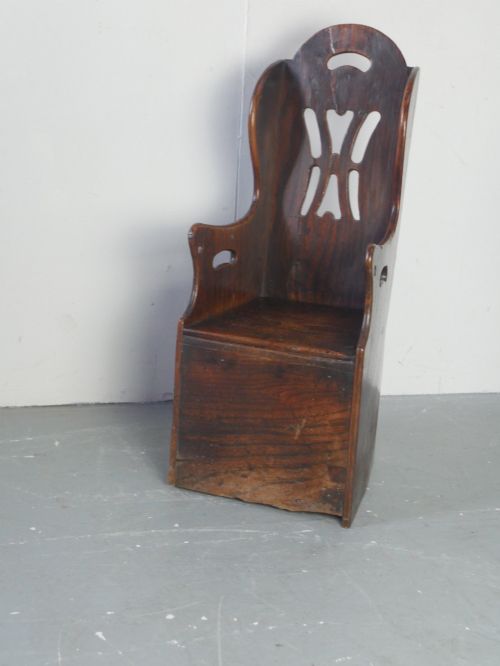
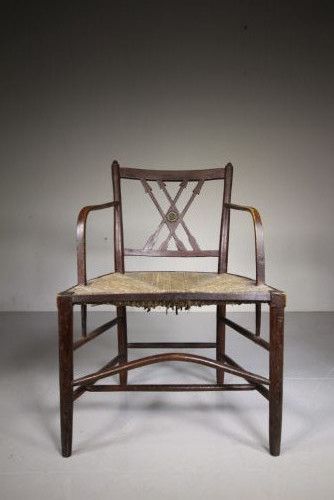
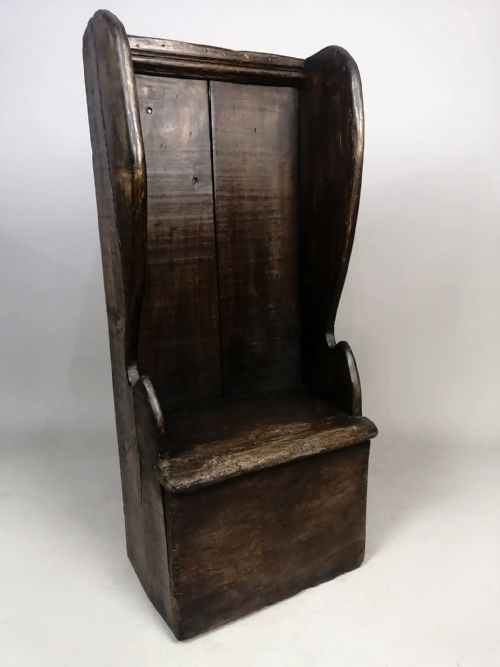
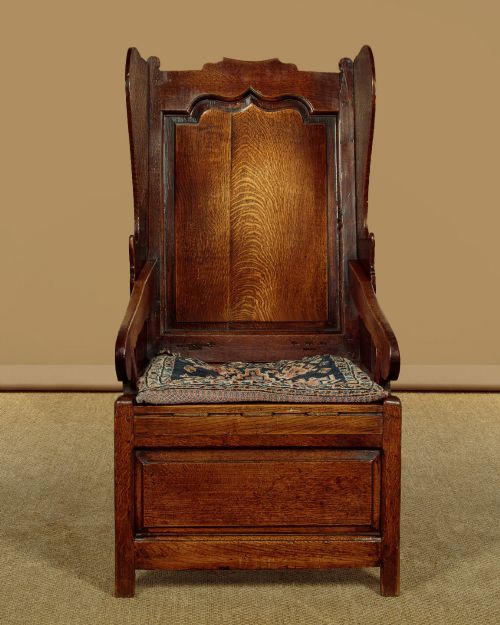
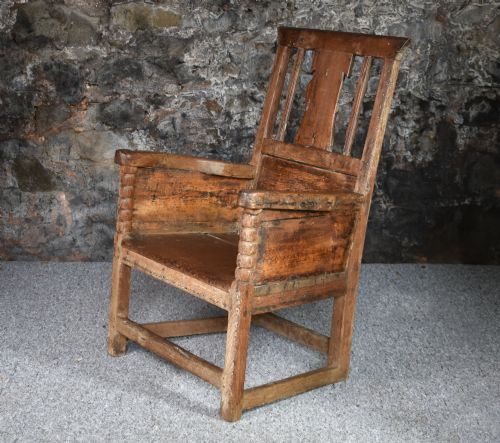
A vernacular oak armchair represents the honest, practical seating traditions developed across rural British households over several centuries. When exploring this selection, buyers encounter functional forms shaped by local makers rather than formal urban workshops. Pieces range from straightforward country seating to specialised regional designs.
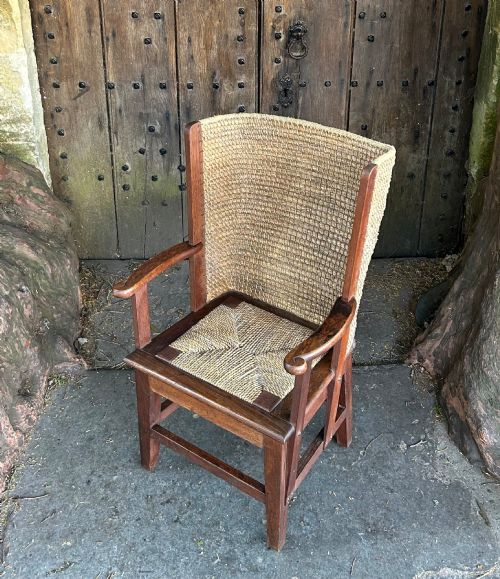
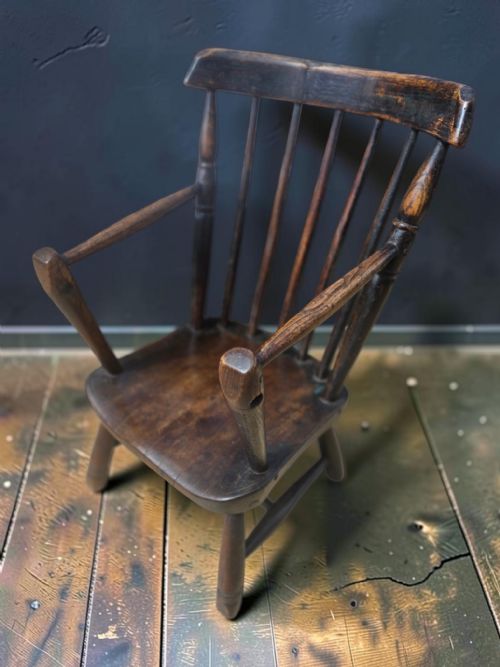
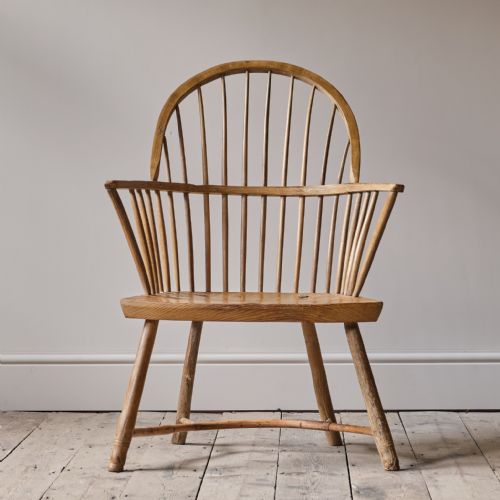
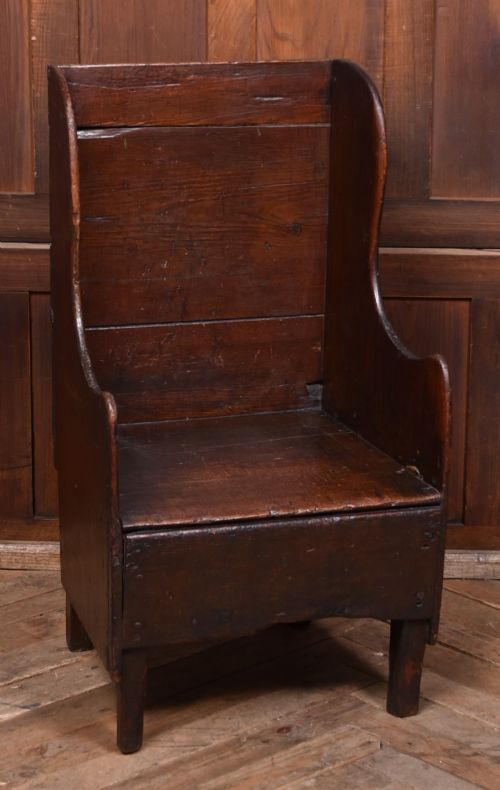
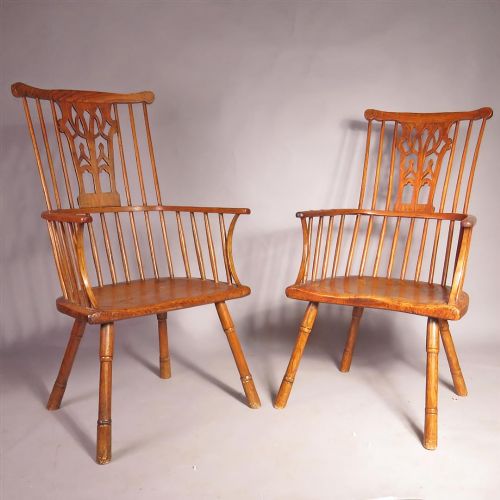
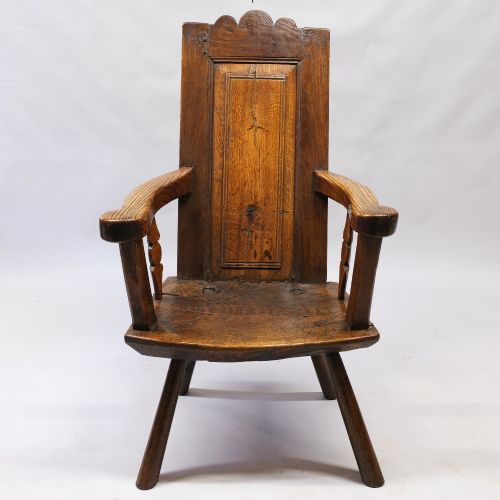
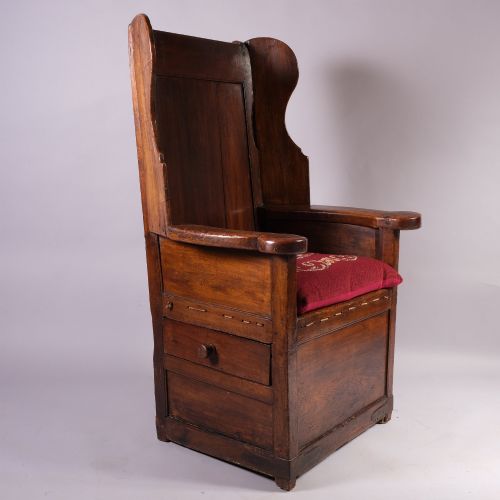
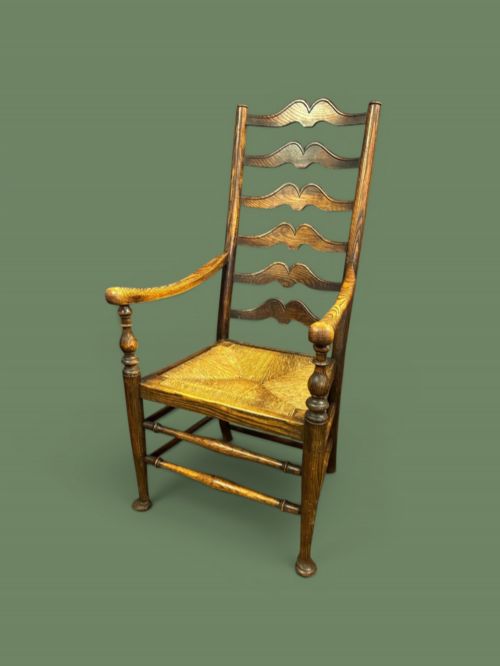
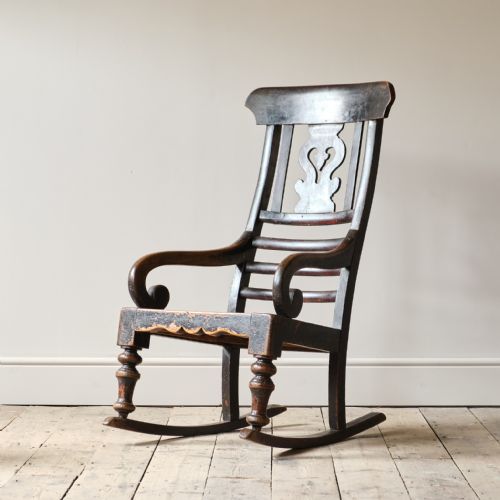
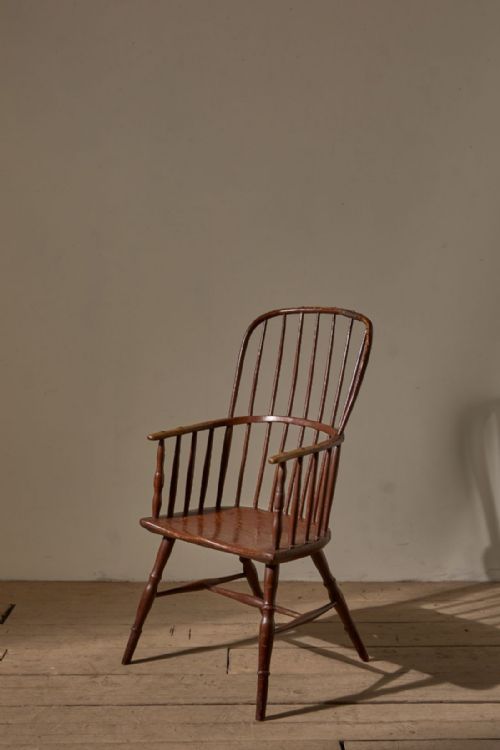
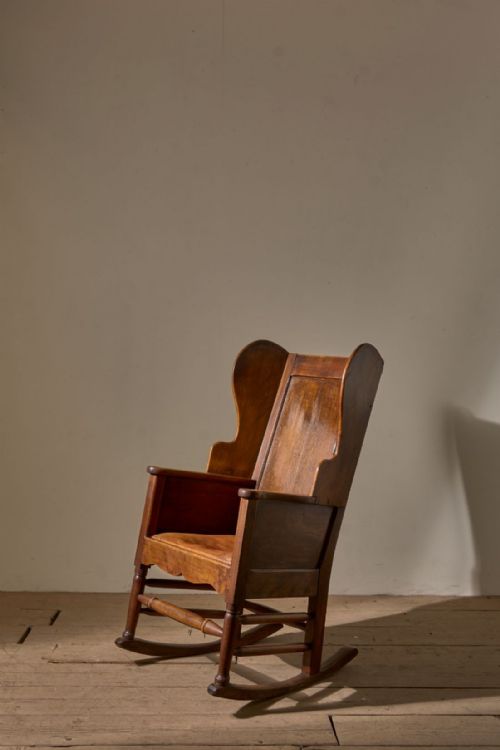
The materials and styles span centuries of domestic life, drawing on oak alongside elm, ash, and fruitwood. Examples include lambing chairs, Windsor chairs with hoop or comb backs, ladder backs, and regional Orkney or Welsh forms. Many incorporate rush seats, painted surfaces, or structural rocking mechanisms.
Most items on this page date from the eighteenth and nineteenth centuries, capturing periods when rural joiners built sturdy furniture for everyday use. One frequently meets child versions alongside full-sized armchairs, reflecting the complete spectrum of domestic seating requirements in historical country homes.
How They Were Made
Makers built these chairs using solid native timbers, selecting oak for framing alongside flexible ash and elm for spindles, bent backs, and seats. Woodworkers shaped components by hand, utilising traditional jointing techniques such as mortise and tenon to ensure long-term stability under heavy daily use.
Regional variations dictated construction methods, from steam-bent wooden hoops on Windsor chairs to solid plank seats scooped out for comfort. Surfaces were often left bare to age naturally, though historical finishes like paint or dark stains frequently survive on country examples.
Several miniature child lambing chairs survive, proving that toddlers once required draft protection by the hearth just like adults.
What Varies in Quality
Quality rests upon the integrity of the original construction and the proportion of the frame. Chairs retaining their early timber surfaces and uncompromised structural joinery demonstrate superior integrity compared to examples with extensive replacement parts.
Regional distinctiveness and sculptural presence separate ordinary seating from exceptional examples. A chair displaying well-balanced proportions, clear regional traits like comb backs or panel backs, and harmonious use of mixed timbers holds greater historical interest.
Duncan McKellar of Fenwick
The Vernacular Oak Armchair Glossary
- Lambing chair
- A high-backed timber armchair featuring solid side panels designed to shield the occupant from drafts. These chairs often incorporate under-seat storage compartments.
- Windsor chair
- A seating form constructed with a solid wooden saddle-shaped seat into which the legs and back spindles are directly wedged. Regional variants display distinct back shapes including hoop, comb, and stick constructions.
- Vernacular furniture
- Domestic objects made by local tradesmen or country joiners using regional styles and available materials, uninfluenced by fashionable urban designs.
- Rush seat
- A woven seating surface made from dried marsh rushes twisted into cords. This traditional method provides a resilient and comfortable base for country chairs.
- Comb back
- A Windsor chair variation where the top rail resembles the teeth of a comb, featuring vertical spindles rising through a horizontal arm bow.
Vernacular Oak Armchair: Frequently Asked Questions
How do I identify regional chair styles?
Regional styles appear through specific construction details, such as the comb backs of Welsh chairs or the distinctive high backs of Orkney seating. Local materials also provide clues to origin.
Makers utilised timber and techniques readily available in their specific geographic area, creating distinct local traditions.
Were these chairs used outdoors?
These armchairs were designed primarily for domestic indoor use, particularly around hearths and in farmhouse kitchens. Their robust build helped withstand heavy household routines.
Some specialised forms, such as lawn chairs, were made for lighter outdoor resting when weather permitted.
How should I care for antique oak?
Antique oak benefits from stable indoor humidity and protection from direct heat sources that can dry out the timber. Regular dusting with a dry cloth maintains the surface.
Applying occasional appropriate wax helps nourish older wood finishes without building up excessive residue.