
Vernacular Furniture Chair
These vernacular furniture chair selections bring unpretentious domestic history into modern rooms through honest regional timberwork.
Vernacular Furniture Chair
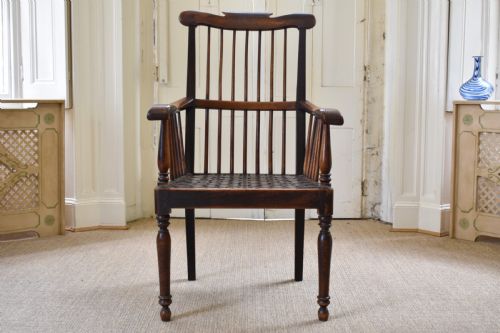
A vernacular furniture chair represents utilitarian regional seating built by local makers for everyday use rather than high-style courtly commissions. These pieces emerge from traditions spanning the seventeenth century through to the Edwardian period and the early twentieth century.
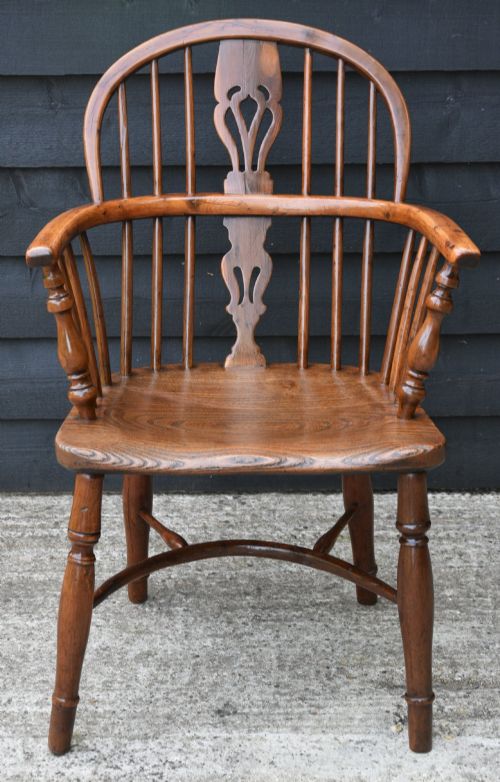
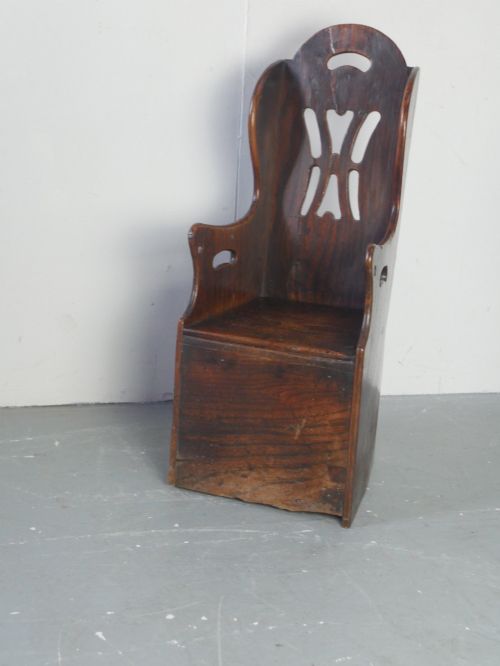
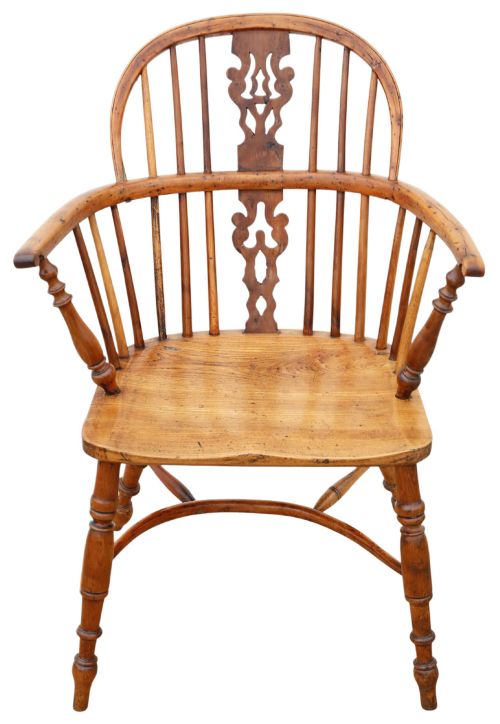
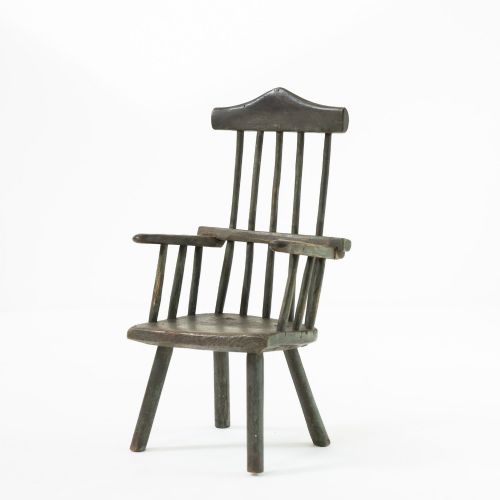
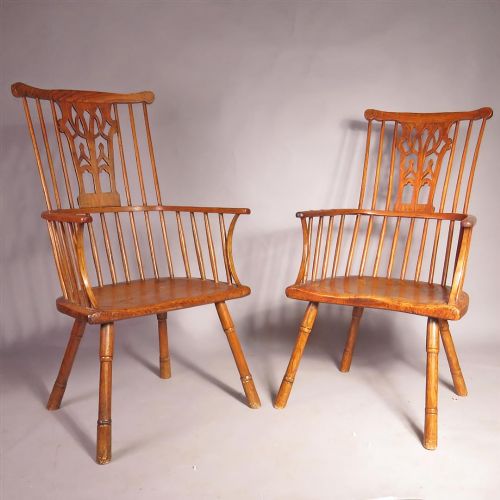
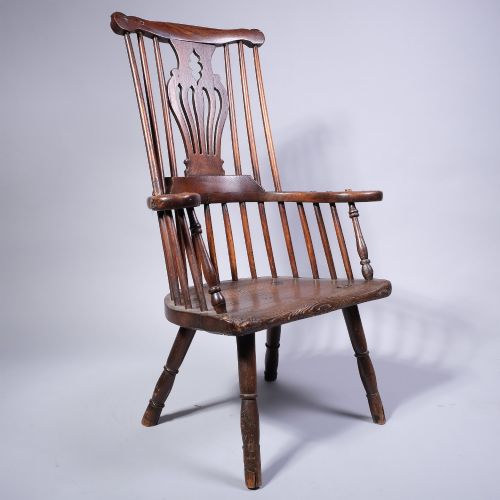
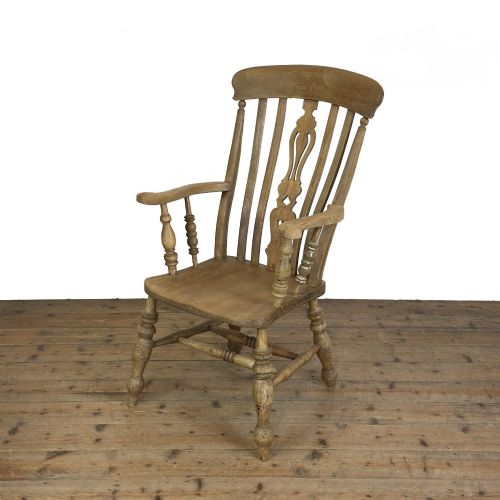
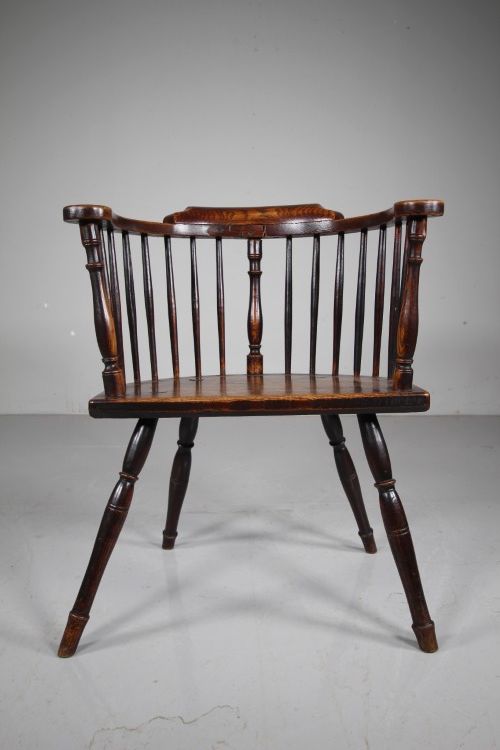
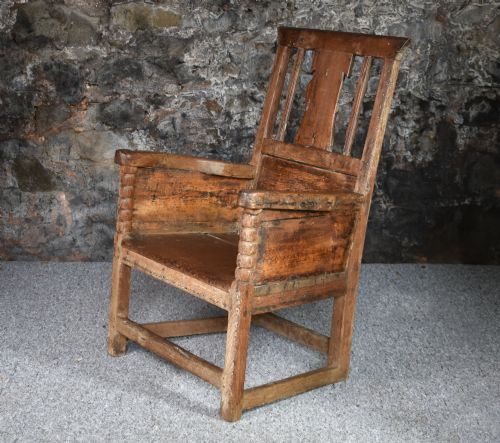
The inventory on this page relies heavily on English, Welsh, Scottish, and Irish country workshops. Common forms include Windsor chairs, stick backs, lambing chairs, and low-backed armchairs designed for farmhouse kitchens, cottages, and crofts.
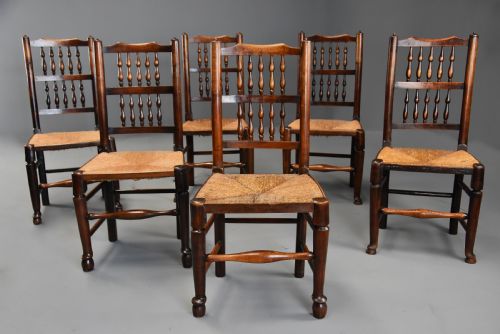
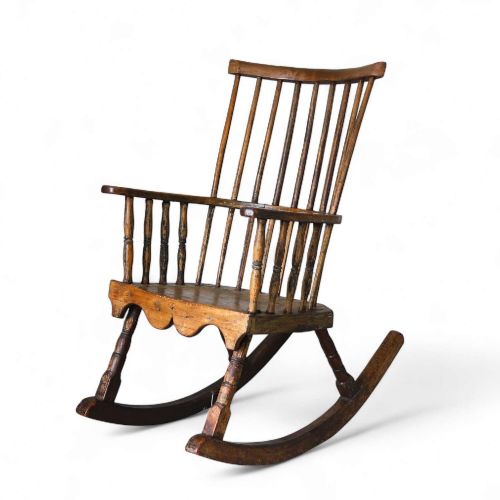
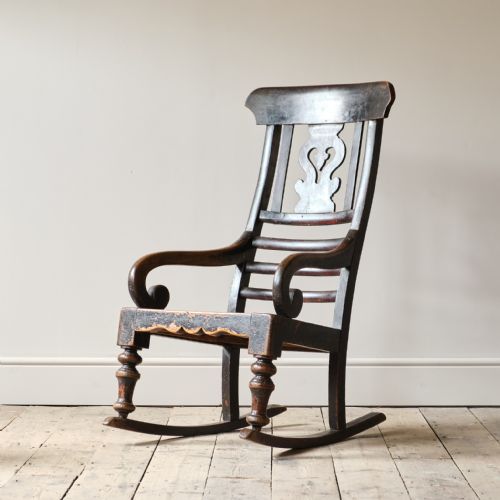
Buyers encounter numerous variations such as children's high chairs, rocking chairs, and dining sets in woods native to the British Isles. These items prioritise comfort and structural integrity above decorative ornament.
Materials and Construction
Constructed primarily from native hardwoods such as elm, ash, yew, oak, and fruitwood, these chairs exploit the natural strengths of each timber. Elm provides durable, splitting-resistant seats, while ash and yew supply flexible spindles and bentwood bows.
Joinery techniques rely on traditional green woodworking methods, including bodging, where turned legs and spindles fit into bored seats using tapered tenons. Seats often consist of solid timber slabs or rush and plaited straw inserts known as súgán.
Surfaces frequently show original painted finishes, scrubbed bare wood, or deep patination acquired through centuries of domestic handling.
Assessing Quality and Character
Quality rests in the harmony of proportion, the choice of contrasting timbers within a single frame, and the integrity of the original construction. Chairs that retain their unreduced height and original wedged joints stand above those with heavily replaced components.
The grain configuration in burr elm seats or yew wood splats distinguishes exceptional regional examples from standard utility seating. Subtle details in comb backs, arm scrolls, and turned leg profiles separate standard workshop production from master regional craftsmanship.
Wheelers of Arncroach
The Vernacular Furniture Chair Glossary
- Windsor chair
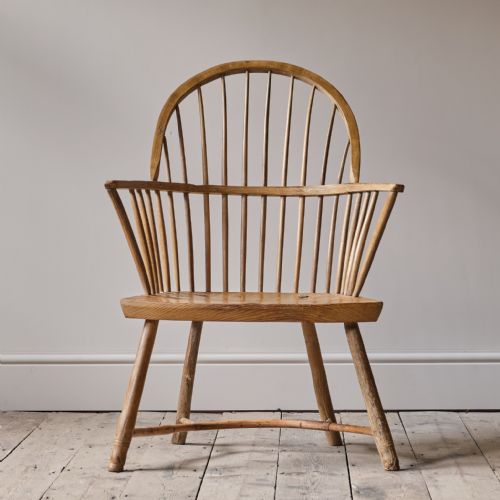
- A chair built with a solid wooden seat into which the legs and back spindles are directly inserted. This design creates a robust, stable frame typical of English country production.
- Comb back
- A Windsor variation where the top rail resembles the teeth of a comb, extending the vertical spindles upwards. This style appears frequently in eighteenth-century Welsh and English regional pieces.
- Lambing chair
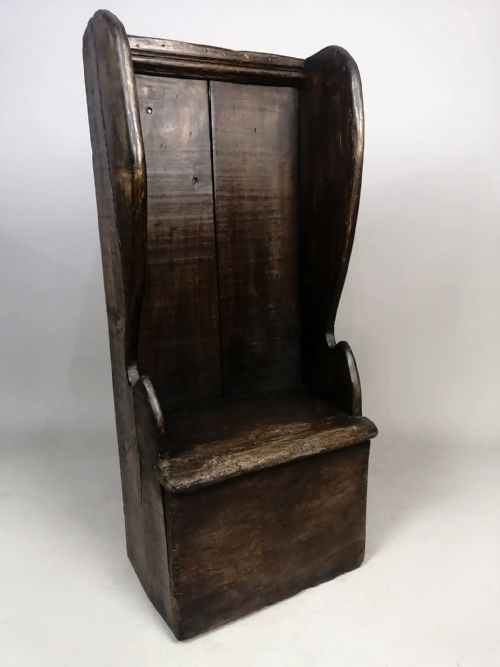
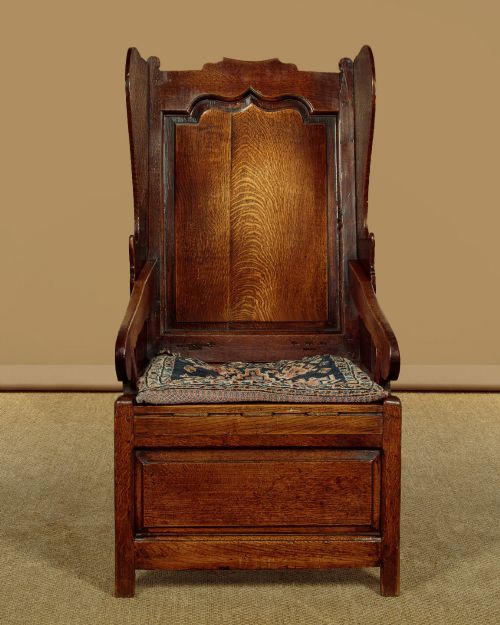
- A hooded or wing-backed armchair traditionally used near hearths to block drafts. Early examples often feature solid wood sides or box bases beneath the seat.
- Súgán
- A type of seat made from plaited straw or hay rope. This technique is characteristic of traditional Irish country seating.
- Bodger
- A travelling pole-lathe turner who shaped green wood chair legs and spindles in the woods near the source of timber. Their output formed the basis for many traditional country chairs.
Vernacular Furniture Chair: Frequently Asked Questions
What is a vernacular chair?
A vernacular chair is a piece of regional furniture made by local craftspeople using available native timbers. These items were designed for practical domestic use rather than following metropolitan fashion.
They reflect the specific traditions and material resources of the areas where they were built, ranging from Welsh valleys to Scottish islands.
How do I date an old wooden chair?
Dating relies on observing tool marks, timber choices, construction methods, and wear patterns. Seventeenth and eighteenth-century examples often exhibit hand-split woods and primitive joinery.
Later nineteenth-century pieces may show the transition to commercially available turned components and standardised sizing.
How should I care for rush and straw seats?
Rush and plaited straw seats require stable indoor humidity and protection from direct sunlight to prevent the natural fibres from becoming brittle. Cleaning should be limited to gentle dusting with a soft brush.
Avoid applying liquid cleaners or polishes to organic cordage, as moisture causes the fibres to rot.