


Vernacular Elm Furniture
Vernacular elm furniture comprises honest, utilitarian country pieces shaped by local makers for domestic and rural life.
Vernacular Elm Furniture
Vernacular elm furniture encompasses seating, tables and storage pieces made for everyday use in rural homes, dairies and farmhouses. Buyers seeking these items will encounter pieces originating primarily from the seventeenth, eighteenth and nineteenth centuries, spanning Georgian and Victorian periods.
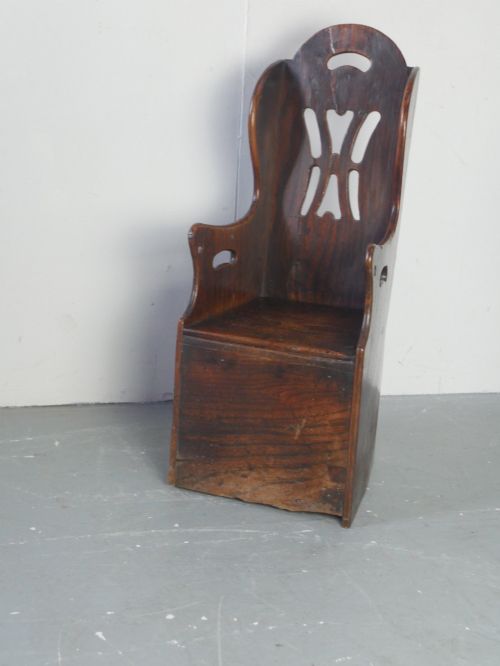
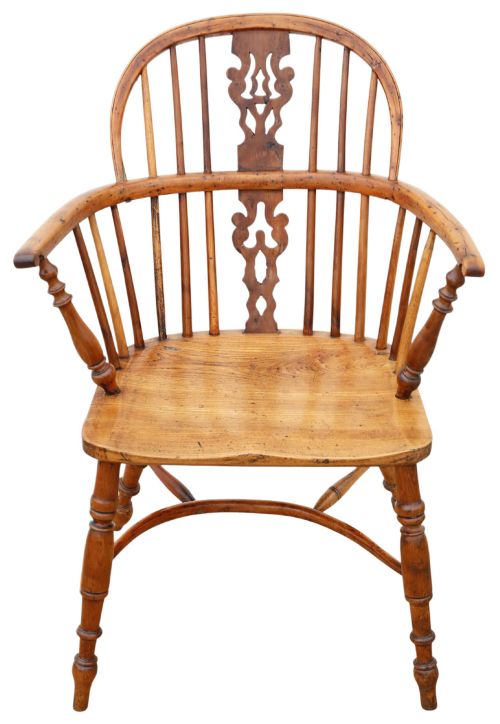
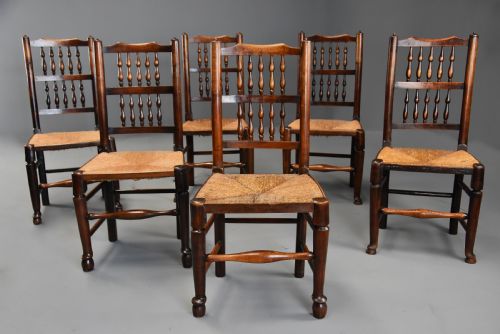
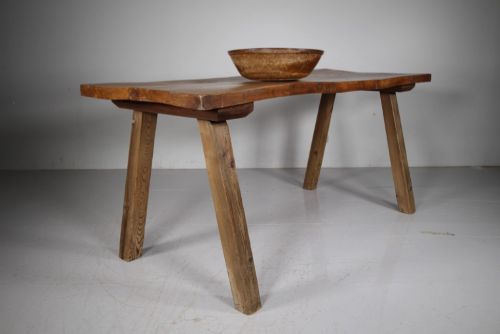
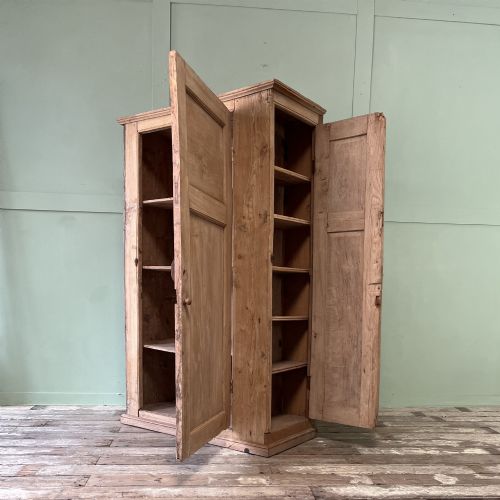
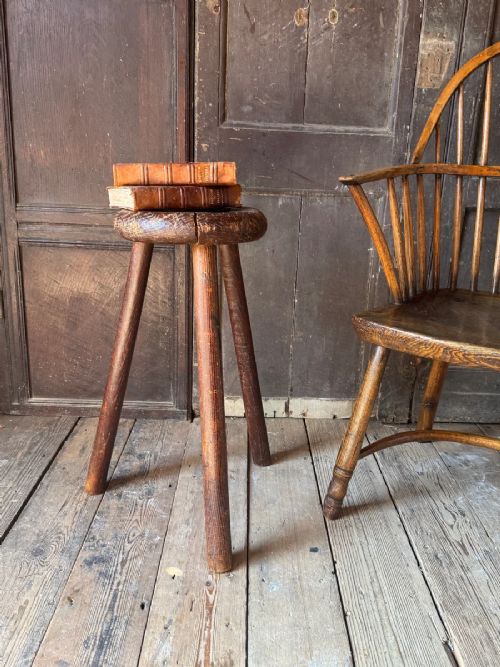
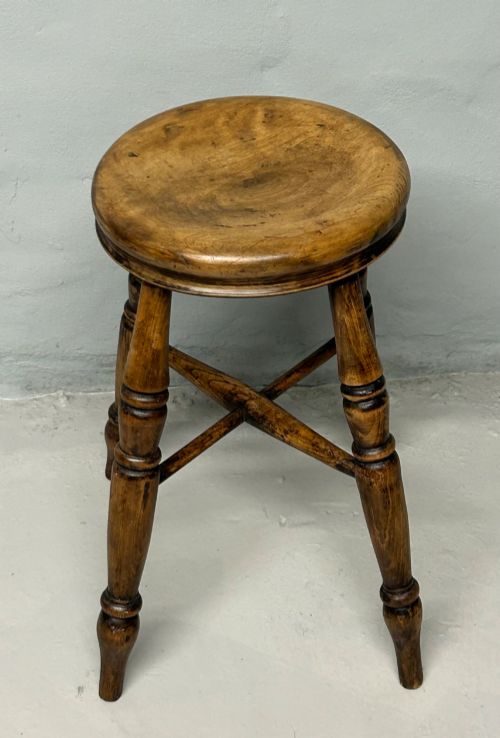
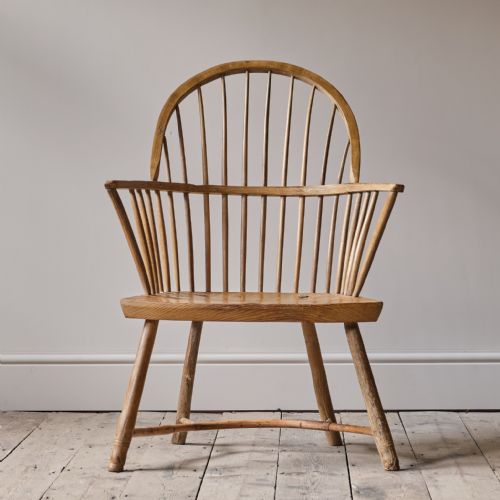
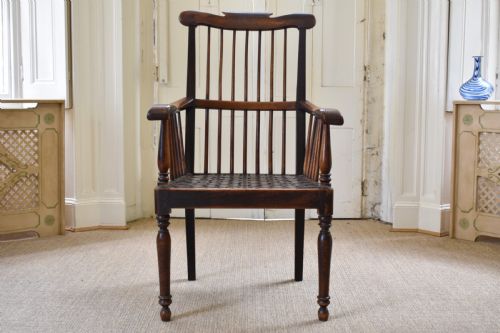
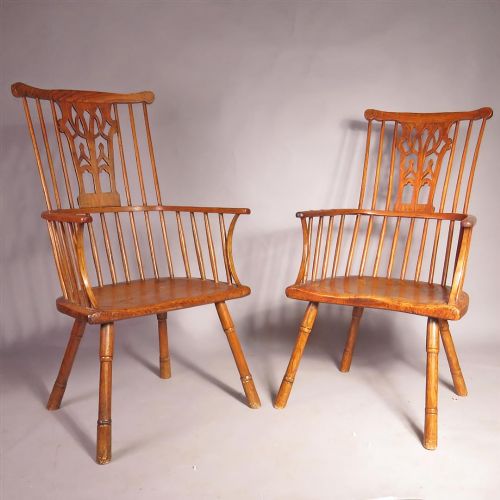
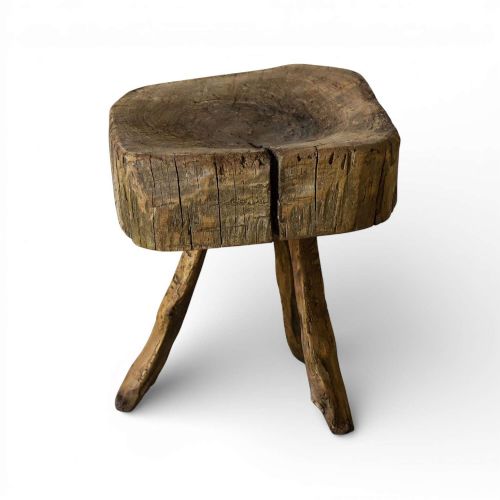
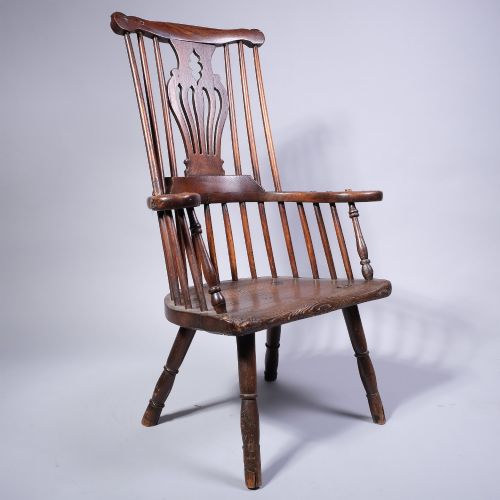
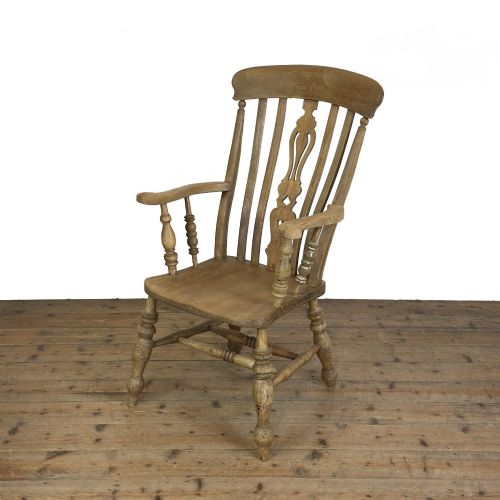
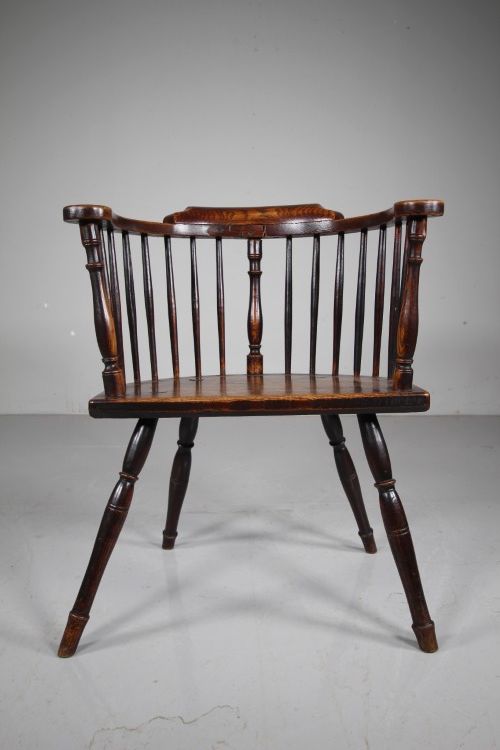
Seating forms dominate the available selection, ranging from spindle back and comb back Windsor armchairs to low stools, milking stools and child chairs. Dining tables, cricket tables and storage cupboards such as food cupboards and bacon settles also appear across English, Welsh and Scottish regional styles.
How they were made
Makers utilised elm for its tough, interlocking grain, which resists splitting when subjected to the hard knocks of daily rural life. This timber was frequently combined with ash for spindles, beech for turned legs, or yew for distinct arched backs and arms.
Construction methods relied on traditional joinery suited to locally available resources, including pegged joints, turned components and solid timber tops fitted directly to underframes. Surfaces often display the marks of primitive hand tools, scrubbed finishes or remnants of early paint.
Small children's potty chairs and miniature Windsor forms survive from the Georgian era, proving that early country households catered to the smallest occupants.
What varies in quality
Quality in this category rests on the integrity of the timber selection, the harmony of mixed woods within a single piece, and the depth of the patination built up through centuries of handling. Examples featuring burr elm or thoughtful combinations of contrasting timbers command greater interest.
Proportion and stance distinguish superior pieces from standard workshop output, as do well-balanced underframes and comfort in seating forms. Untouched surfaces carrying rich, natural wear hold more authority than items stripped down or over-restored.
The Vernacular Elm Furniture Glossary
- Comb back
- A Windsor chair variation where the vertical spindles of the back extend upward to pierce a horizontal crest rail, resembling the teeth of a comb.
- Hoop back
- A continuous bentwood bow forming the back and arm rail of a Windsor chair, usually secured directly into the solid wooden seat.
- Cricket table
- A small, lightweight table with three splayed legs and a circular top, designed for stability on uneven farmhouse floors.
- Patina
- The surface sheen and colour developed on wood over decades of handling, exposure to light and routine cleaning.
- Vernacular
- Objects designed by local tradesmen or makers for practical utility rather than following academic architectural styles.
Vernacular Elm Furniture: Frequently Asked Questions
What is vernacular elm furniture?
Vernacular elm furniture consists of practical household objects made by regional country makers using locally sourced timber. These items were built for daily use in farmhouses, cottages and dairies rather than formal urban drawing rooms.
Survival rates depend heavily on the toughness of elm and the straightforward construction methods employed by rural carpenters and chair bodgers. The resulting pieces reflect the needs of domestic and agricultural life across several centuries.
How do I date a vernacular elm chair?
Dating relies on observing structural characteristics, tool marks and the specific combination of woods used in the construction. Eighteenth-century examples often display simpler, heavier turnings and deeper saddle seats compared to later nineteenth-century equivalents.
Regional variations also provide clues, as specific chair-making traditions developed distinct back shapes and leg placements within particular counties. Examining the wear patterns and the method of joining the seat to the underframe helps establish the likely period.
Why is elm used in country furniture?
Elm possesses a twisted, interlocking grain structure that makes the timber exceptionally difficult to split under heavy impact. This resilience rendered it the ideal material for solid chair seats, chopping blocks and table tops that endured continuous daily strain.
Makers paired elm with straight-grained ash or beech for turned components like legs and spindles, balancing durability with workability. This practical choice of materials ensured long service in demanding rural environments.
How do I care for antique elm furniture?
Antique elm requires stable indoor humidity levels to prevent timber movement or shrinkage in solid top boards and seats. Regular dusting with a dry cloth and occasional application of appropriate wax maintains the surface without sealing the wood.
Keeping pieces away from direct heat sources and strong sunlight protects the historic patination and prevents the joints from drying out. Gentle handling preserves the original surface character built up over generations.