



Vernacular Cabinet
A vernacular cabinet brings unpretentious domestic utility and regional character into a room.
Vernacular Cabinet
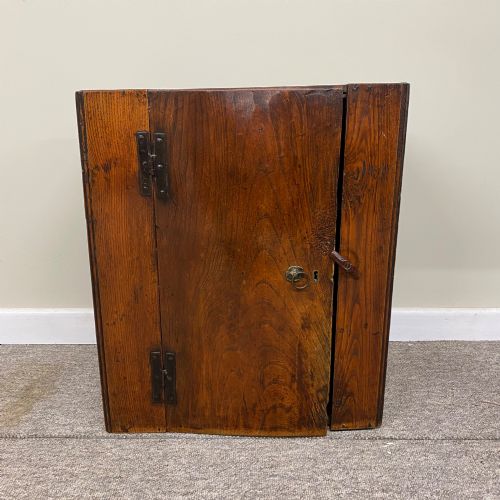
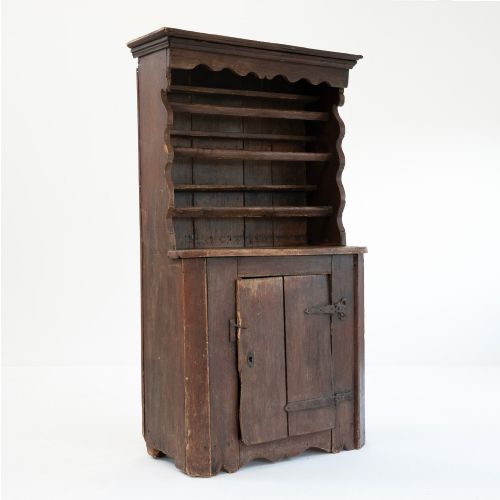
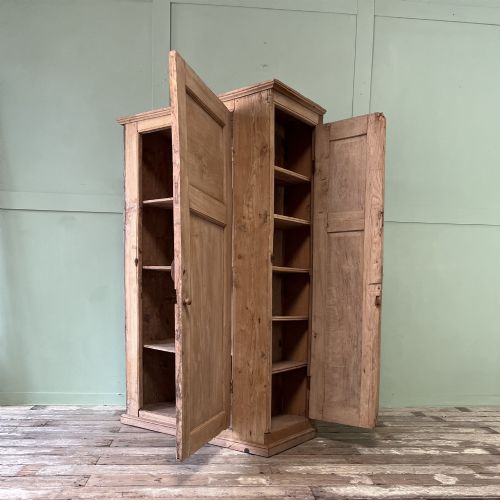
A vernacular cabinet is a piece of utilitarian furniture made by local hands using regional traditions rather than metropolitan designs. When you search for a vernacular cabinet, you encounter forms such as press cupboards, food cupboards, court cupboards, and wall-hanging spice cupboards.
The pieces on this page span the seventeenth, eighteenth, and nineteenth centuries, originating from Wales, Ireland, Scotland, and England. Welsh examples dominate the selection, showing distinctive regional building practices and local timber choices.
Forms range from tall deuddarn cupboards and dresser bases to compact wall-hanging cabinets and bureau desks. Each piece reflects the everyday storage needs of rural households before industrial standardisation took hold.
How they were made
Local joiners and cabinet makers relied on native hardwoods and softwoods available in their immediate surroundings. Oak, elm, and pine provide the primary structural integrity for these pieces, supplemented by wrought iron and brass for hinges and pulls.
Surface treatments vary from polished bare timber to historic layers of paint, particularly on Irish and Scottish pieces. Construction techniques prioritize sturdy utilitarian function, utilising traditional panel and frame methods alongside pegged joints.
Vernacular Cabinet Retail Price Guide 2026
Typical asking prices for vernacular cabinet among the pieces listed under this phrase on Sellingantiques today, from the lower quarter to the upper quarter. They describe what is for sale here now, not the wider market.
Some seventeenth-century Welsh oak cupboards have survived centuries of household life while retaining their original pegged joints.
What varies in quality
Quality in these pieces rests upon the integrity of the original timber and the survival of historic surfaces. Untouched patination and unaltered regional characteristics elevate certain examples above standard utility items.
The sophistication of regional carving, such as the decorative detailing found on seventeenth-century court cupboards, distinguishes master local work from simpler domestic storage.
The Vernacular Cabinet Glossary
- Deuddarn
- A traditional Welsh two-tier press cupboard used for household storage. These pieces typically feature enclosed upper and lower compartments.
- Court cupboard
- An antique heavy timber storage cabinet originating primarily in the seventeenth century. They often display tiered levels and carved detailing.
- Press cupboard
- A large enclosed storage furniture form designed for linens and provisions. These double-doored pieces are fundamental to country vernacular interiors.
- Vernacular furniture
- Domestic items built by local craftsmen using regional styles and materials. These objects eschew high-style metropolitan fashions in favour of practical utility.
- Talwrn dresser
- A specific regional variation of Welsh storage furniture. These pieces combine display shelving or upper compartments with functional base storage.
Vernacular Cabinet: Frequently Asked Questions
What is a vernacular cabinet?
A vernacular cabinet is a regional, utilitarian storage piece made by local craftsmen for everyday domestic use.
These pieces reflect the specific timber traditions and furniture-making styles of areas like Wales, Ireland, and Scotland.
How do I date a vernacular cabinet?
Dating relies on examining construction techniques, timber species, hardware, and stylistic markers tied to specific centuries.
Seventeenth-century pieces often feature heavy carved oak, while eighteenth- and nineteenth-century examples show evolving regional forms like the deuddarn or painted pine cupboards.
Where were these cabinets made?
These pieces were produced across rural Britain and Ireland by local joiners using locally sourced materials.
Wales is particularly well represented, alongside examples originating from Scottish and Irish workshops.
How do I live with antique country furniture?
These robust cabinets integrate easily into contemporary rooms as functional storage in kitchens, dining areas, or living spaces.
Their practical shelving and cupboard space make them as useful today for storing household goods as they were centuries ago.