



Venetian Glass Light
A venetian glass light brings the warmth of historic Italian craftsmanship and brilliant colour straight into your room.
Venetian Glass Light
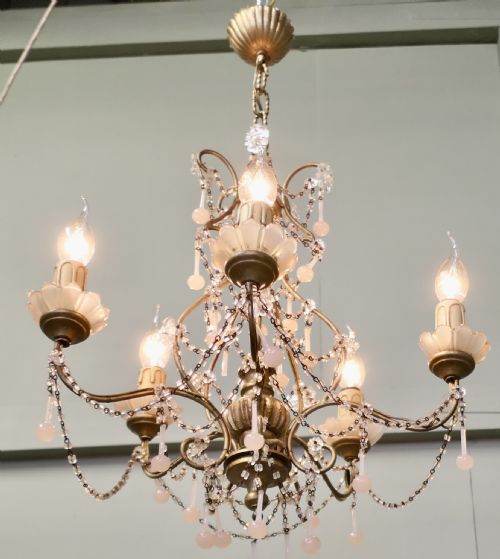
A venetian glass light encompasses a striking array of chandeliers, table lamps, candelabras, wall lights and pendant lights. These fixtures draw upon Italian Venetian, Mid-Century Italian, Art Deco, Italian Regency and Italian Baroque traditions.
The pieces on this page span from Victorian and nineteenth century examples through to the 1910s, 1920s and 1930s. Chandeliers and wall lights dominate the selection, often featuring distinct forms such as galleons or multi-branch configurations.
Buyers will encounter both delicate blown glass designs and robust moulded structures. Each item reflects the distinctive aesthetic heritage of Italian glassmaking centres.
How they were made
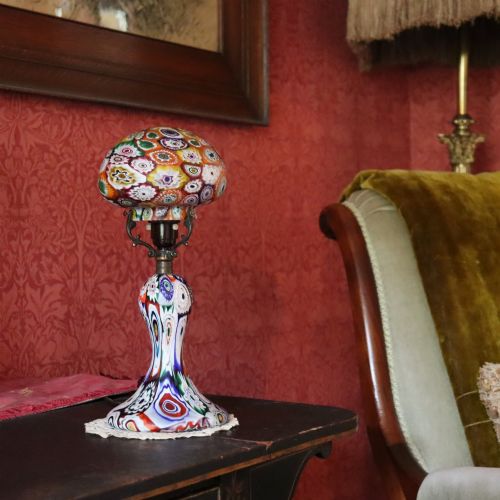
Master artisans employed traditional glass and crystal working techniques alongside metal and brass armature construction. Blown glass forms provide lightweight elegance, while millefiori glass incorporates intricate multi-coloured mosaic patterns into the body of the piece.
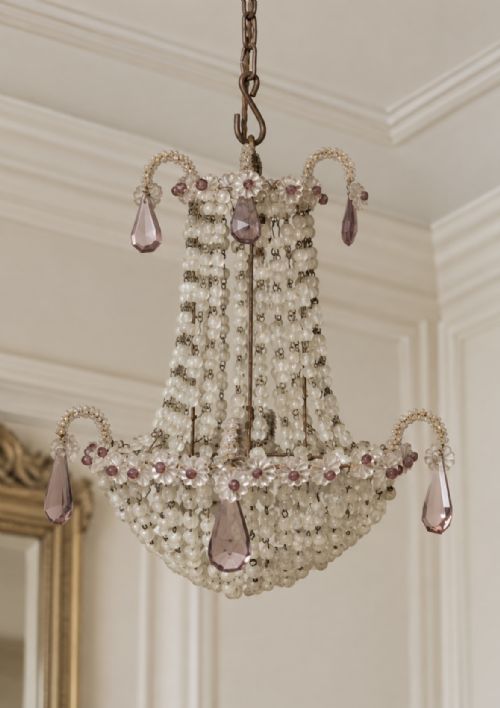
Beaded glass components add texture and movement to chandeliers and wall lights. Structural integrity relies on expertly fitted metal and brass frames that support complex multi-branch arrays without obscuring the luminosity of the glass.
Venetian Glass Light Retail Price Guide 2026
Typical asking prices for venetian glass light among the pieces listed under this phrase on Sellingantiques today, from the lower quarter to the upper quarter. They describe what is for sale here now, not the wider market.
The listings span from the Victorian era and nineteenth century through the 1910s, 1920s and 1930s, utilising Murano glass, millefiori glass, beaded glass, crystal, brass and metal.
What varies in quality
Quality in a venetian glass light rests upon the precision of the glassblowing and the complexity of the decorative elements. Pieces featuring intricate millefiori work or specialised caged designs demonstrate a higher level of artisanal skill.
The ambition of the form dictates distinction, moving from simple single pendants to elaborate twelve branch chandeliers and figurative galleon shapes. The integration of metal supports with high clarity glass distinguishes the finer examples in the range.
Fratelli Toso
The Venetian Glass Light Glossary
- Murano Glass
- Glass produced on the island of Murano near Venice, renowned for centuries of sophisticated manufacturing techniques. It forms the basis of many traditional Italian lighting fixtures.
- Millefiori
- A glasswork technique involving multi-coloured glass canes sliced to reveal floral patterns. This creates a dense, colourful mosaic effect across the surface.
- Candelabra
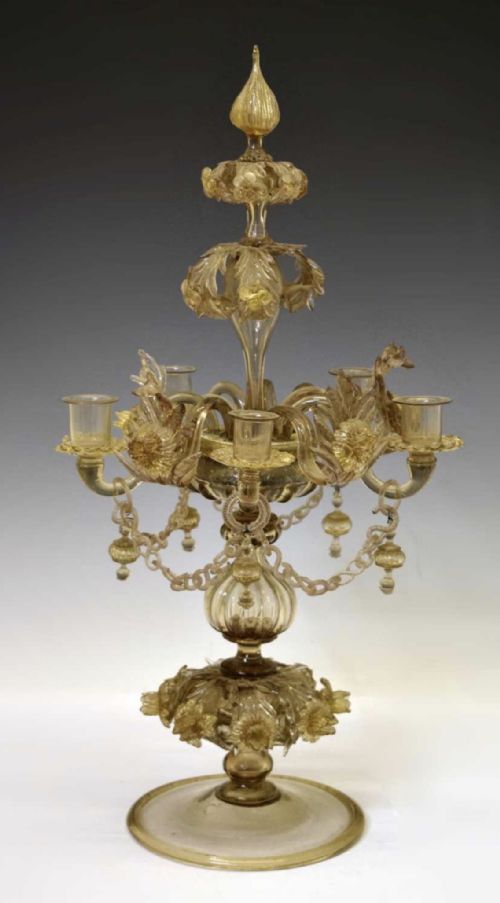
- A branched decorative candlestick or light fitting designed to hold multiple light sources. In Venetian pieces, these are frequently executed in hand-blown glass.
- Pendant Light
- A hanging light fixture suspended from the ceiling by a cord, chain or metal rod. Caged examples feature protective or decorative wire and glass enclosures.
Venetian Glass Light: Frequently Asked Questions
How do I clean a fragile glass chandelier?
Dust the fixture gently with a soft feather duster on a regular basis to prevent grime accumulation.
For deeper cleaning, wipe each glass component carefully with a mild solution of warm water and vinegar using a soft cloth, supporting any dangling beads by hand.
What rooms suit a multi-branch Venetian chandelier?
Large multi-branch chandeliers work brilliantly as central focal points in high-ceilinged dining rooms or grand entrance halls.
Ensure you measure the drop height carefully so the lowest point of the glass clears foot traffic beneath it.
How can I tell a Victorian piece from a 1930s design?
Victorian and nineteenth century items often favour heavier, ornate silhouettes with dense coloration and traditional candelabra formats.
By the 1920s and 1930s, Art Deco influences introduced sleeker geometric lines alongside vibrant pinks and caged glass pendants.