

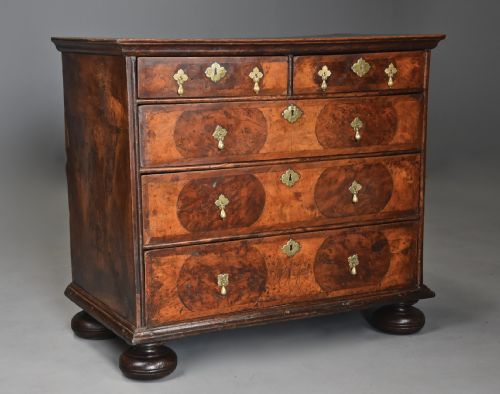


Veneered Walnut Dresser
A veneered walnut dresser is a storage piece defined by figured wood surfaces, and buyers choose them for deep grain movement and historical presence.
Veneered Walnut Dresser
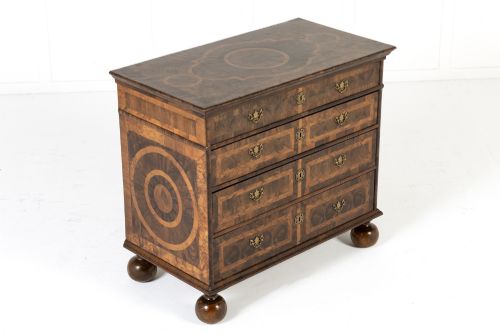
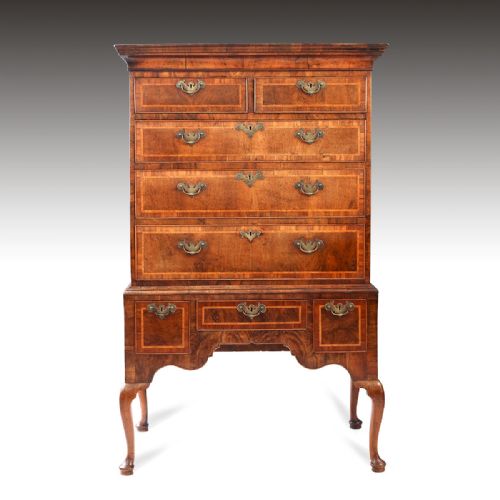
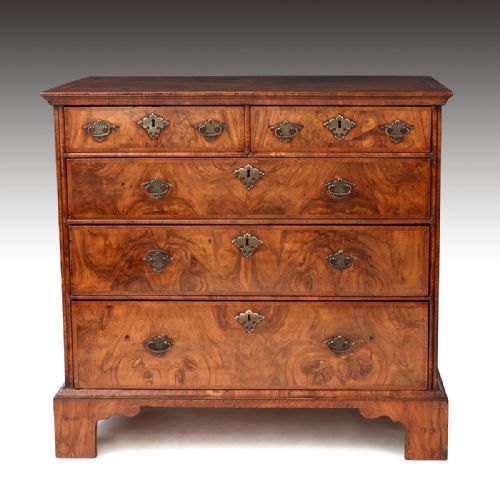
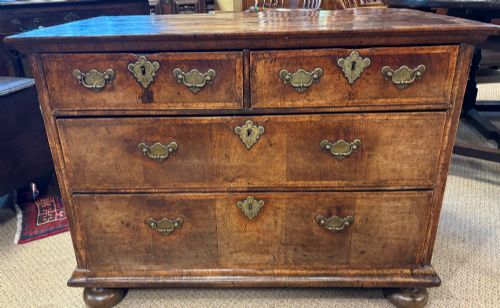
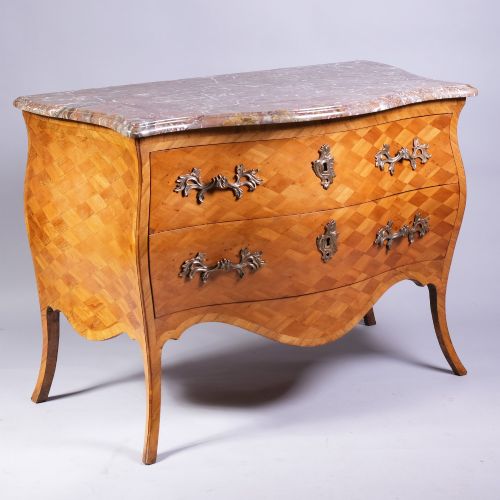
When someone searches for a veneered walnut dresser, they encounter case pieces built primarily as chests of drawers, chests on stands, and commodes. These items span from the late seventeenth century through the art deco period, offering substantial storage capacity combined with decorative wood surfaces.
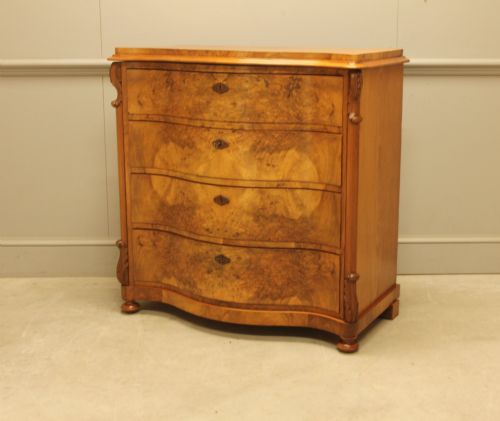
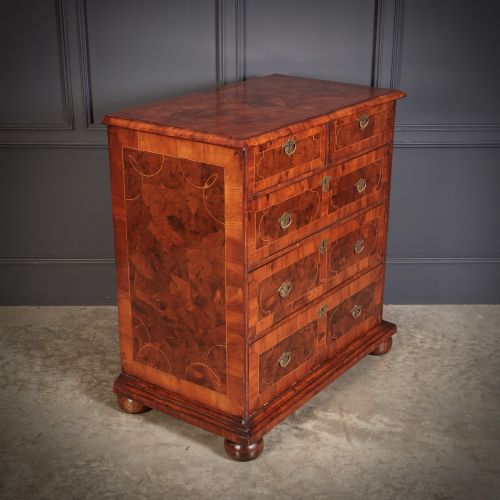
The most frequent examples on this page date from the seventeenth and eighteenth centuries, notably the William and Mary and Queen Anne periods, alongside nineteenth-century Biedermeier and twentieth-century art deco designs. These pieces range from upright drawer chests to low commodes and sideboards.
Regional variations appear clearly across the selection, including Dutch baroque work, Swedish serpentine shapes, and English walnut pieces. Buyers meet both straightforward drawer configurations and elevated chests on stands featuring specialised base supports.
How they were made
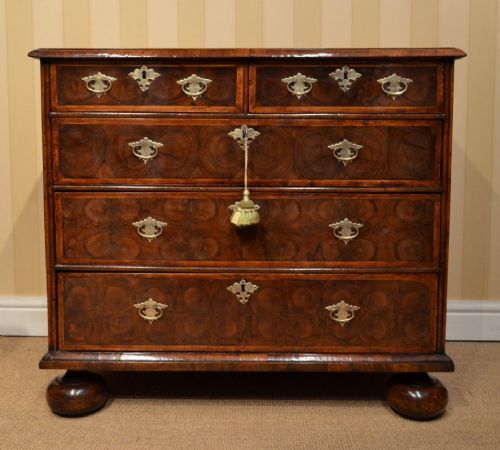
Cabinetmakers constructed these pieces using solid secondary timbers such as oak, applying thin decorative layers of walnut, burr walnut, or oyster veneer across the primary visible surfaces. Artisans cut circular branch sections to create repeating oyster patterns or matched book-leaf figures to exploit the natural grain variations of the wood.
Workshops incorporated brass handles, escutcheons, and occasional boxwood stringing or marquetry inlay to accent the primary walnut facades. Advanced joinery secured the carcase frames while allowing the underlying timbers to expand and contract beneath the delicate veneer layers.
Veneered Walnut Dresser Retail Price Guide 2026
Typical asking prices for veneered walnut dresser among the pieces listed under this phrase on Sellingantiques today, from the lower quarter to the upper quarter. They describe what is for sale here now, not the wider market.
Some seventeenth-century branches gave their lives just to look like shellfish on a drawer front.
What varies in quality
The distinction between ordinary and exceptional examples rests upon the selection and preservation of the wood veneer. Pieces displaying deeply figured burr patterns, balanced bookmatching, or intricate oyster arrangements command greater visual interest than those with plain grain.
Structural integrity and the survival of original surface finishes dictate the standing of a piece. Retaining period brass hardware and undisturbed patination elevate an example far above one with replaced elements or heavy modern refinishing.
Bowman Brothers
The Veneered Walnut Dresser Glossary
- Oyster veneer
- Small circular or oval slices cut obliquely from small branches or roots, laid down in clusters to resemble oyster shells. This technique is typical of late seventeenth-century cabinetwork.
- Burr walnut
- Wood taken from a tree growth or knot, yielding dense, swirling patterns of grain. It appears on high-status decorative furniture.
- Chest on stand
- A tall drawer section raised upon an independent frame with legs. This form provides elevated storage while lightening the visual mass.
- Biedermeier
- A Central European style from the nineteenth century focused on clean architectural lines and blonde figured veneers. Ornamentation remains minimal to highlight the natural wood.
- Marquetry
- Inlaid patterns formed by fitting pieces of different coloured woods into a prepared ground. This decoration defines several seventeenth-century pieces.
Veneered Walnut Dresser: Frequently Asked Questions
How do I date a walnut chest?
Dating relies upon examining construction methods, drawer linings, and the specific style of the veneer and hardware. Earlier seventeenth-century pieces often display oyster cutting and geometric stringing.
Later nineteenth-century and art deco examples shift toward streamlined Biedermeier forms or clean geometric surfaces. Comparing the secondary timbers inside the drawers confirms the period of manufacture.
What is oyster veneering?
Oyster veneering involves slicing small branches diagonally to produce circular and oval wooden disks. Cabinetmakers arranged these disks closely together to cover entire drawer fronts and top surfaces.
This technique creates repetitive, patterned surfaces that catch the light across seventeenth-century English and Dutch furniture.
How should I clean walnut veneer?
Maintenance requires dry dusting with a soft cloth and avoiding harsh modern polishes or excessive moisture. Preservation depends on maintaining stable indoor humidity to prevent the thin veneer from lifting off the carcase.
Occasional application of appropriate wax feeds the antique wood without damaging the historic finish.
Are these pieces suitable for daily use?
These chests function well for storing clothing or linens when handled with care. The drawers slide within traditional wooden runners rather than modern metal tracks.
Placing the furniture away from direct heat sources and direct sunlight protects the delicate walnut surfaces over time.