



Velvet Window Seat
A velvet window seat brings tailored comfort to a bay or hallway, offering a low perch upholstered in rich pile.
Velvet Window Seat
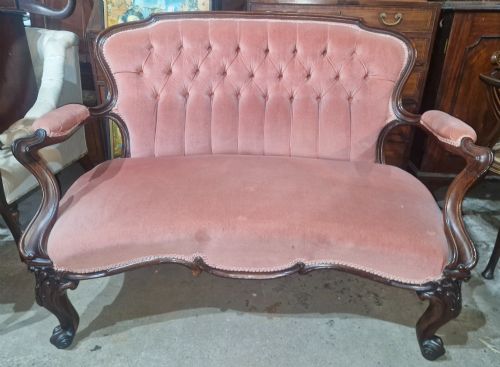
A velvet window seat is a low seating form designed to sit beneath a sill, combining domestic utility with decorative upholstery. Buyers searching for a velvet window seat encounter various formats, from Victorian rosewood frames to Edwardian ebonised stools and country house ottomans.
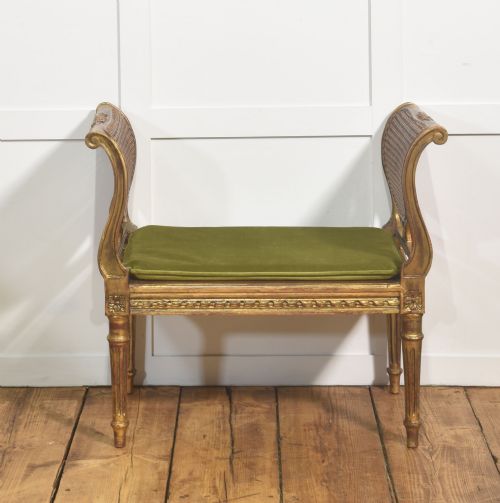
The materials and styles span centuries and regions, including French Normandy carved oak, George III mahogany, and Louis XVI style giltwood and cane. Mid-Victorian examples frequently utilise rosewood, while earlier pieces draw upon Georgian Revival proportions.
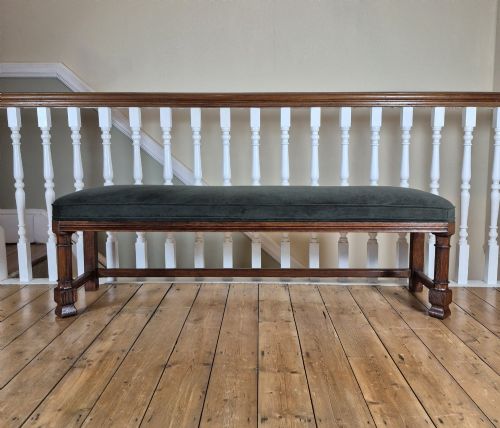
Forms range from simple duet benches and daybeds to large storage ottomans and painted salon settees. Most pieces integrate traditional textile coverings with robust timber frames suited to regular placement by natural light.
What varies in quality
Quality rests in the precision of the timber frame construction, the elegance of the proportions, and the depth of the carving. Well-drawn frames with balanced legs and crisp detailing distinguish finer workshop output from simpler utilitarian seating.
The execution of decorative elements, from giltwood mouldings and ebonised finishes to inlaid mahogany and carved oak, determines the distinction between standard and superior pieces. Original timber integrity and harmonious upholstery choices further separate standard domestic items from exceptional examples.
Velvet Window Seat Retail Price Guide 2026
Typical asking prices for velvet window seat among the pieces listed under this phrase on Sellingantiques today, from the lower quarter to the upper quarter. They describe what is for sale here now, not the wider market.
Several pieces double as storage chests, proving that even historical Victorians needed a discreet place to hide household clutter.
Hallett And Sons
The Velvet Window Seat Glossary
- Giltwood
- Timber treated with gold leaf or gilt finish, commonly seen in Louis XVI style and Adams style seating. This decorative surface reflects light and signals formal reception spaces.
- Ebonised
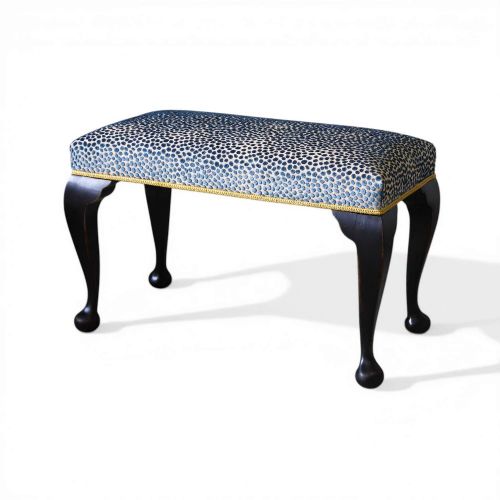
- Wood stained or treated to resemble ebony, frequently utilised on Edwardian frames for a dark, uniform appearance. The technique provides a stark contrast against colourful upholstery textiles.
- Cabriole leg
- A furniture leg featuring a double curve, typically arching outward and then inward toward a pad or claw foot. This form appears frequently on mid-Victorian rosewood stools.
- Ottoman
- A low, upholstered seat or bench without arms or back, often incorporating internal storage space. Larger country house examples function as both seating and blanket chests.
- Duet
- A longer stool or bench designed to accommodate two people seated side by side. These pieces often feature extended mahogany or walnut frames.
Velvet Window Seat: Frequently Asked Questions
Where should I place a window seat?
These pieces fit naturally beneath low windows, in wide hallways, or at the foot of a bed where a low profile maintains uninterrupted views and light.
Their compact scale also suits empty corners or narrow landings that cannot accommodate bulkier armchairs or sofas.
How do I identify the period of a seat?
Dating relies on timber choice, leg shape, and decorative motifs, such as George III mahogany proportions or Edwardian ebonised finishes.
Construction methods and secondary woods inside the frame also help determine whether a piece originates from the eighteenth, nineteenth, or early twentieth century.
Can these seats be used daily?
Most frames are constructed from durable hardwoods like oak, walnut, and mahogany, designed to withstand regular domestic use.
Maintaining the structural joints and periodically refreshing the velvet upholstery ensures the piece remains functional for daily sitting.
What is the difference between a stool and a window seat?
Window seats are generally proportioned specifically to match the low height and width of window sills, often featuring longer rectangular dimensions.
Stools tend to be square or smaller in scale, though historical listings often use the terms interchangeably for similar upholstered forms.