
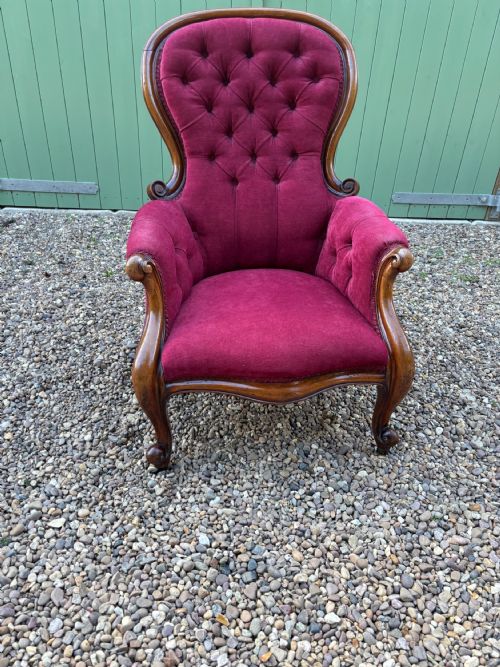
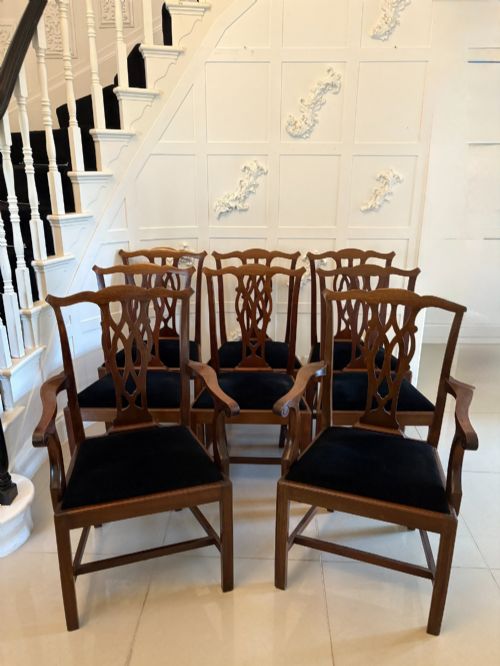
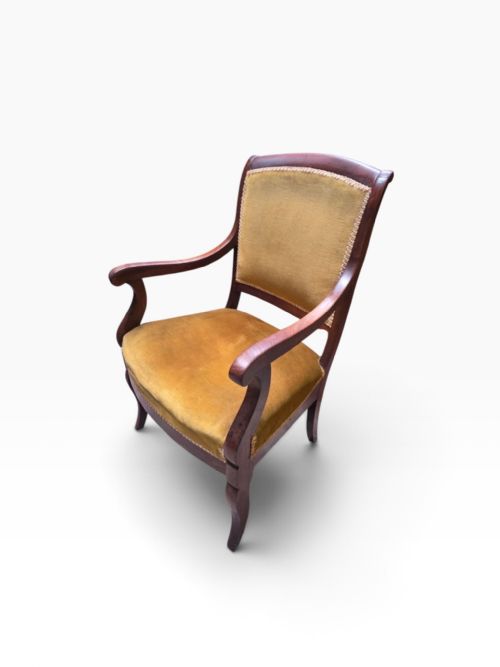
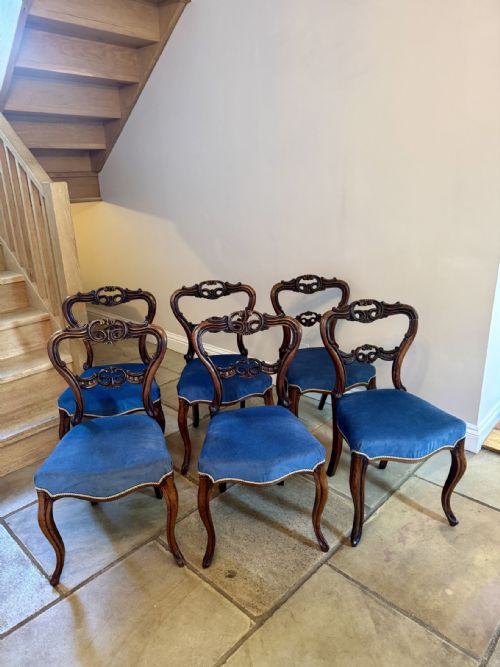

Velvet Seat Chairs
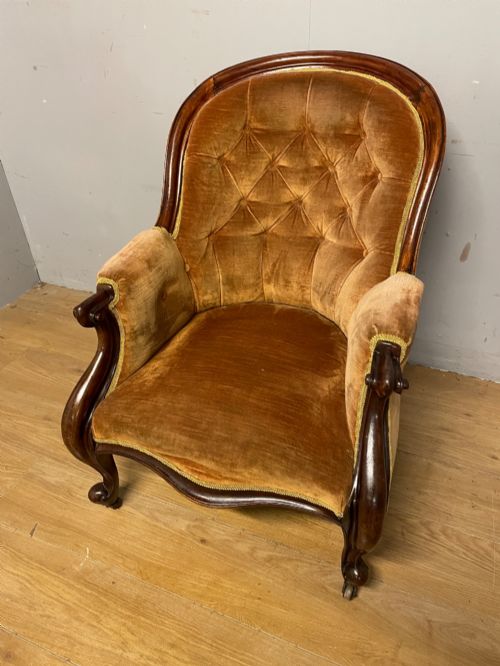
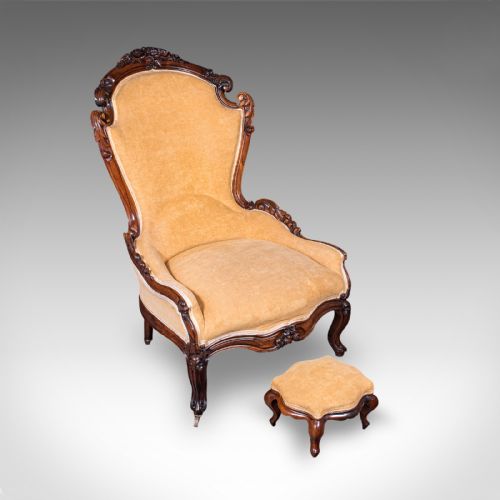
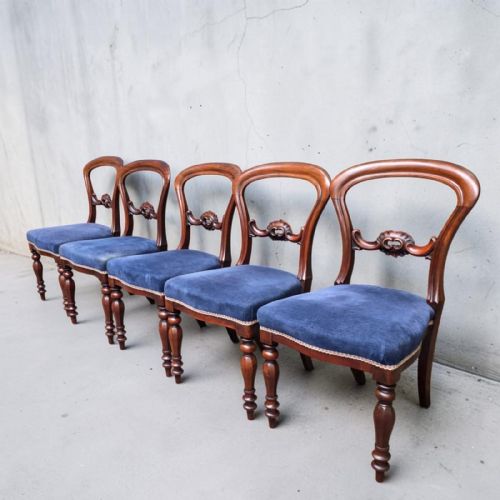
Velvet seat chairs bring rich tactile warmth and period elegance to a room, ranging from grand mahogany dining sets to intimate nursing chairs.
Velvet Seat Chairs
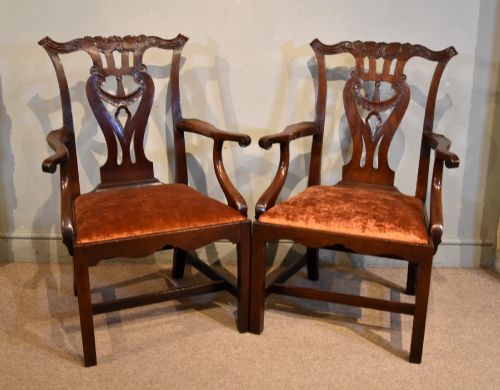
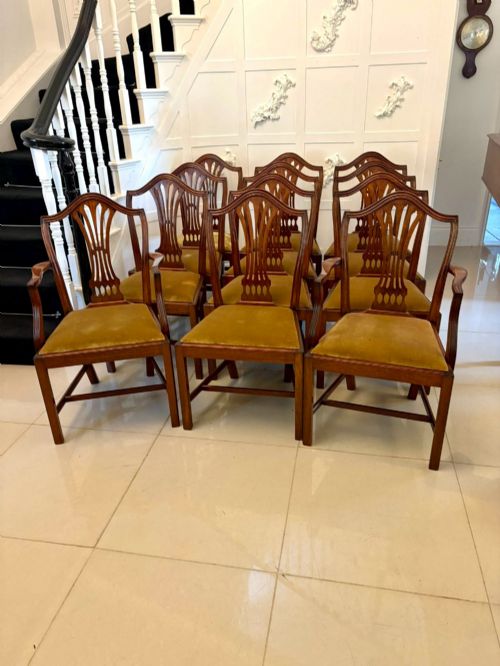
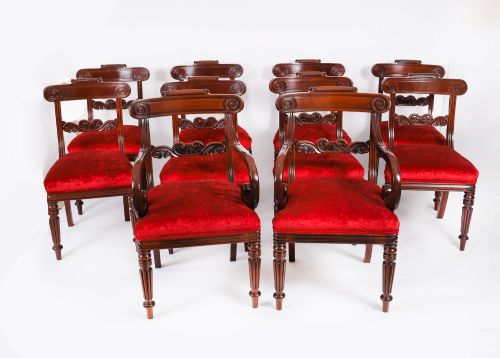
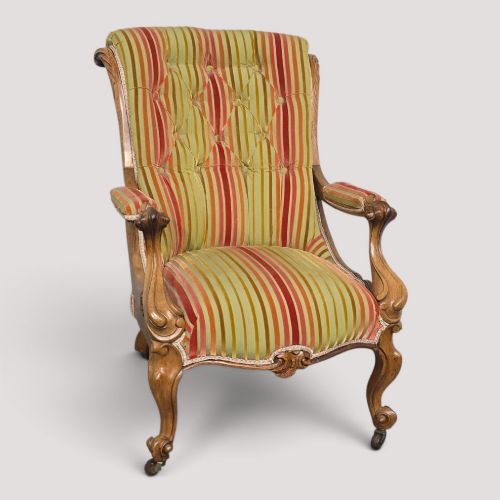
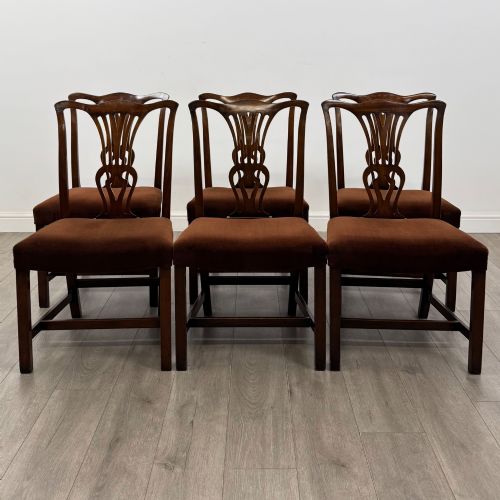
When you search for velvet seat chairs, you encounter a diverse range of seating encompassing formal dining sets, library armchairs, and low bedroom seats. The selection spans several decades and centuries, crossing periods from the Georgian era through to the Edwardian period and the early twentieth century.
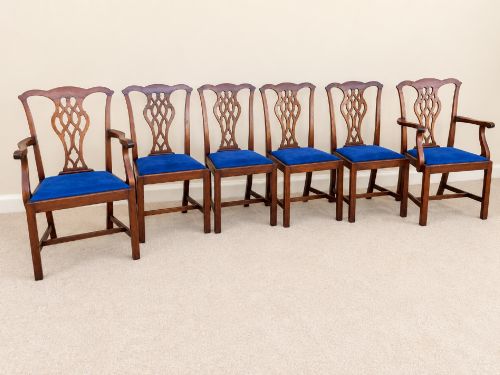
Dining chairs and sets of side chairs dominate the forms available, frequently constructed from dense timbers with upholstered pads. You also find specialised seating such as piano stools, salon suites, and occasional chairs designed for specific domestic spaces.
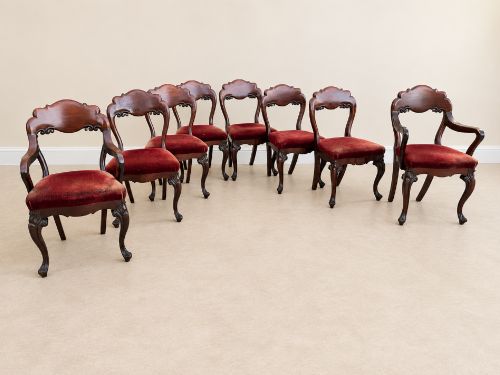
The prevailing aesthetic leans toward traditional British and European cabinet-making traditions, including Victorian balloon backs, Regency rosewood frames, and Edwardian mahogany designs. These pieces combine structural timber frames with tactile textile upholstery to provide both utility and decorative presence.
How they were made
Cabinet makers relied primarily on dense hardwoods like mahogany, walnut, rosewood, and oak for the structural frames, utilising these timbers for their strength and capacity to take fine carving. Joinery methods included mortise and tenon joints, hand-turned components, and steam-bent elements such as balloon backs.
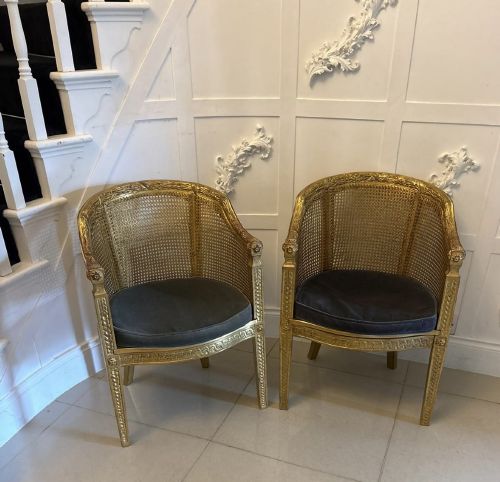
Upholstery involved securing the textile over layered stuffings supported by webbing or cane panels within the wooden frame. Brass hardware, gilded finishes, and inlaid details frequently served as decorative embellishments on formal library armchairs and French-influenced salon pieces.
Some nineteenth-century piano stools feature hidden mechanical screws that let musicians raise their height with a satisfying spin.
What varies in quality
The distinction between standard domestic seating and superior examples lies in the crispness of the timber carving and the selection of the primary wood. Figures such as flame mahogany or highly figured walnut elevate the visual impact of a dining set or library armchair.
Proportion and joinery integrity dictate the enduring quality of a piece, where balanced dimensions and tight structural connections ensure lasting stability. The choice and execution of the upholstery, from plain pile velvet to intricate needlework or buttoning, reflect the original intended status of the seating.
The Velvet Seat Chairs Glossary
- Balloon back
- A chair back shaped in a continuous curving oval resembling a balloon, popular during the Victorian period. This form provides ergonomic support through its rounded wooden profile.
- Carver armchair
- An armchair with wooden arms, traditionally placed at the head of a dining table. These pieces match the design vocabulary of the smaller side chairs in a set.
- Giltwood
- Timber that has been coated with a thin layer of gold leaf or gesso paint. This technique appears frequently on nineteenth-century French salon armchairs.
- Pierced splat
- A vertical central strip of wood within a chair back that is pierced or cut through to form an openwork pattern. This detail occurs often on Georgian and Chippendale style designs.
- Bergere
- An enclosed upholstered armchair with exposed wooden framing and cane or upholstered sides. Originating in France, these seats offer deep, comfortable proportions.
Velvet Seat Chairs: Frequently Asked Questions
How do I date a mahogany dining chair?
Dating relies on examining the timber grain, construction joints, and stylistic markers such as leg shapes and back splats. Cabinet makers adapted their designs across the Georgian, Regency, and Victorian periods, leaving distinct structural clues.
Secondary woods used in the underframe, hand-cut screws, and the ageing of the mahogany surface further clarify the era of manufacture.
Were velvet seat chairs used for dining?
Velvet was utilised on formal dining chairs, particularly in high-status homes where comfort and visual opulence mattered. These upholstered pads provided a soft surface for long meals.
Many surviving dining sets feature replacement upholstery that mirrors historical weights and textures to maintain period accuracy.
How do I clean an antique velvet seat?
Maintenance requires gentle brushing with a soft-bristled brush in the direction of the pile to remove dust and lift flattened fibres. Avoid harsh chemical cleaners and excessive moisture, which can damage historic textiles and wooden frames.
Professional textile conservation is recommended for deep cleaning or removing stains from delicate antique upholstery.
What is the difference between a nursing chair and a side chair?
Nursing chairs feature low seats designed to allow women to tend to infants or sit comfortably near low hearths during the Victorian period. They often include upholstered backs and turned wooden legs.
Side chairs stand taller with rigid upright backs intended for general placement around a room or beside a dining table.