







Velvet Lined Case
A velvet lined case protects treasures, from delicate silver thimbles to scientific instruments, keeping objects safe in fine style.
Velvet Lined Case
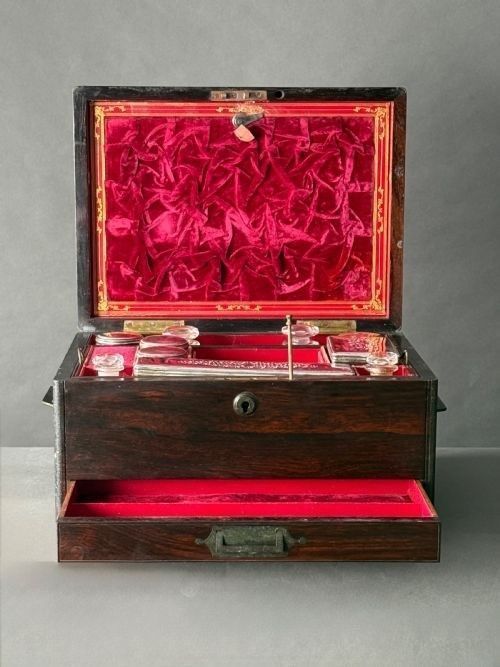
A velvet lined case serves to protect delicate objects, bringing together practical utility and decorative craftsmanship. These pieces span centuries, encompassing Georgian, Victorian, and Edwardian examples designed for diverse purposes.
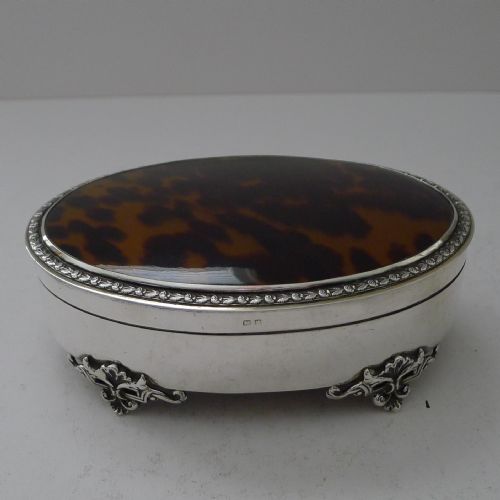
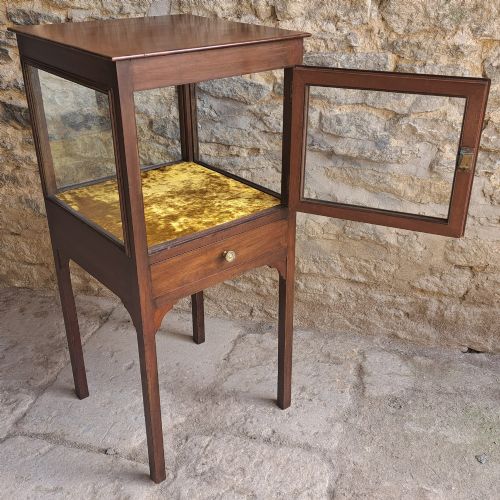
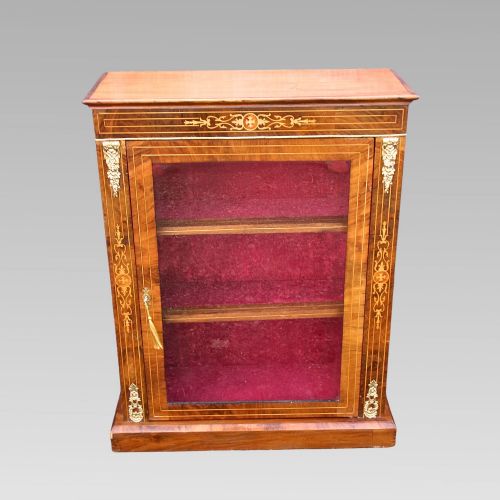
You will most frequently encounter pier cabinets, vanity boxes, and jewellery boxes on this page. These items reflect periods ranging from the eighteenth to the early twentieth century.
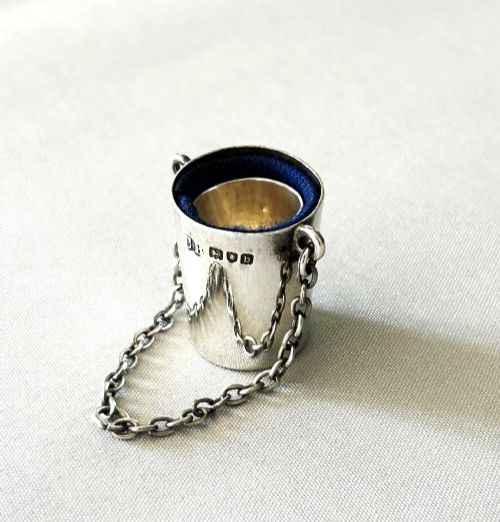
The selection includes display cabinets and scientific instrument sets, alongside novelties such as silver thimble buckets and chatelaine holders. Each velvet lined case demonstrates the specific storage needs of its era.
How they were made
Cabinet makers utilised dense hardwoods such as mahogany, walnut, and coromandel to build the structural carcass of each case. Veneers and inlay added decorative detail to surfaces, particularly on Victorian pier cabinets.
Metal mounts in brass and ormolu reinforced corners, frames, and locks, adding functional strength and visual contrast to the timber. Glass panels were incorporated into display cabinets to showcase the contents within.
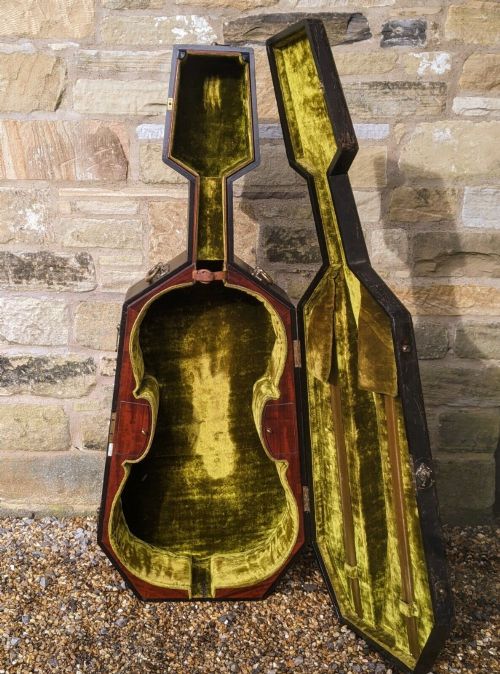
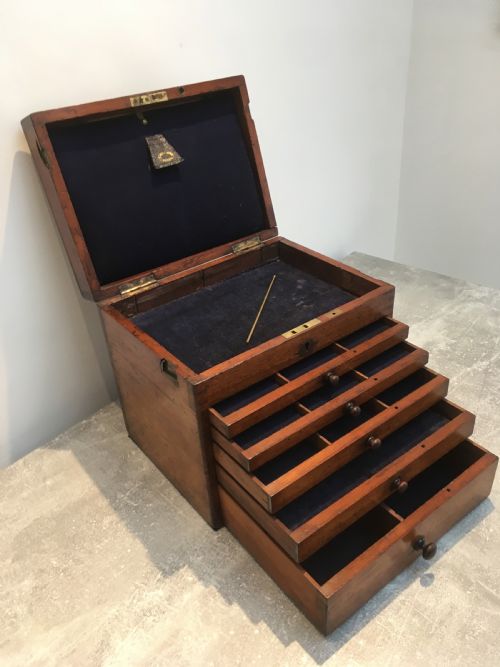
The interior lining of velvet provided a soft bed to cushion jewellery, instruments, and miniatures. Fine textiles were fitted carefully into boxes and compartments to protect fragile items from damage.
Velvet Lined Case Retail Price Guide 2026
Typical asking prices for velvet lined case among the pieces listed under this phrase on Sellingantiques today, from the lower quarter to the upper quarter. They describe what is for sale here now, not the wider market.
Periods represented span from the 18th century through the Georgian, Regency, Victorian, and Edwardian eras.
What varies in quality
The choice of primary timber and the precision of veneer work distinguish finer examples from standard production pieces. Figured walnut, rosewood, and coromandel indicate careful selection by the maker.
The execution of brass mounts, ormolu details, and inlays reveals the level of craftsmanship involved. Superior cases feature crisp casting and tight joinery that endure across the centuries.
The condition and survival of the original velvet lining affect the integrity of the piece. Intact interiors reflect how well the case has been preserved since its manufacture.
Charles Horner·W.E Hill·Hardings Patent
The Velvet Lined Case Glossary
- Pier cabinet
- A small display cabinet designed to fit against the wall space between windows. These are frequently found in walnut with glass doors and ormolu mounts.
- Ormolu
- Gilt bronze mounted onto furniture and decorative objects. This technique adds metallic highlights to wood and velvet pieces.
- Coromandel
- A dense, heavy timber from Asia with dark brown and black figuring. It was prized for luxury Victorian boxes.
- Chatelaine
- A decorative belt hook worn with suspended fittings such as watches, keys, or small cases. They often held delicate containers lined for protection.
- Inlay
- Contrasting materials set into the surface of wood to form decorative patterns. Tulipwood and various veneers were used for banding on cabinets.
Velvet Lined Case: Frequently Asked Questions
What went into a velvet lined case?
These cases held a wide array of valuable possessions, ranging from jewellery and tiaras to scientific instruments and draughtsman tools. Vanity boxes and miniature portraits also relied on soft interiors for protection during travel or display.
Larger pieces, such as pier cabinets and display bookcases, used glazed doors and lined shelves to exhibit collections of ceramics or curiosities within the home.
How do I date a velvet lined case?
Dating relies on observing the timber species, construction methods, and decorative styles characteristic of periods like the Georgian, Victorian, or Edwardian eras. Walnut and mahogany point towards specific decades depending on the grain and veneer patterns.
Hardware such as brass locks, hinges, and ormolu mounts provide further clues. Patents or maker signatures inscribed on instruments or cases help narrow the timeline.
How were these cases used in Victorian homes?
Victorians used jewellery boxes and travelling vanity cases for personal grooming and the secure storage of precious trinkets. Key cupboards and collector cabinets organised household administration and natural history specimens.
Display cabinets stood in reception rooms to showcase status and taste through arranged ornaments. Novelty pieces added charm to daily routines and social interactions.
How do I care for the velvet lining?
Protect the fabric by keeping the case out of direct sunlight to prevent the colours from fading over time. Gentle dusting with a soft brush helps maintain the nap of the velvet without causing damage.
Avoid placing damp items inside the container, as moisture can stain old textiles and corrode surrounding metal parts. Stable room humidity preserves both the wood and the fabric lining.