




Uzbekistan Textile
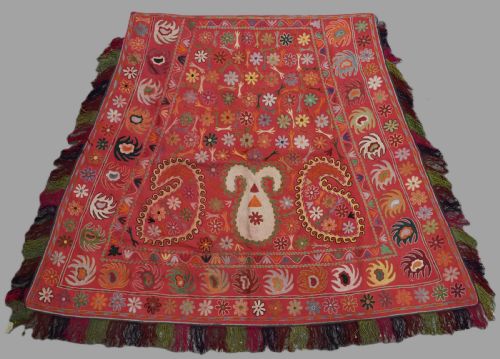
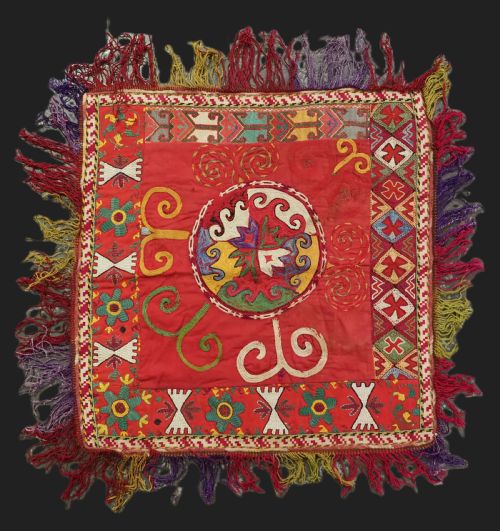
When you explore an uzbekistan textile, you handle historic embroidery and woven panels carrying the vibrant heritage of Central Asian nomadic and town cultures.
Uzbekistan Textile
Makers fashioned these textiles to serve domestic, ceremonial, and decorative roles within the community. Pieces range from large architectural panels down to small embroidered amulets and purses.
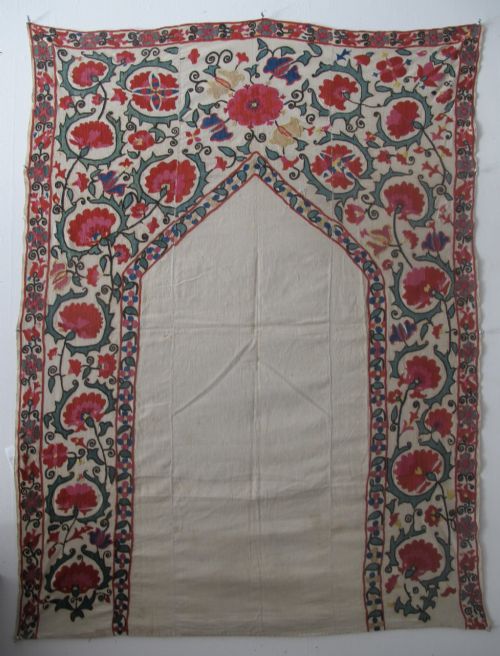
Dating primarily from the mid-nineteenth century through the early twentieth century, these works reflect traditional designs passed down through generations. You will find format variations including prayer designs, nim sizes, and full work panels.
Materials and Techniques
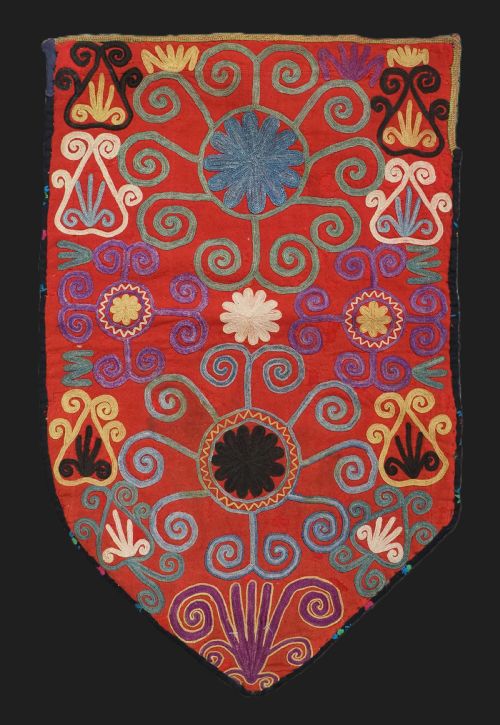
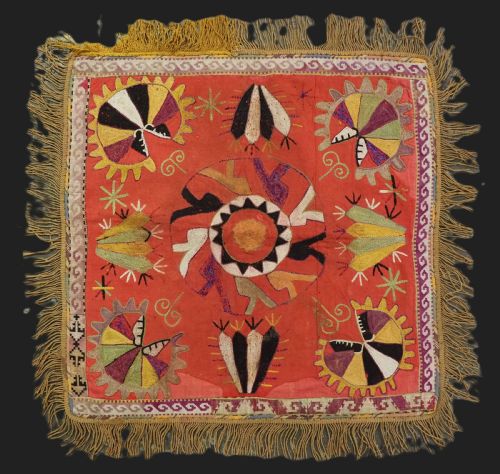
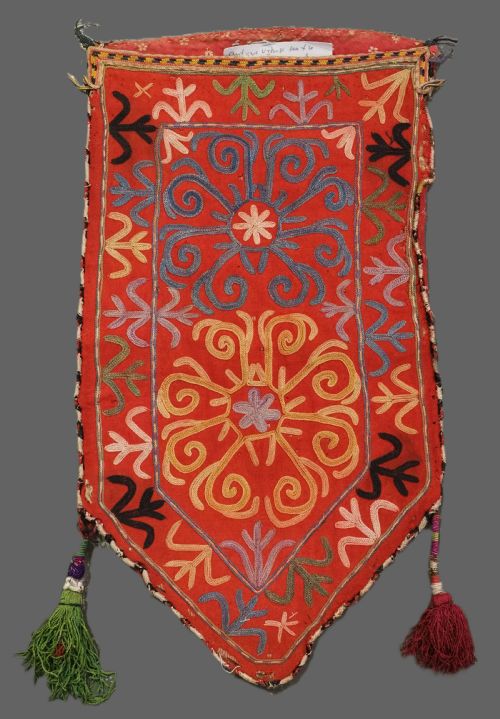
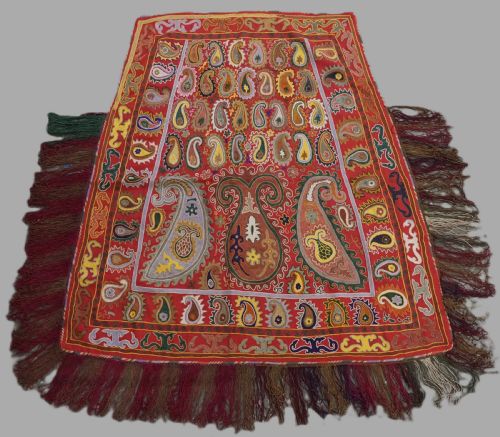
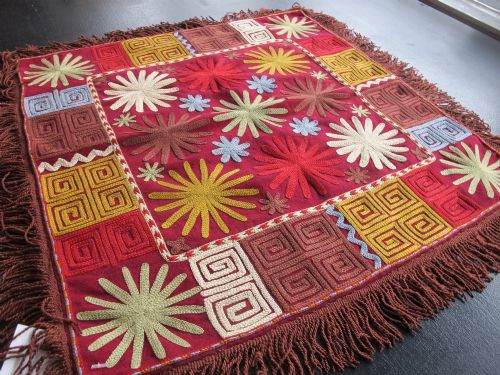
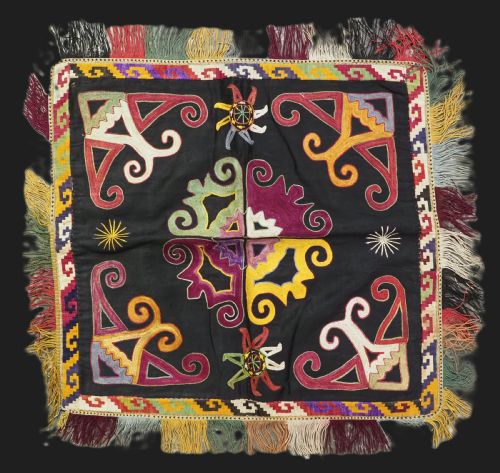
Artisans utilised silk thread extensively for intricate embroidery work, often stitching onto grounds of cotton, wool, or velvet. Certain textiles incorporate metal threads like silver brocade work to add metallic detail to the surface.
Weavers also produced flat-woven kilim panels, sometimes constructing them in multiple narrow strips joined together. Animal fibres such as camel hair appear in specific regional rugs and covers.
Needlework techniques dictate the character of Suzani panels and smallilgich hangings, while other items combine woven structures with supplementary embroidery or bead embellishments using glass beads.
Uzbekistan Textile Retail Price Guide 2026
Typical asking prices for uzbekistan textile among the pieces listed under this phrase on Sellingantiques today, from the lower quarter to the upper quarter. They describe what is for sale here now, not the wider market.
Several textiles served as ceremonial horse and saddle covers, proving that tribal horses enjoyed finer interior design than most humans.
Quality Variations
Quality in these textiles rests upon the density of the needlework and the complexity of the design layout. Full work embroidery panels demonstrate superior execution compared to sparsely stitched examples.
The choice of ground material and dye fidelity dictate the visual impact of the piece. Vibrant silk threads retaining their original saturation on grounds like yellow cotton elevate the overall standard of a Suzani.
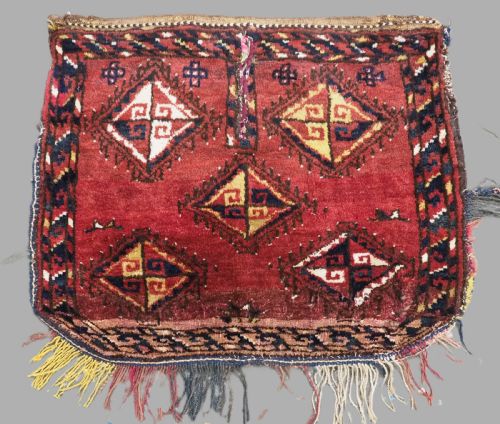
Tribal pieces derive distinction from unusual repeat patterns, double-faced execution, or scarce structural formats such as ceremonial horse covers and saddle rugs.
The Uzbekistan Textile Glossary
- Suzani
- An embroidered hanging originating from Central Asia, traditionally worked in silk on a cotton or linen ground. These panels were often made as part of a bride's dowry.
- Ikat
- A dyeing technique where yarn is tie-dyed before being woven into cloth to create distinctive blurred pattern edges. Silk ikat panels are typical of this region.
- Torba
- A small storage bag or hanging, frequently associated with tribal groups. These items formed part of traditional household furnishings.
- Kilim
- A flat-woven carpet or panel produced without a pile. Examples from this region utilise bold geometric designs and strip construction.
- Ilgich
- A specific form of embroidery or hanging used domestically. They appear frequently in dowry contexts among tribal groups.
Uzbekistan Textile: Frequently Asked Questions
What is a Suzani used for?
Suzanis functioned primarily as decorative wall hangings or domestic textiles within traditional Central Asian homes. Families also created them as part of a daughter's dowry.
Today, collectors mount them on walls or display them as statement interior pieces to showcase the intricate silk embroidery.
How do I care for antique textiles?
Keep antique textiles away from direct sunlight to protect the natural silk and cotton threads from fading. Gentle vacuuming through a mesh screen helps remove dust without damaging the fibres.
Avoid harsh chemical cleaning and consult a specialist textile conservator for any major restoration needs.
How do I identify a Lakai piece?
Lakai tribal embroideries typically feature bold, energetic geometric motifs and hooked designs executed in vibrant silk thread. They often appear on small wall hangings, dowry pieces, and ceremonial horse covers.
The stitching style differs from urban workshop Suzanis through its dense, expressive application and distinctive palette.
What is an ikat panel?
An ikat panel is made from cloth woven using threads that were tie-dyed prior to the weaving process. This method creates the characteristic feathered outlines seen in the patterns.
These panels demonstrate high levels of technical skill from regional dyers and weavers.