



Uzbekistan Suzani
These magnificent uzbekistan suzani textiles bring vibrant Central Asian tribal artistry into modern interiors through intricate needlework.
Uzbekistan Suzani
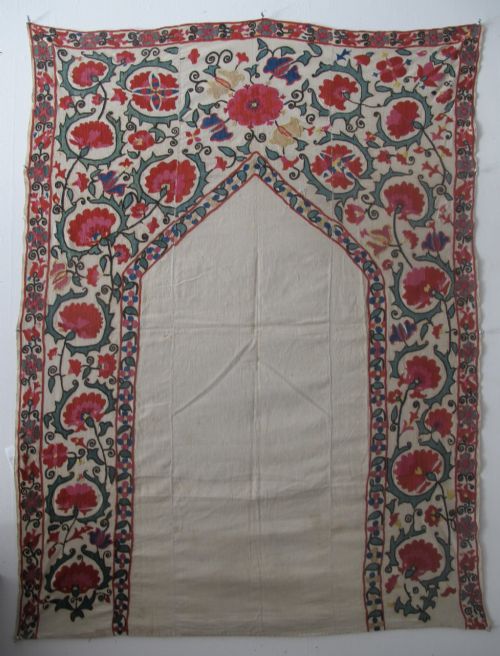
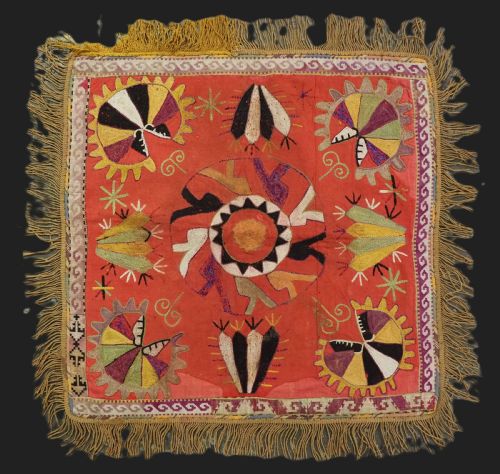
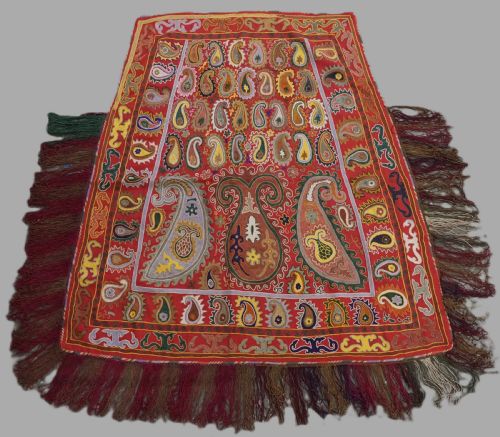
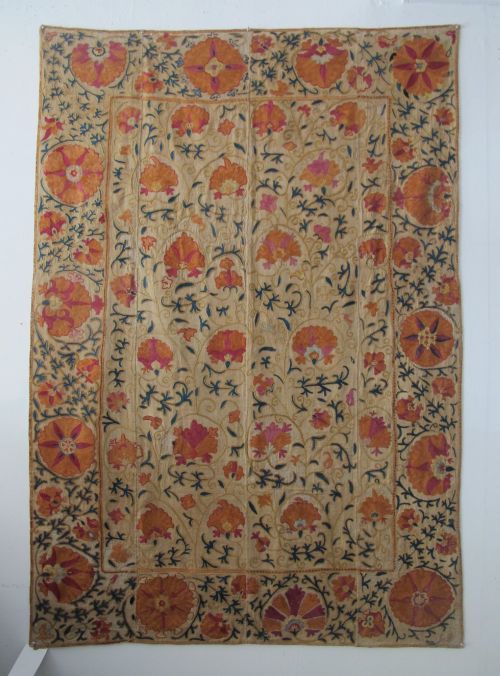
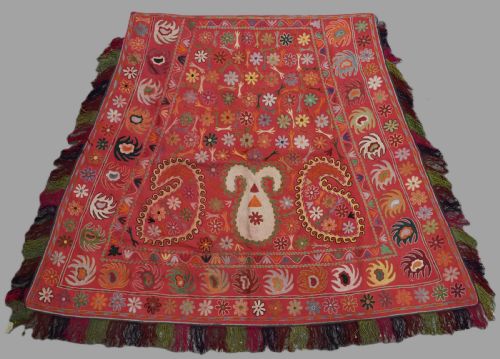
An uzbekistan suzani is a traditional embroidered textile created across Central Asia as part of domestic furnishings and dowry displays. These pieces include large wall hangings, smaller nim suzanis, prayer formats, and ceremonial horse covers made by tribal groups such as the Lakai.
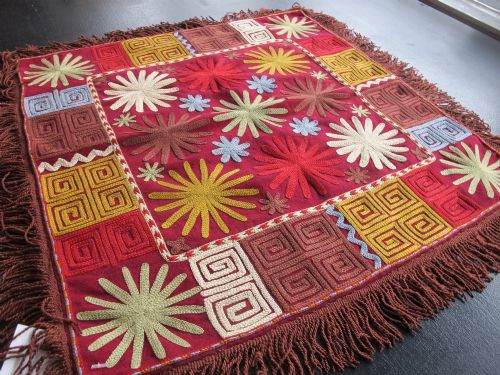
Most examples found here date from the mid-nineteenth century through the early twentieth century, reflecting traditional regional designs from centres like Bokhara, Shakrisabz, and Tashkent. Buyers encounter both full-work panels densely covered in silk thread and smaller utility pieces or amulets.
The forms span architectural layouts, prayer formats, and repeat patterns on cotton or wool foundations. Each piece demonstrates the distinct aesthetic of Uzbek and Central Asian traditional makers.
Materials and Techniques
Makers embroidered these textiles predominantly using fine silk thread stitched onto a foundation of cotton, wool, or yellow cotton grounds. The density of the silk embroidery defines the visual weight and textural richness of the surface.
Artisans employed regional needlework techniques to build complex geometric and floral motifs, often working in distinct formats such as the full-work suzani or smaller ceremonial saddle covers. The interplay between the glossy silk embroidery and the matte foundation fabric creates the signature depth of these historic works.
Uzbekistan Suzani Retail Price Guide 2026
Typical asking prices for uzbekistan suzani among the pieces listed under this phrase on Sellingantiques today, from the lower quarter to the upper quarter. They describe what is for sale here now, not the wider market.
Listings span materials including silk, cotton, and wool across periods ranging from the mid-nineteenth century to the early twentieth century.
Quality Variations
The distinction between standard examples and the finest pieces lies in the density of the silk embroidery and the complexity of the design layout. Full-work panels that completely cover the ground fabric require considerably more labour and skill than open compositions.
Chromatic harmony and precision in regional motifs also separate exceptional textiles from simpler utility items. Pieces originating from prominent centres like Bokhara or Shakrisabz often exhibit particularly assured composition and masterful needlework.
The Uzbekistan Suzani Glossary
- Nim Suzani
- A smaller version of the standard wall hanging, often roughly half the size. These compact textiles functioned as functional covers or wall decorations in traditional homes.
- Lakai
- A Central Asian Turkic tribal group known for distinctive, energetic embroidery styles. Their work frequently appears on ceremonial horse covers, saddle rugs, and small dowry pieces.
- Prayer Format
- A textile design featuring an architectural mihrab or arch motif oriented toward Mecca. These pieces served devotional or symbolic functions within the household.
- Torba
- A small storage bag or hanging panel produced by tribal makers. They display characteristic regional patterns tied to nomadic or village traditions.
Uzbekistan Suzani: Frequently Asked Questions
How were suzanis used originally?
These textiles served primarily as decorative wall hangings, ceremonial covers, and essential components of a bride's dowry in Central Asian households. Families also used smaller formats like horse covers and amulet bags for daily ceremonial or practical purposes.
Over time, these embroidered works became central elements of interior decoration, reflecting the social standing and artistic heritage of the family who commissioned them.
How do I hang a suzani safely?
Mounting a textile requires distributing the weight evenly across the entire upper edge to prevent stress on the historic fabric and silk threads. Professional conservators typically recommend using a fabric sleeve stitched to the reverse or a padded Velcro support system.
Avoid hanging pieces in direct sunlight or damp environments, as silk embroidery and natural cotton grounds remain sensitive to environmental extremes.
How can I tell the age of a suzani?
Dating relies on examining the natural dyes, the type of foundation cotton or wool, and the stylistic characteristics specific to nineteenth and early twentieth-century workshops. Regional patterns from centres like Shakrisabz or Bokhara evolved distinctly across decades.
Analysing the hand-spun nature of the threads and the wear patterns on the reverse provides further clues to the period of manufacture.
What is a nim suzani?
A nim suzani is simply a half-sized version of the full wall hanging, offering a more compact format for interior spaces. Makers applied the same meticulous silk embroidery techniques to these smaller cloths as they did to grander panels.
These pieces provide collectors with authentic regional artistry in a scale well-suited to modern residential rooms.