




Uplighter Floor Lamp
An uplighter floor lamp casts its illumination upward to flood a room with soft, indirect light, combining practical utility with striking period design.
Uplighter Floor Lamp
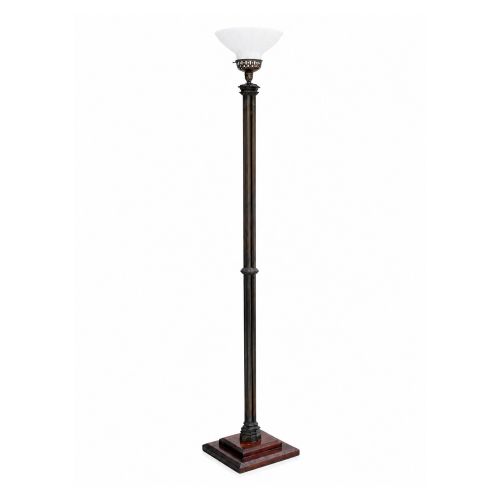
When you search for an uplighter floor lamp, you encounter tall stands designed to direct light toward the ceiling rather than downward. The selections span eras from the late nineteenth century through the Art Deco period of the nineteen-thirties.
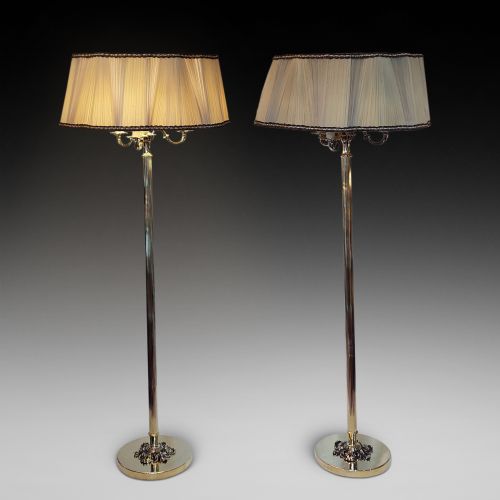
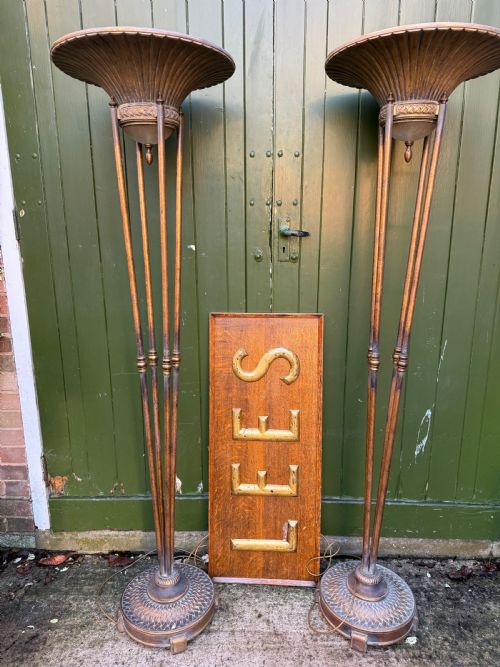
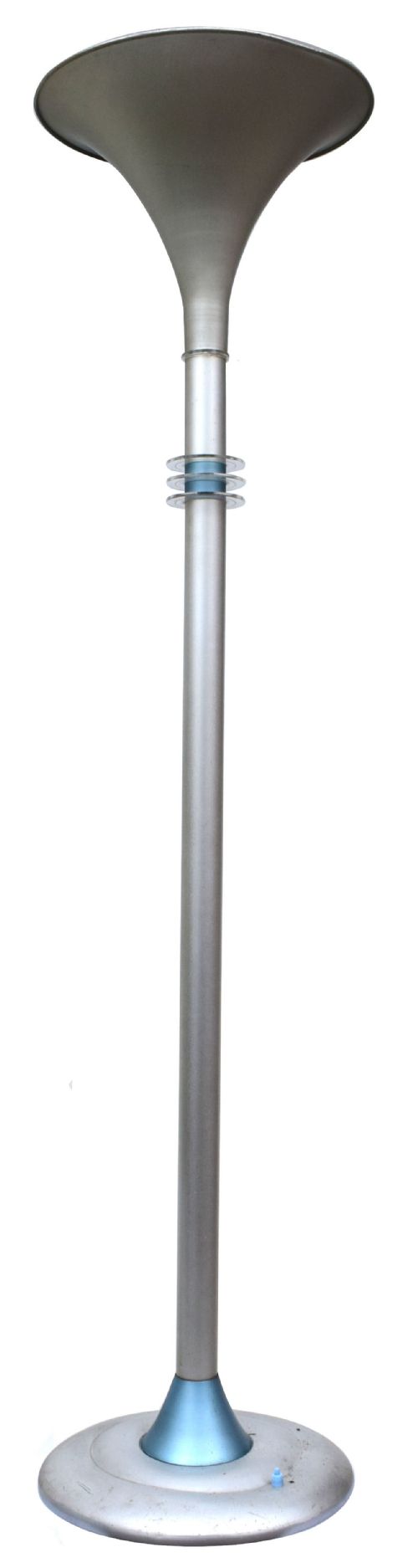
You are most likely to meet brass standard lamps and nineteen-thirties chrome or gilt metal designs on this page. Examples range from early twentieth century Gothic Revival stands to pairs of Hollywood Regency or Odeonesque pieces.
The materials recorded in these listings include brass, chrome, gilt metal, glass, frosted glass, and fabric. Forms vary from telescopic Edwardian brass standards to Art Deco torchieres.
How they were made
Makers utilised metalworking techniques to shape brass, chrome, and gilt metal into sturdy floor-standing frames. Telescopic mechanisms and adjustable fittings allowed for height alteration and directional control in standard lamps.
Shades and diffusers incorporate glass, frosted glass, and opaline elements designed to soften and redirect the upward beam. Fabric components occasionally appear in associated oil-lamp conversions and standard lighting fixtures.
Uplighter Floor Lamp Retail Price Guide 2026
Typical asking prices for uplighter floor lamp among the pieces listed under this phrase on Sellingantiques today, from the lower quarter to the upper quarter. They describe what is for sale here now, not the wider market.
Some Edwardian telescopic uplighters retain their original mechanics, designed to let Victorian households adjust their lighting height with a simple twist.
What varies in quality
The distinction between standard production and superior craftsmanship rests in the weight of the metalwork and the precision of the telescopic adjustment. Finer examples display heavier cast brass bases and more complex decorative detailing appropriate to their style.
The integrity of the glass elements, whether opaline, frosted, or moulded Art Deco bowls, separates basic utility items from pieces with high decorative presence. Harmony between the metal stand and the original shade configuration determines the visual balance of the lamp.
The Uplighter Floor Lamp Glossary
- Torchiere
- A tall ornamental floor lamp designed to direct light upward toward the ceiling. This form gained particular popularity during the Art Deco era.
- Standard lamp
- A traditional British term for a floor-standing lamp base. These fixtures frequently incorporated adjustable height mechanisms.
- Opaline glass
- A milky, semi-translucent glass that diffuses light evenly without glare. It appears frequently on Edwardian and early twentieth century lighting.
- Hollywood Regency
- A theatrical and lavish style associated with mid-century glamour and earlier twentieth-century opulence. Pieces in this style utilise reflective metallic finishes and bold geometric forms.
Uplighter Floor Lamp: Frequently Asked Questions
How do I place an uplighter floor lamp?
Position the lamp in a corner or beside large furniture where the upward beam can reflect off the ceiling to illuminate the entire room.
Ensure the height suits your ceiling clearance, particularly with telescopic Edwardian brass models that extend significantly.
Are these lamps adjustable?
Many period examples feature telescopic shafts or adjustable mountings that allow you to alter the height of the light source.
Earlier standard oil-lamps and twentieth-century brass uplighters often incorporated these mechanical adjustments for practical household use.
What materials are common?
Brass and chrome form the primary metallic structures across the available pieces, paired with glass, frosted glass, or opaline diffusers.
Secondary materials include gilt metal finishes and occasional fabric elements found on transitional oil-lamp formats.
How do I date these lamps?
Stylistic markers reveal the era, such as the geometric lines of Art Deco torchieres from the nineteen-thirties or the heavier ornamentation of Edwardian and Gothic Revival brass standards.
Materials like chrome indicate the later interwar decades, while brass and opaline glass point toward Edwardian and turn-of-the-century production.