



Upholstery Project Furniture
These upholstery project furniture pieces offer an authentic foundation for restoration, bringing period character directly into your interior.
Upholstery Project Furniture
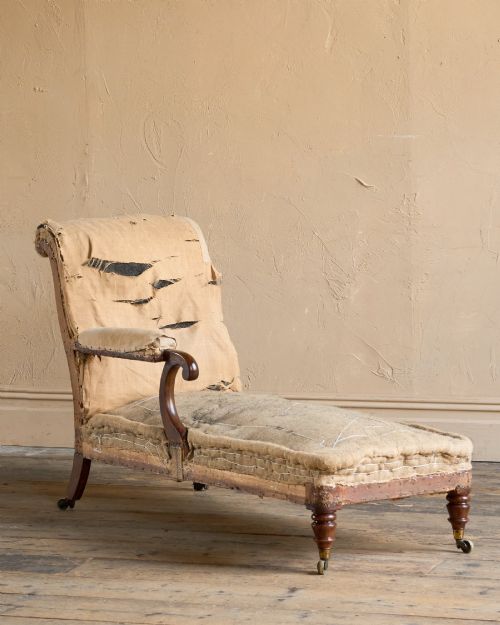
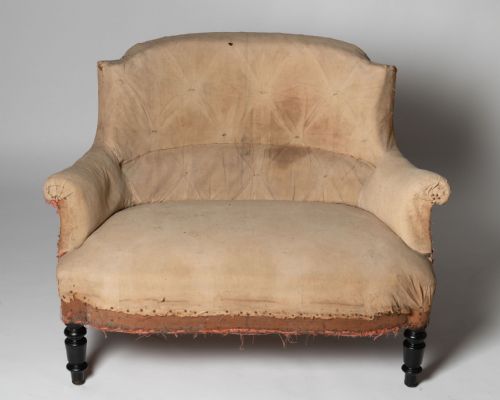
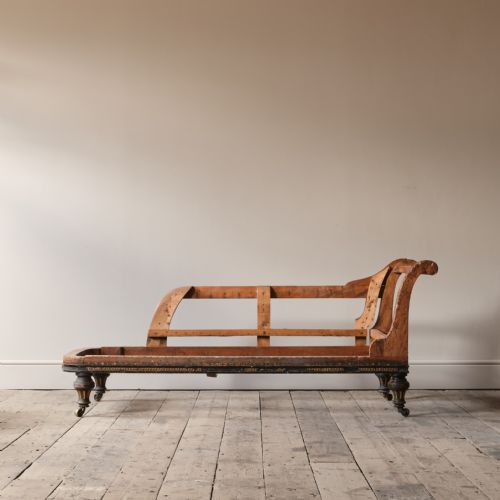
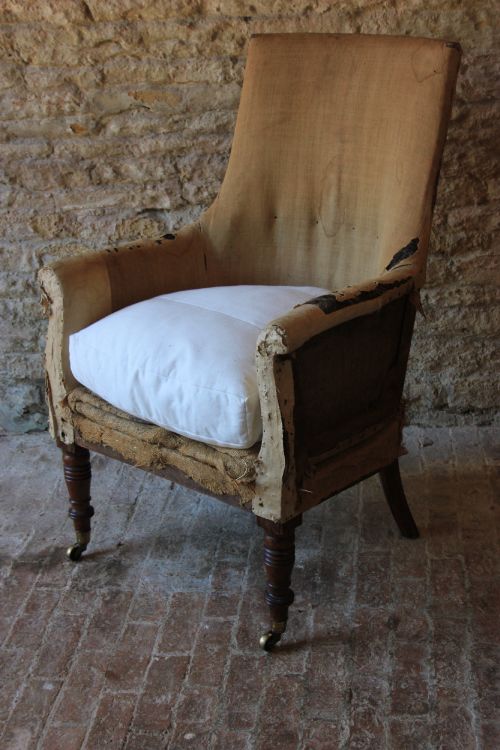
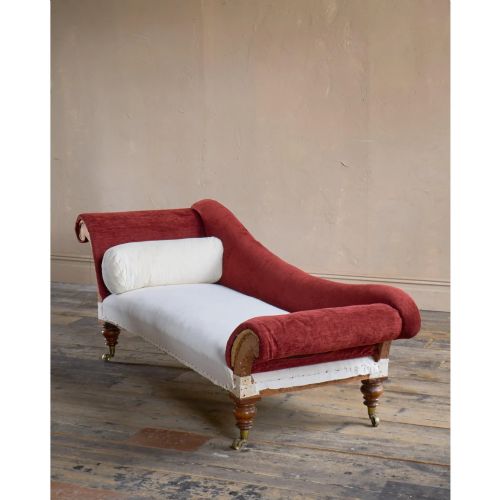
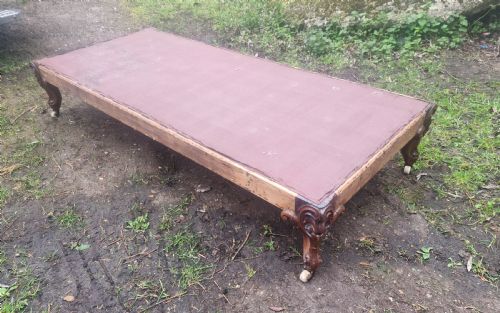
Upholstery project furniture comprises unrecovered or partially stripped seating and daybeds awaiting fresh fabric and webbing. Buyers seeking these items will find pieces designed for hands-on restoration, originating from the Regency, William IV, and Victorian eras.
Many of these frames arrive with their original foundation materials such as hessian and calico still intact. This provides a clear structural blueprint for restorers aiming to retain historical integrity during the reupholstering process.
Materials and construction methods
Construction relies heavily on dense timbers such as mahogany, rosewood, and ebonised wood, chosen for their structural strength and capacity for fine carving. Brass details and ceramic castors frequently appear on nineteenth-century seating frames to aid mobility and finish.
Internal stuffing historically relied on natural materials supported by webbing, with calico and hessian forming the traditional inner lining layers. These textiles held the horsehair or wool stuffing firmly in place before the decorative top fabric was applied.
Upholstery Project Furniture Retail Price Guide 2026
Typical asking prices for upholstery project furniture among the pieces listed under this phrase on Sellingantiques today, from the lower quarter to the upper quarter. They describe what is for sale here now, not the wider market.
Many of these patient frames have spent over a century wearing out several sets of clothes before finally meeting their new restorer.
Distinguishing quality in unrecovered pieces
Quality rests primarily in the timber frame's structural integrity, the crispness of the carved detail, and the provenance of the maker. Master cabinetmakers constructed frames with precise joinery that survives decades of stripping and rebuilding.
Pieces bearing stamps or attributions to notable nineteenth-century cabinetmakers command greater attention from collectors. The weight and grain of the mahogany or rosewood further distinguish standard workshop output from exceptional commissions.
Holland and Sons·Hindley and Sons·Willian Trotter
The Upholstery Project Furniture Glossary
- Calico
- A plain-woven cotton fabric used as a tight inner lining to contain stuffing materials before the final decorative cover is fitted.
- Hessian
- A coarse woven fabric, typically made from jute fibres, used to create the foundational support webbing across chair and sofa frames.
- Ebonised wood
- Timber treated with a chemical stain or paint finish to imitate expensive ebony, popular during the nineteenth century.
- Reupholstery
- The process of stripping old fabric, webbing, and stuffing from a frame and replacing them with new materials.
Upholstery Project Furniture: Frequently Asked Questions
What is upholstery project furniture?
Upholstery project furniture consists of antique seating and daybeds that require new fabric and internal padding. These pieces let restorers choose textiles that suit modern interiors while preserving the historic wooden frame.
Buyers select these items to secure genuine period forms, ranging from nursing chairs to large hall benches, ready for bespoke revival.
How do I choose the right frame?
Examine the timber quality, the sharpness of any carved details, and the overall proportions of the piece. Ensure the underlying wood is sound and free from major structural alterations before committing to a project.
Consider the intended room and function, matching the scale of a chaise longue or library chair to your available space.
Can I keep original padding?
Original nineteenth-century stuffing materials like horsehair and wool often degrade or lose resilience over decades of use. Most restoration projects require replacing these internal layers to ensure proper support and comfort.
Retaining historic calico or hessian layers is sometimes possible if they remain robust, but complete re-webbing is standard practice.
How do I date these frames?
Dating relies on stylistic markers from periods such as Regency, William IV, and Victorian eras. Mahogany, rosewood, and ebonised finishes often correspond to specific manufacturing decades.
Maker stamps on the wood or brass fittings provide definitive clues to the workshop origin and manufacturing period.