



Upholstery Project Couch
An upholstery project couch gives you an empty canvas to restore a period frame exactly to your taste.
Upholstery Project Couch
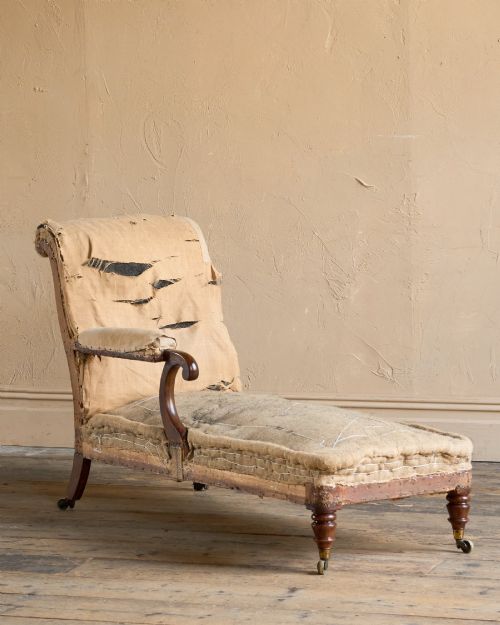
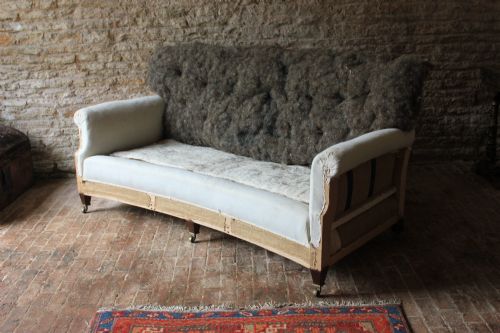
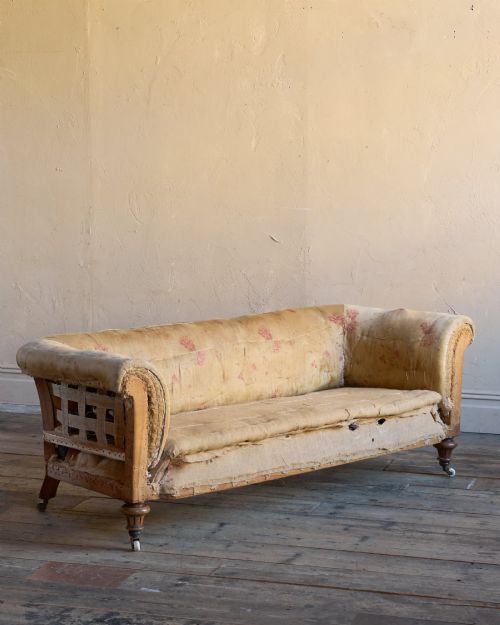
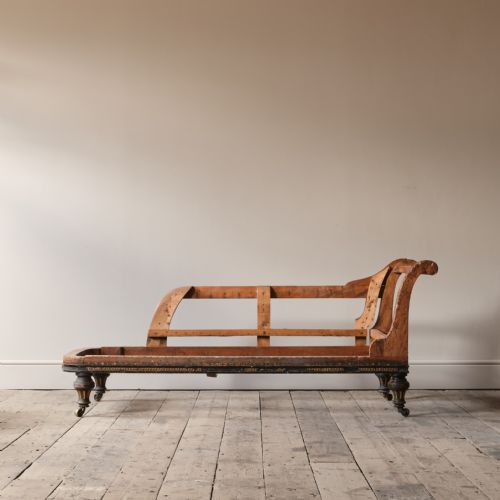
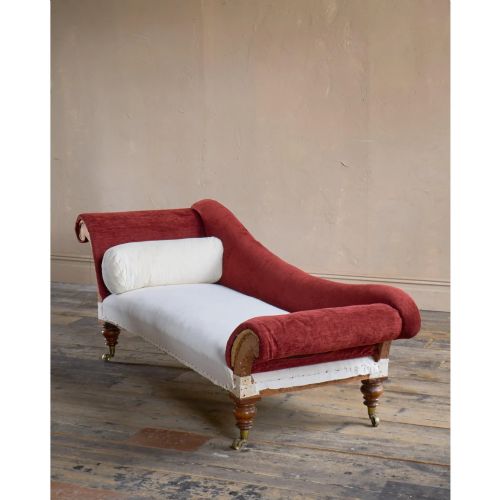
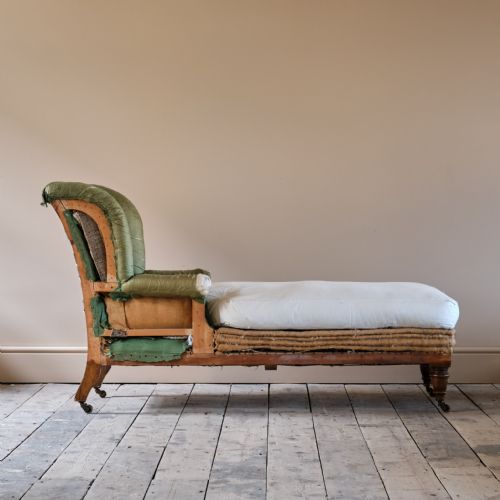
When you search for an upholstery project couch, you find wooden frames awaiting complete restoration, ranging from nineteenth-century chaises longues to Georgian settees. These items require new fabric, webbing, and stuffing before they return to active use in a room.
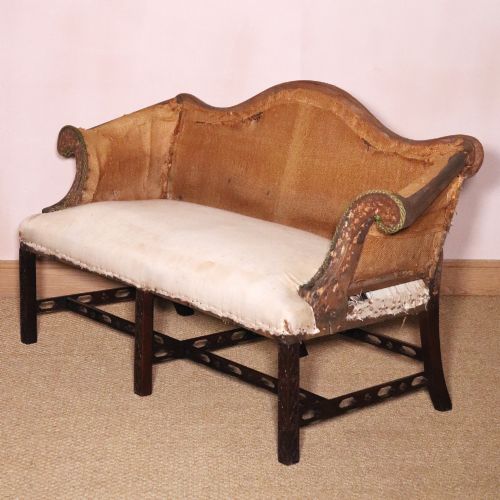
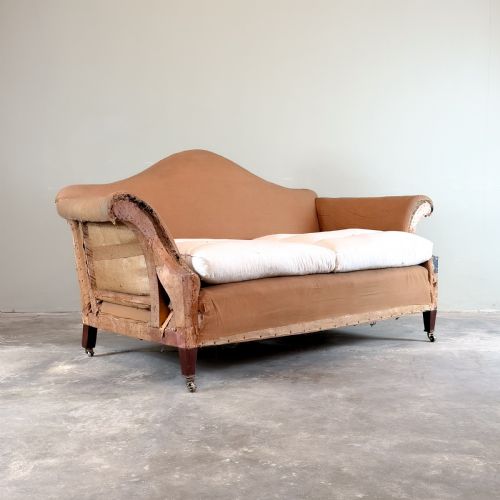
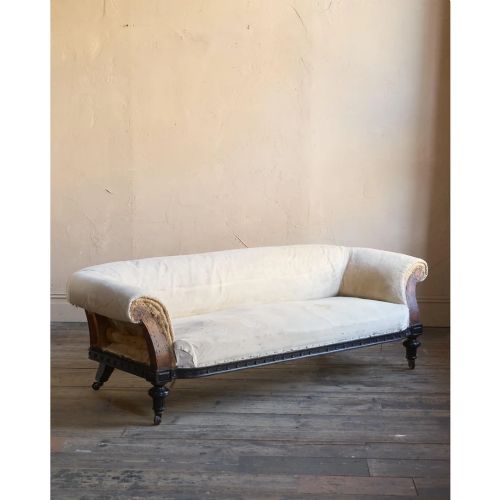
The pieces listed here span the eighteenth century through to the early twentieth century, taking forms such as Chesterfield sofas, camel back settees, and daybeds. You are most likely to encounter Victorian and nineteenth-century examples stripped back to their hessian and jute foundations.
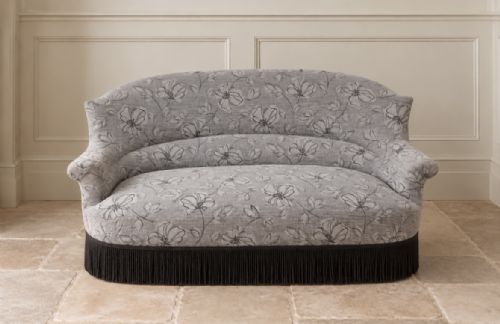
Makers and styles vary widely across the selection, featuring Chippendale revival designs alongside pieces attributed to prominent Victorian cabinet makers. Each item presents a distinct structural configuration that dictates the final shape of the reupholstered furniture.
Assessing frame quality
The integrity of the underlying timber frame separates a sound restoration project from one requiring extensive carpentry repairs. Original carved details on exposed mahogany or simulated rosewood arms indicate higher workshop standards during the initial manufacture.
Proportion and scale dictate the visual success of the finished couch once new fabric is applied. Pieces retaining their original brass castors and uncompromised internal webbing offer a more authentic foundation for restoration.
Upholstery Project Couch Retail Price Guide 2026
Typical asking prices for upholstery project couch among the pieces listed under this phrase on Sellingantiques today, from the lower quarter to the upper quarter. They describe what is for sale here now, not the wider market.
The listings span from the eighteenth century to the 1930s, featuring woods such as mahogany, ebonised timber, and simulated rosewood.
Howard and Sons·Holland and Sons·Hampton and Sons·Willian Trotter
The Upholstery Project Couch Glossary
- Hessian
- A coarse woven fabric typically made from jute fibres, used historically as a foundation layer to hold stuffing in place. It provides the breathable base upon which traditional upholstery is built.
- Camel back
- A sofa or settee backrest featuring a distinctive undulating curve that rises smoothly towards the centre. This classical silhouette gained popularity during the eighteenth century.
- Daybed
- An elongated piece of furniture designed for reclining during the day, combining elements of a chair and a bed. They appear in various nineteenth-century regional styles.
- Ebonised wood
- Timber treated with a chemical stain or black finish to imitate expensive ebony. This technique was popular in nineteenth-century cabinet making for decorative contrast.
Upholstery Project Couch: Frequently Asked Questions
What does upholstery project mean?
An upholstery project refers to a furniture frame that has lost its original fabric, padding, and internal webbing due to age. Buyers purchase these pieces to apply new materials tailored to modern interiors.
The exposed wood and springs require professional restoration or skilled handiwork to make the couch usable again. This process allows full control over the choice of top cloth and internal stuffing.
How do I choose the right fabric?
Selecting a fabric depends on the period of the frame and the expected wear in your home. Heavy cottons, velvets, and traditional wovens suit formal nineteenth-century silhouettes.
Consider the weight of the textile in relation to the proportions of the settee or daybed. Heavier frames can support bolder patterns and thicker weaves without losing their architectural lines.
Can I sit on a project couch?
Project couches found on this page generally lack functional seating surfaces because the internal padding and support webbing have deteriorated or been removed. Sitting directly on the exposed springs or frame risks damaging the antique woodwork.
Restoration is necessary before the couch can support body weight comfortably. Until then, the piece functions purely as a structural frame.
How do I identify a Victorian sofa?
Victorian sofas often feature dark woods like mahogany or ebonised finishes, combined with robust, rounded forms such as the Chesterfield style. They frequently rest on short wooden legs fitted with brass castors.
Examining the construction methods beneath any remaining fabric helps confirm the nineteenth-century origins of the piece. Cabinet makers of this era favoured heavy internal framing to support deep buttoning and sprung seats.