
Upholstered Wooden Armchair
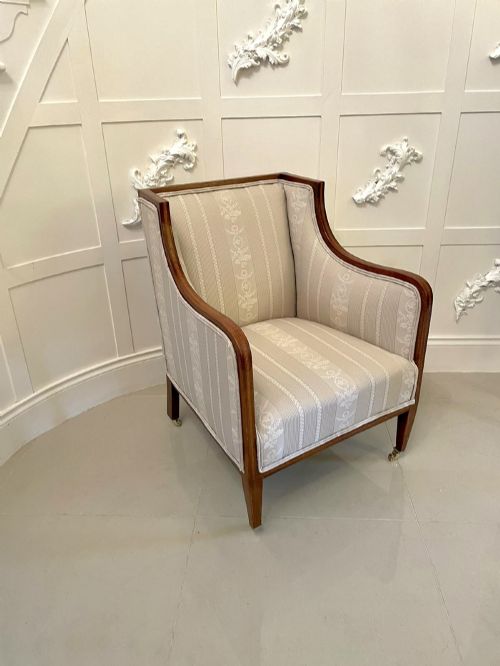
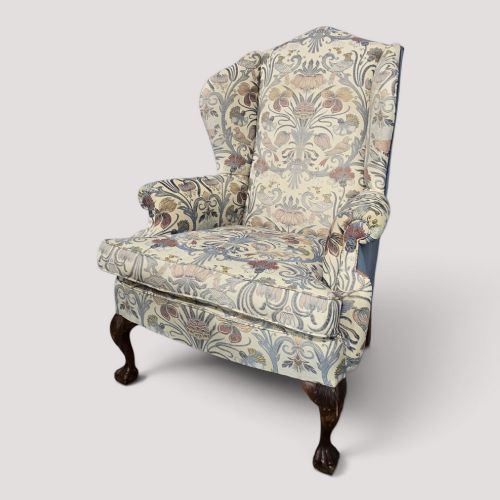
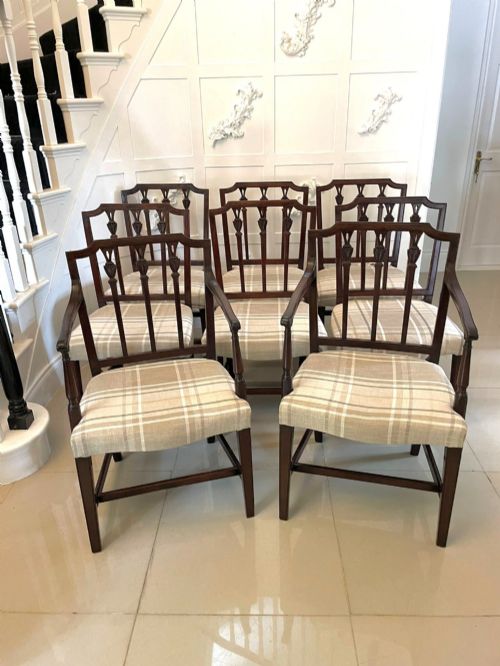
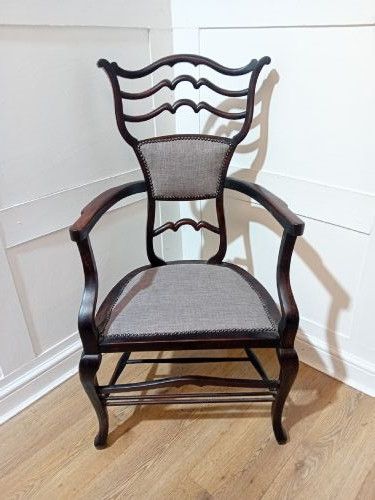
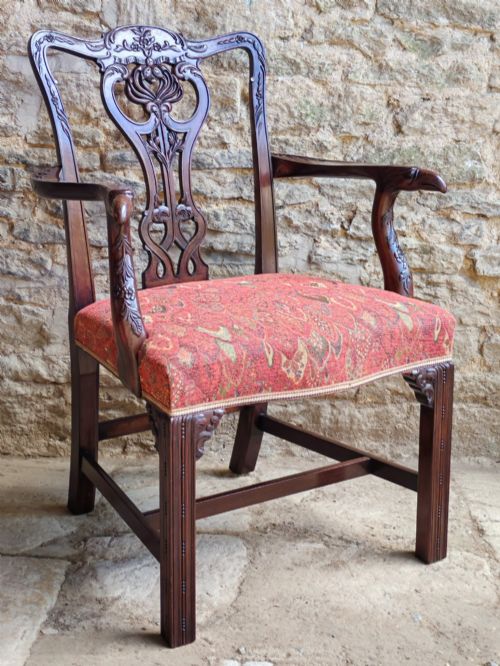
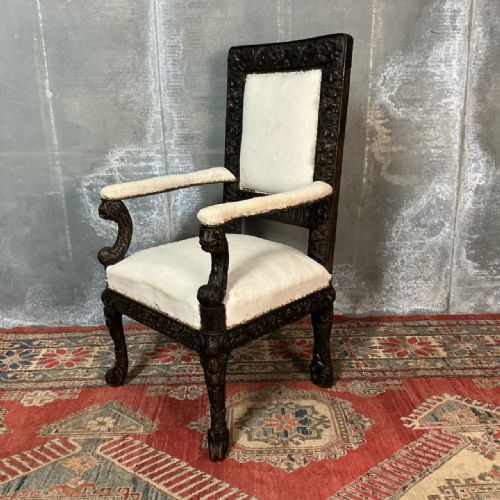
An upholstered wooden armchair brings tactile warmth and period character to a room through visible timber frames and soft textile covers.
Upholstered Wooden Armchair
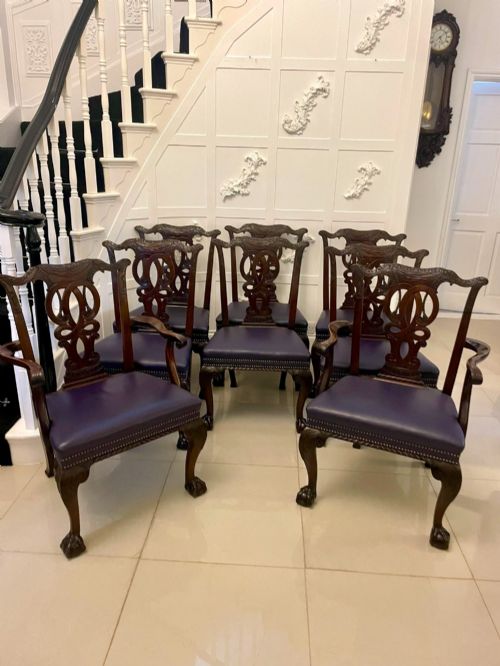
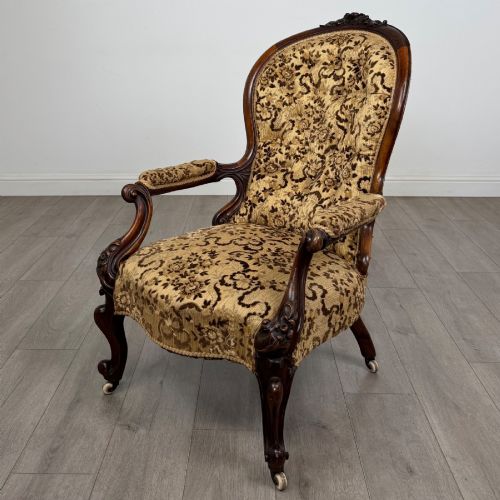
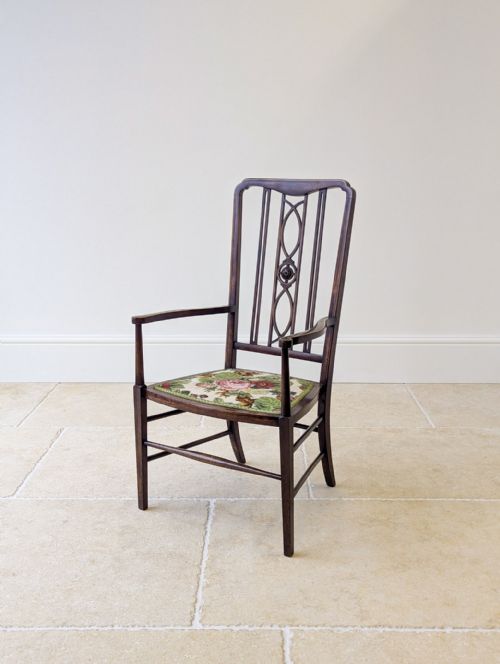
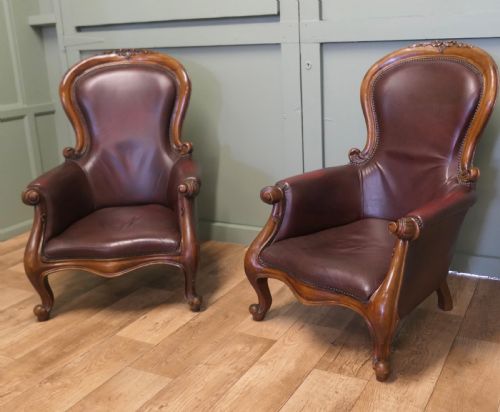
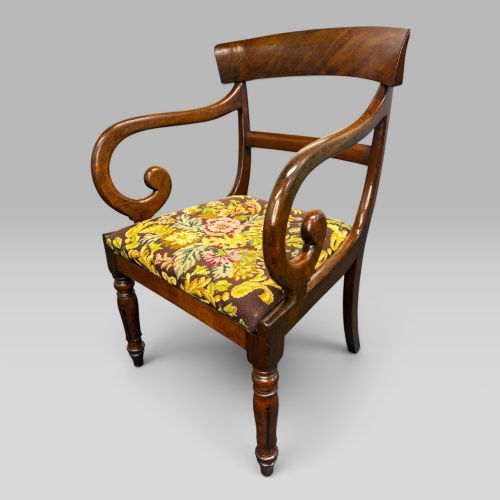
When buyers search for an upholstered wooden armchair, they encounter seating where exposed timber supports textile, leather, or needlework covers. The selection spans the eighteenth, nineteenth, and twentieth centuries, including Georgian, Victorian, and Edwardian periods.
The inventory encompasses various seating forms alongside standard armchairs, such as carvers, elbow chairs, library seats, and easy chairs. Mahogany, walnut, oak, and maple provide the wooden structure for these diverse historical types.
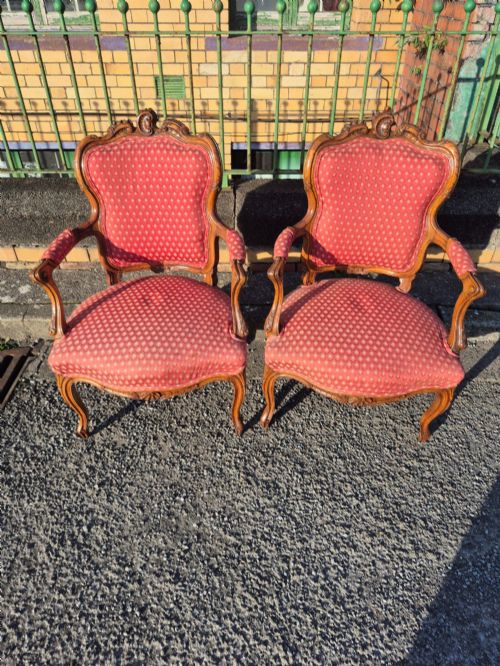
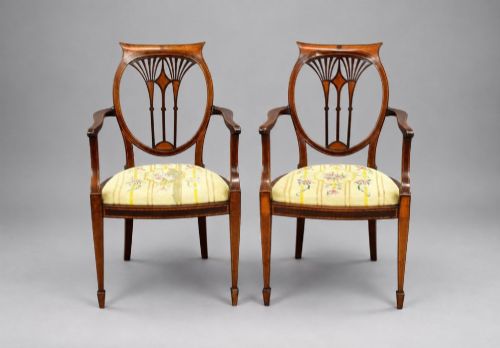
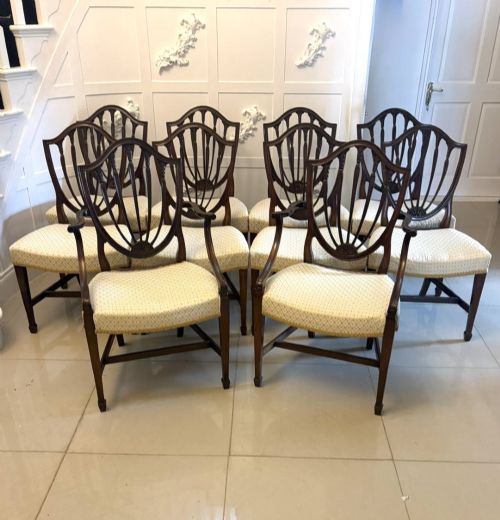
Makers and workshops from different European and domestic traditions shaped these pieces, applying styles ranging from Louis XV and Regency to Arts and Crafts or Art Deco. Buyers meet both single statement seats and matched pairs intended for formal reception rooms.
Materials and construction
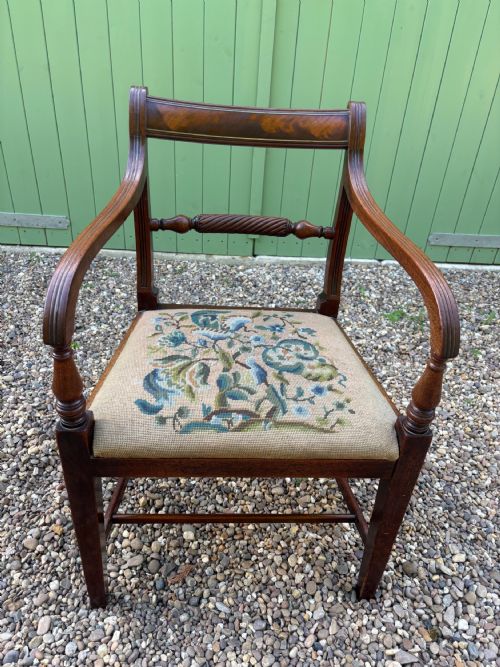
Joinery relies on solid hardwoods like mahogany, walnut, and oak, shaped through carving, turning, and steam-bending to form arms, legs, and supportive backs. Frames frequently feature detailed mouldings or applied decoration that highlights the natural grain of the timber.
Upholstery techniques combine internal webbing and stuffing with top coverings of patterned textile, leather, Aubusson tapestry, or silk velvet. Brass tacks or decorative gimp often secure the fabric edges directly to the wooden frame.
Several armchairs arrive with diminutive child-sized proportions or companion footstools designed for quiet afternoons.
Distinctions in quality
Quality rests upon the crispness of the timber carving and the architectural integrity of the underlying wooden frame. Finer examples display harmonious proportions, substantial timber selection, and original structural joinery without heavy timber replacement.
The caliber of the upholstery covering and the fidelity of historical revival styling further differentiate the pieces. Original or sympathetic textile choices that complement the period of the wooden structure elevate the overall standard.
Howard and Sons·Maple and Co·Gillows·Hindley and Sons
The Upholstered Wooden Armchair Glossary
- Carver
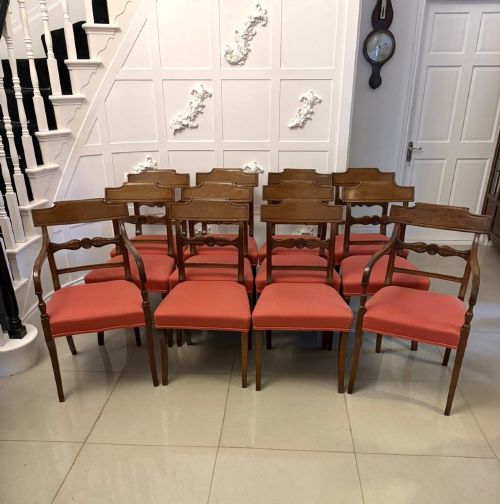
- An armchair designed with arms, traditionally placed at the ends of a dining table. These pieces match larger sets of side chairs.
- Bergere
- An enclosed upholstered armchair with wooden framing exposed around the sides and back. The armrests typically pad into the main structure.
- Spoon back
- A padded chair back shaped like the bowl of a spoon to fit the human spine. This form appears frequently in Victorian seating.
- Wingback
- An armchair with high side panels designed to shield the occupant from drafts. Early examples date to the seventeenth and eighteenth centuries.
- Gimp
- A narrow woven fabric band used to trim upholstery edges and conceal tacks. It matches or contrasts with the main textile cover.
Upholstered Wooden Armchair: Frequently Asked Questions
What is a carver chair?
A carver chair is an armchair built to match a set of dining chairs, typically positioned at the head of the table.
These pieces feature wooden arms that match the side chairs in timber and decorative style.
How do I identify a Victorian armchair?
Victorian armchairs often feature dark woods like walnut or mahogany, with prominent upholstery and curved structural lines.
Common styles from this era include button-backed easy chairs and spoon-back salon seats.
Are these chairs suitable for daily use?
Many antique armchairs function well in modern living spaces for daily sitting, provided the frame remains structurally sound.
Buyers often assess whether the internal webbing and padding require professional restoration before regular use.
What woods were used for frames?
Cabinetmakers utilised dense hardwoods such as mahogany, walnut, oak, and maple to ensure structural strength.
Secondary woods like beech or fruitwood also appear beneath painted finishes or gilded surfaces.