

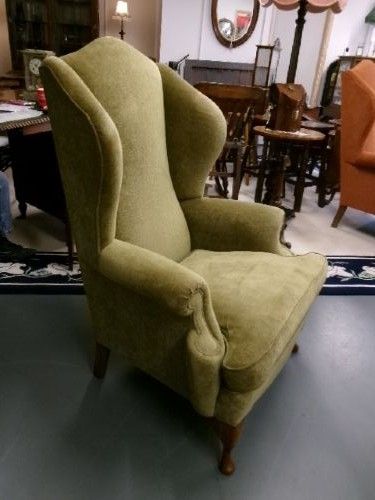
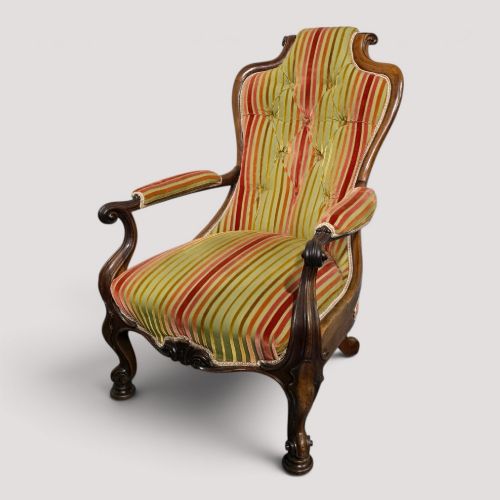
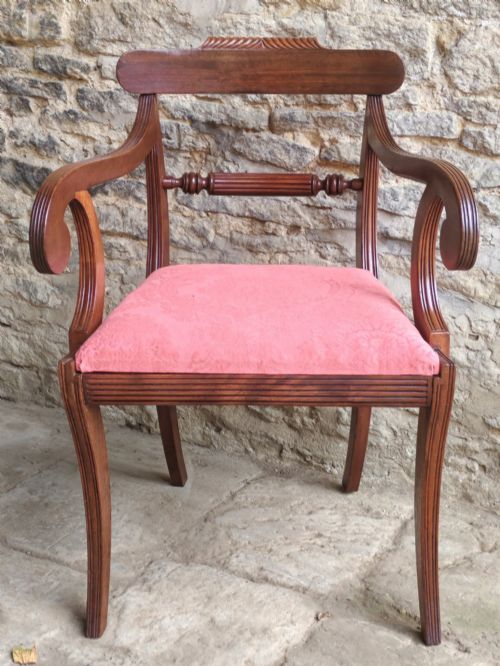
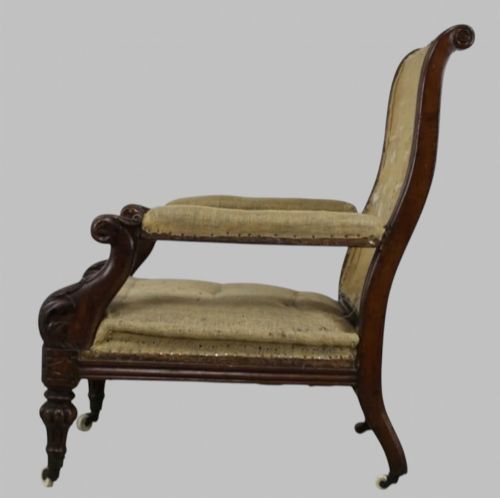
Upholstered Scroll Arm Chair
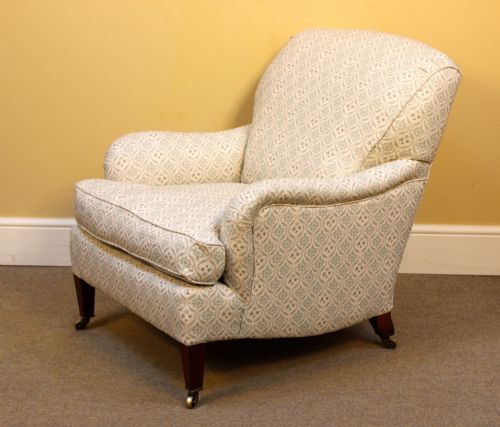
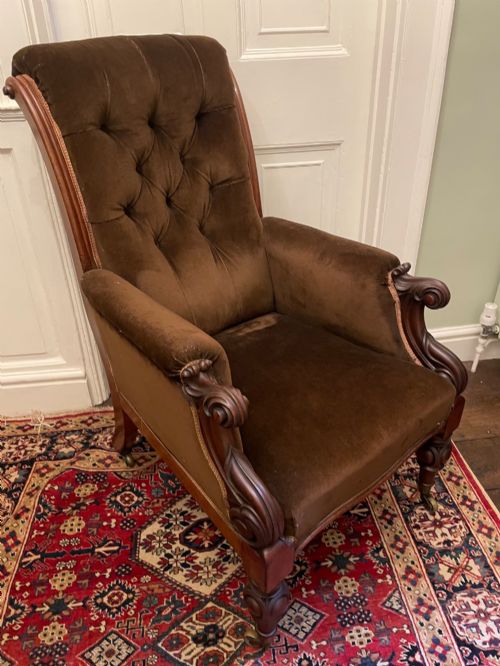
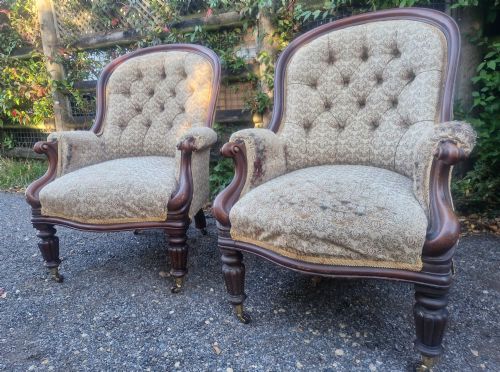
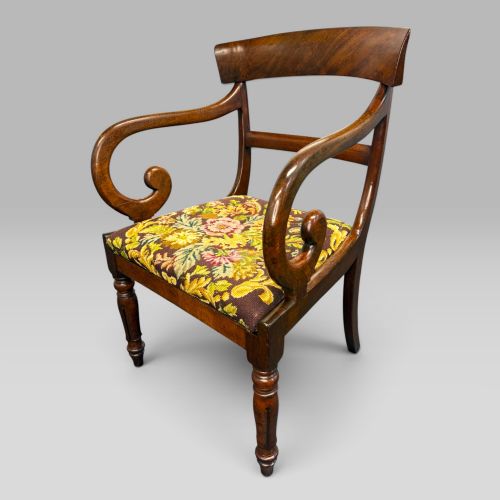
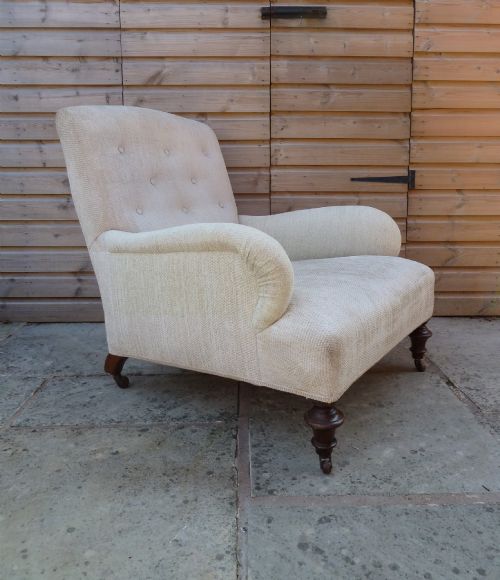
An upholstered scroll arm chair brings together architectural timber frames and deep seating, offering a substantial seat for a library or drawing room.
Upholstered Scroll Arm Chair
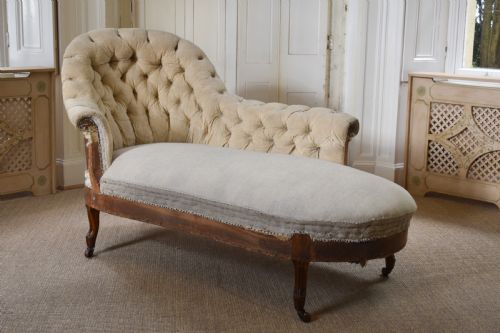
An upholstered scroll arm chair combines a supportive timber framework with generous textile covering, designed primarily for comfort and formal reception rooms. The pieces gathered under this heading span centuries of design, reflecting the changing tastes of British and continental interiors.
Most examples you encounter date from the nineteenth century, encompassing Regency, William IV, and Victorian periods. Mahogany and rosewood frequently form the primary structure, whilst walnut and oak appear alongside softer birch frames.
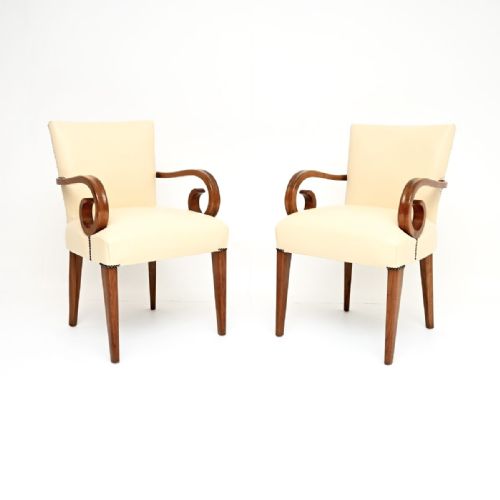
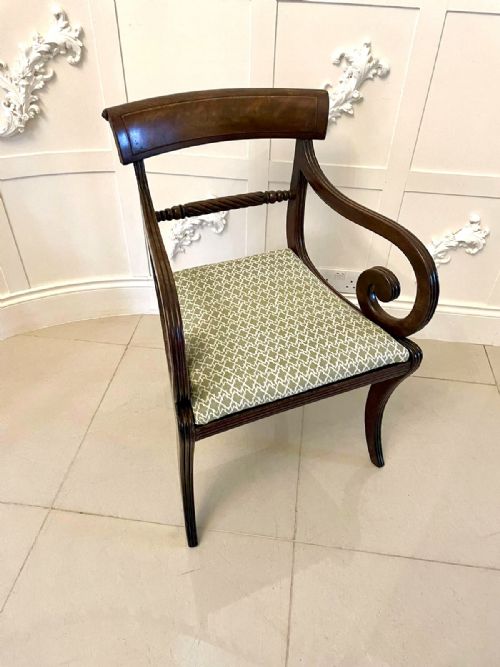
Beyond standard armchairs, related seating such as library chairs, carver chairs, and occasional chairs share similar scroll arm characteristics. These forms range from compact fireside seating to large-proportioned club styles suited for expansive spaces.
Construction and Materials
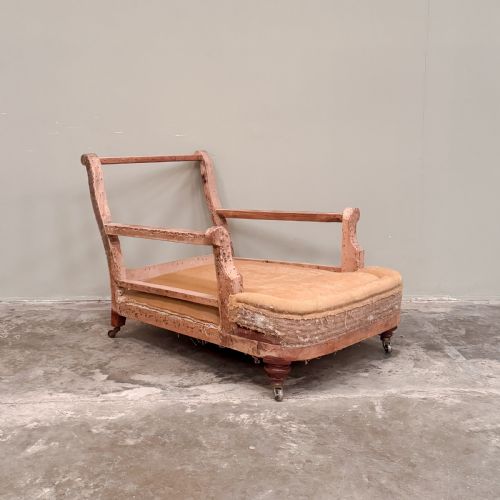
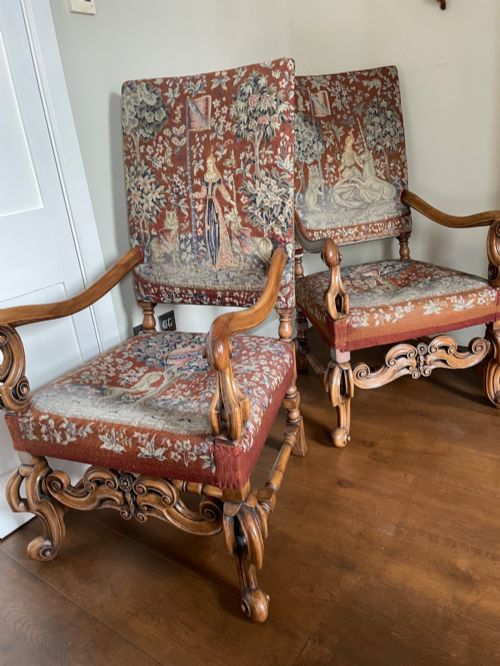
Makers constructed the primary frames of these chairs using dense hardwoods like mahogany, walnut, and rosewood, ensuring structural integrity beneath the upholstery. Exposed timber elements often received careful carving, particularly along the scroll arms and legs.
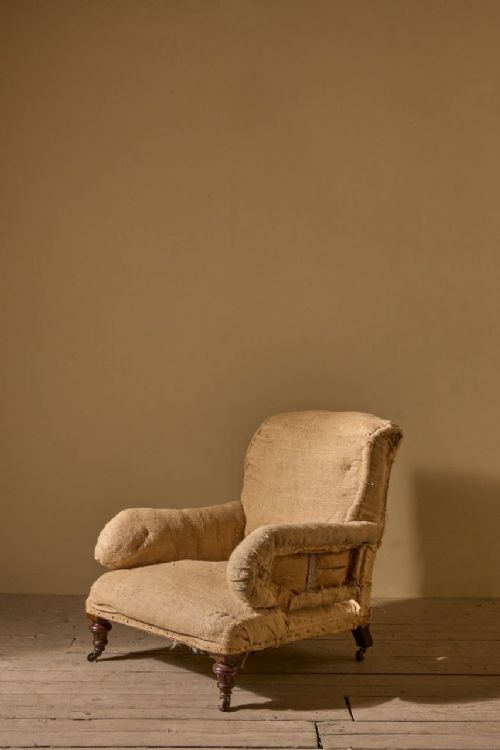
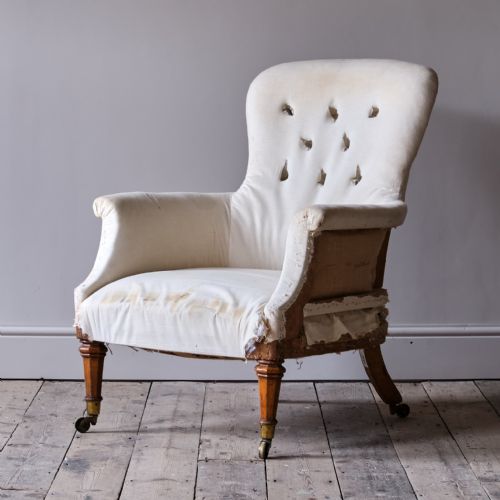
Upholstery techniques involved traditional stuffing secured over webbing and springs, finished with durable textiles such as velvet, leather, tapestry, and damask. Brass detailing, including castors or studwork, frequently completed the assembly.
Upholstered Scroll Arm Chair Retail Price Guide 2026
Typical asking prices for upholstered scroll arm chair among the pieces listed under this phrase on Sellingantiques today, from the lower quarter to the upper quarter. They describe what is for sale here now, not the wider market.
Several armchairs incorporate hidden castors beneath their scroll feet, designed for silently gliding across heavy carpets during Victorian parlour games.
Assessing Quality
The distinction between ordinary and exceptional pieces lies in the crispness of the timber carving and the architectural proportion of the scroll arms. Finer examples display harmonious lines where the wooden frame transitions seamlessly into the upholstered body.
Material selection and execution elevate certain pieces, particularly those utilising figured rosewood, rich mahogany, or bespoke maker craftsmanship. The integrity of the underlying frame and the quality of the textile finish ultimately determine the standing of each chair.
James Mein Kelso·Howard and Sons·Trollope and Sons
The Upholstered Scroll Arm Chair Glossary
- Scroll Arm
- An armrest shaped into an inward or outward curve resembling a rolled scroll. This decorative and ergonomic feature defines the silhouette of many nineteenth-century seats.
- Carver Chair
- An armchair, typically matching a set of dining chairs, featuring more substantial arms and a wider seat. These often served as principal seating at a table or desk.
- Library Chair
- A sturdy armchair designed for reading rooms, frequently upholstered for prolonged comfort. They often incorporate mahogany frames and supportive padded backs.
- Damask
- A reversible figured fabric woven on a jacquard loom, traditionally utilising silk, wool, or cotton. It provides a patterned, textured surface frequently used for formal upholstery.
- Regency
- A British design period spanning the early nineteenth century, characterised by classical revival motifs and refined proportion. Furniture from this era often utilises dark hardwoods like mahogany and rosewood.
Upholstered Scroll Arm Chair: Frequently Asked Questions
How do I date an upholstered scroll arm chair?
Dating relies primarily on timber choice, leg style, and structural proportions characteristic of specific periods like the Regency or Victorian eras. Secondary indicators include the upholstery methods and the presence of maker stamps.
Examining the secondary woods and construction joinery underneath further helps establish the manufacturing timeframe.
Where should I place an upholstered scroll arm chair?
These substantial chairs suit studies, libraries, drawing rooms, or spacious bedrooms where their architectural form can be fully appreciated. Their deep seating makes them ideal as standalone reading chairs.
Ensure adequate clearance around the scroll arms to display their silhouette effectively within the room.
What is the difference between a carver and a library chair?
Carver chairs traditionally accompanied dining table sets, offering slightly larger proportions than standard side chairs to accommodate the armrests. Library chairs were built specifically for reading spaces, prioritising deep upholstery and heavy timber frames.
Both incorporate supportive armrests, but their intended domestic contexts shaped their scale and finish.
How do I care for antique upholstery and wood?
Maintain timber frames by dusting regularly with a soft cloth and applying appropriate wax sparingly to nourish the polished surface. Protect antique textiles from direct sunlight to prevent fading and delicate vacuuming using a low-suction attachment.
Professional cleaning is recommended for historic fabrics to preserve the underlying stuffing and structure.