



Upholstered Nursery Chair
An upholstered nursery chair is a small seating form built for children, prized for its miniature scale and period craftsmanship.
Upholstered Nursery Chair
An upholstered nursery chair offers compact seating designed specifically for children across several historic eras. The selection on this page centres on pieces created during the Georgian, Victorian, and Edwardian periods, alongside early twentieth-century examples.
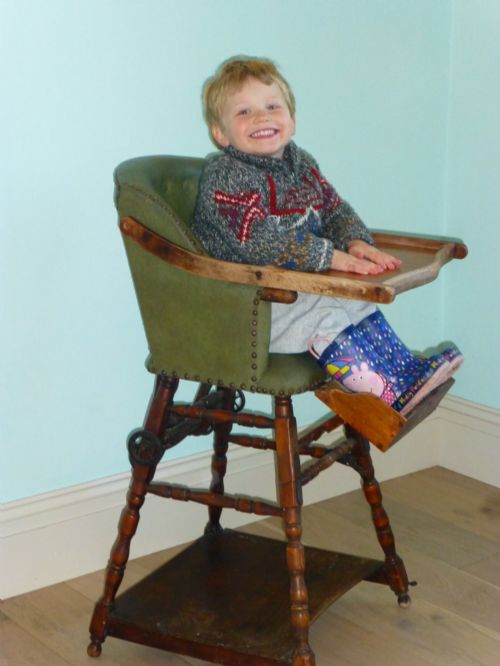
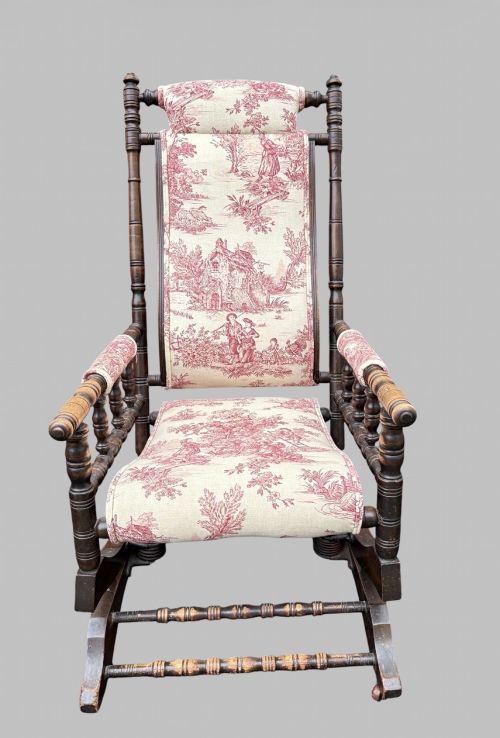
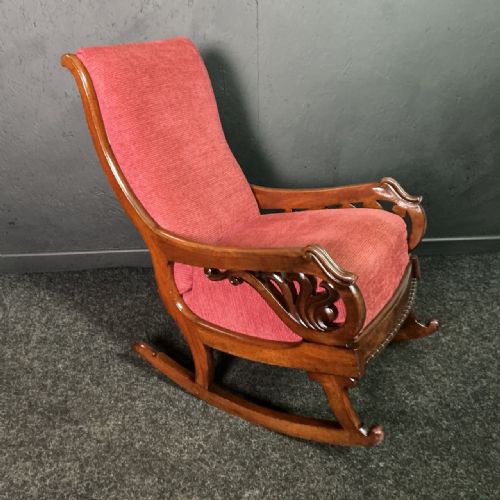
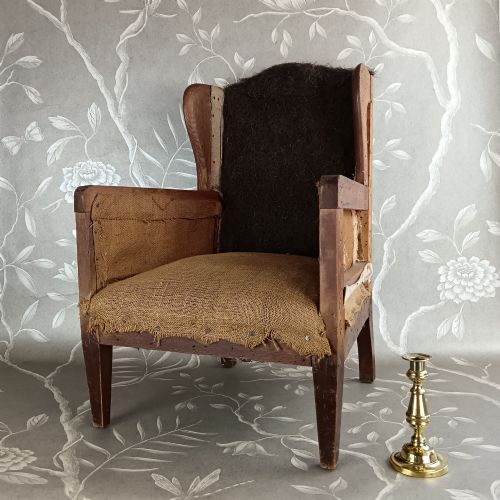
Buyers encounter diverse configurations, including wingback armchairs, open arm carvers, rocking chairs, and high chairs. These items originate from workshops that adapted full-sized furniture vernaculars into diminutive proportions for domestic use.
Stylistic influences range from Queen Anne and Regency revivals to Aesthetic Movement designs. Materials and frames vary from plain timber to inlaid mahogany and ebonised wood.
How they were made
Frames rely on traditional cabinet timbers such as mahogany, walnut, fruitwood, and ebonised wood, often shaped with turned or carved details. Joinery techniques from the nineteenth and early twentieth centuries ensure structural stability in miniature forms.
Upholstery methods incorporate buttoned leather, textile, and various fabrics secured to the wooden frames. Brass accents and inlaid woodwork occasionally finish the decorative scheme of these small chairs.
Upholstered Nursery Chair Retail Price Guide 2026
Typical asking prices for upholstered nursery chair among the pieces listed under this phrase on Sellingantiques today, from the lower quarter to the upper quarter. They describe what is for sale here now, not the wider market.
Listings feature timbers like mahogany, walnut, fruitwood, and ebonised wood alongside brass and various upholstered fabrics.
What varies in quality
The sophistication of the timber carving and the precision of the turnery define the upper tier of these pieces. Higher-grade examples display refined proportions and carefully executed period details like Queen Anne style legs or inlaid mahogany.
The choice and execution of the upholstery material also separate standard items from superior specimens. Original or period-appropriate buttoned leather and fine textiles elevate the visual integrity of the chair.
The Upholstered Nursery Chair Glossary
- Carver
- An armchair, often designed with open arms, matching a set of dining or occasional chairs. These pieces provide sturdy side support for a seated child.
- Ebonised wood
- Timber treated with a chemical stain or finish to imitate the appearance of ebony. This dark surface treatment appears frequently on Victorian and Aesthetic Movement pieces.
- Wingback
- An armchair featuring side panels attached to the back, designed to shield the occupant from draughts. Miniature versions scale this traditional form down for nursery use.
- Burr walnut
- Timber harvested from walnut tree growths, displaying intricate, swirling grain patterns. Cabinetmakers utilise this decorative veneer to enhance the visual appeal of chair frames.
Upholstered Nursery Chair: Frequently Asked Questions
How old is an upholstered nursery chair?
Most pieces date from the nineteenth and early twentieth centuries, spanning Victorian, Edwardian, and Georgian revival periods.
Specific construction methods and stylistic markers help distinguish earlier Georgian and Regency-influenced examples from later Edwardian work.
What woods were commonly used?
Maker workshops utilised traditional hardwoods including mahogany, walnut, fruitwood, and ebonised timber.
Inlays and brass details were sometimes added to enhance the appearance of the primary wood.
How do I identify a revival style?
Revival pieces incorporate decorative motifs and structural forms borrowed from earlier historic eras, such as Queen Anne or Georgian designs.
Examining the turning, wood type, and overall silhouette reveals whether a piece is a later interpretation of an earlier aesthetic.