



Upholstered Footstool and Chairs
Upholstered footstool and chairs bring matched seating and rest together, combining historic frames with tactile textiles for daily use.
Upholstered Footstool and Chairs
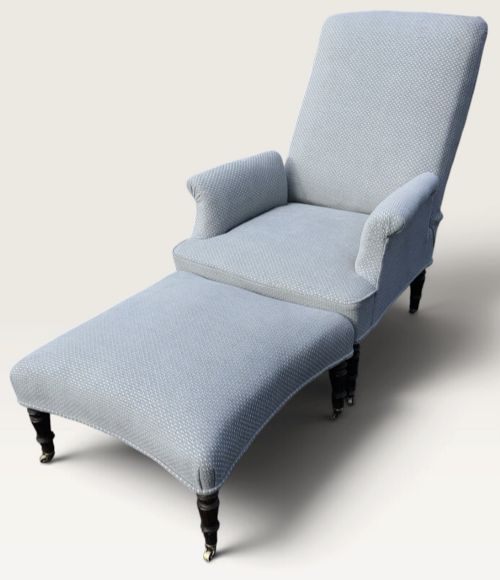
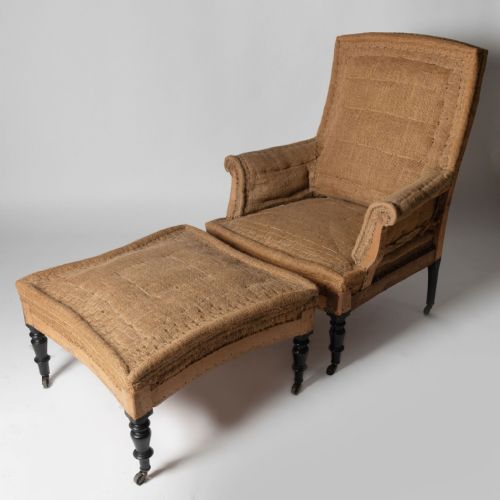
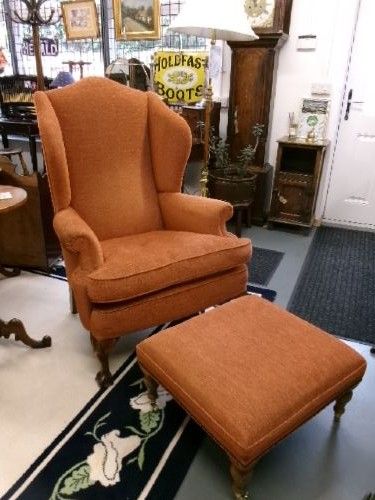
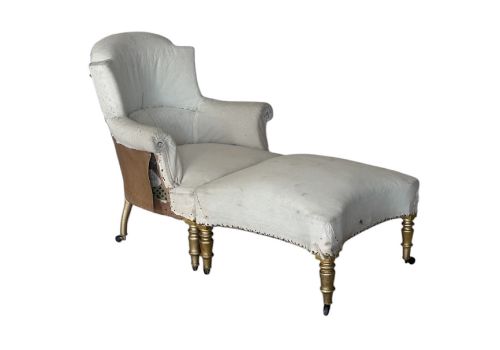
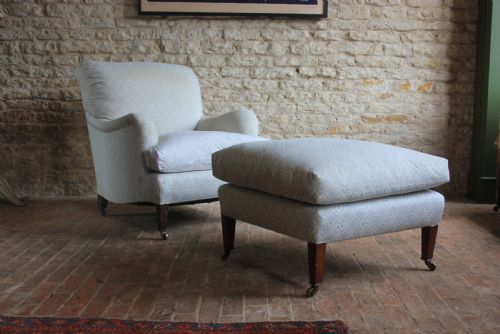
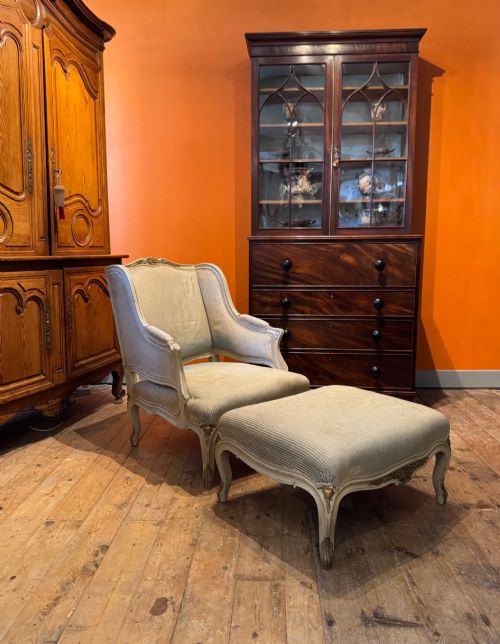
An upholstered footstool and chairs pairing typically unites a larger seat such as an armchair, salon suite, or chaise longue with a matching rest for the feet. These combinations span the nineteenth century, the Victorian era, the Edwardian period, and later twentieth-century revivals.
The individual forms vary from walnut dressing table stools and piano stools to large French reclining armchairs with paired footstools. Stylistic influences include Louis XVI Revival, Louis XV Style, Queen Anne Revival, and Victorian Rococo Revival.
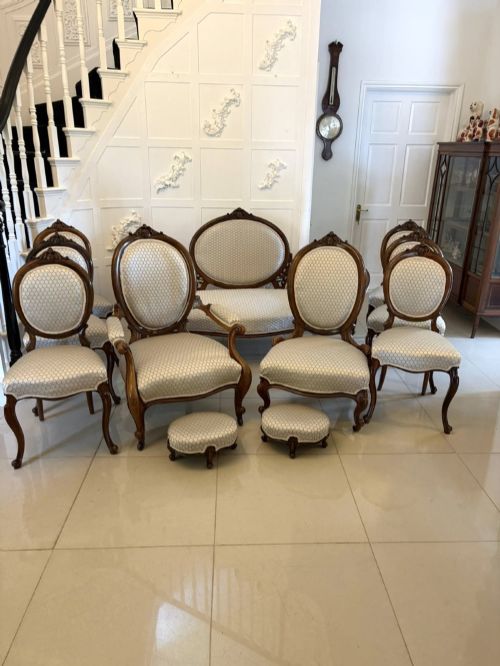
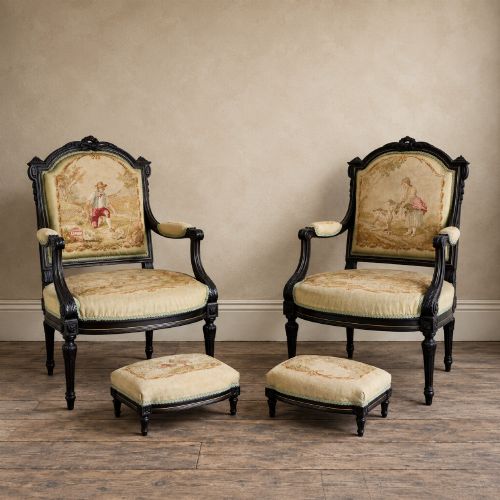
Buyers frequently encounter pairs or complete drawing room suites where the woodwork and textile coverings create a unified decorative scheme. Single dressing stools in walnut or mahogany with cabriole legs also appear regularly.
Materials and construction
Timbers such as walnut, mahogany, oak, rosewood, beech, and giltwood form the structural framework of these pieces. Carved details, ebonised surfaces, and twisted rope legs demonstrate traditional cabinet-making techniques.
Upholstery relies on diverse textiles, including original paint finishes, needlepoint, buttoned back padding, tweed linen, and modern replacement covers. Brass hardware and structural framing components provide internal support.
Upholstered Footstool and Chairs Retail Price Guide 2026
Typical asking prices for upholstered footstool and chairs among the pieces listed under this phrase on Sellingantiques today, from the lower quarter to the upper quarter. They describe what is for sale here now, not the wider market.
Craftsmanship and condition
The distinction between standard examples and finer pieces rests on the depth of hand-carved ornamentation, such as the sculptural quality of cabriole legs or carved animal motifs. Timber selection, including figured walnut and rich mahogany grains, signals higher workshop standards.
The integrity of the frame construction and the preservation of original or period-appropriate textile coverings influence the character of each seating group. Restored pieces balance historical preservation with the renewal of structural stability.
Howard and Sons·James Shoolbred
The Upholstered Footstool and Chairs Glossary
- Duchesse brisée
- A French chaise longue split into two or three parts, typically comprising an armchair and a long footstool or two armchairs with a matching stool between them. This form allows the pieces to be used together as a daybed or separately.
- Salon suite
- A matching set of seating furniture designed for a formal drawing room, usually including a sofa, armchairs, side chairs, and footstools. These suites share identical timber frames and textile upholstery.
- X-frame stool
- A stool supported by intersecting diagonal legs forming an X shape when viewed from the side, sometimes referred to as a curule stool. This ancient form appears in nineteenth-century interpretations with carved walnut or gilt finishes.
- Needlepoint
- Hand-stitched textile work using yarn on a stiff canvas mesh, frequently employed for period footstool and chair upholstery. It provides durable patterned surfaces across dressing table and piano stools.
Upholstered Footstool and Chairs: Frequently Asked Questions
How do I match an antique stool with existing chairs?
Matching relies on observing the primary timber, such as walnut or mahogany, and the prevailing style, whether Victorian Rococo Revival or Queen Anne.
Textiles can be unified through reupholstering the stool in a fabric that echoes the tones of the armchairs.
What is the difference between a dressing stool and a footstool?
Dressing table and piano stools are typically taller and designed for seated tasks at a vanity or instrument, sometimes incorporating internal storage beneath the seat.
Footstools are lower pieces built specifically to support the feet while resting in an armchair or chaise longue.
How should I care for antique upholstered seating?
Protect delicate textiles from direct sunlight to prevent fading and brittle fibres in historic needlepoint or tweed linen. Regular light vacuuming with a soft brush attachment removes dust from carved wooden frames and buttoned upholstery.
Can I use these pieces in a modern interior?
Historic seating groups provide functional character and textural contrast within contemporary living spaces. Pairing an ornate Victorian walnut stool with minimalist furniture grounds the room with traditional craftsmanship.