

Umbrella Stand Mirror
When you need an umbrella stand mirror, you are looking at hallway furniture built to hold hats, coats and sticks while reflecting light.
Umbrella Stand Mirror
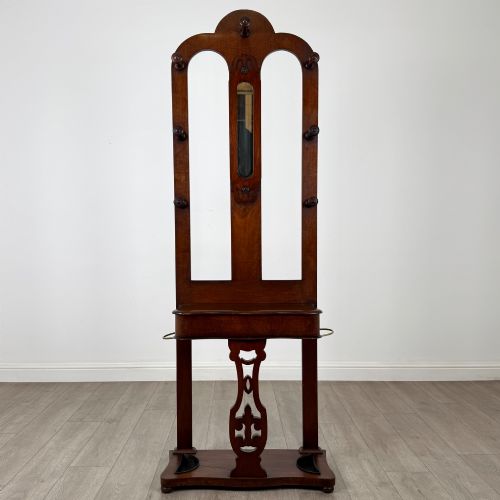
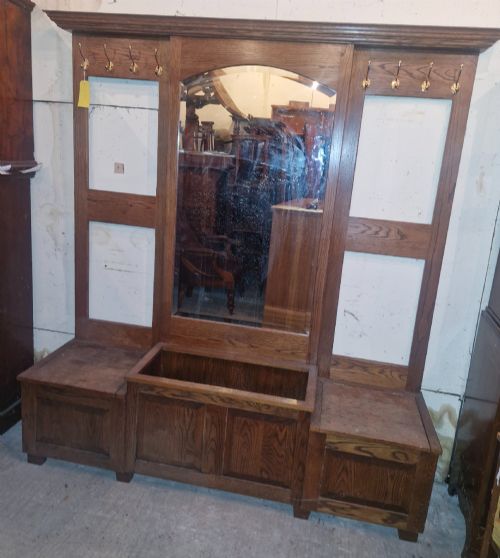
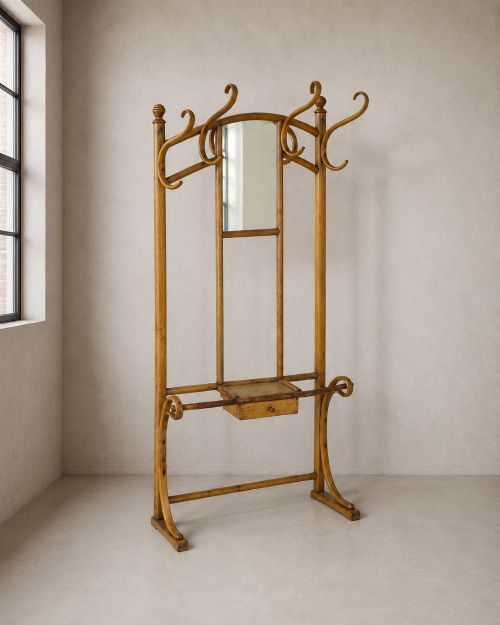
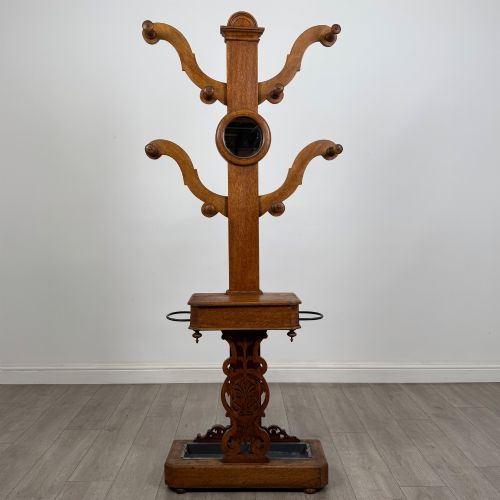
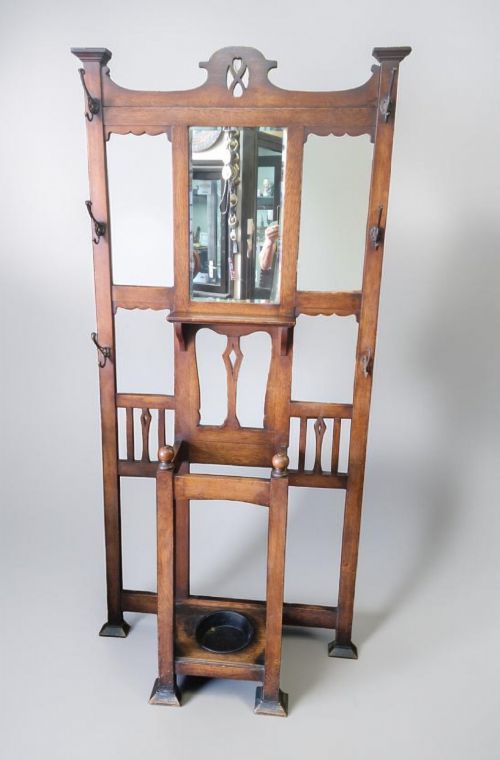
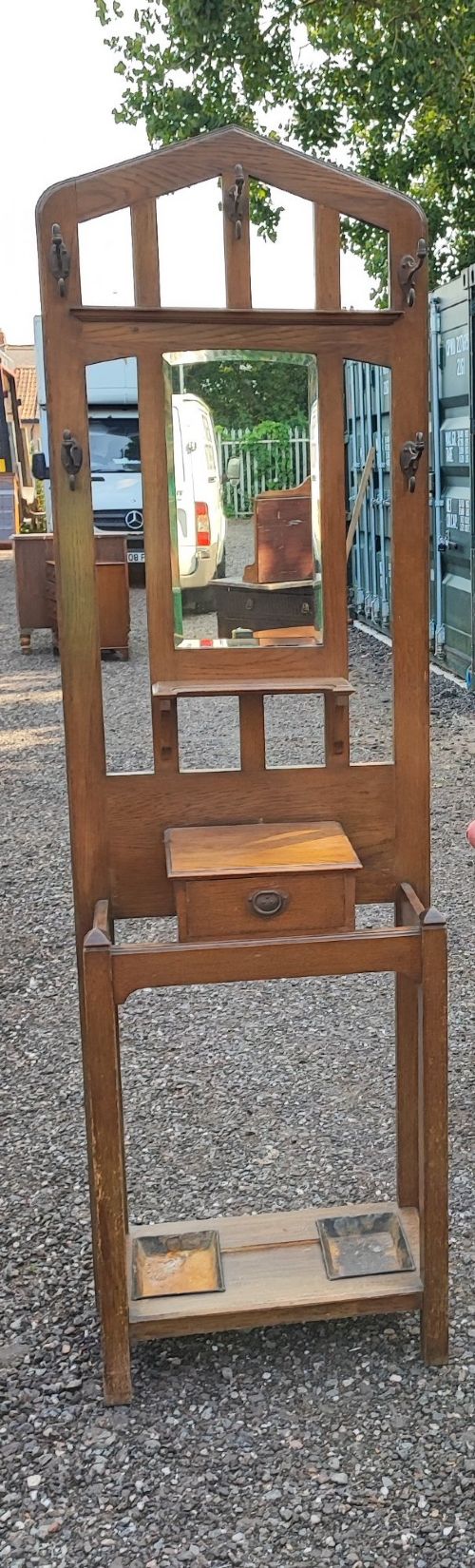
An umbrella stand mirror combines hooks, a mirror plate, and umbrella wells or trays into a single piece of hallway furniture. These functional items appear primarily across Victorian, Edwardian, and late nineteenth century periods.
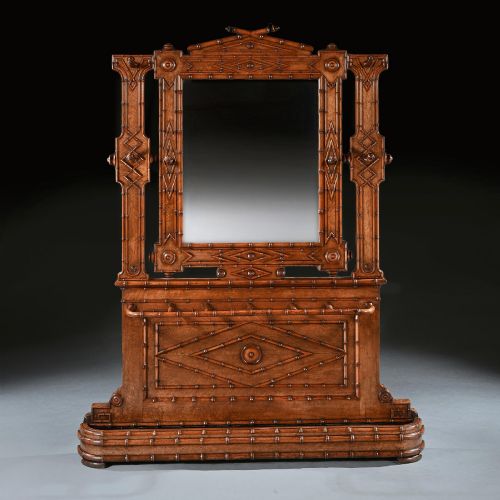
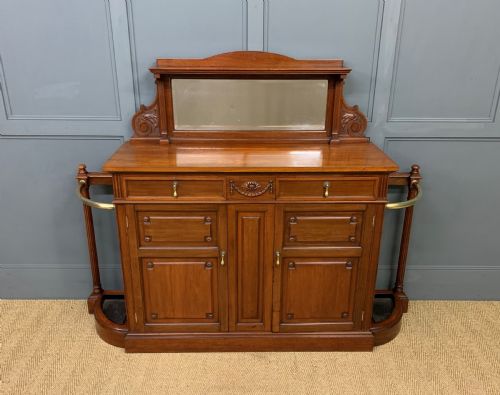
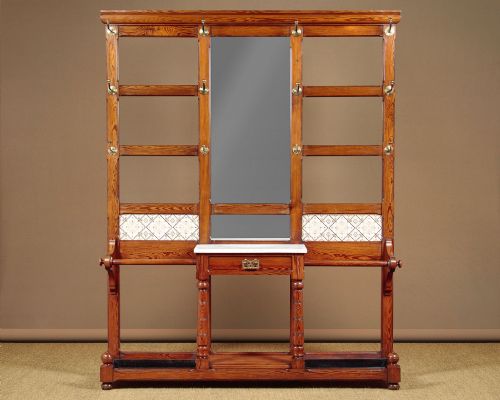
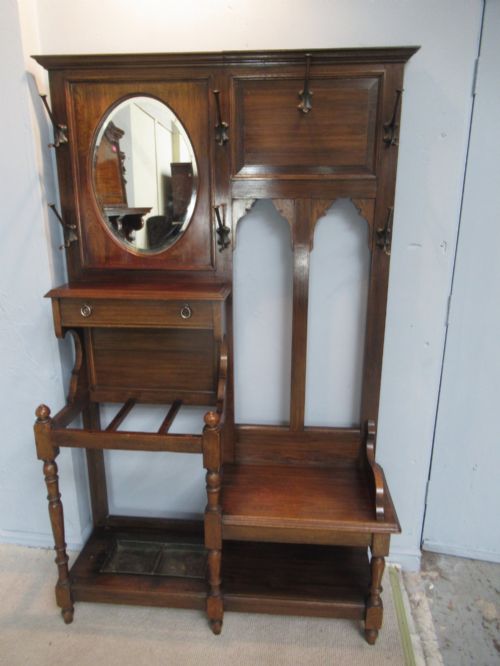
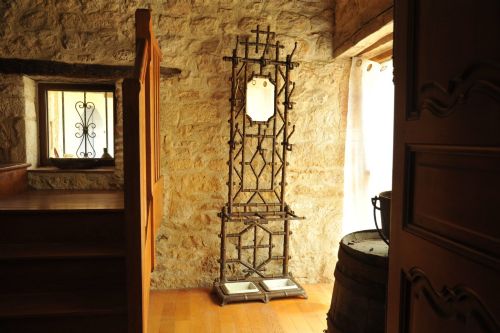
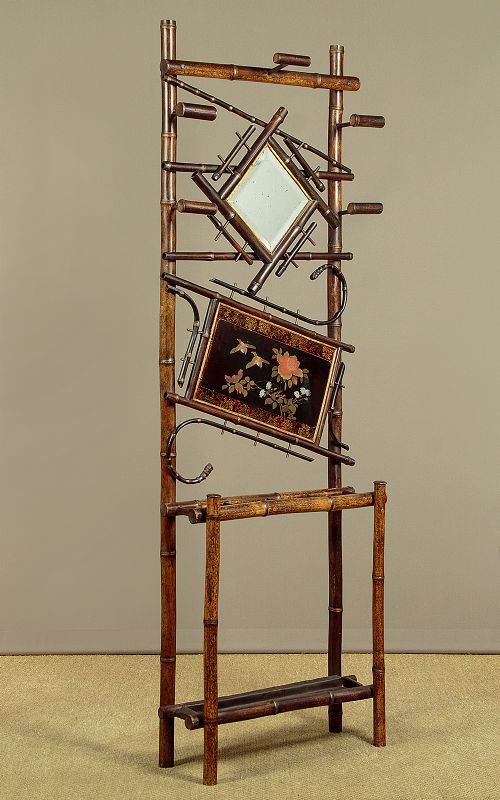
The most common formats on this page are upright hall stands made of oak, mahogany, or bamboo, often incorporating cast iron or marble elements. They range from compact bamboo frames to large architectural oak structures featuring carved details.
Makers designed these pieces to anchor an entrance hall, providing guests a place to deposit coats and umbrellas while checking their appearance. Variants include French faux bamboo designs and pieces executed in the Arts and Crafts or Aesthetic Movement styles.
Materials and construction
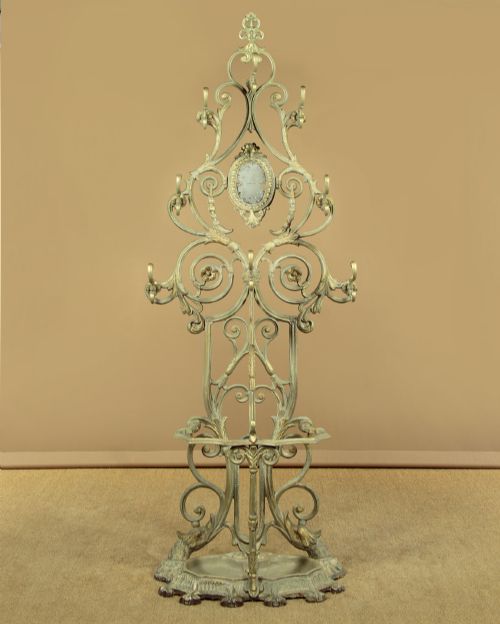
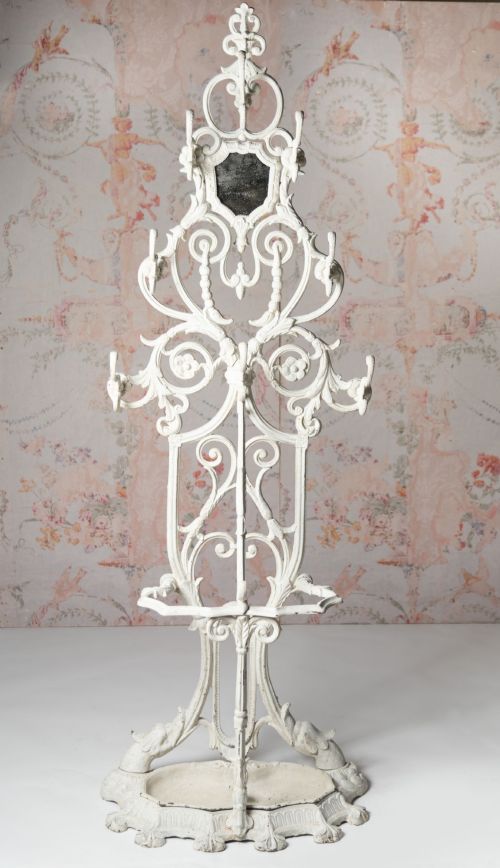
Cabinetmakers utilised solid timbers such as oak, walnut, and mahogany alongside bentwood and bamboo. Metal components like cast iron and brass provided structural strength for coat hooks and umbrella drip trays.
Many examples integrate bevelled mirror plates securely into carved wooden frames or use marble shelves above metal-lined drip pans. Faux bamboo techniques involved shaping wood to mimic natural cane, particularly in French designs.
Design styles span the Aesthetic Movement, Arts and Crafts, Art Nouveau, and Gothic Revival.
Assessing quality and manufacture
Quality rests in the weight of the timber, the depth of hand-carved details like Green Man motifs, and the integration of the mirror plate into the frame. Superior examples use dense hardwoods and heavy cast iron rather than lighter construction.
Hardware selection marks the distinction between standard production and finer workshop output. Robust brass hooks, intact marble inserts, and original metal drip trays indicate higher craftsmanship.
Shoolbred & Co.·Thonet·Fischel·Coalbrookdale
The Umbrella Stand Mirror Glossary
- Hall stand
- A piece of hallway furniture combining coat hooks, a mirror, and umbrella storage. These items served as central entry furniture in period homes.
- Aesthetic Movement
- A late nineteenth century design style emphasising visual beauty over narrative content. Pieces often featured bamboo or Japonisme influences.
- Bentwood
- Wood steamed and bent into curved structural shapes. This technique created lightweight and fluid hall stand frames.
- Faux bamboo
- Wood carved and painted to resemble natural bamboo. French makers utilised this decorative finish frequently.
- Drip tray
- A metal tray placed at the base of umbrella stands to catch rainwater. It protected wooden flooring from moisture.
Umbrella Stand Mirror: Frequently Asked Questions
What is an umbrella stand mirror?
An umbrella stand mirror is a combined hallway furnishing that integrates a looking glass with coat hooks and umbrella storage.
These pieces were essential fixtures in period entrance halls for managing outdoor garments.
How were these stands used?
Households used them to hang hats and coats upon entering the home while placing wet umbrellas into fitted metal trays.
The incorporated mirror allowed people to check their attire before heading out the door.
Where should I place one?
They suit entrance halls, corridors, and large porches where guests remove outerwear.
The vertical design allows them to occupy minimal floor space while offering substantial storage.
How do I date a hall stand?
Dating relies on stylistic clues, such as heavy Victorian carvings versus lighter Arts and Crafts oak frames.
Materials like bamboo and specific manufacturer labels also help establish the production era.