





Umbrella Stand Metal Drip Tray
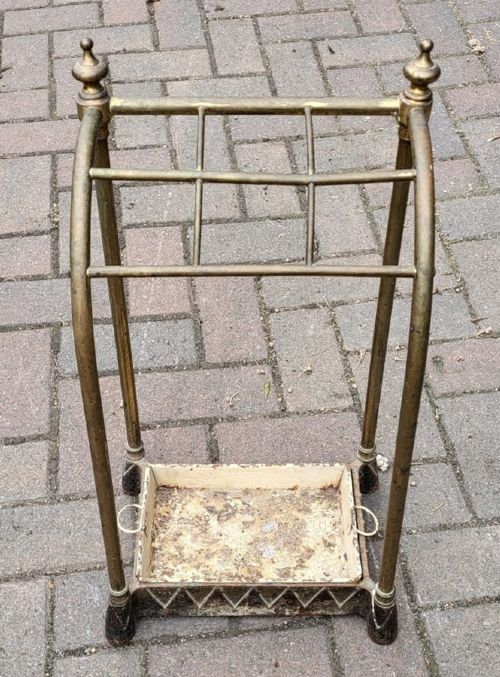
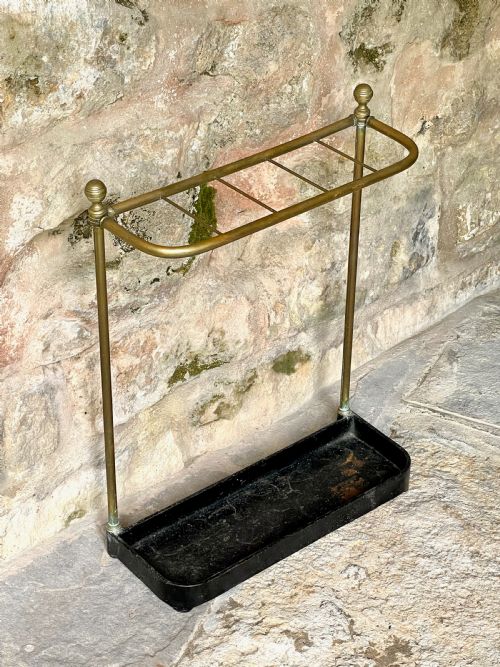
An umbrella stand metal drip tray keeps the hallway floor dry and holds wet walking sticks upright after a walk in the rain.
Umbrella Stand Metal Drip Tray
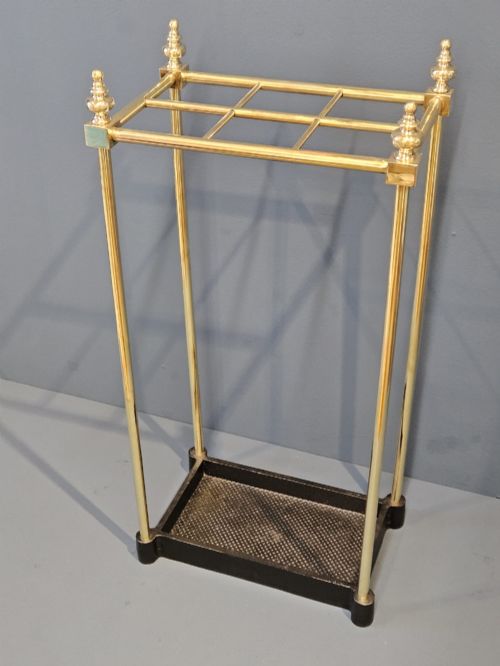
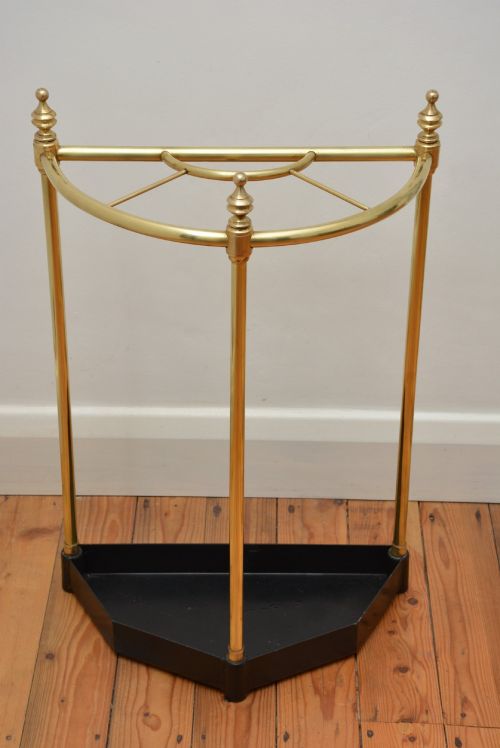
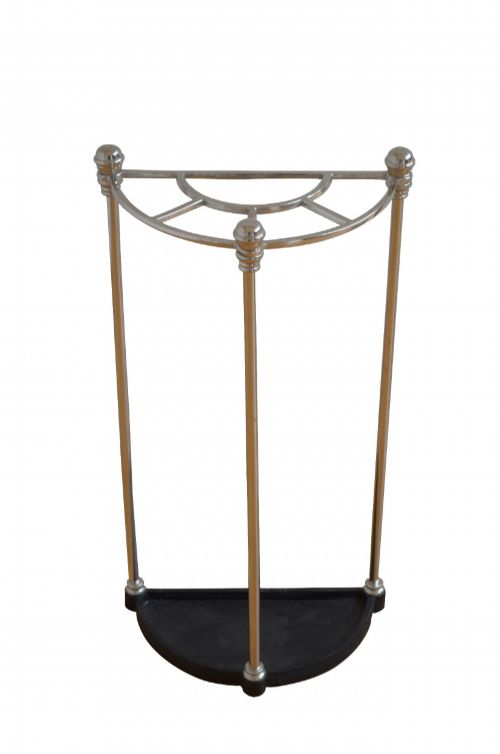
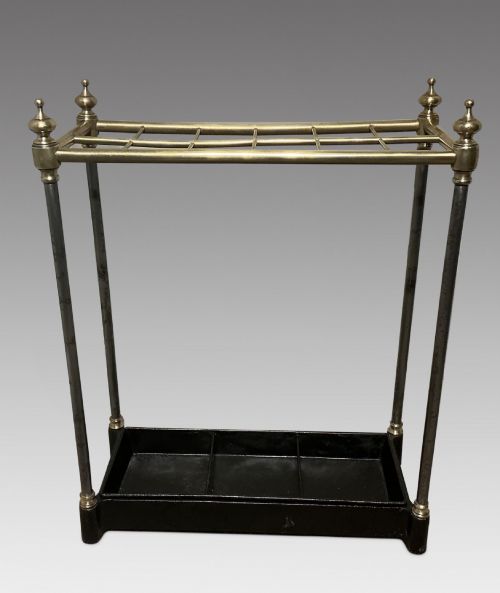
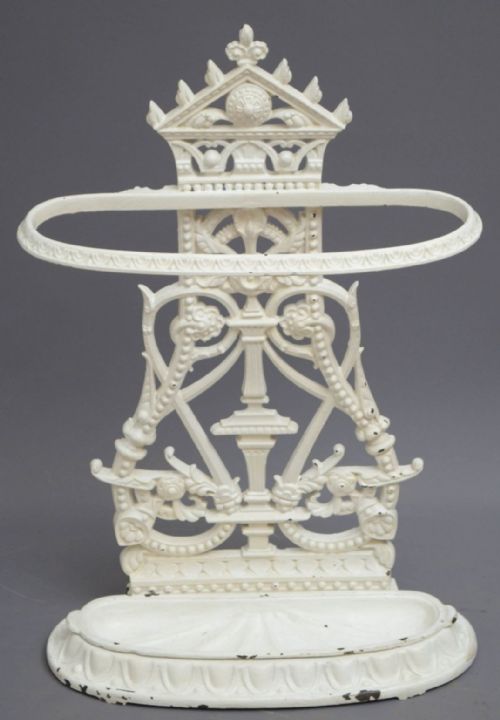
An umbrella stand metal drip tray serves as a practical hallway accessory designed to collect rainwater from damp walking sticks and umbrellas. When searching for an umbrella stand metal drip tray, buyers encounter numerous Victorian and Edwardian examples intended for heavy daily use in entrance halls. These pieces appear frequently in styles ranging from Gothic Revival and Art Nouveau to functional Victorian Country forms.
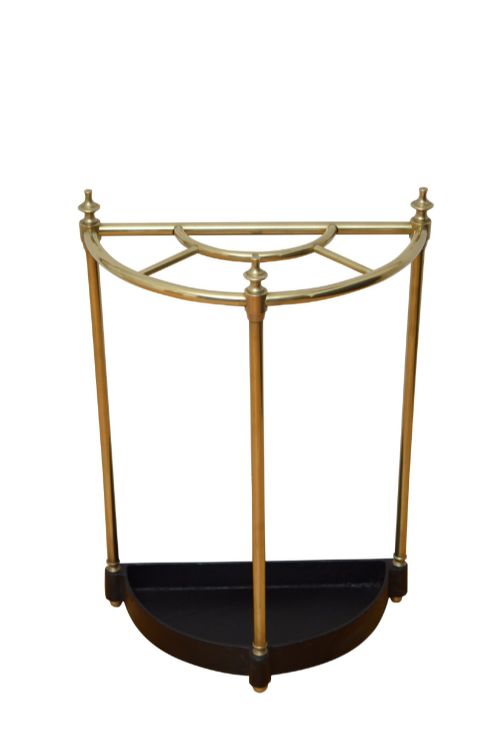
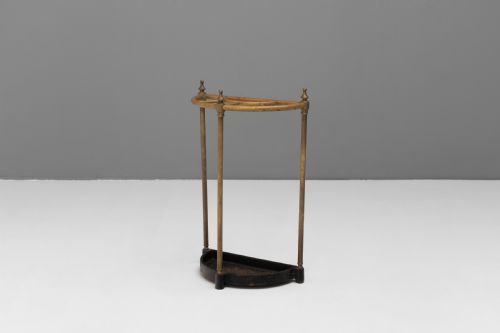
The objects themselves take various shapes, including semi-circular demi-lune designs, oval frames, and larger twenty-four ring configurations. Many combine structured metal frames with removable zinc or steel bases to catch moisture efficiently. The selection spans the nineteenth century through the early twentieth century, reflecting the domestic habits of the period.
Materials and construction
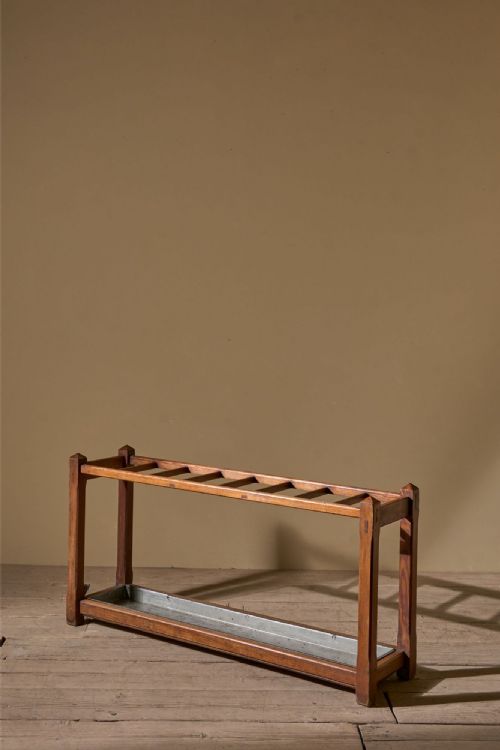
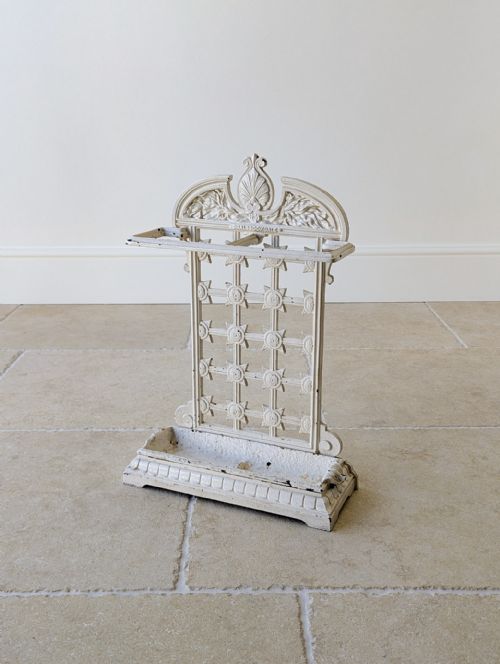
Makers utilised cast iron for heavy structural frames, often shaping the metal into intricate pierced patterns or faux bamboo stalks. Brass components provide polished contrast in many designs, appearing as tubular rails, carrying loops, and corner supports. Oak and pine also feature in hybrid pieces where wooden frames enclose metallic bases.
Zinc and steel form the essential removable trays positioned at the base of these stands to collect water. These metal trays slide out independently for easy emptying and cleaning. The combination of durable cast frames and corrosion-resistant metal linings ensured the longevity of each piece.
Umbrella Stand Metal Drip Tray Retail Price Guide 2026
Typical asking prices for umbrella stand metal drip tray among the pieces listed under this phrase on Sellingantiques today, from the lower quarter to the upper quarter. They describe what is for sale here now, not the wider market.
Listings feature items spanning the 19th Century, Victorian, and Edwardian periods, constructed primarily from cast iron, brass, oak, zinc, and pine.
Evaluating craftsmanship
Quality in these hall stands rests upon the crispness of the cast iron detailing and the integrity of the joints. Finer examples display sharp, well-defined moulding in the metalwork rather than soft or blurred edges. The weight of the casting often indicates the substance of the piece.
The presence of the original metal drip tray significantly elevates a piece, as many replacements lack the proper fit of factory-made components. Structural cleverness, such as integrated umbrella loops and stable demi-lune proportions that hug the hallway wall, also distinguishes superior work.
Coalbrookdale
The Umbrella Stand Metal Drip Tray Glossary
- Demi-lune
- A half-moon shape designed to sit flat against a hallway wall. This configuration saves valuable floor space in narrow entrance passages.
- Cast iron
- Molten iron poured into a mould to create sturdy, highly decorative frames. It provides the heavy weight necessary to support tall wet umbrellas without tipping.
- Drip tray
- A removable metal basin located at the bottom of the stand to catch water. Zinc and steel are common materials used to prevent rust accumulation.
- Faux bamboo
- A decorative turning style carved into wood or cast into metal to imitate natural bamboo stalks. This aesthetic became particularly popular during the Victorian era.
Umbrella Stand Metal Drip Tray: Frequently Asked Questions
Where should an umbrella stand go?
These stands belong in the entrance hall or porch where damp outdoor gear collects upon entering the house.
Their compact demi-lune or corner shapes allow them to fit snugly against walls without obstructing doorways.
How do you clean the drip tray?
The removable metal tray slides out from the base of the stand for direct access.
Wash the zinc or steel surface gently and dry it thoroughly before sliding it back into position.
Are these stands heavy to move?
Cast iron and brass combinations possess considerable weight to remain stable when loaded with heavy walking sticks.
Two people may need to lift larger nineteenth-century examples to protect hallway flooring during repositioning.
What styles are most common?
Victorian and Edwardian designs dominate the selection, featuring robust cast iron or polished brass.
Art Nouveau and Gothic Revival influences appear frequently in the decorative piercing and structural silhouettes.