

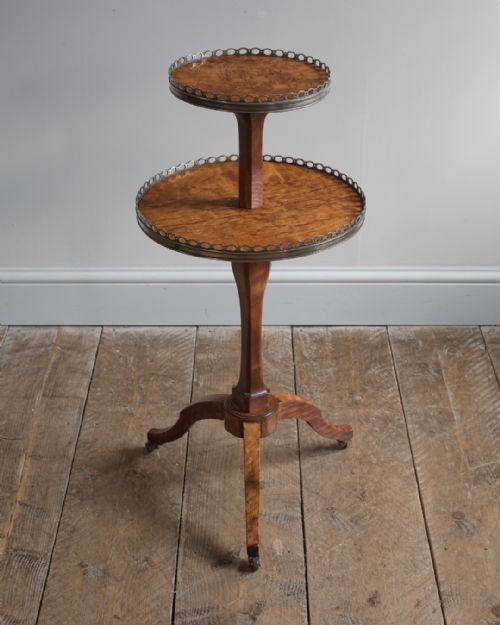
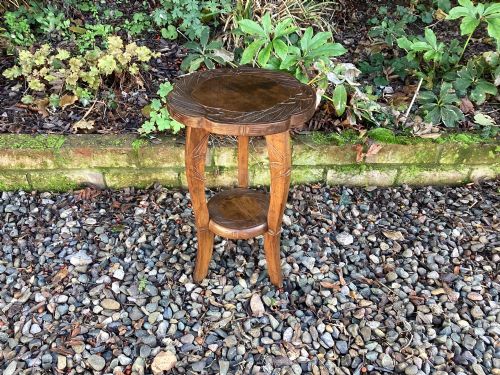
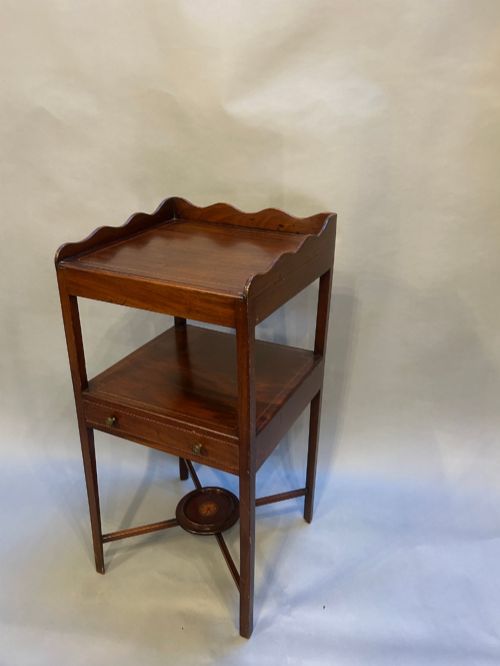
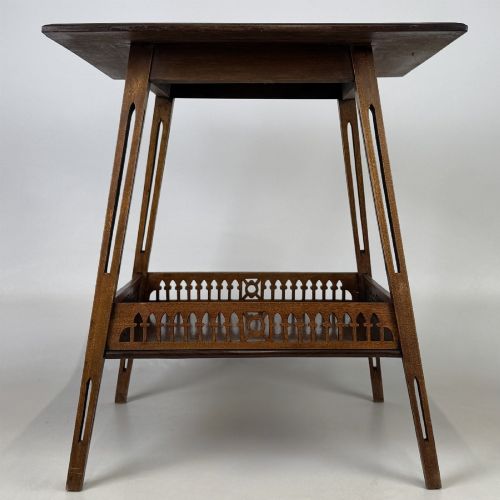
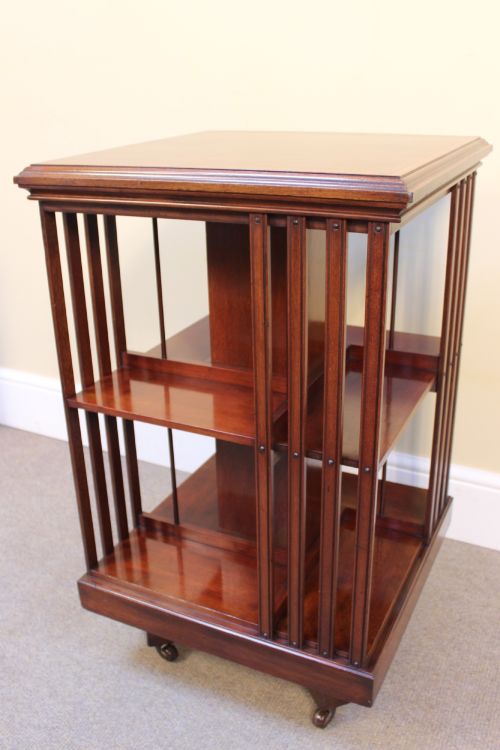
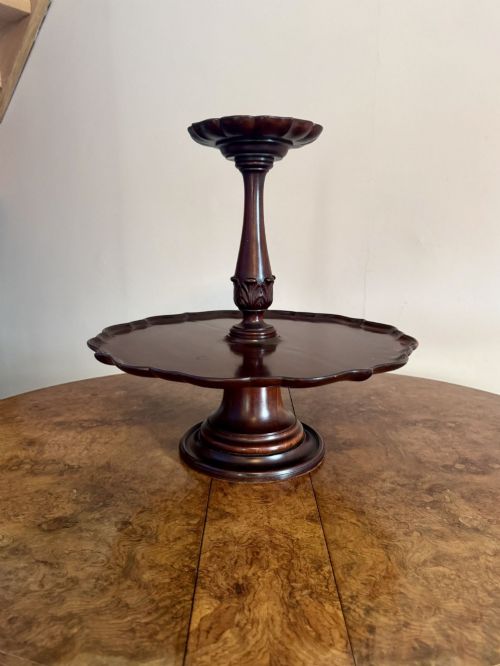
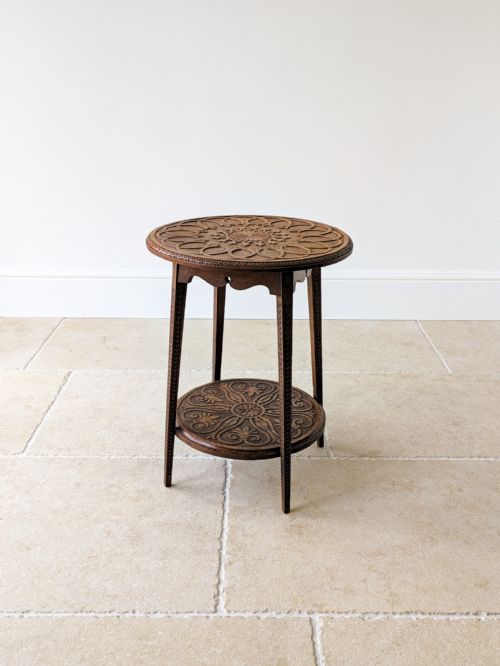
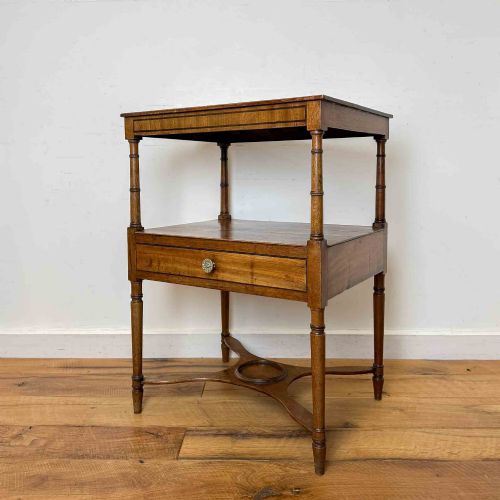

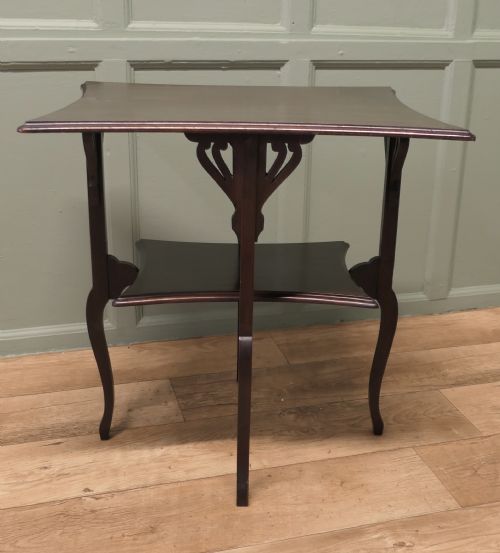
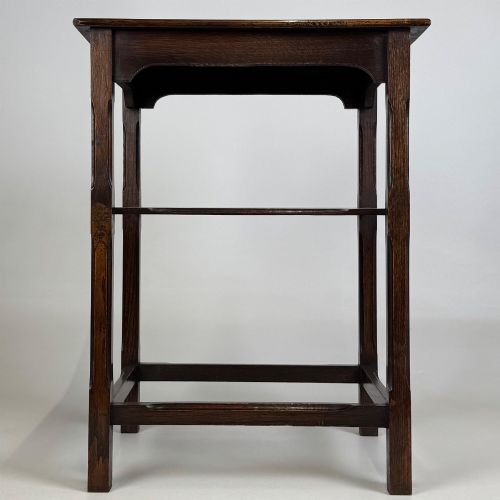

Two Tier Wooden Stand
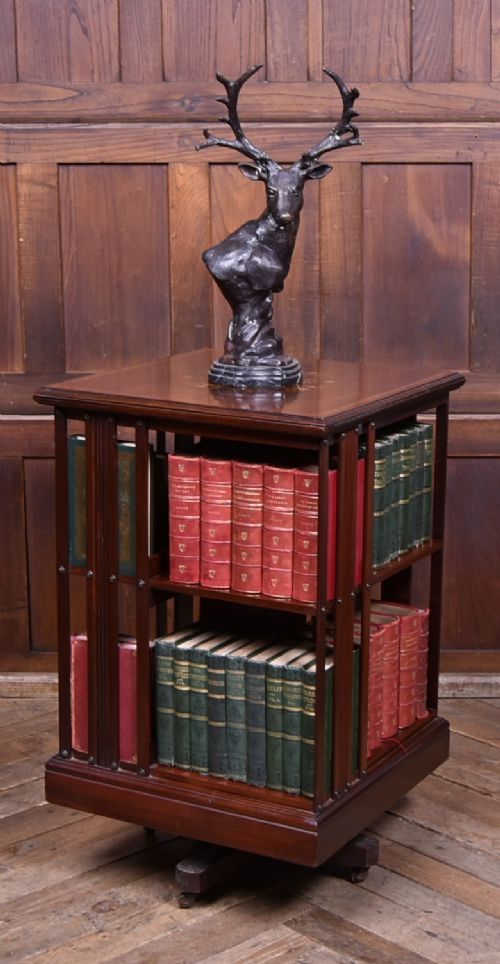
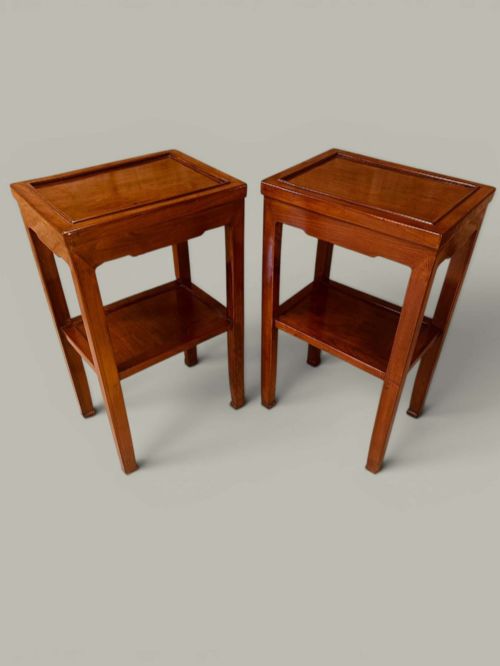
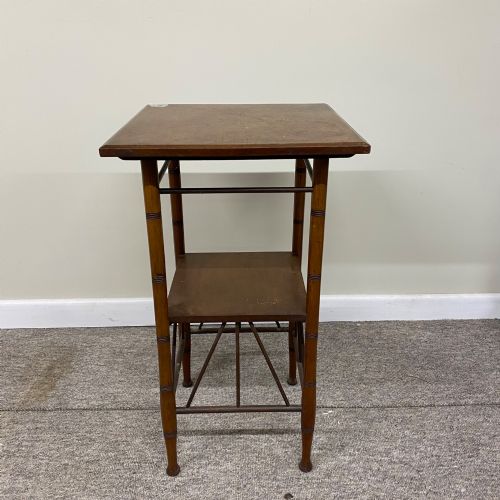
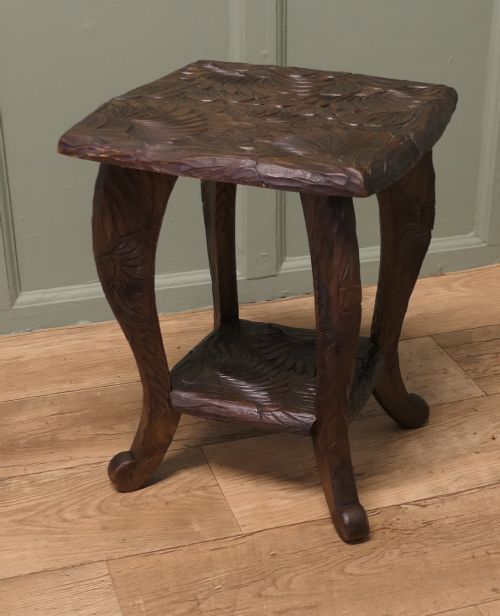
A two tier wooden stand provides practical surface space across two levels, making it a versatile addition to any room.
Two Tier Wooden Stand
A two tier wooden stand typically appears in forms such as occasional tables, plant stands, and lamp tables. These items serve functional roles beside seating or in corners, offering an upper surface alongside a lower shelf.
The selections span several eras, with Edwardian and Victorian pieces appearing frequently alongside later 1930s examples. Oak and mahogany serve as the primary woods found across these varied designs.
Origins range from English workshops to continental and regional makers, displaying influences from Arts and Crafts to Regency styles. Buyers often encounter these tiered pieces configured for specific tasks like holding lamps or displaying plants.
Materials and construction methods
Construction relies heavily on timbers such as mahogany, oak, and walnut, sometimes enhanced by burr walnut veneers or satinwood inlay. These materials provide both structural integrity and decorative grain patterns across the tiers.
Joinery techniques vary by period, utilising traditional framing methods to secure the upper and lower surfaces to upright supports or legs. Details like barley twist turnings or carved elements appear on specific regional and stylistic variants.
Two Tier Wooden Stand Retail Price Guide 2026
Typical asking prices for two tier wooden stand among the pieces listed under this phrase on Sellingantiques today, from the lower quarter to the upper quarter. They describe what is for sale here now, not the wider market.
Listings feature oak and mahogany predominantly, with periods spanning from the eighteenth century through to the 1930s.
Distinguishing quality in tiered stands
Quality rests in the selection of timber figures, such as burr walnut or figured mahogany, and the precision of inlaid details. Superior examples exhibit balanced proportions between the tiers and stable joints that support daily use.
Execution of decorative carving, whether in an Arts and Crafts or a more traditional idiom, separates standard production items from finer workshop pieces. The integration of the lower shelf into the overall frame dictates the structural success of the stand.
LIBERTY of LONDON·WILLIAM BIRCH·W. Turner Lord & Co
The Two Tier Wooden Stand Glossary
- Tiered stand
- A piece of furniture featuring multiple levels for display or storage. This configuration maximises surface area within a compact footprint.
- Occasional table
- A small movable table intended for specific, intermittent use in a room. These frequently incorporate a secondary lower shelf.
- Inlay
- A technique of inserting contrasting materials into wood to form decorative patterns. Satinwood is commonly utilised for this purpose on mahogany frames.
- Barley twist
- A type of turning shaped like a spiral rope, often seen on legs and supports of Victorian pieces. This decorative feature adds vertical movement to the design.
- Plant stand
- A tall piece designed to hold potted plants, sometimes built with multiple tiers. They appear frequently in Edwardian formats.
Two Tier Wooden Stand: Frequently Asked Questions
Where should I place a two tier wooden stand?
These stands fit well beside armchairs or sofas as lamp tables where the lower tier holds books or small objects.
They also function effectively in corners or empty hallways for displaying plants and decorative items.
How do I identify an Edwardian two tier wooden stand?
Edwardian examples often feature light mahogany or inlaid satinwood details reflecting the tastes of the early twentieth century.
Their construction tends to be lighter than heavy Victorian equivalents, with tapered legs or simple open frameworks.
What materials are common in these stands?
Solid oak and mahogany form the basis of most pieces, supplemented by walnut and occasional exotic woods.
Inlay and brass fittings appear on selected items to accent the primary timber.
Are these stands suitable for daily use?
Sturdy joints and solid timber construction allow these stands to support lamps, books, and plants safely in active rooms.
Checking the stability of the lower shelf ensures it handles weight without sagging over time.