
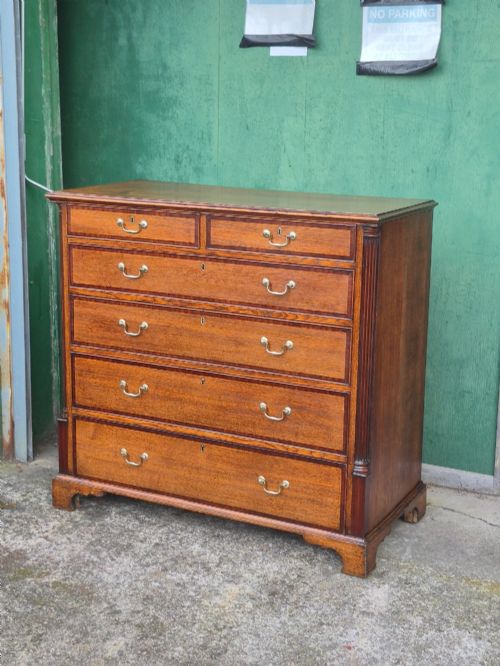
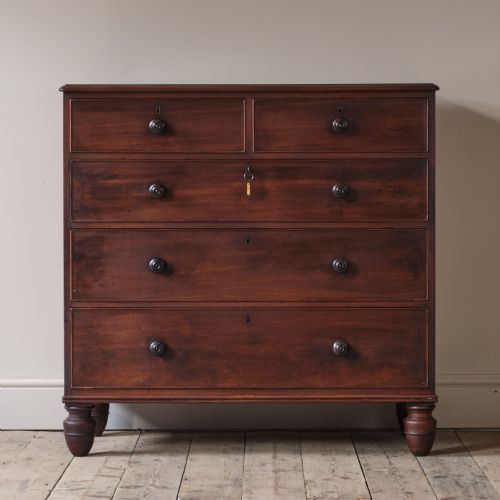
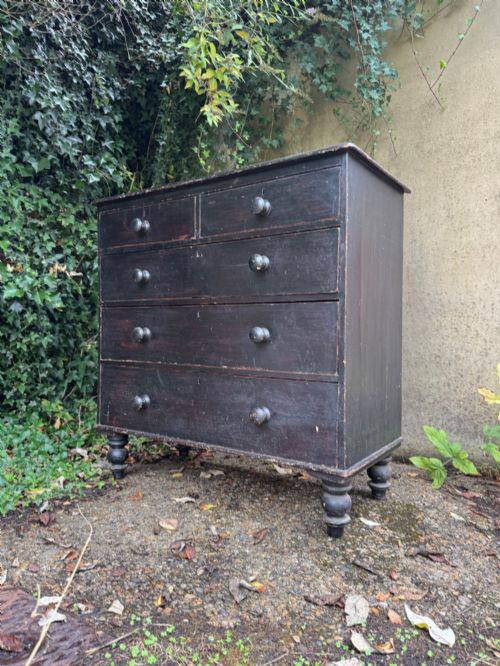
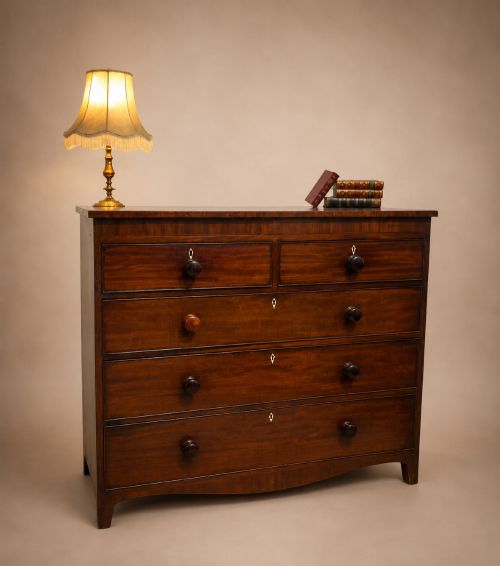
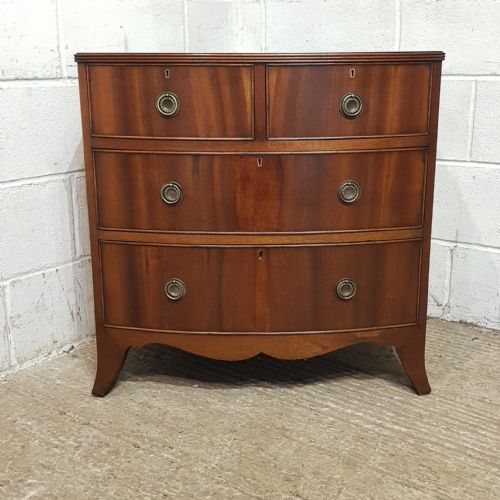
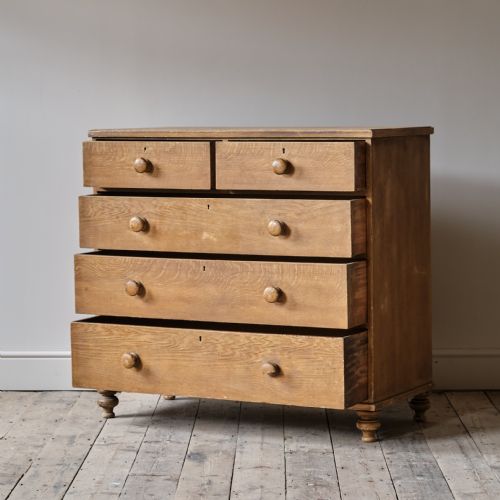
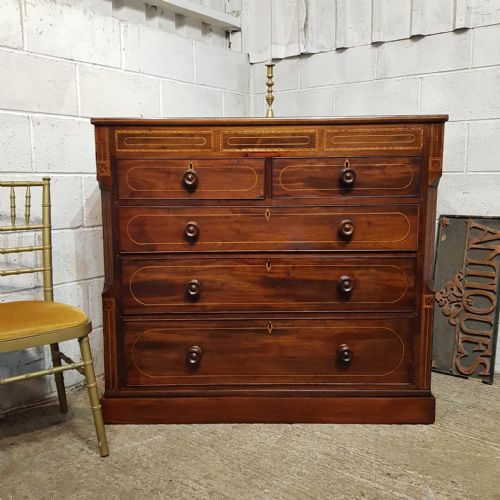


Two Short Drawers Chest
A two short drawers chest offers compact utility and classic proportions, combining sensible storage with the warmth of period timber.
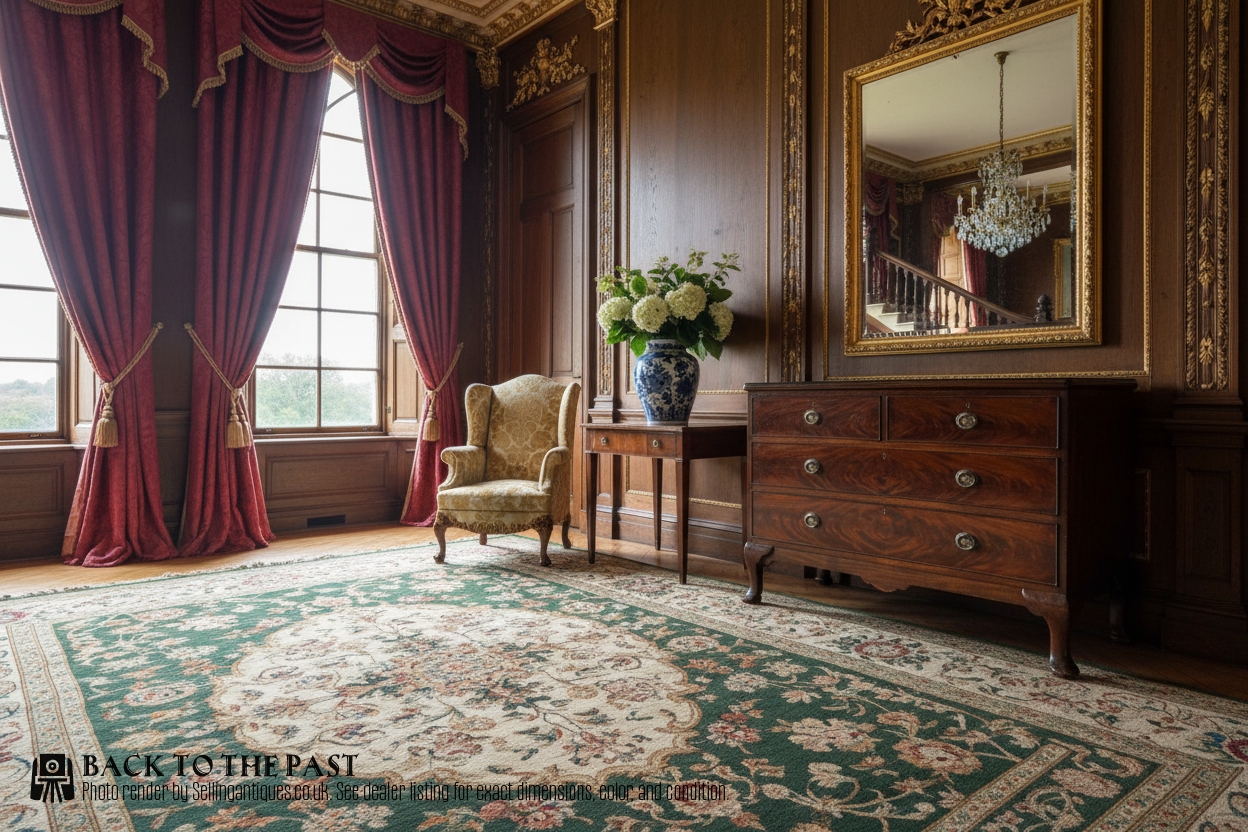
Two Short Drawers Chest
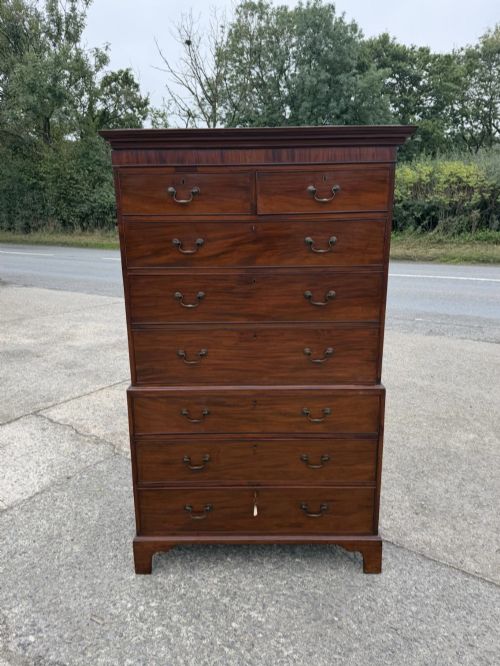
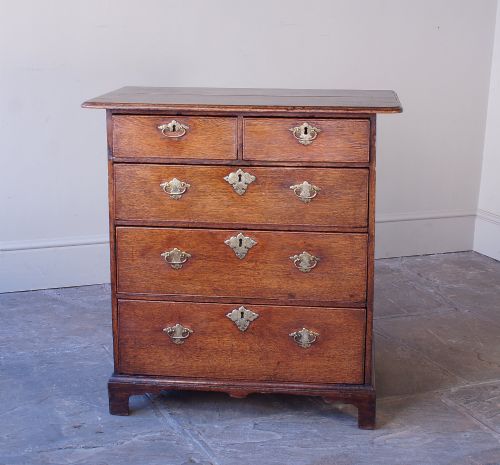
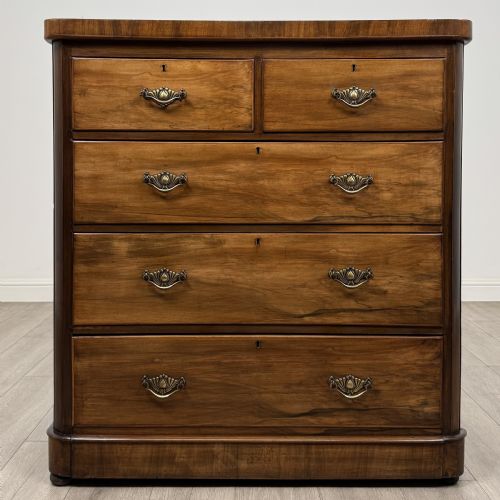
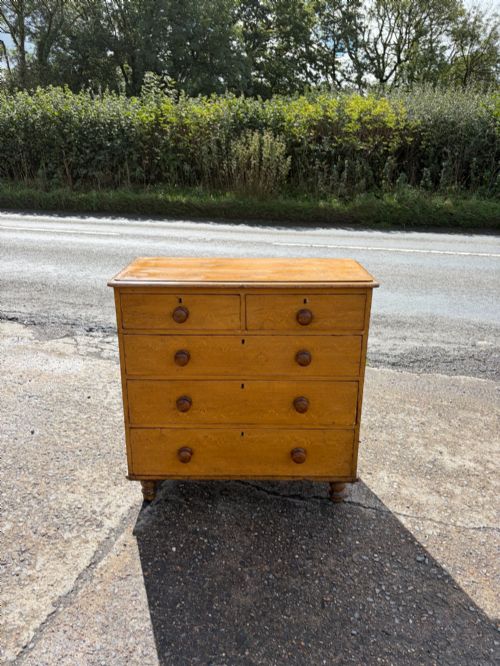
A two short drawers chest organises everyday belongings across compact upper tiers matched with deeper lower storage. These pieces appear across Georgian, Regency and Victorian periods, alongside earlier William and Mary and Queen Anne examples.
The layout typically pairs a pair of shallow top drawers above three longer graduated drawers, creating a balanced facade. Solid mahogany, oak, walnut and painted pine feature heavily across the selection.
Makers ranging from T & G Seddon to Whytock & Reid contributed to this enduring form. Buyers encounter flat front and bow front formats suited to bedrooms or hallways.
Materials and construction
Cabinetmakers utilised dense hardwoods like mahogany and walnut alongside native oak and pine for carcasses. Selected veneers such as flame mahogany or oyster walnut provided decorative grain patterns on drawer fronts.
Joinery relied on hand-cut dovetails for drawer construction and sturdy tongue and groove boarding for backs and interiors. Brass handles, drop pulls and turned wooden knobs completed the hardware.
Surface finishes varied from original paint and wax polish to polished French polish. Cross-banding in laburnum or other contrasting timbers added detail to earlier walnut pieces.
Early cabinetmakers occasionally hid secret compartments behind small top drawers for valuables.
Judging quality and character
Proportion and scale dictate the visual success of each chest, particularly in smaller examples intended for tighter spaces. Timber selection matters greatly, with well-figured flame mahogany or consistent oyster veneers elevating a piece above plain boards.
Originality of handles, locks and feet preserves the historical integrity of the cabinet. Crisp dovetail joints and smooth drawer running actions demonstrate the skill of the original workshop.
T & G Seddon·Whytock & Reid
The Two Short Drawers Chest Glossary
- Bow front
- A convex curved cabinet front that projects outward in the centre. This shape gained popularity during the Georgian and Regency periods.
- Graduated drawers
- A series of drawers that increase in depth from top to bottom. This arrangement creates a balanced aesthetic on tall chests.
- Oyster veneer
- Slices cut transversely from small branches or roots to produce circular or oval patterns. Craftsmen utilised this technique extensively during the William and Mary period.
- Bracket feet
- Simple feet shaped like an L-bracket supporting the corners of a case piece. Variations include splayed and ogee profiles.
- Cross-banding
- A narrow strip of veneer applied to the border of a drawer front with the grain running perpendicular. This method frames the primary wood.
Two Short Drawers Chest: Frequently Asked Questions
How do I date a chest?
Examine the timber species, drawer construction details and foot style to establish an approximate period. Hand-cut dovetails and secondary woods like pine or oak often point to Georgian or Victorian origins.
Hardware fixings and backboards provide further clues regarding age. Comparing the construction methods against known regional styles helps narrow down the decade of manufacture.
Are these chests suitable for modern bedrooms?
The compact footprint of a two short drawers chest makes it practical for contemporary living spaces. The surface provides a convenient ledge for lamps or decorative items while lower drawers accommodate clothing.
Their shallow depth allows them to fit easily into smaller rooms or hallways where bulkier furniture would overwhelm the space. They integrate naturally with both traditional and modern interiors.
How should I care for antique timber?
Maintain a stable room temperature away from direct heat sources and strong sunlight to prevent wood from drying and splitting. Regular application of quality beeswax preserves the finish and nourishes the grain.
Avoid silicone-based sprays which can degrade historic polished surfaces over time. Clean surfaces gently with a soft, dry cloth to remove dust.