

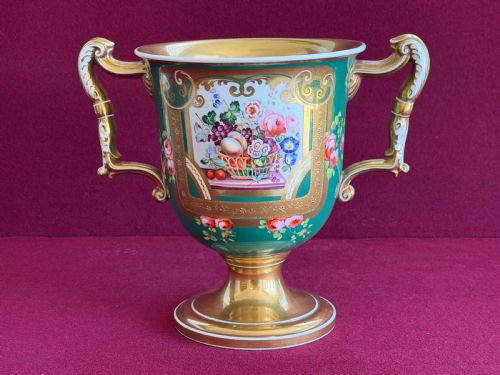


Two Handled Ceramic Vessel
These two handled ceramic vessel selections span centuries of potting tradition, offering robust domestic forms and refined display pieces for the discerning collector.
Two Handled Ceramic Vessel
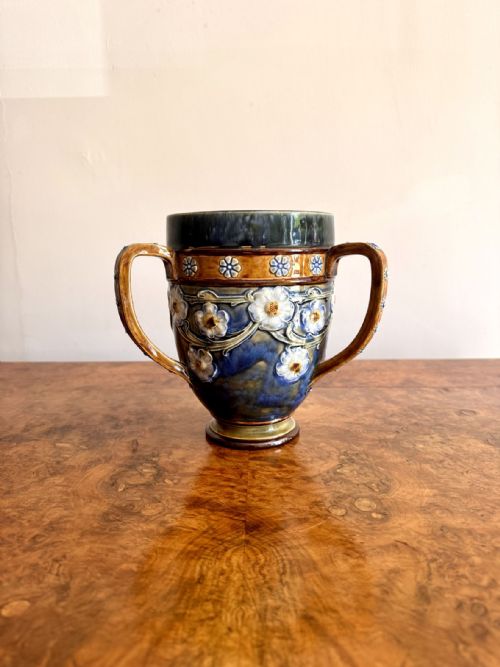
When searching for a two handled ceramic vessel, buyers encounter an eclectic mix of functional utilitarian containers and ornamental display items spanning several distinct eras. The selection comprises loving cups, vases, urns, sugar bowls, and oil jars, each featuring a pair of symmetrical handles.
The objects originate from diverse cultural traditions including British factories, European potteries, Japanese kilns, and Mediterranean workshops. Pieces range from modest nineteenth century earthenware novelties to refined Regency and Georgian porcelain creations designed for the drawing room.
Domestic commemorative wares sit alongside exotic imports, demonstrating how potters across different centuries utilised dual handle configurations for both drinking vessels and decorative display containers. Buyers are most likely to meet nineteenth century loving cups and decorative vases on this page.
What varies in quality
The calibre of a piece depends heavily on the fineness of the ceramic body and the precision of the potter's initial forming process. Superior examples demonstrate exceptional balance in the dual handles and expert control during high temperature kiln firings.
Artistic execution on the surface sets the finest works apart, distinguished by delicate hand painting, skilled polychrome enamelling, and well applied gilding. Workshop pedigree also influences standing, with established factories achieving greater refinement in detail than provincial kilns.
Two Handled Ceramic Vessel Retail Price Guide 2026
Typical asking prices for two handled ceramic vessel among the pieces listed under this phrase on Sellingantiques today, from the lower quarter to the upper quarter. They describe what is for sale here now, not the wider market.
Listings feature items from the eighteenth century through to the Art Deco era, encompassing porcelain, earthenware, terracotta, and enamel materials.
Bloor Derby·Royal Doulton·H and R Daniel·Derby Porcelain·Cantagalli·Royal Worcester
The Two Handled Ceramic Vessel Glossary
- Loving cup
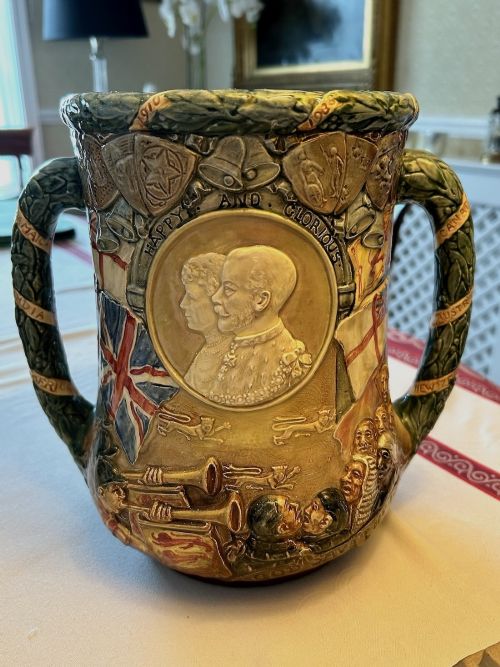
- A large drinking vessel with two or more handles, traditionally passed around among guests at banquets and celebrations. These pieces often commemorate royal jubilees, coronations, or personal milestones.
- Pearlware
- A fine earthenware developed in the late eighteenth century by Josiah Wedgwood, characterised by a subtle bluish glaze that pooled in recesses. It served as a popular canvas for hand painted and printed decoration.
- Faience
- Tin glazed earthenware produced in various European regions, known for its opaque white surface which accepted painted enamel colours readily. Cantagalli pieces represent notable examples of this technique.
- Polychrome
- Decoration employing multiple distinct colours applied to the surface of a ceramic vessel. This method brought vibrant life to botanical motifs, figures, and heraldic designs.
- Blush ivory
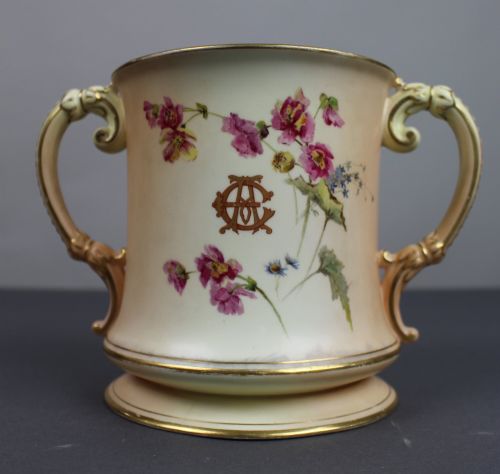
- A matte cream coloured ground glaze developed by Royal Worcester in the late nineteenth century, providing a soft background for delicate floral hand painting and gilding.
Two Handled Ceramic Vessel: Frequently Asked Questions
What is a loving cup used for?
Loving cups served as communal drinking vessels passed between participants during celebratory toasts, weddings, and banquets. Their multiple handles allowed each person to hold the cup securely while sharing the drink.
Over time, these vessels transitioned from functional drinking cups to commemorative display objects marking coronations and jubilees. Collectors today prize them for their rich social history and varied decorative motifs.
How do I care for antique ceramics?
Antique ceramics require gentle handling away from direct sunlight and areas subject to sudden temperature fluctuations. Dusting with a soft, dry cloth preserves the fragile hand painted surfaces and gilding.
Water should not be placed inside antique vessels with porous bodies or historic interior repairs. Displaying them on stable surfaces protects their handles from accidental knocks.
How do I identify a Regency period vessel?
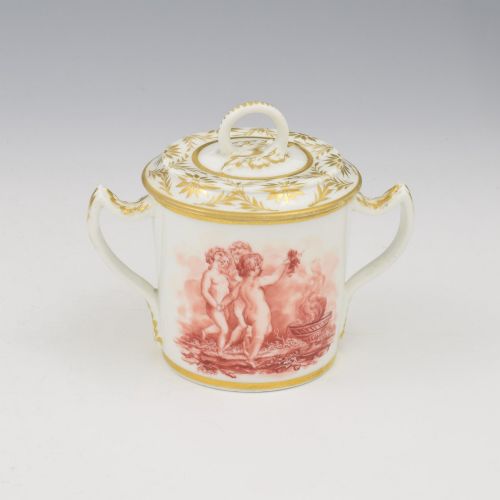
Regency period ceramics frequently display neoclassical influences, featuring refined porcelain bodies, sepia figure painting, and meticulous gilding. Forms often emulate ancient Greek and Roman shapes like urns and handled cups.
Makers from this era, such as Bloor Derby and H and R Daniel, focused on classical elegance and superior finishing. Examining the potting style and glaze characteristics helps distinguish these pieces from later Victorian wares.