

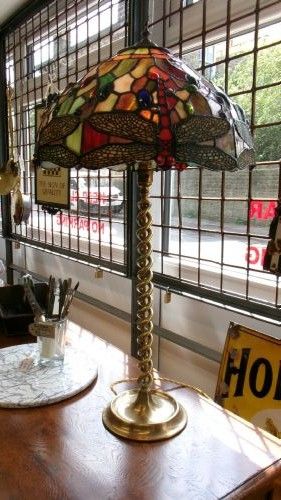
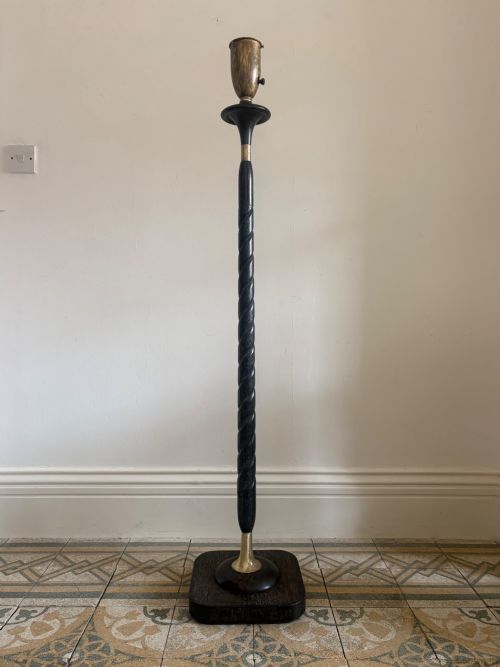


Twisted Brass Lamp
A twisted brass lamp brings warmth and tactile form to a room, offering the unmistakable glow of period metalwork.
Twisted Brass Lamp
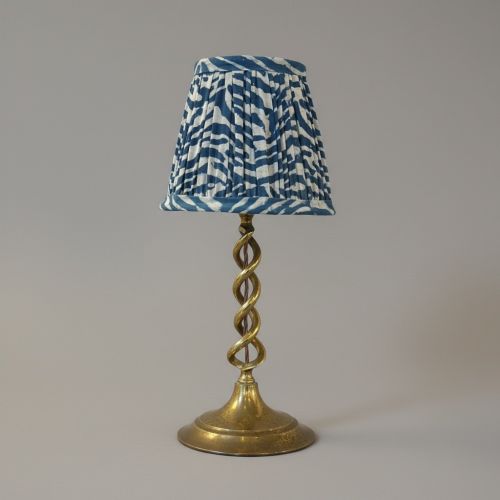
A twisted brass lamp captures light through distinctive spiral metal stems, ranging from compact table designs to soaring floor standards. When you search for a twisted brass lamp, you encounter lighting fixtures shaped across the Victorian, Edwardian, and 1920s periods.
Originating from British workshops and French chateau styles, these pieces span domestic table use to grand floor illumination. The forms draw on historical idioms such as Gothic Revival, Neoclassical, and Arts and Crafts design.
How they were made
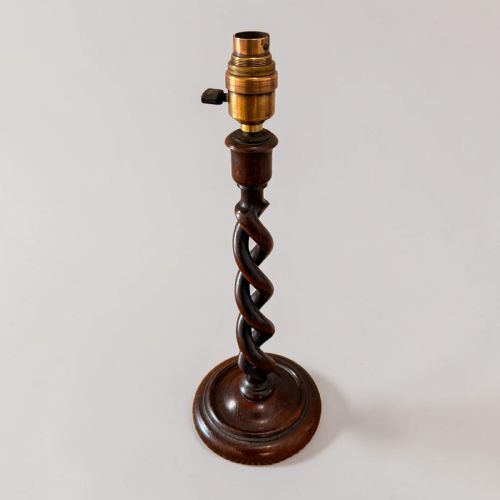
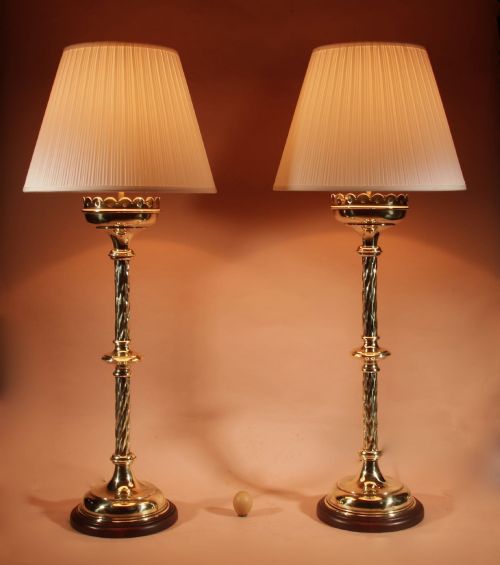
Makers shaped these lights primarily from brass, cast brass, and bronze, sometimes mounting them upon ebonised wood or marble bases. Metal twisting techniques produced single spirals, double helices, and open twist columns.
Compositions incorporate glass, stained glass, lead, and opaline components for shades and reservoirs. Many surviving standards began life as oil-burning lamps before receiving modern electrical conversions.
Twisted Brass Lamp Retail Price Guide 2026
Typical asking prices for twisted brass lamp among the pieces listed under this phrase on Sellingantiques today, from the lower quarter to the upper quarter. They describe what is for sale here now, not the wider market.
Listings span the nineteenth century through the 1930s, featuring Arts and Crafts, Gothic Revival, and Neoclassical styles.
What varies in quality
Distinctions in quality rest upon the crispness of the metal twist and the weight of the underlying cast brass or bronze. Superior examples display sharply defined flutes or deep spiral channels rather than soft or smoothed transitions.
The choice of secondary materials, such as heavy marble bases, genuine opaline glass, or leaded stained glass shades, elevates the character of a piece. Engineering details like telescopic height adjustment mechanisms also distinguish advanced construction.
The Twisted Brass Lamp Glossary
- Barley twist
- A spiral column resembling the shape of barley sugar, popular in furniture and lamp standards. This turning technique creates continuous diagonal ridges that catch ambient light.
- Opaline
- A type of semi-translucent glass with a milky appearance, often used for shades. It diffuses illumination softly across a room.
- Standard lamp
- A tall floor-standing lighting fixture designed to illuminate a wide area. These pieces often feature weighted bases for stability.
- Altar candlestick
- A tall ecclesiastical candle holder adapted into a lamp base. These items originate from church furnishings and typically feature heavy brass casting.
- Double helix
- A decorative form featuring two intertwined spiral stems running parallel. This construction adds visual complexity to the central column.
Twisted Brass Lamp: Frequently Asked Questions
Are these lamps converted from oil lamps?
Many examples from the nineteenth and early twentieth centuries originally burned oil before being adapted for electricity.
Evidence shows standard lamps, oil lamps, and table lamps spanning the Victorian and Edwardian eras, when conversion was common practice.
How do I identify an Edwardian piece?
Edwardian lamps often feature lighter proportions and refined classical details compared to heavier Victorian designs.
Styles from this period incorporate double helix columns, opaline shades, and polished brass work.
Where do French twisted brass lamps differ?
French pieces frequently display distinct regional styling such as ebonised wooden elements or chateau-inspired casting.
Parisian standards and 1920s French floor lamps demonstrate varied approaches to the spiral metal form.
What shades originally accompanied these lamps?
Original configurations included tinted glass, stained glass, leaded panels, and fabric shades.
Many listings pair the brass stands with opaline glass or Tiffany style shades.