





Twentieth Century Lighting
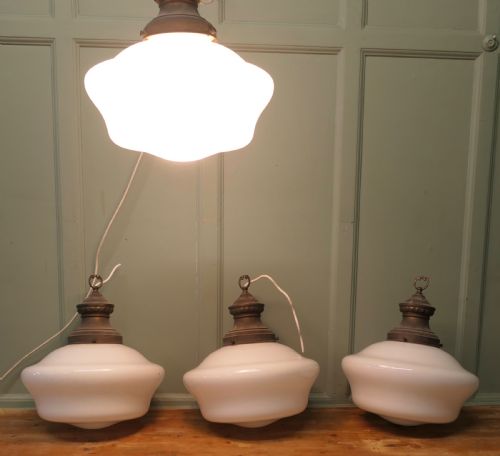
Twentieth century lighting brings together brass chandeliers, oak fittings and industrial pendants that define the period's domestic and workspace interiors.
Twentieth Century Lighting
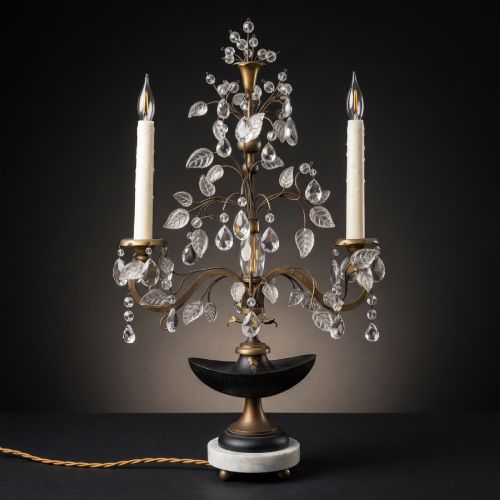
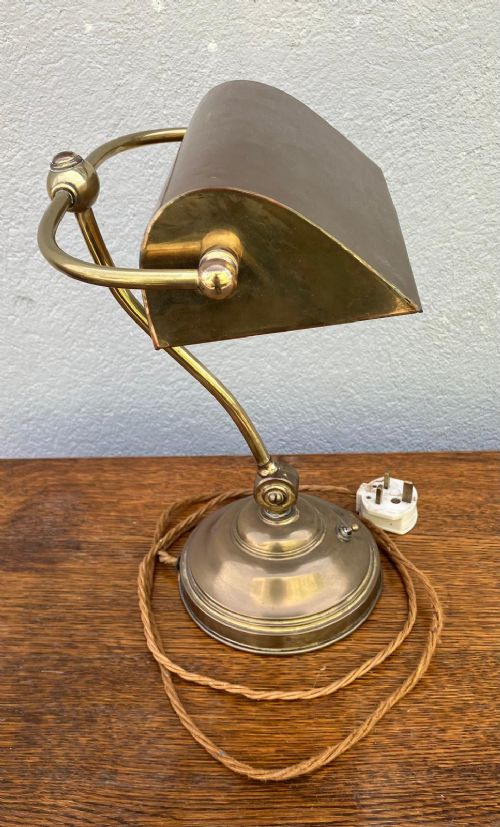
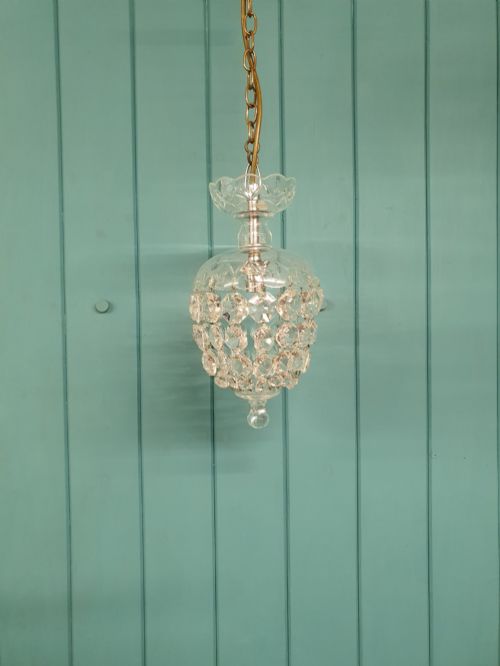
Twentieth century lighting spans diverse functional forms, including chandeliers, desk lamps, factory pendants, wall lights and pricket candlesticks. These fixtures emerge from styles ranging from Edwardian and Arts and Crafts to Art Deco, Industrial, and Neoclassical Revival.
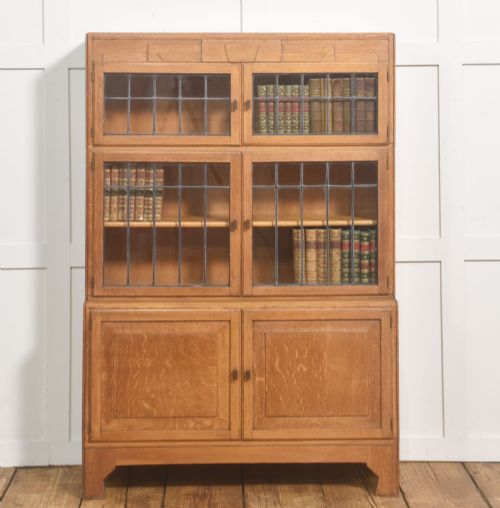
Buyers encounter solid brass chandeliers, oak and leaded glass structures, and iron or enamel fittings originating across the early decades of the century. The selection prioritises metalwork and functional illumination alongside occasional architectural lighting components.
Early periods manifest in Edwardian and 1900 to 1930 iterations, capturing both refined domestic reception pieces and robust workshop utilities. These objects reflect the changing technological and aesthetic demands of their respective decades without adhering to a single design dogma.
Materials and Construction
Brass, iron and oak form the primary structural foundations for these lighting pieces, shaped through casting, turning and joinery techniques. Metal components often feature polished or patinated surfaces alongside enamelled finishes on industrial pendant shades.
Glass and crystal elements integrate with metal frames in chandeliers and desk fittings, utilising leaded or blown techniques to diffuse illumination. Fabric and paper components occasionally accompany table and desk configurations to soften light output.
Twentieth Century Lighting Retail Price Guide 2026
Typical asking prices for twentieth century lighting among the pieces listed under this phrase on Sellingantiques today, from the lower quarter to the upper quarter. They describe what is for sale here now, not the wider market.
Minerva and her stags occasionally watch over your paperwork from solid early twentieth century brass.
Assessing Quality
Quality differentiates through the substantive weight of cast brass or iron and the precision of assembly in multi-arm chandeliers and mechanical desk lamps. Superior execution appears in clean metal casting and balanced proportions across complex forms.
Material integrity distinguishes finer examples, where genuine period woods like oak and heavy-gauge metals endure without compromised structural joins. The distinction lies in the fidelity of the stylistic execution, whether adhering to industrial utility or decorative revivalism.
Heal s·Auguste Robert Kauffman
The Twentieth Century Lighting Glossary
- Chandelier
- A branched ceiling light designed to hold multiple lamps or candles. These fixtures often feature structural arms arranged symmetrically around a central column.
- Pricket Candlestick
- A candle holder featuring an upward-facing metal spike to secure the wax candle. These items appear in heavy brass or iron constructions.
- Industrial Pendant
- A hanging workshop or factory light typically sheltered by an enamelled metal shade. Such fittings direct downward illumination for task-oriented spaces.
- Neoclassical Revival
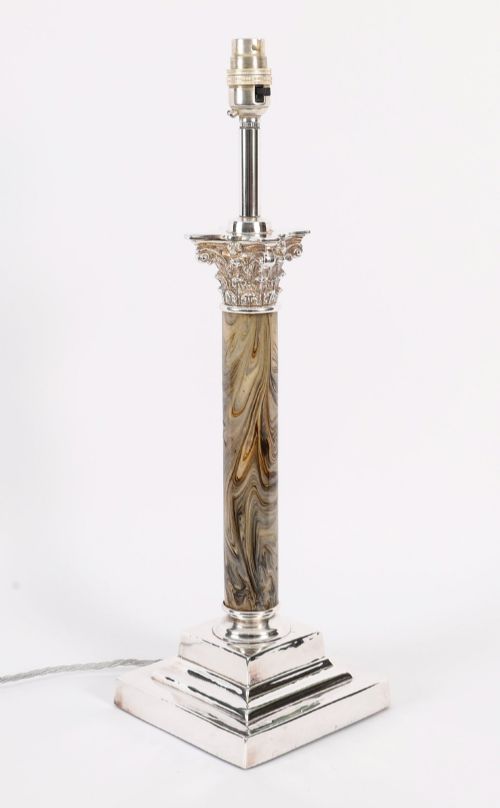
- A design style drawing inspiration from classical Greek and Roman architecture. This aesthetic manifests in columns and formal ornamentation on metal light fittings.
- Arts and Crafts
- A design movement prioritising traditional craftsmanship and visible construction methods. Pieces from this tradition utilise honest materials like oak and brass.
Twentieth Century Lighting: Frequently Asked Questions
What styles define twentieth century lighting?
The category encompasses Industrial, Art Deco, Arts and Crafts, Edwardian, and Neoclassical Revival styles. Each style utilises specific materials and forms characteristic of its decade.
Industrial pieces lean towards enamel and iron, while Edwardian and revival pieces favour polished brass and classical motifs.
Where were these lights used originally?
These fixtures served factories, grand reception rooms, domestic desks, and public interiors. Different forms met specific illumination needs.
Factory pendants hung over workspaces, whereas multi-armed brass chandeliers illuminated domestic living spaces and halls.
How do I identify an industrial pendant?
Industrial pendants typically feature robust metal shades with green or dark enamel finishes. They were built for utilitarian durability in workshops and factories.
Their design prioritises direct task lighting over decorative ornamentation.
What metals are most common?
Brass and iron dominate the metallic construction of these lighting fixtures. Solid brass appears frequently in chandeliers and desk lamps.
Iron is often utilised alongside brass in heavy pricket candlesticks and industrial ceiling lights.