




Twentieth Century Art Print
A twentieth century art print brings graphic and painterly energy to a wall, offering authentic period character through lithographs, etchings, and illustrated plates.
Twentieth Century Art Print
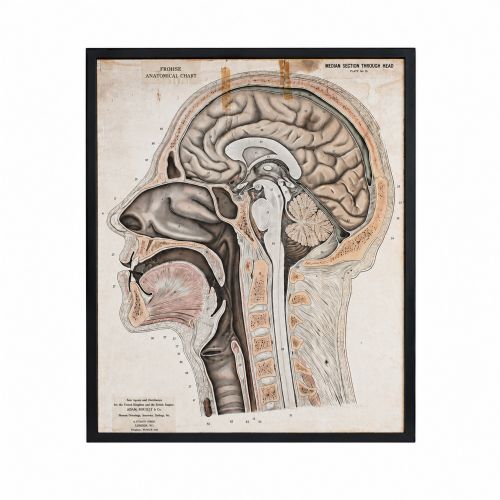
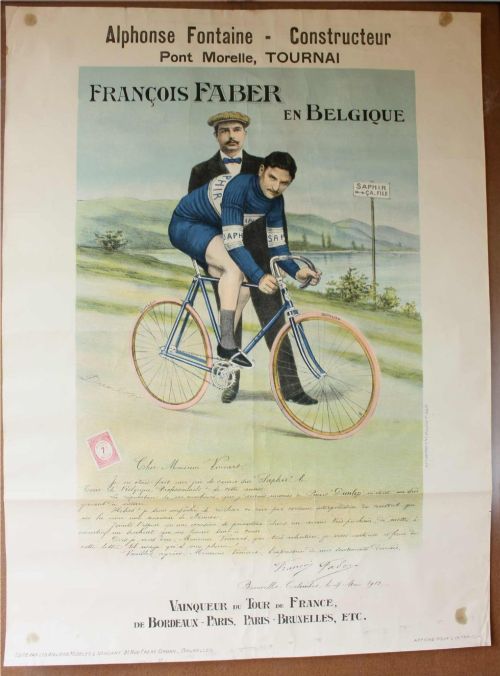
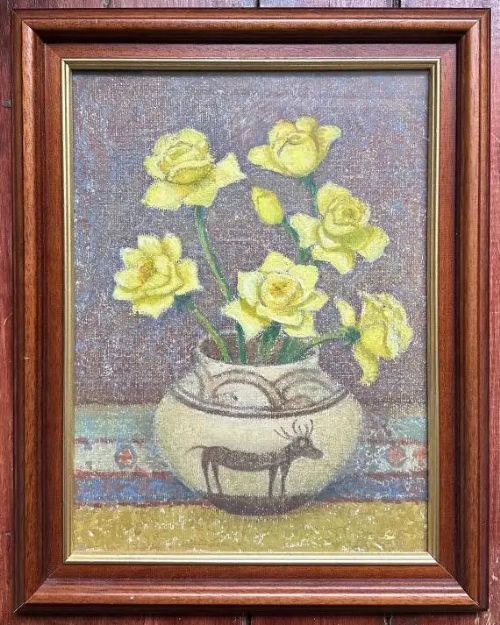
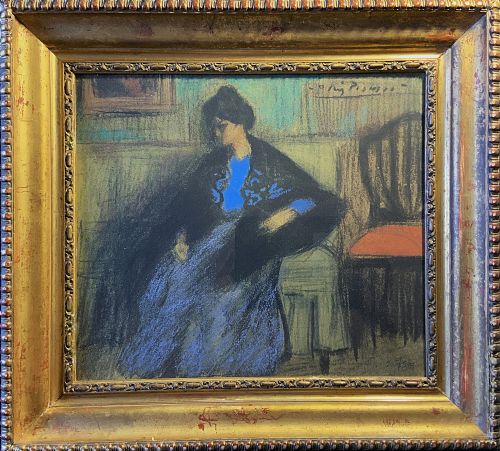
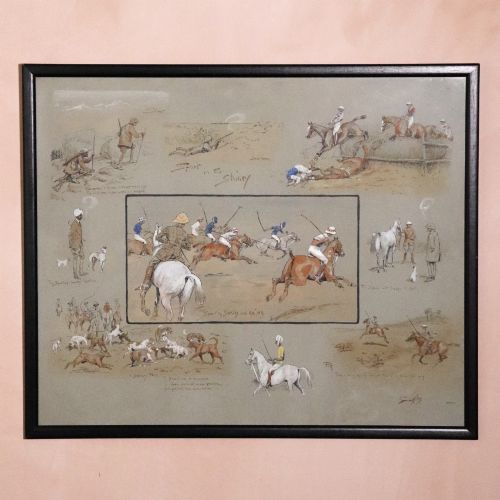
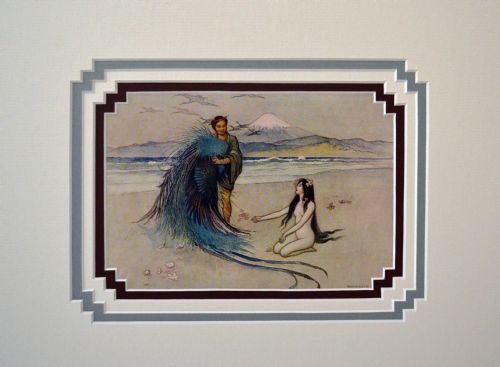
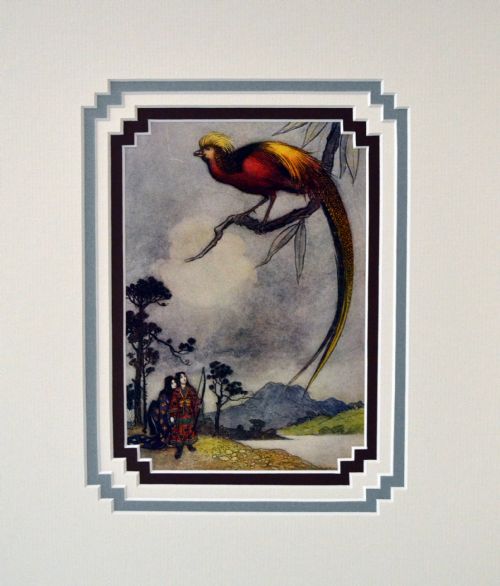
When you search for a twentieth century art print, you encounter a diverse selection of works spanning the Edwardian era through to the 1960s. These pieces range from vintage advertising posters and Japanese fairy tale illustrations to limited edition lithographs and fine art prints.
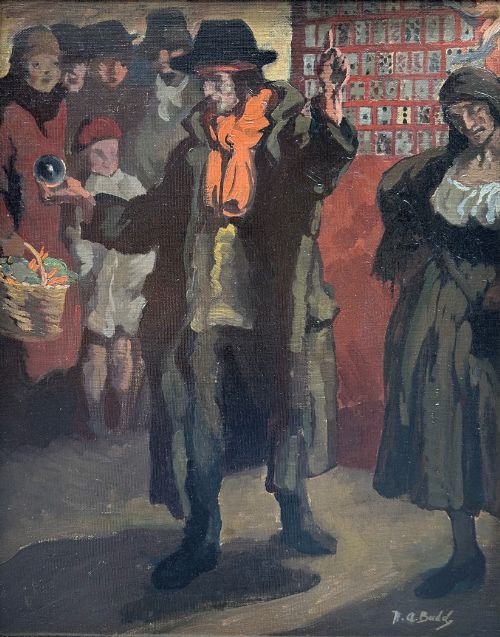
The selection on this page demonstrates various artistic approaches, including early twentieth century illustration, modernism, and British realism. Works appear in formats such as framed prints, posters, and book illustrations produced on paper.
Originating across decades marked by significant stylistic shifts, these items capture both commercial graphic design and individual artistic expression. The material output reflects the prevalent printing and publishing technologies of each specific decade.
Materials and production techniques
The primary substrate across these pieces is paper, frequently utilised for lithography, etching with aquatint, pochoir, and chromolithography. Ink serves as the main medium for transferring graphic lines and text in posters and book illustrations.
Many works incorporate watercolour, pastel, or oil paints either as preparatory layers or as hand-finished details applied to the printed surface. Wood and giltwood often provide the structural framing materials that house and protect the paper works.
Twentieth Century Art Print Retail Price Guide 2026
Typical asking prices for twentieth century art print among the pieces listed under this phrase on Sellingantiques today, from the lower quarter to the upper quarter. They describe what is for sale here now, not the wider market.
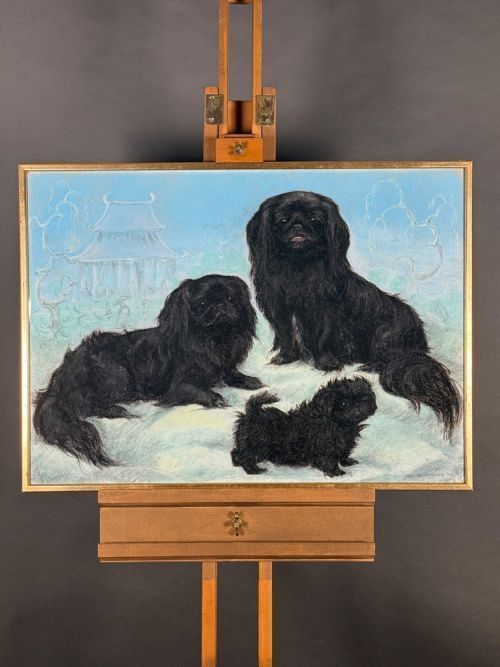
Pekingese dogs make repeated appearances across the decades, immortalised in both pastel drawings and oil paintings.
Distinctions in craftsmanship and condition
Quality in a twentieth century art print depends largely on the fidelity of the impression, the sharpness of the ink application, and the preservation of the paper substrate. Stronger examples exhibit crisp details in lithographic or etched lines without fading or blurring.
The integration of hand-applied elements, such as pochoir colouration or watercolour highlights, elevates specific editions. Preservation state, including the absence of severe toning or foxing on the paper, differentiates standard commercial prints from superior collector examples.
The Twentieth Century Art Print Glossary
- Lithograph
- A print made by drawing on limestone or a metal plate with a greasy medium so that ink adheres only to the drawn areas. This technique dominated commercial poster production and fine art multiple creation.
- Etching
- A printmaking process where acid bites into metal lines previously scratched through a protective ground. It produces fine, highly detailed tonal marks on paper.
- Aquatint
- A variant of etching that creates tonal areas resembling watercolour washes by using powdered resin melted onto the plate. Artists often combined this with standard etching for subtle shading.
- Chromolithography
- A planographic colour printing method using multiple limestone blocks or plates, one for each colour applied. It allowed for vibrant, multi-coloured reproduction before modern offset printing.
- Pochoir
- A stencil-based technique used for applying brilliant, flat hand-applied colours to a print. It was widely utilised in French graphic arts during the early decades of the century.
Twentieth Century Art Print: Frequently Asked Questions
How should I frame an old paper print?
Protect the paper by using acid-free mounts and backing boards to prevent yellowing over time. Ensure the glazing is kept off the surface of the print to avoid moisture accumulation.
Keep the framed piece away from direct sunlight to preserve the fugitive inks and watercolours often found in works from this era.
What is the difference between an original print and a reproduction?
An original print is produced from a plate, stone, or block created or overseen by the artist themselves as part of a designated edition. The artist participates directly in the printmaking process.
Mechanical reproductions simply copy an existing finished painting using modern commercial photographic methods without the artist's involvement in the printing matrix.
How do I identify the printing technique used?
Examine the surface under a magnifying glass to check for the dot patterns typical of modern offset printing versus the solid ink films of lithography. Plate marks indented into the paper around the image usually indicate an intaglio process like etching.
How do I care for works on paper?
Maintain stable indoor humidity levels and moderate temperatures to prevent the paper fibres from drying out or growing mould. Avoid hanging pieces in damp environments such as unventilated kitchens or bathrooms.
Limit exposure to intense artificial light sources and direct UV rays to stop pigments from fading permanently.