
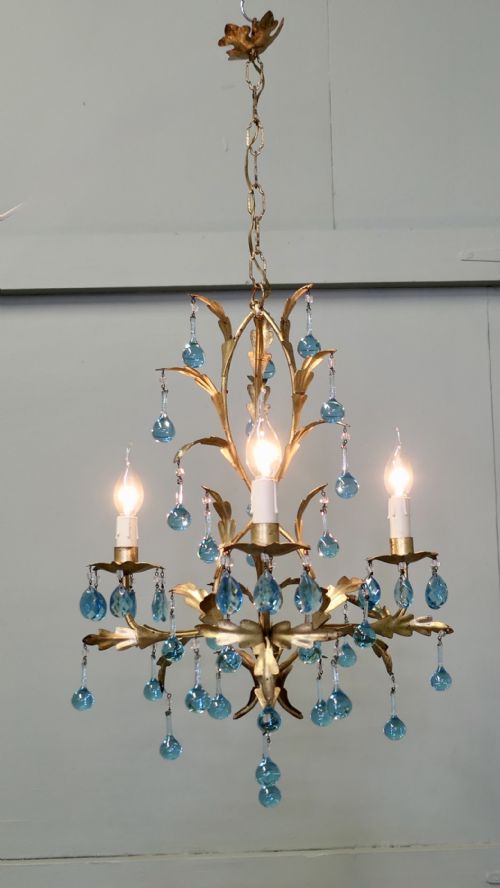


Turquoise Drop Pendant
These turquoise drop pendant pieces combine vibrant blue stones with gold or silver work, offering a touch of period colour.
Turquoise Drop Pendant
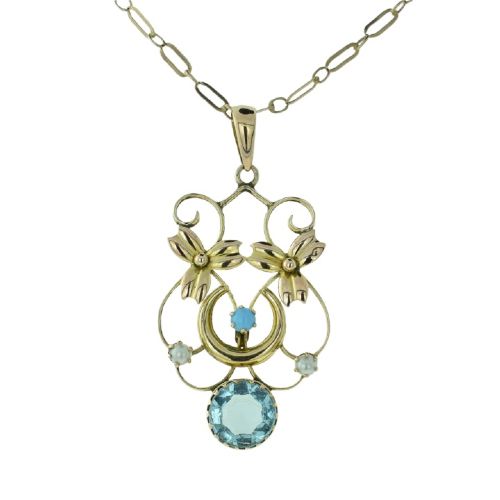
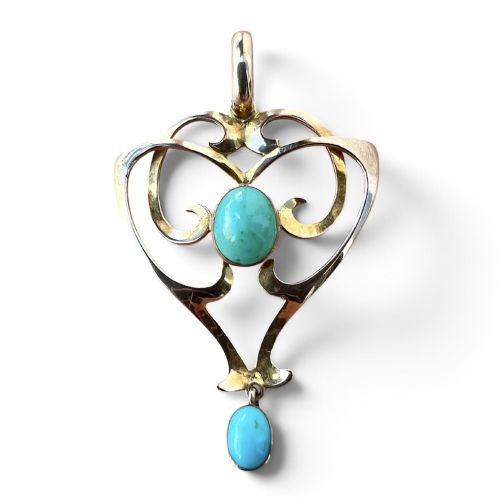
A turquoise drop pendant brings together vibrant blue stones and precious metals in designs spanning the Victorian, Edwardian, and Art Nouveau eras. When you search for a turquoise drop pendant, you encounter pieces that range from delicate gold necklaces to substantial Arts and Crafts silver work.
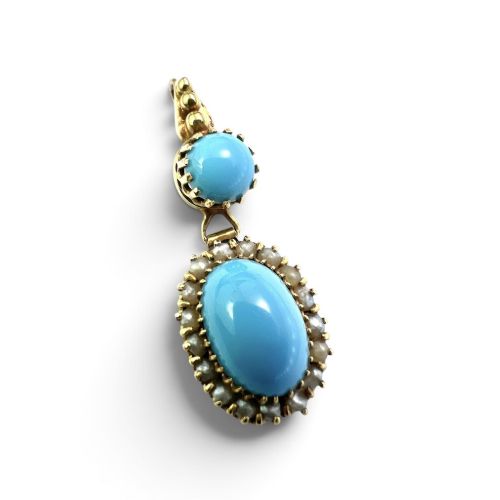
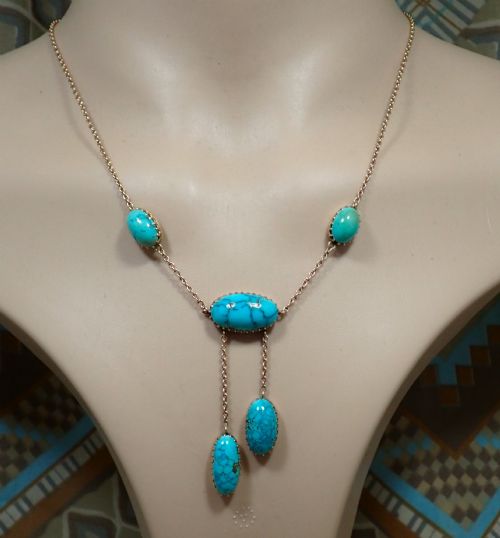
Forms vary from single stone drops to complex parure sets and convertible brooch pendants. Buyers frequently find Edwardian and Victorian iterations featuring matrix turquoise or smooth cabochons suspended from fine chains.
Assessing quality and craftsmanship
Quality rests upon the execution of the metalwork and the integration of the secondary stones. Superior examples demonstrate precise filigree, secure stone settings, and balanced compositions that avoid crowding the central turquoise drop.
The character of the turquoise itself dictates much of the visual appeal, ranging from uniform robin's egg blue to intricate dark matrix patterns. Maker attribution and the complexity of the surrounding gold or silver framework further distinguish standard production from exceptional artistry.
Periods represented span from the nineteenth century through to the 1930s.
Deakin & Francis·Murrle Bennett·Dorrie Nossiter·Liberty & Co
The Turquoise Drop Pendant Glossary
- Cabochon
- A gemstone shaped and polished with a smooth convex surface rather than faceted. This cut highlights the natural colour and matrix patterns of the turquoise.
- Matrix turquoise
- Turquoise that still contains portions of the host rock, creating web-like patterns through the stone. This material gained popularity during the Arts and Crafts movement.
- Negligee necklace
- A necklace style featuring asymmetric drop pendants suspended at different lengths. This form is frequently associated with Edwardian jewellery.
- Parure
- A matching set of jewellery designed to be worn together, such as a necklace accompanied by earrings and a ring. These suites share consistent materials and stylistic motifs.
- Filigree
- Ornamental work consisting of fine wire twisted into delicate patterns. Metalsmiths applied this technique extensively in Art Nouveau and silver jewellery.
Turquoise Drop Pendant: Frequently Asked Questions
What periods do these pendants come from?
The listings encompass nineteenth century, Victorian, Edwardian, and Art Nouveau periods, alongside later twentieth century examples.
Craftsmanship reflects the shifting design priorities of these distinct eras, from ornate Victorian halo arrangements to linear Arts and Crafts silver work.
How do I care for turquoise jewellery?
Turquoise is a relatively soft stone that benefits from gentle cleaning with a soft cloth rather than chemical immersion. Avoiding exposure to oils, perfumes, and cosmetics preserves the colour and finish of the material over time.
Store pendants individually in lined boxes to prevent scratching from harder gemstones or adjacent metal chains.
What is matrix turquoise?
Matrix turquoise refers to stones that retain remnants of the surrounding host rock within the gem. This creates distinctive dark veining and web patterns across the surface.
Jewellery designers in the Arts and Crafts movement particularly favoured this natural aesthetic for its earthy character.
Are pearls commonly paired with turquoise?
Pearls frequently accompany turquoise in Victorian and Edwardian cluster designs and pendant drops. The soft white lustre of the pearl provides a strong visual contrast to the vivid blue hue of the turquoise.
These combinations appear across brooches, necklaces, and convertible parure sets.