



Turned Wooden Counters
Turned wooden counters are solid functional objects turned on a lathe, bringing tactile warmth and straightforward utility to a room.
Turned Wooden Counters
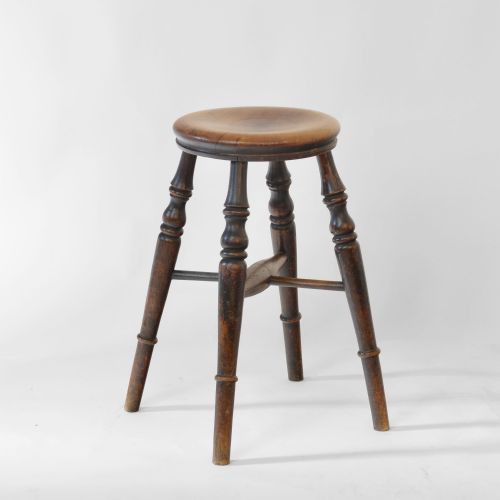
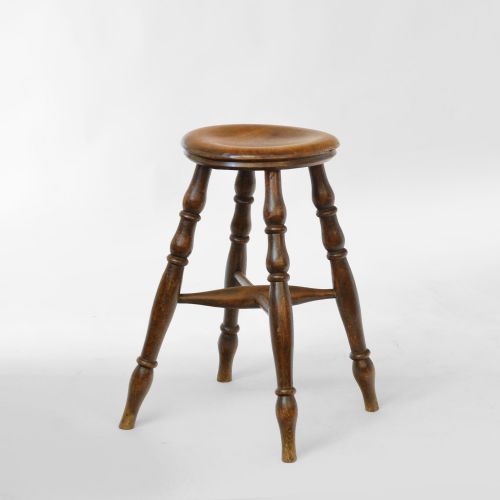
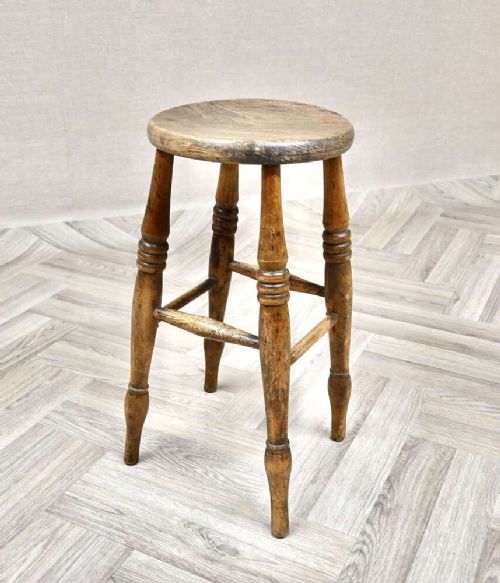
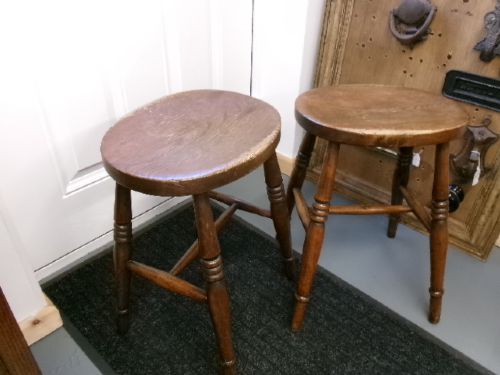
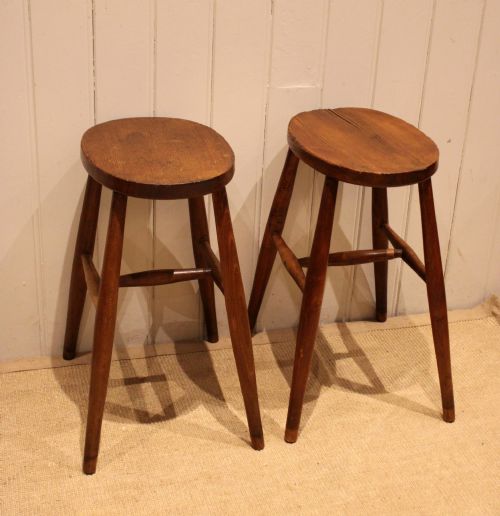
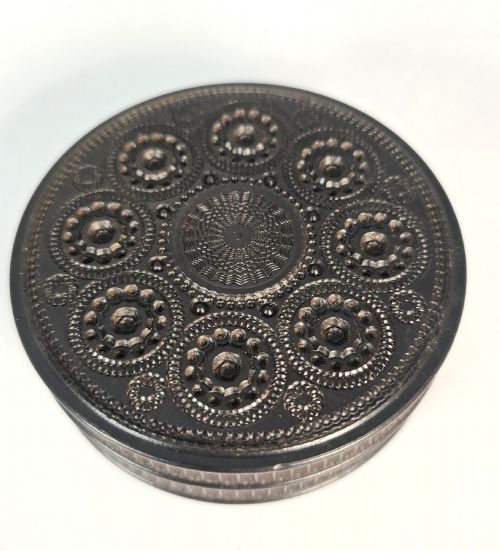
Turned wooden counters and associated turned wooden items include robust stools, small boxes, and playing pieces originating from the Georgian, Victorian, and Edwardian periods. When exploring turned wooden counters, a buyer encounters utilitarian items shaped from local timbers for everyday domestic, commercial, or tavern use.
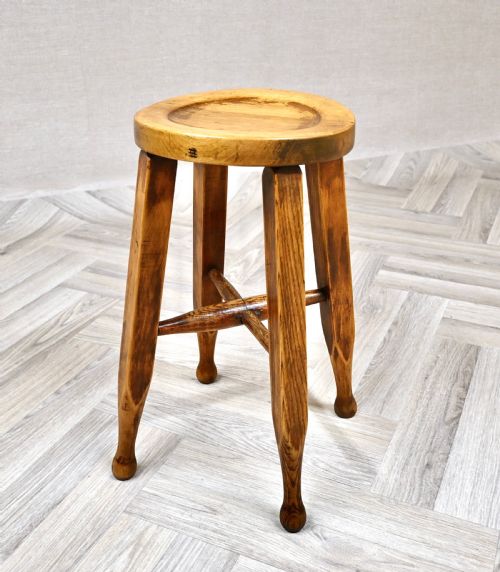
The selections span standard bar stools, clerk's stools, and pub seating alongside small turned boxes and games sets. Stools with oval dished tops or solid elm and sycamore seats dominate the examples seen here, reflecting practical country manufacture.
How they were made
Cabinet makers and turners utilised native hardwoods and softwoods such as elm, sycamore, beech, oak, and pine, often combining woods within a single piece like beech legs with elm seats. Turning on a lathe formed the structural legs, stems, and circular bodies of boxes or counters.
Surfaces were left plain or finished simply to highlight the natural grain of the timber. Joinery relied on traditional turned tenons and wedged joints designed to withstand heavy daily use in taverns and workshops.
Turned Wooden Counters Retail Price Guide 2026
Typical asking prices for turned wooden counters among the pieces listed under this phrase on Sellingantiques today, from the lower quarter to the upper quarter. They describe what is for sale here now, not the wider market.
Pub stools with delightfully deep dished seats remind us that 19th century tavern patrons valued their comfort just as much as we do.
What varies in quality
Quality rests in the selection of timber, the crispness of the lathe turning, and the integrity of the original construction. Dense woods like sycamore and wild elm hold sharper turned profiles and show richer patination through years of handling.
Proportion and comfort dictate desirability in seating, while tighter fitting lids and clean interior turning distinguish better boxes and games pieces. Uniformity in a pair of stools or a complete set of counters elevates the standing of the pieces.
The Turned Wooden Counters Glossary
- Turned
- Shaped on a rotating lathe using cutting tools to create symmetrical cylindrical or curved profiles. This technique forms the legs of stools and the bodies of small circular boxes.
- Dished top
- A seat surface hollowed out into a shallow concave depression for comfort. Tavern and pub stools frequently feature this ergonomic shaping.
- Patina
- The surface sheen and deep colour developed on wood over decades of handling, exposure to light, and waxing. It serves as an indicator of age and genuine use.
- Vernacular
- Everyday objects designed for practical local utility rather than high academic style. Country furniture and tavern stools fall into this tradition.
Turned Wooden Counters: Frequently Asked Questions
What are turned wooden counters used for?
These pieces serve as practical seating or small storage items for domestic interiors. Stools provide compact seating around tables or bars.
Boxes and games sets organise small items or facilitate traditional board games. Their solid construction suits daily handling in modern settings.
How do I identify a 19th century stool?
Nineteenth century examples show traditional timber selection such as solid elm, sycamore, or beech with hand-turned legs. Tool marks and construction methods reveal the age.
Wear patterns around footrests and seat edges point to long periods of historical use. The lack of modern adhesives or machine-cut screws confirms earlier manufacture.
Are these pieces made from solid wood?
The items listed are constructed entirely from solid timber rather than veneered boards. Woods like oak, elm, birch, and beech form the structural bodies.
This solid construction allows the wood to develop an authentic patina over time. It also ensures the pieces withstand heavy weight and regular movement.
How do I care for antique turned wood?
Maintain the wood by applying occasional natural wax to nourish the dry surface. Avoid placing pieces near direct heat sources or strong sunlight.
Gentle dusting with a soft cloth preserves the historic finish. Moisture should be wiped away immediately to protect the unsealed grain.