





Turned Wood Tool
These turned wood tool examples are utilitarian objects shaped on the lathe for trades, crafts, and domestic labour.
Turned Wood Tool
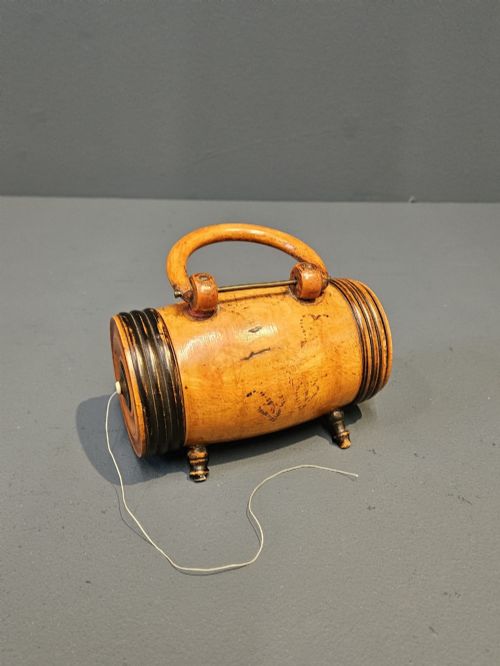
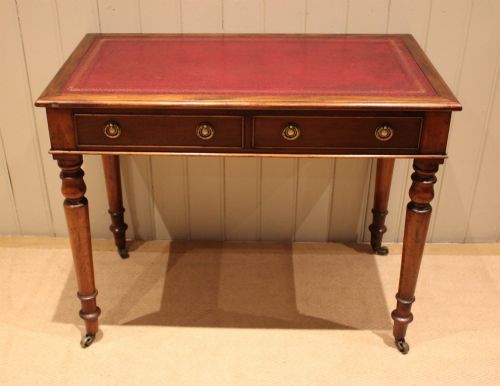
When you search for turned wood tool items, you are looking at utilitarian implements shaped on a lathe for specific crafts, trades, and domestic tasks. These pieces range from domestic string barrels and lace making accessories to trade mallets and writing desks.
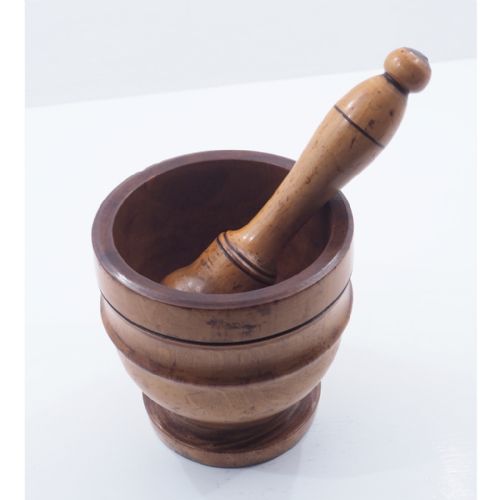
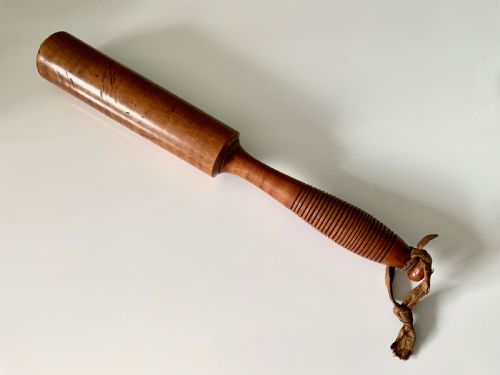
The versions you are most likely to meet on this page date from the eighteenth century through to the early twentieth century, spanning Georgian, Victorian, and Scandinavian country styles. They include textile tools, wool winders, mortar and pestles, and carpentry mallets.
The origins of these items reflect regional craft traditions, taking in English workshops, French folk art, and Scandinavian country production. Each object was made to serve a distinct function in the workshop, household, or marine environment.
How they were made
Maker-craftsmen shaped these items on a lathe using dense hardwoods such as fruitwood, mahogany, walnut, lignum vitae, rosewood, and burr birch. The turning process produced symmetrical handles, barrels, and shafts designed for a secure grip during manual work.
Makers integrated auxiliary materials like brass, leather, and metal components where mechanical strength was needed, such as in adjustable wool winders and veterinary mallets. These fitted elements complemented the turned wooden bodies without obscuring the grain.
Turned Wood Tool Retail Price Guide 2026
Typical asking prices for turned wood tool among the pieces listed under this phrase on Sellingantiques today, from the lower quarter to the upper quarter. They describe what is for sale here now, not the wider market.
The listings on this site feature nineteenth-century items in fruitwood, mahogany, and rosewood.
What varies in quality
The distinction between standard utility items and finer examples lies in the selection of timber and the precision of the lathe work. Dense timbers like lignum vitae and burr birch show crisp turning lines and wear smoothly through decades of use.
Proportion and functional integrity also set pieces apart, as seen in balanced wool winder stands and double-ended string barrels that retain their original threaded components and brass fittings.
The Turned Wood Tool Glossary
- Treen
- Small handmade wooden objects for domestic use. This term covers everything from string dispensers to lace bobbins.
- Lignum vitae
- A dense, heavy hardwood prized for its self-lubricating properties. Makers utilised it for mallets and maritime implements.
- Bobbin winder
- A mechanical device used in textile production to wind yarn onto bobbins. These often feature intricate turned wooden frames.
- String barrel
- A hollow turned container designed to hold twine with a dispensing hole at the top. Victorian examples often have double-ended compartments.
Turned Wood Tool: Frequently Asked Questions
What are turned wood tools?
Turned wood tools are functional implements shaped on a lathe for trades, textile production, and household tasks. They encompass items such as lace making accessories, carpentry mallets, and string dispensers.
These pieces were produced across the eighteenth and nineteenth centuries in various regional styles, reflecting the daily work of artisans and domestic laborers.
How were string barrels used?
String barrels were domestic accessories placed on tables or desks to store balls of twine securely. The string fed through a central aperture, preventing tangles during packaging or sewing.
Victorian households often utilised double-ended versions to keep different weights of cord accessible in one turned wooden container.
How do I identify Victorian treen?
Victorian treen is identified by its nineteenth-century timber choices, typical utilitarian forms, and signs of manual lathe work. Common woods include fruitwood, mahogany, and walnut.
Examining the turning marks and wear patterns helps distinguish these domestic and craft items from later reproductions.
What is a sailors fid?
A sailors fid is a tapered wooden tool used by mariners to splice rope or open knots. They were typically turned from dense hardwoods to withstand heavy pressure.
Examples from the nineteenth century often display smooth, patinated surfaces resulting from prolonged maritime use.